
Reviewed · TATACOA DESERT TOURS
Community tour Biodiversity Latatacoa Desert Villavieja
Tatacoa’s appeal is its sharp change of scenery: one part red earth and fossil country, another part pale rock, cactus, birds, and wide-open sky. This full-day outing links the Red Desert, Xilópalos Valley, the Magdalena River, and an observatory into one long, varied day.
I like the way the tour mixes nature with local life, and I like that a bilingual guide explains the plants, animals, fossils, and astronomy rather than simply pointing out photo stops. The private transport and included lunch also make the day easier to manage.
The main catch is timing. The first desert walk can fall in the fierce midday heat, and the day includes a lot of walking, so you need sturdy shoes, water, sun protection, and reasonable fitness. The observatory visit may also be mainly in Spanish, depending on the guide leading the session.
Key points to know before booking
- Two very different desert areas: Compare the iron-red soil of Tatacoa with the rock formations and canyons of Xilópalos Valley.
- Wildlife begins before the desert: The Magdalena River area offers chances to see turtles, unusual birds, reptiles, and native plants.
- A community-based day: You meet local people in the Xilópalos area and learn about regional customs and traditions.
- Lunch and private transport are included: Transport covers the route from Villavieja into the desert and back, while lunch is regional.
- Two small extra fees: The natural pools cost 10,000 Colombian pesos, and the observatory costs another 10,000 pesos.
- The final stop is astronomy: Expect a sunset and evening observatory session lasting about two and a half hours.
Why Tatacoa works best as a full-day outing
This is not a quick photo stop in a dry valley. It is a long circuit that brings together wildlife, paleontology, community tourism, swimming, geology, and astronomy.
That range is the strongest reason to choose it. A shorter desert visit may show you the red formations, but this experience gives you a better sense of why Tatacoa is important. It is not only a dry place. It is also a fossil area, a home for plants and animals, a source of local livelihoods, and an excellent place to study the night sky.
The pace is active but broken up by transport, lunch, free time, and swimming. You will still spend several hours walking on uneven ground. The schedule includes a 110-minute visit to Xilópalos Valley, a 105-minute stop at the natural pool, another 105-minute hiking and free-time section, and a 45-minute viewpoint stop before astronomy.
At $64 per person, the price is reasonable if you want an organized day with private transport, a bilingual guide, lunch, and admission to the Red Desert and Xilópalos Valley. It is less attractive if you only want a short walk among the red rocks, since the day is long and the pool and observatory cost extra.
More Tatacoa Desert trips:
- Neiva: Guided Day Trip to the Tatacoa Desert with Lunch
★ 4.8 · 76 reviews - Community and Biodiversity Tour of the Tatacoa Neiva Desert
★ 4.7 · 14 reviews - Villavieja: Tatacoa Desert Horseback Riding Tour
★ 5.0 · 3 reviews
Starting in Villavieja and meeting the Megaterio
The day begins in Villavieja, the small town that serves as the gateway to Tatacoa. The central plaza features an imposing Megaterio, a giant prehistoric ground sloth that points to the area’s fossil past.
You have about 20 minutes here for a break, a guided introduction, and free time. That is enough to get your bearings and understand the connection between the town and the fossil beds beyond it.
Pay close attention to the pickup details. The tour includes private transport from Villavieja to the desert and back, but transportation from Neiva is not included. Pickup is described as available from your hotel, hostel, Airbnb, or the local Backpackers Neiva base, so confirm the exact meeting point before booking if you are staying outside Villavieja.
Turtles and birds along the Magdalena River
The first nature stop is the Puerto Fluvial Malecon Ferri motos area, followed by Marina Playa. Together, these stops give you a different view of the region before the dry formations begin.
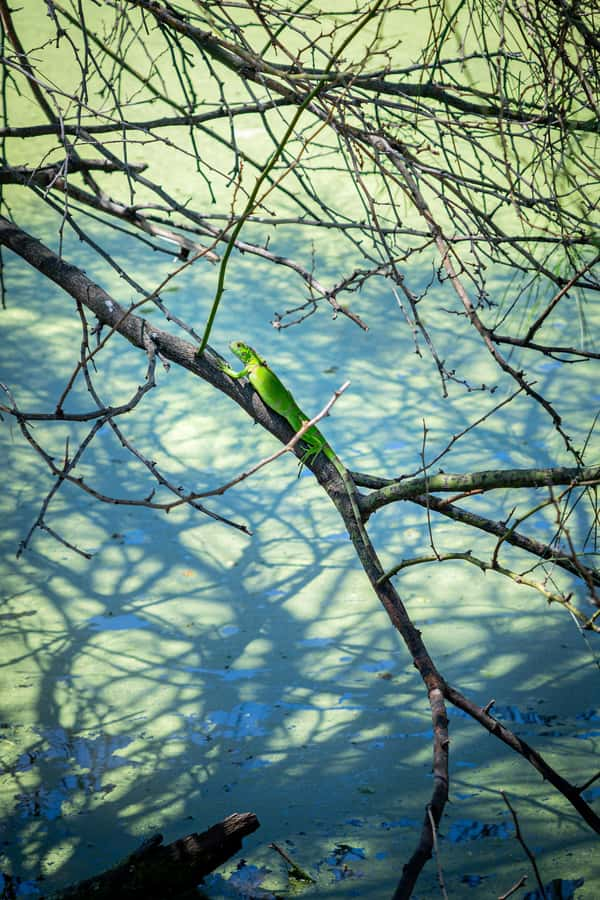
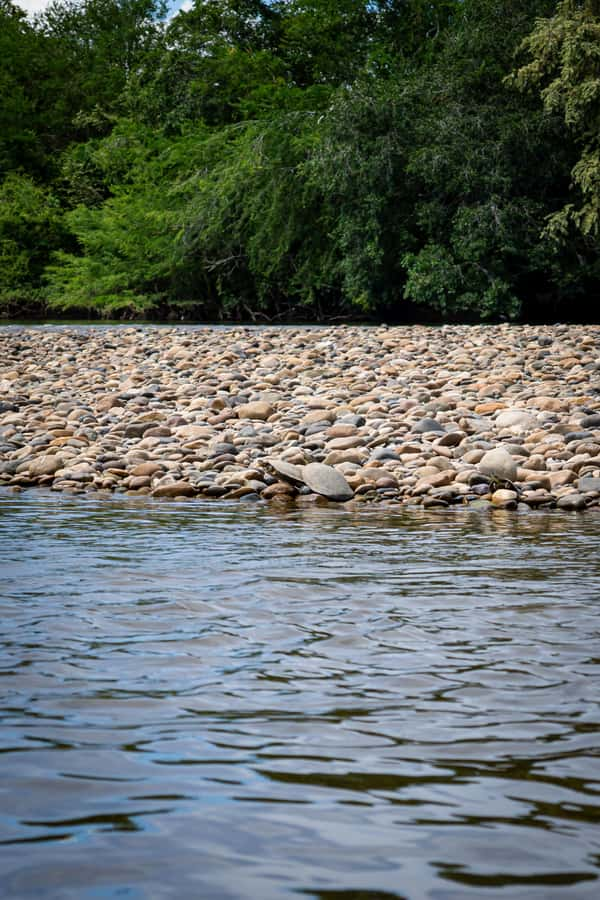
A short boat cruise offers wildlife viewing along the Magdalena River. Turtles, exotic birds, reptiles, and water-loving plants are among the possible sights. The river also shows why the Tatacoa area should not be understood as empty or lifeless. Its dry soil sits beside waterways that support a surprising amount of animal and plant life.
The time on the river is brief, about 20 minutes, followed by roughly 30 minutes at Marina Playa for a guided walk and more wildlife viewing. Bring your sunglasses and keep your camera ready, but remember that wild animals do not follow a schedule. The value here is the contrast between river habitat and desert habitat, not a guaranteed list of sightings.
Cacti and reptiles in the private nature reserve
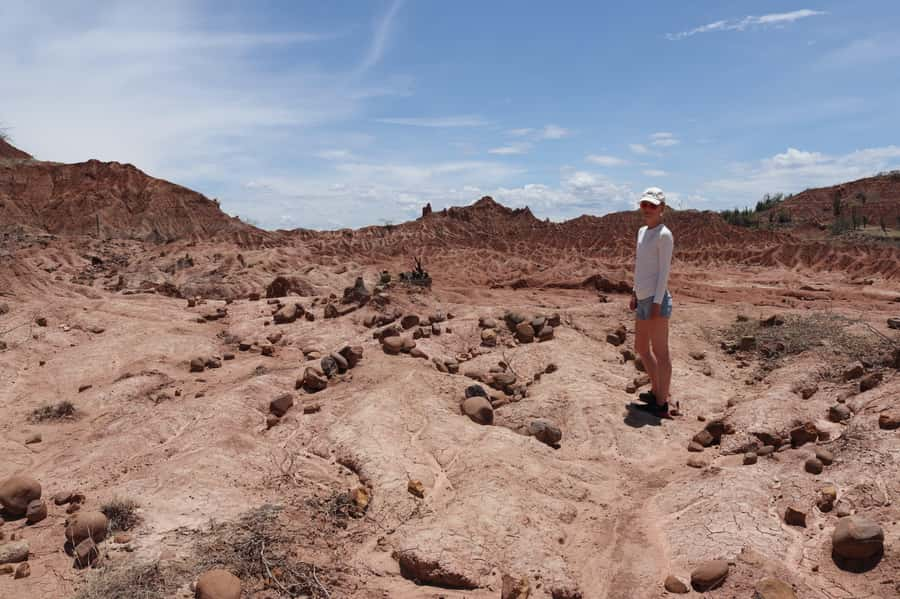
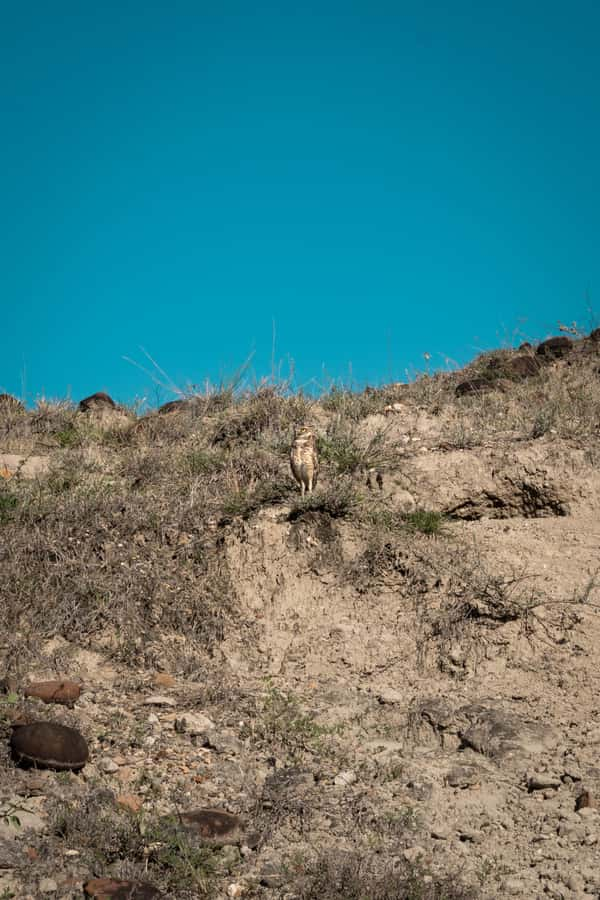
The route continues into a nature reserve associated with Backpackers Neiva. Here, you can see lakes where reptiles and birds live, along with a range of cacti.
The guide explains different cactus types and their reproduction. That detail gives the walk more purpose than simply photographing unusual plants. You begin to see how vegetation survives in a dry climate and why each cactus shape matters.
This is also a good part of the day for questions. The tour is designed around biodiversity, so the guide can explain what you are seeing in both English and Spanish. Past participants especially valued the clear information about local flora and fauna, and that emphasis is one of the strongest features of the experience.
A completely different kind of day, same corner of Colombia:
- Medellin: Comuna 13 Graffiti Tour, Cable Car & Street Food
★ 4.8 · 9,046 reviews - Medellín: The Real Pablo Escobar Tour
★ 4.8 · 3,205 reviews - Cartagena: Historic Center and Getsemaní Shared Walking Tour
★ 4.9 · 2,716 reviews - Cartagena: Rosario Islands Catamaran with Lunch and Snorkel
★ 4.5 · 2,479 reviews
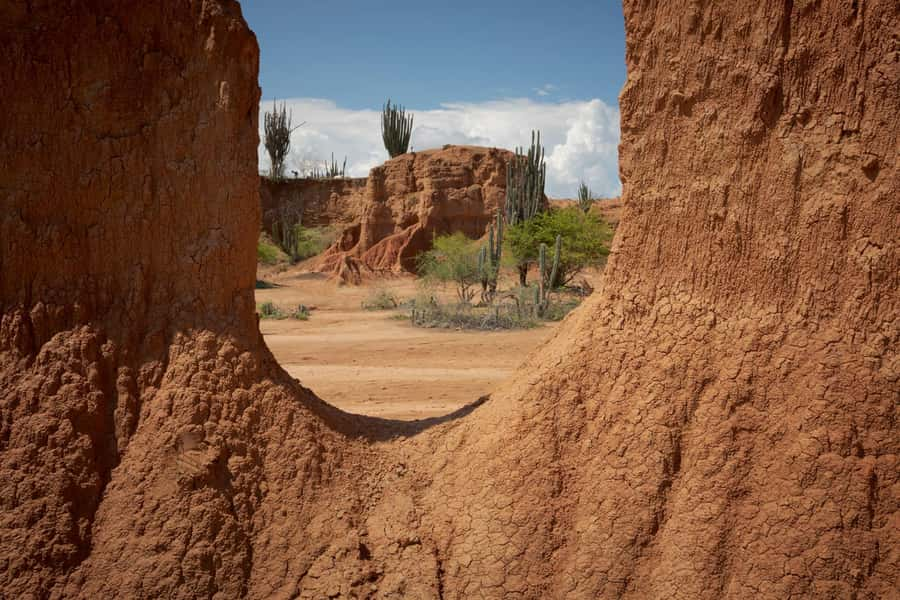
The Red Desert and its iron-colored soil
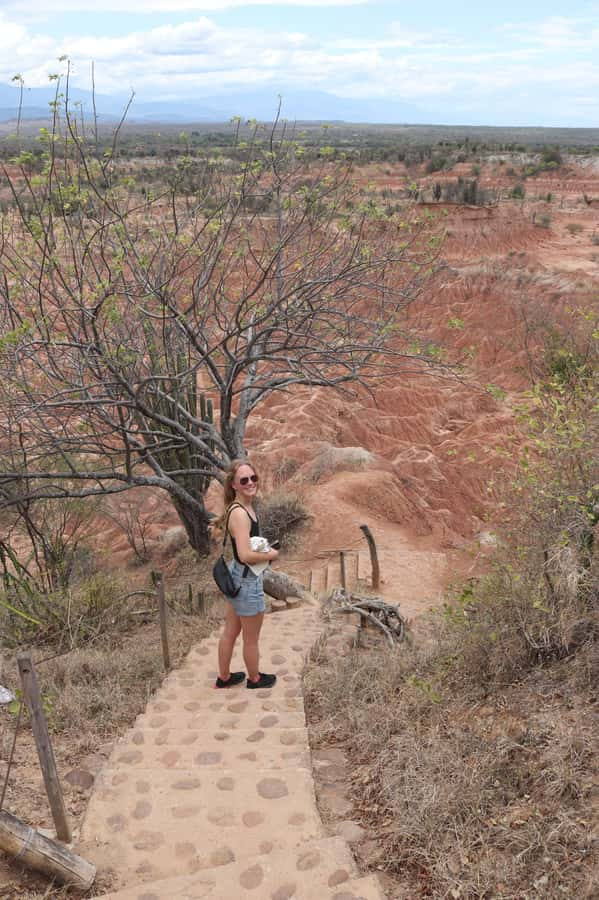
The Red Desert is the visual centerpiece. Its soil gets its strong color from iron, and the worn formations create narrow paths, ridges, and open views.
You will walk through an area tied to paleontology as well as geology. Fossils may be visible in the wider region, but the tour presents the site as a place where ancient remains are part of the ground beneath your feet, not as a formal museum visit or excavation session.
The timing deserves serious thought. This first desert walk can take place near the middle of the day, when the heat is described as particularly harsh. An early start would make the walking more comfortable, but the starting time depends on availability and the day’s schedule.
Wear shoes with a firm sole. Sandals may be fine for the pool later, but they are a poor choice for uneven desert paths. A hat, sunscreen, sunglasses, and at least one bottle of water are essential. You should also carry cash, since card payments are not commonly used.
Regional lunch at Xilópalos Valley
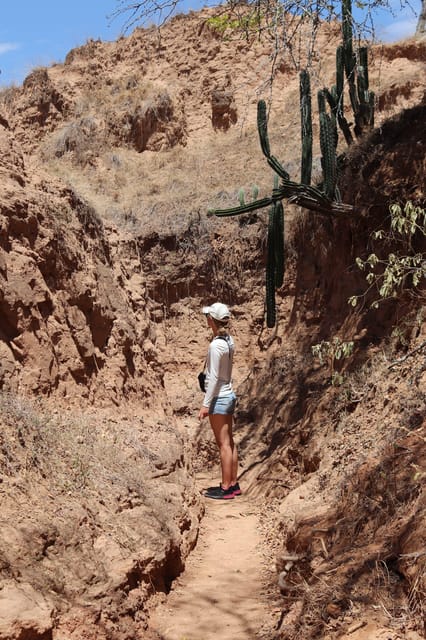
Xilópalos Valley brings a different look. Instead of the strong red soil, you see rock formations, fossil areas, and canyons shaped by erosion.
The guided walk lasts about 110 minutes, so this is one of the more active sections. You can expect uneven ground and some uphill or downhill walking. The setting makes the paleontology theme more tangible, since fossils and rock layers are part of the area’s identity.
Lunch follows at the valley, with about an hour for eating and free time. A regional meal is included in the price. It is practical rather than a major culinary event, so set your expectations accordingly. It gives you a chance to refuel before the afternoon walking and swimming.
This is also where the community side of the trip becomes more visible. You interact with local people and learn about their traditions and culture. Your spending helps support the local economy, while the conversation gives context that a drive-through visit would miss.
A break at the mineral pools
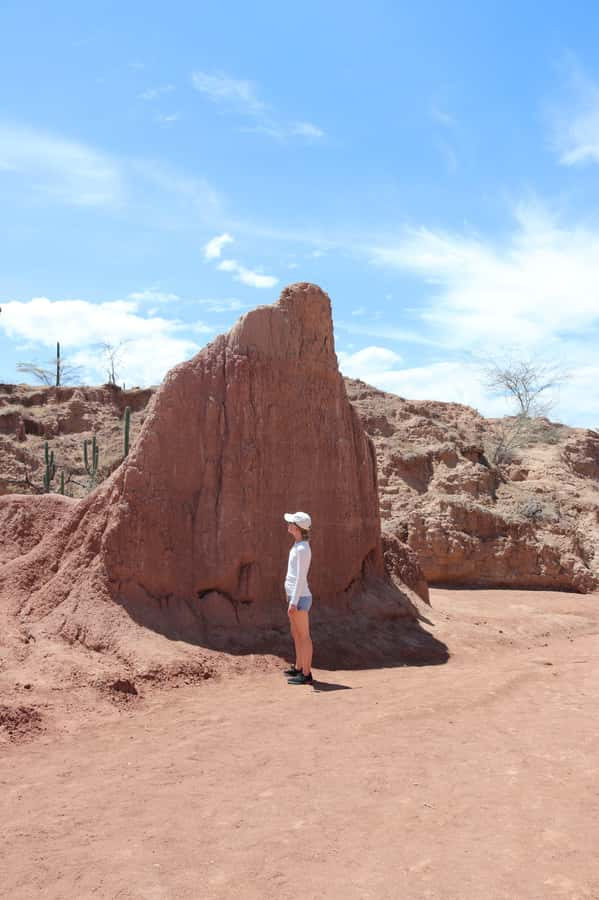
The natural pools offer a welcome pause after the morning heat and walking. You have about 105 minutes for a break, walking, and swimming.
The entrance fee is not included and costs 10,000 Colombian pesos. Carry cash for this and the observatory. The pool stop is optional in practical terms, but it is a useful part of the day if you want to cool off and rest your legs.
Bring swimwear and a small towel if you plan to enter the water. The provided packing information specifically calls for water, sun protection, comfortable shoes, and cash, so you should treat the pool as a planned stop rather than an unexpected bonus.
More canyons, fossils, and open desert views
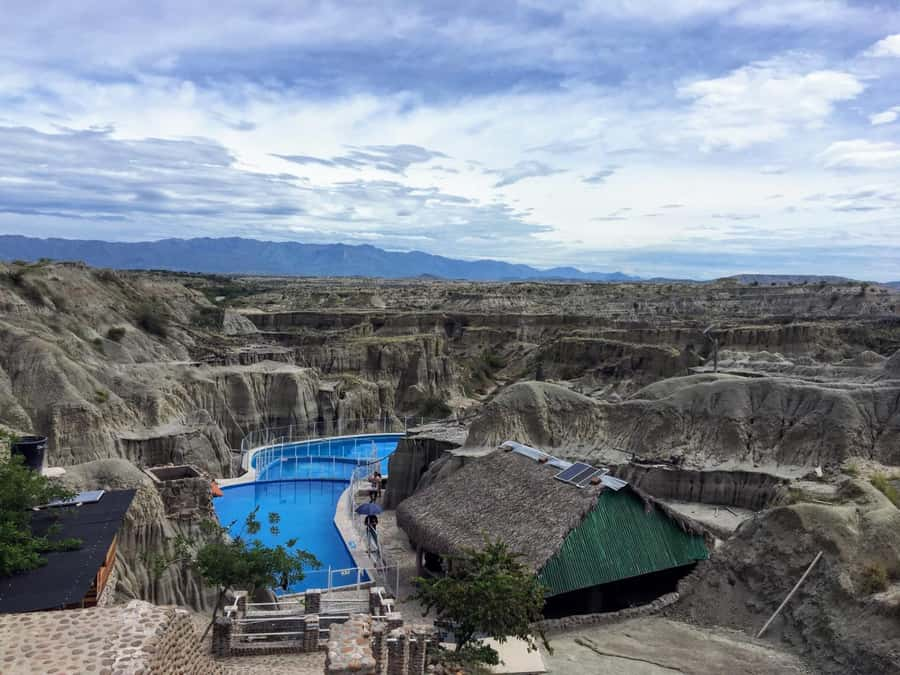
After the pool, the tour returns to another walking section identified by its map location, with about 105 minutes for guided exploration, hiking, and free time.
This part continues the geological story. Expect more rock, dry ground, and open views rather than a single major attraction. It is a good chance to walk at a slower pace, take photographs, and listen to the guide’s explanation of the region’s fossil and rock formations.
Because the day is long, this is where tiredness may begin to show. Use the free time wisely. Drink water, stay with the group, and do not underestimate the sun simply because the scenery feels cooler later in the afternoon.
Sunset at Las Ventanas Mirador
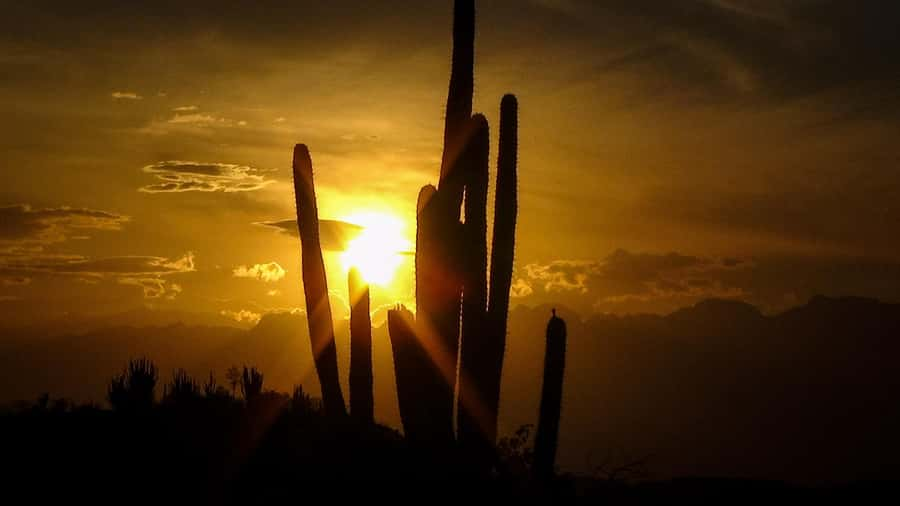
Las Ventanas Mirador provides a 45-minute break and scenic views along the route. It is a natural transition between daytime exploration and the evening astronomy session.
The viewpoint is less about a formal activity and more about stopping to take in the broad desert views. Sunset light can change the color of the rock and soil, giving you a final look at Tatacoa before darkness arrives.
Keep your camera away during part of the stop and simply look around. After several hours of walking, a quiet viewpoint can be more useful than another rushed attraction.
Astronomy at Astrosur Observatory
The final stop is the Astrosur Astronomical Observatory, where experts guide you through the night sky. The session lasts about two and a half hours and includes sunset and scenic views on the way.
Tatacoa is well suited to astronomy because the dry setting and open skies offer a clear view of the stars. The observatory gives the day a strong finish, shifting your attention from fossils beneath your feet to planets, stars, and the wider universe above you.
Admission costs 10,000 Colombian pesos and is not included. The astronomy presentation may be conducted mainly in Spanish, even though the tour itself provides an English and Spanish guide. If you do not speak Spanish, confirm how much translation or explanation will be available before you go. One German-speaking participant found the stargazing difficult to follow in Spanish, so this is the clearest language limitation to consider.
What the $64 price really covers
The fee includes private transport from Villavieja into the desert and back, a bilingual guide, lunch, entry to the Red Desert, and entry to Xilópalos Valley.
You pay separately for the mineral pools and observatory, 20,000 Colombian pesos total. Transport from Neiva is also separate, which can affect the real cost if you are based there.
I see the price as good value for someone who wants a complete day without arranging several separate rides and admissions. The private vehicle matters in this hot, spread-out region, and the guide adds value by explaining the plants, animals, local culture, fossils, and astronomy.
It is not the best match for a visitor who wants a relaxed half-day. Twelve hours is a serious commitment, and the long schedule includes heat, walking, and a late finish after astronomy.
Who should book this experience
I would choose this tour if you want more than the classic red-rock photographs. It suits you if you enjoy nature walks, local culture, fossils, swimming, and stargazing in one outing.
It is also a good fit if you prefer having transport and a guide arranged for you. The English and Spanish service is useful, especially during the biodiversity and geology sections.
You should think twice if you use a wheelchair, have limited mobility, motion sickness, or a pre-existing medical condition. The tour is not suitable for wheelchair users or people with mobility impairments, and the walking, vehicle travel, heat, and uneven ground may be demanding.
Bring only what you need. Alcohol and drugs are not allowed, and cash is more useful than a card in this area.
Should you book the Tatacoa biodiversity tour?
Book it if you want a full picture of Tatacoa: river wildlife, cactus ecology, red soil, fossils, community culture, mineral water, viewpoints, and stars. The strongest parts are the variety, the private transport, the guide’s explanations, and the chance to support local residents.
Skip it if you want a short, cool morning walk or if you need a fully English astronomy program. The midday heat, extra entrance fees, long duration, and possible Spanish-only observatory session are real considerations.
For an active visitor staying in or near Villavieja, this is a well-rounded way to spend a day in Tatacoa. Just arrive prepared for the heat, carry cash, and confirm your pickup point before you set out.
FAQ
Where does the tour start?
The tour starts in Villavieja. Pickup is available from the place where you are staying, including a hotel, hostel, Airbnb, or the Backpackers Neiva location, but you should confirm the exact meeting point.
Is transportation from Neiva included?
No. The included private transportation runs from Villavieja to the desert and back. Transportation from Neiva is not included.
How long does the experience last?
The full experience lasts 12 hours.
Is lunch included?
Yes. A regional lunch is included.
Are the Red Desert and Xilópalos Valley included?
Yes. Admission to the Red Desert and Xilópalos Valley is included.
Do I have to pay extra for the natural pools?
Yes. Entry to the natural pools costs 10,000 Colombian pesos and is not included in the tour price.
Do I have to pay extra for the observatory?
Yes. Entry to the Astrosur Astronomical Observatory costs 10,000 Colombian pesos and is not included.
What languages are available?
The tour provides live guidance in English and Spanish.
What should I bring?
Bring comfortable shoes, sunglasses, a sun hat, sunscreen, water, and cash. If you plan to swim, bring suitable swimwear.
Is the tour suitable for people with limited mobility?
No. It is not suitable for people with mobility impairments or wheelchair users. It is also not suitable for people with pre-existing medical conditions or motion sickness.
Just added around Colombia
- Zipaquirá: Private tour to the Salt Cathedral, Colombia’s first wonder★ 4.9 · 33 reviews
- Zipaquira: 5 hrs Salt Cathedral Tour★ 4.4 · 9 reviews
- Zipaquirá: Private Salt Cathedral Mine and Walking Tour★ 4.8 · 3 reviews
- Wonders of Salt: Colombia’s Underground Cathedral★ 5.0 · 18 reviews
- Zipaquirá Salt Cathedral & Andrés Carne de Res (Chía)★ 4.6 · 30 reviews
- Villavieja: Tatacoa Desert Horseback Riding Tour★ 5.0 · 3 reviews
- White Night Boat Party: Dinner Buffet, Dancing and Open Bar★ 4.6 · 3 reviews
- Exotic Yacht – Tour through the bay of Cartagena★ 3.7 · 4 reviews
Tatacoa Desert Tours, compared.
Neiva: Guided Day Trip to the Tatacoa Desert with Lunch
Read our review →
Community and Biodiversity Tour of the Tatacoa Neiva Desert
Read our review →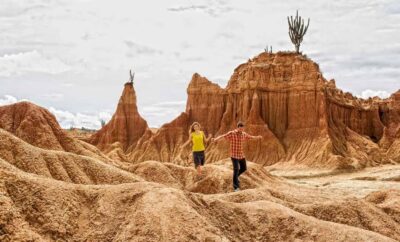
Day Trip to Tatacoa Desert (Horseback, Boat, Stargazing, ..)
Read our review →
Browse the lists this tour appears in