
Reviewed · COFFEE EXPERIENCES
Explore the Coffee Process_From Tree to Cup & Fun by Jeep
The most interesting part of this Pereira experience is that coffee is only the beginning. Arvey and Elizabeth take you through their working farm, explaining coffee cultivation, fermentation, drying, roasting, and brewing while also showing how fruit trees, compost, vermiculture, birds, and farm animals fit into daily life. The ride in a traditional coffee-country Jeep adds a fitting start.
I especially like the small maximum of 10 people, which leaves room for questions and personal instruction. I also like that you prepare coffee yourself instead of stopping at a quick tasting. The main consideration is that this is a working farm, so expect insects, uneven outdoor paths, and a warm, hands-on visit rather than a polished museum-style tour.
Key points to know before booking
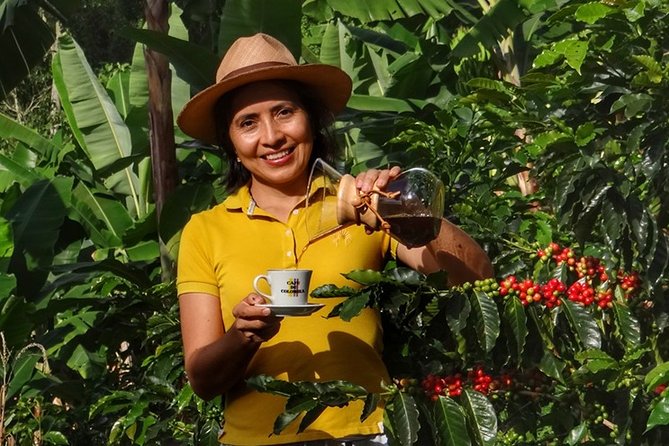
- Coffee from tree to cup: Follow planting, harvesting, fermentation, washing, drying, roasting, and brewing.
- Hosted by Arvey and Elizabeth: Their personal story and daily work are central to the visit.
- A farm beyond coffee: See bananas, cocoa, avocados, citrus, guava, papaya, mango, guanabana, and other crops.
- Traditional Jeep transport: Hotel pickup and drop-off make the trip from Pereira simple.
- Sustainability in practice: Visit the compost area, vermiculture setup, nursery, and clean agriculture projects.
- Small-group format: The experience is limited to 10 people and includes snacks, coffee or tea, private transport, entrance, and a guide.
Why this coffee tour feels different
Many coffee outings in Colombia explain how coffee is grown, then move quickly to a tasting. This one gives you a broader picture of farm life in the Andes. Coffee is the main subject, but the visit also covers clean agriculture, organic waste, fruit production, native plants, birds, and the couple’s life as neo-peasants.
That wider view matters. A cup of coffee is not just a beverage made in a café. It begins with a plant, soil, rain, shade, insects, workers, processing choices, and careful roasting. At this farm, you see how those pieces connect.
Arvey and Elizabeth run the visit themselves. Their work is personal, and the farm is presented as a shared project rather than simply a business. Arvey previously worked as an accountant, while Elizabeth was an engineer before turning toward farm life. Their change in direction gives the tour an appealing human side: you are learning about coffee from people who chose to build their daily lives around it.
The project has received the 2022 National Tourism Awards and the WTM Latin American Responsible Tourism Awards in Brazil in 2023. Those awards do not replace the actual visit, but they give useful context. Sustainability here is not just a slogan added to the tour description. It is shown through composting, vermiculture, nursery work, mixed crops, and care for the surrounding natural world.
More Coffee Tours in Salento
- Coffee Tour at the Finca del Café
★ 5.0 · 213 reviews - Salento: Private Cocora Valley, Salento & Coffee Farm Tour
★ 4.9 · 202 reviews - Coffee Tour at Finca El Ocaso Salento: Traditional Spanish Farm
★ 4.8 · 89 reviews
The Jeep ride from Pereira into the Andes
The outing begins with hotel pickup in a traditional Jeep, an icon of Colombia’s coffee region. This is more than a convenient vehicle. Jeeps are closely tied to the coffee-growing zones, where steep mountain roads and farm access have long shaped local transport.
The drive takes you from Pereira toward the Andean hills. The ride is described as roughly 40 minutes, depending on your starting point and road conditions. Along the way, Arvey introduces the region, the farm, and the realities of coffee production. You get useful background before arriving, rather than waiting until the first coffee tree.
Private transportation is included, so you do not need to arrange a taxi, find a distant meeting point, or worry about getting back into Pereira. Someone else drives while you watch the city give way to mountain roads and rural views. That is especially valuable if you have limited time in the Coffee Triangle.
There is a small tradeoff. A mountain road can be winding, and the Jeep is part of the rural character rather than a luxury touring vehicle. If you need a very smooth ride or dislike curves, keep that in mind. For most people, though, the vehicle fits the setting perfectly.
Walking through coffee from cherry to bean
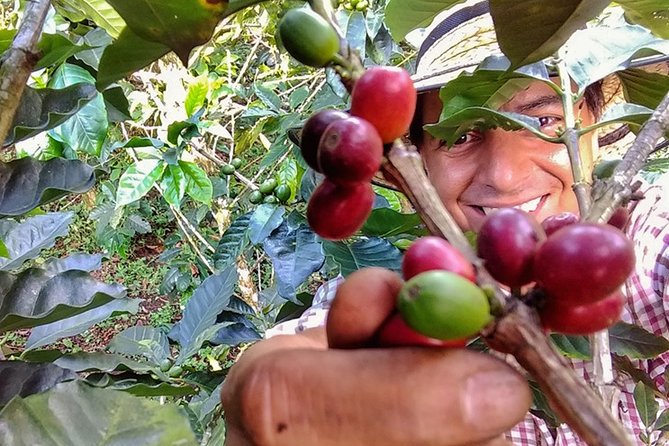
At the farm, the coffee story begins with the plant itself. You walk through the plantation and learn how coffee grows, how ripe cherries are picked, and what happens after harvest. The tour explains the chain step by step instead of treating the finished bean as a mystery.
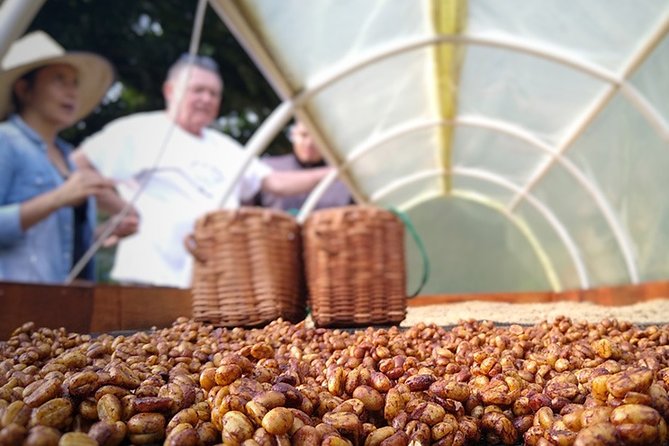
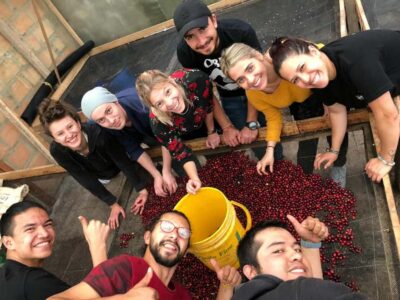
The processing stage is one of the most useful parts of the visit. You learn about fermentation, washing, drying, and quality control. The farm works with three processing styles: washed, honey, and natural. These names refer to different ways of handling the coffee fruit around the seed, and they affect the final cup.
You will not simply hear a list of terms. Elizabeth guides you through preparation and helps you compare coffees made by different methods. The result is practical: you leave with a better sense of why two coffees from the same country can taste so different.
The exact harvest activity will depend on the time of year. The supplied information makes clear that crops fruit at different times, so the farm changes with the season. You might see ripe fruit, young plants, or other stages of growth rather than a full harvest in progress. That is normal for a working farm and part of the reason no two visits are exactly alike.
Coffee tasting becomes a hands-on lesson
The tour includes more than sipping a prepared cup. You learn how to make Colombian coffee yourself, with Elizabeth explaining the steps and helping you use different brewing methods. You can prepare two or more cups and compare the results.
The farm also explains roasting and the roasting curve. This is where green coffee changes into the fragrant brown beans most people recognize. You learn how roasting time and heat affect the finished drink, then put the lesson into practice by tasting coffee prepared on site.
I like this format because it gives you something useful to take home. The goal is not to turn you into a professional barista. It is to show that good coffee preparation can be simple enough to repeat in your own kitchen.
The included refreshments may include coffee or tea and a farm snack. Past visits have featured lemonade made with fresh lemons, patacones, or empanadas. Since the official inclusion is listed as snacks and coffee or tea, the exact food can vary. You can expect a modest farm-style break, not a full restaurant meal.
If you do not usually drink coffee, the tour can still work for you. The plantation walk, fruit trees, animals, sustainability projects, and mountain setting give the visit plenty of substance. You can also focus on the agricultural side and sample only what suits you.
A completely different kind of day, same corner of Colombia:
- From Salento: Cocora Valley Shared Tour
★ 4.8 · 246 reviews - Salento, Cocora and Filandia Private Tour from Pereira or Armenia
★ 5.0 · 90 reviews - Coffee Tour Salento-Ocaso Farm- English Tour
★ 4.6 · 88 reviews - Salento/Pereira: Cocora Valley & Salento Hiking Private Tour
★ 4.8 · 78 reviews
More than a coffee plantation
The farm’s mixed planting system is one of its strongest features. In addition to coffee, you may see bananas, plantains, cocoa, avocado, orange, lemon, tangerine, guava, papaya, mango, and guanabana. Other plants mentioned during the visit include citronella, pineapple, cotton, and several varieties of avocado.
This variety helps explain how a small farm can serve several purposes at once. Some plants provide food. Some have medicinal uses. Some support birds or other animals. Cotton, for example, can provide material that birds use for nests. The farm’s bird count reportedly grew from around 30 species to about 120 after the project began, although sightings naturally vary during each visit.
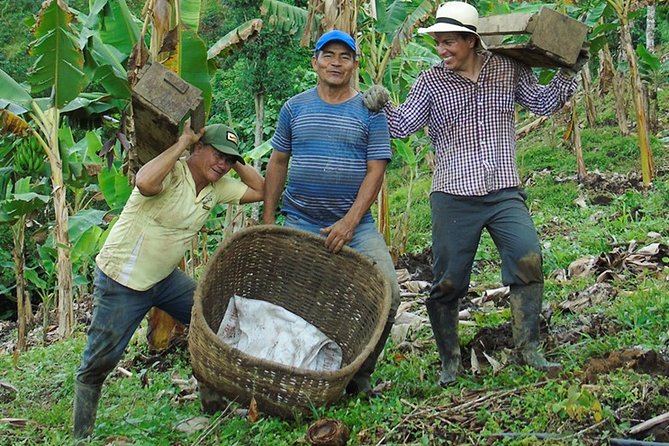
You may also meet ducks, chickens, roosters, cats, and the family dogs, Toby and Lola. These details give the place the feel of a lived-in home and working farm rather than a staged attraction. Children and animal lovers may find this part especially memorable, though the animals are not the main reason to book.
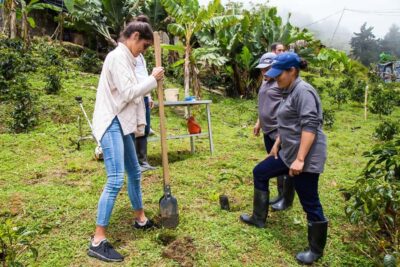
The compost area, vermiculture, and nursery show what happens to organic waste and how new plants are started. These are small details, but they make the sustainability message concrete. You can see systems that are easy to understand and potentially useful at home or in another garden.
A relaxed four-hour schedule
The full visit lasts about four hours, including transport and time at the farm. The basic flow is:
- Pickup in Pereira in the traditional Jeep
- Drive into the Andean coffee zone
- First coffee preparation and introduction
- Walk through coffee, fruit, and other crops
- Explanation of composting, vermiculture, and the nursery
- Lessons on harvesting, fermentation, washing, drying, and quality control
- Roasting and brewing instruction
- Coffee tastings and a snack
- Return transport to your hotel
The itinerary is sometimes summarized with stops in the Andes and Pereira, but the real focus is the farm visit and the route between the city and the mountain property. Do not expect a multi-site sightseeing day. This is a concentrated half-day activity built around one family farm.
The timing works well if you are staying in Pereira and want to keep the rest of the day open. It can fit before or after another local activity, though the exact pickup time should be confirmed when you book.
How much value does $115 provide?
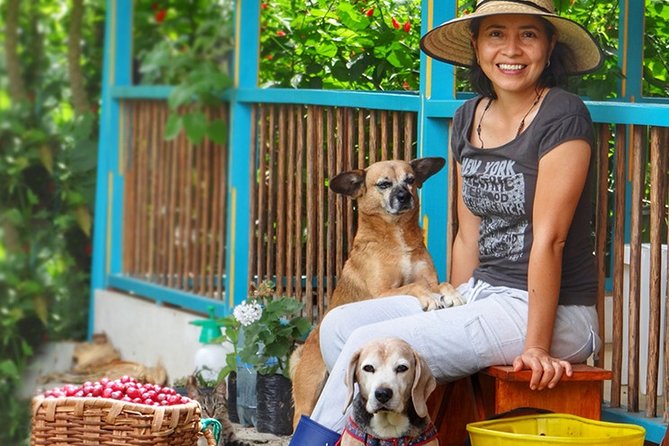
At $115 per person, this is not the cheapest way to taste Colombian coffee. You are paying for more than a cup and a quick walk. The price includes hotel pickup and drop-off, private transportation, farm entrance, a guide, coffee or tea, and snacks. The group can have up to 10 people, which keeps the experience relatively personal.
That package makes the price easier to understand. Transport into the mountains alone would take planning and money, while a private ride removes much of the hassle. You also receive several hours of instruction and hands-on preparation rather than a short photo stop.
I would consider this good value if you care about sustainable farming, want to understand coffee properly, or prefer meeting the people behind a local product. It is less compelling if you only want a quick caffeine tasting or a large sightseeing tour with many stops.
An extra charge of $25 applies if transportation is needed from other cities. The listed price is for the Pereira area, so check your pickup location before booking.
Accessibility, comfort, and practical advice
A large portion of the farm is described as suitable for wheelchair and blind access. That is encouraging, but it does not mean every path or every area is fully accessible. Ask about the specific route you will use if mobility access is important.
Service animals are allowed. The activity takes place outdoors, so insects are part of the setting. I would bring mosquito repellent, comfortable walking shoes, sun protection, and clothing suited to warm rural conditions.
Because this is a farm, paths may be uneven and conditions can change with weather. You should also leave room in your schedule for a relaxed pace. The best part of the visit is the conversation and explanation, not rushing from one display to the next.
The group maximum is 10 people. That is small enough for questions and personal brewing instruction, but it is still possible that you will share the visit with other participants. If you want the most individual attention, a smaller booking may be preferable, though the supplied information does not promise a private tour.
Who should book this experience?
I would recommend it most strongly to coffee drinkers who want to understand what they are tasting. It also suits anyone interested in sustainable agriculture, rural Colombia, plants, birds, or family-run projects.
Families may enjoy the animals and fruit trees, provided everyone is comfortable with a farm setting. People who do not drink coffee can still get value from the nature and agriculture portions, but the final tasting and brewing lessons are central to the outing.
This may not be the best choice for someone seeking a luxury finca visit, a formal culinary class, or a full-day tour across several attractions. It is also not designed as a strenuous hike, although you will walk around the property and should expect outdoor surfaces.
The activity has a perfect five-star rating from 28 reviews and is recommended by 100 percent of respondents. Those numbers suggest a consistently strong experience, but the more useful point is what the tour actually offers: direct access to a family farm, clear coffee instruction, and a close look at sustainable rural life.
Should you book the Pereira coffee farm tour?
Book it if you want more than a pretty coffee plantation photo. Arvey and Elizabeth’s farm gives you the full chain from coffee tree to brewed cup, then adds fruit, birds, farm animals, composting, vermiculture, and a personal story about choosing rural life.
The $115 price is justified by the included transport, guide, entrance, refreshments, and small-group setting. Bring repellent, expect a few bugs, and allow for a real working farm rather than a polished attraction. If that sounds appealing, this is one of the more useful half-day choices in the Pereira area.
FAQ
Where does the coffee farm experience take place?
The experience is based in the Andean coffee region near Pereira, Colombia. Pickup and drop-off are included for hotels in the service area.
How long does the tour last?
The tour lasts approximately four hours, including transportation and the farm visit.
How much does the experience cost?
The listed price is $115 per person.
Is hotel transportation included?
Yes. Hotel pickup and drop-off are included, along with private transportation in a traditional Jeep.
How many people can join the tour?
The activity has a maximum of 10 participants.
Who leads the farm visit?
Arvey and Elizabeth lead the visit and explain their coffee production, farming practices, sustainability work, roasting, and brewing methods.
What is included in the price?
The price includes coffee and/or tea, snacks, private transportation, farm entrance, and a guide.
Is transportation from another city included?
No. Transportation from other cities costs an additional $25.
Can I cancel for a full refund?
Yes, if you cancel at least 24 hours before the experience start time. Cancellations made less than 24 hours in advance are not refunded, and changes within 24 hours are not accepted.
Just added around Salento
- Howler Monkey Tour On The Barba Reserve – Bremen Of Philandia★ 5.0 · 48 reviews
- Cocora Valley Tour and Coffee Farms★ 4.5 · 40 reviews
- Coffee Tour.★ 5.0 · 33 reviews
- Full Day Climbing The Cocora Valley with Lunch★ 5.0 · 29 reviews
- Salento, Cocora+Filand PREMIUM PLAN. exit: Pereira/Armenia.★ 5.0 · 47 reviews
- One way transfer from Pereira to Salento AND/OR Salento to Pereira★ 5.0 · 31 reviews
- Salento and Cócora Tour plus Coffee Farm from Pereira or Armenia★ 5.0 · 40 reviews
- Tour Santa Rosa hot springs from Pereira, Armenia or Salento★ 4.5 · 8 reviews
Coffee Experiences, compared.
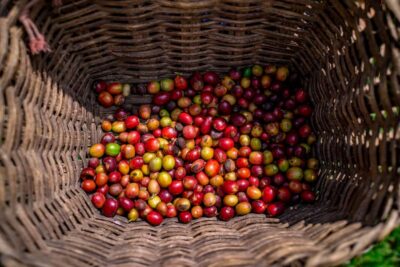
Coffee Tour with Transport, Snacks and Tastings
Read our review →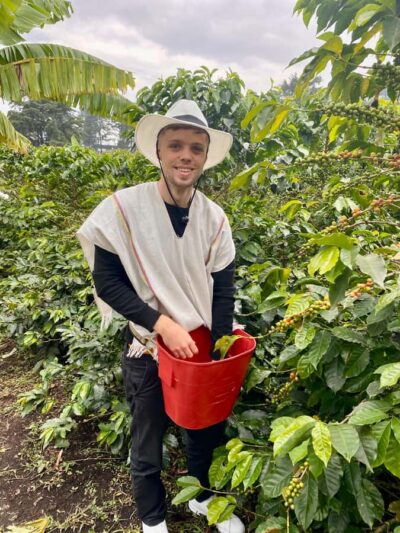
Medellín Coffee Farm Tour with Trolley and Cable Car Ride
Read our review →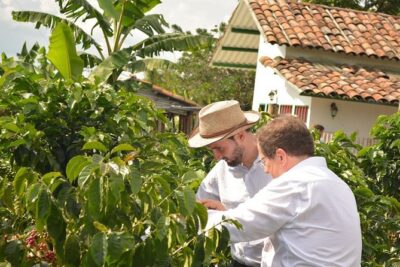
Private Cocora Valley, Salento & Coffee Farm Tour
Read our review →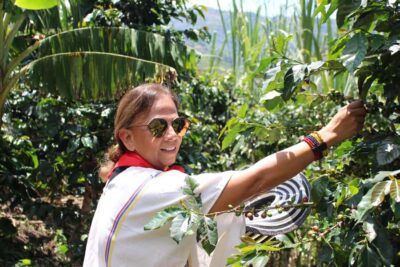
Horseback Riding Coffee Farm Tour with Coffee Spa
Read our review →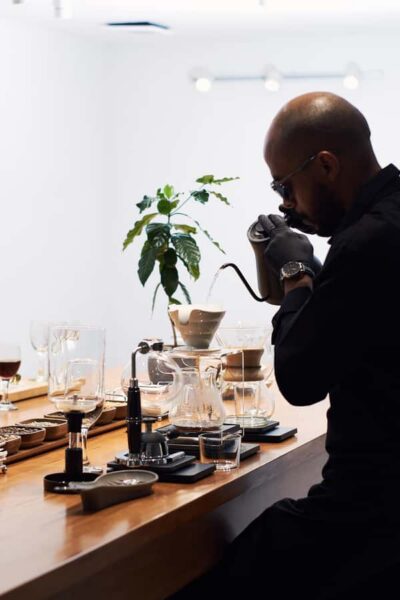
Browse the lists this tour appears in