
Reviewed · COFFEE EXPERIENCES
Cartagena: Colombian Specialty Coffee Tasting
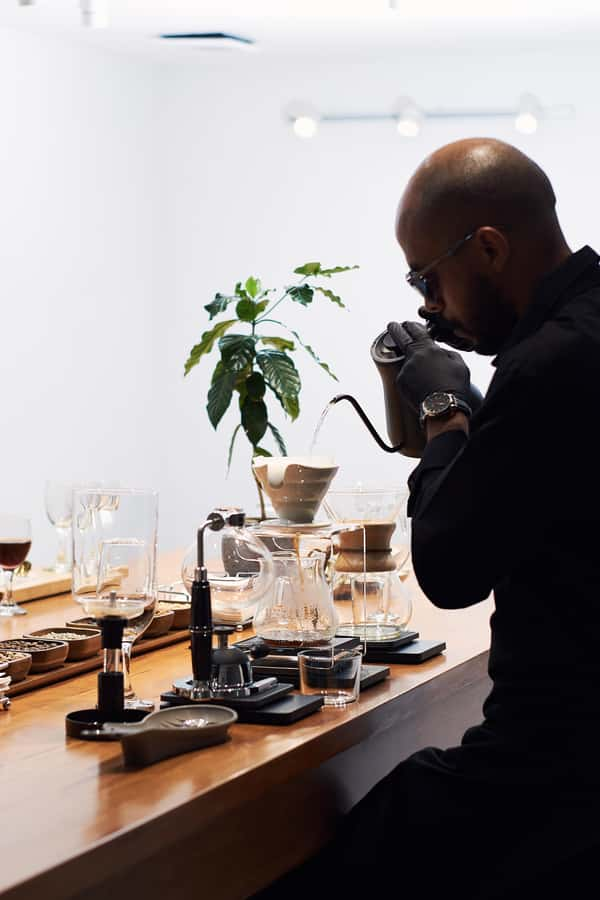
Cartagena’s best coffee lesson may happen far from the coffee-growing hills. In a purpose-built coffee center, you follow Colombian beans from plantation and processing to the final cup, then taste three coffees prepared with different methods. Chemex, V60, and Japanese siphon brewing each bring out a different side of the bean.
I like two things right away: the price is unusually fair for a two-hour guided tasting, and the session teaches you how to notice coffee instead of simply drinking it. Guides including Thomas, Santiago, Arturo, and Pedro explain the subject with real enthusiasm, while fruit, chocolate, and aroma exercises give your nose and palate something useful to do.
The main consideration is that this is partly a lecture, not a nonstop hands-on workshop. One person found the address confusing and another felt the session ran a little long, so confirm directions and arrive ready to listen as well as taste.
Key points at a glance
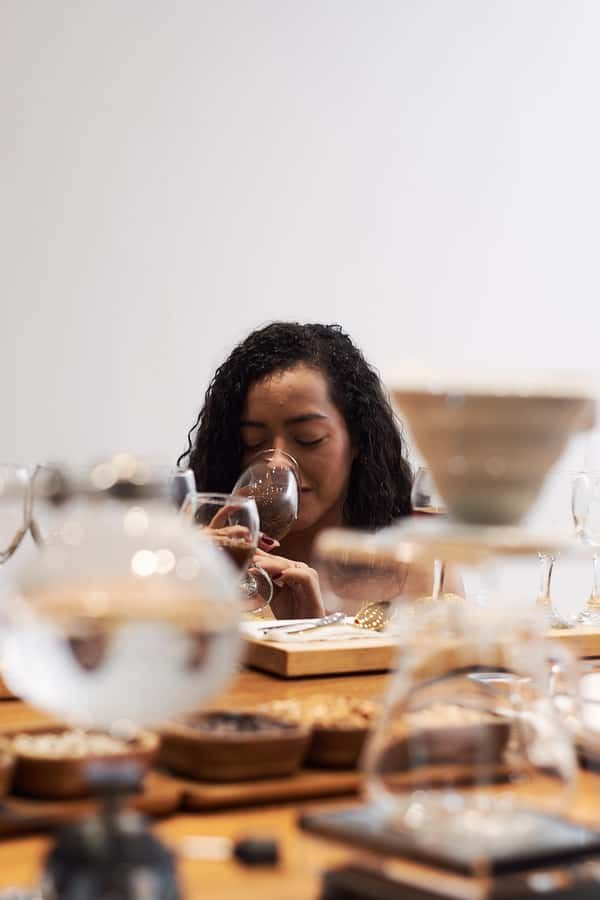
- Three brewing methods: Compare Chemex, V60, and Hario TCA-5 siphon coffee, each chosen to show a different flavor and texture.
- From bean to cup: Learn about Colombian growing, harvesting, processing, roasting, and preparation in a classroom setting.
- Sensory practice: Smell coffee through a coffee nose exercise, then use fresh fruit, dehydrated fruit, and chocolate to build tasting vocabulary.
- Strong English and Spanish instruction: Guides such as Thomas, Santiago, Arturo, and Pedro have led sessions in both languages.
- A polished indoor setting: The coffee experience center is clean, air-conditioned, and designed specifically for this activity.
- Good value at $15: You receive three coffee tastings, guided instruction, sensory activities, and a participation diploma.
Why this Cartagena coffee class is worth your time
Cartagena is famous for its colonial streets, Caribbean food, and late-night energy. Coffee gives you a quieter way to understand Colombia. This experience explains why coffee matters here without sending you out of the city for a full plantation visit.
I like the basic idea: you do not just receive a cup and a tasting note. You learn what happens before brewing. The session covers Colombian coffee cultivation, the plantation setting, harvesting, processing, and the changes that take place before the beans reach a café.
That context matters. A coffee’s flavor is shaped by much more than the roast or the barista. Processing choices, growing conditions, preparation, and water contact all affect what reaches your mouth. The class gives you a simple framework for noticing those differences.
The instructors also make the subject accessible to people who normally add milk and sugar. If you already know your V60 from your Chemex, you will have plenty to discuss. If coffee usually feels like a functional morning drink, the sensory exercises give you a friendly introduction without requiring specialist vocabulary.
More Coffee Tours in Cartagena
- Cartagena Coffee Masters
★ 4.5 · 40 reviews - Cartagena Highlights: San Felipe, Popa & Coffee Experience
★ 4.5 · 39 reviews - Specialty Coffee Workshops in Cartagena
★ 5.0 · 34 reviews
Starting with Colombia’s coffee story
The first part takes place in a classroom-style setting. Your guide introduces the history of coffee in Colombia and explains how coffee moves from the plant to the cup.
Expect a teaching session rather than a walk through an actual farm. You will learn about coffee growing, harvesting, processing, and the parchment bean, but this activity does not replace a visit to a plantation in the coffee region.
That distinction helps you choose wisely. If you want mountain views, farm labor, and a look at coffee plants outdoors, book a separate rural coffee tour. If you want a clear explanation of the full process in Cartagena, this class is a practical choice.
The guides bring plenty of personality to the lesson. Thomas is frequently praised for explaining the subject clearly and keeping the mood warm. Santiago has a lively style and makes room for questions. Arturo and Pedro have also led sessions, with Pedro giving especially detailed explanations of brewing techniques.
Instruction may be in English or Spanish. A bilingual session can be arranged in the flow of the class, though the exact guide depends on the date.
Training your nose before drinking
One of the more useful parts is the olfactory exercise. Instead of rushing to taste coffee, you first work with aroma through a coffee nose activity.
That sounds simple, but smell does much of the work in tasting. The exercise helps you pay attention to floral, sweet, fruity, and roasted notes before the coffee reaches your tongue. You are not expected to identify every aroma perfectly. The point is to notice more than bitterness or strength.
The class also uses fresh fruits, dehydrated fruits, and chocolate. These items provide familiar reference points. If a coffee has a fruit-like quality, you can compare that sensation with something you already recognize instead of trying to understand an abstract tasting note.
I find this especially useful for beginners. Tasting language can sound pretentious when it floats free of real examples. Here, the fruit and chocolate help turn the vocabulary into something concrete.
You also learn to think about body. That means the weight and texture of coffee in your mouth, not simply its flavor. One cup may feel light and clean, while another feels rounder and smoother. The class shows you how to identify which style you prefer.
Three coffees, three brewing methods
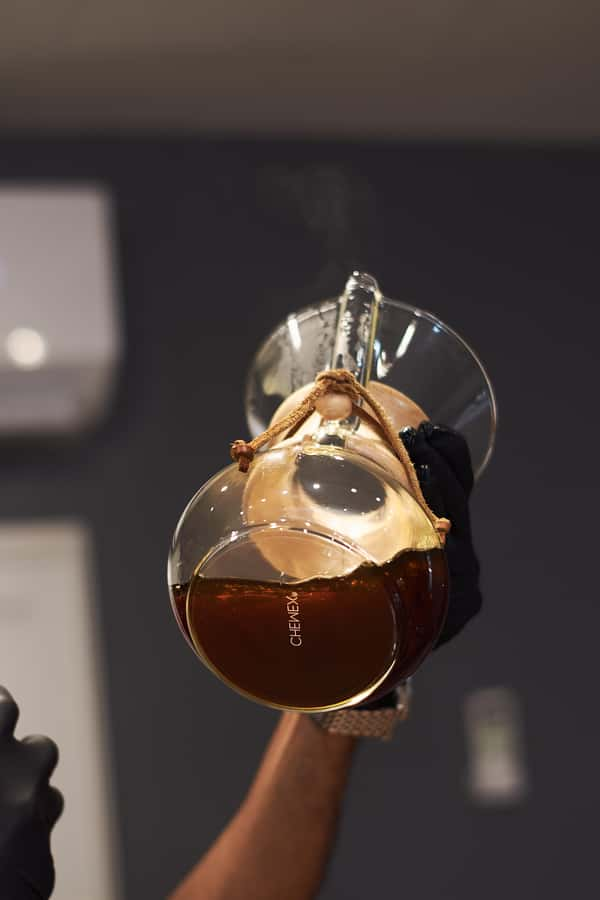
The heart of the experience is the tasting of three Colombian specialty coffees. Each one is prepared with a different extraction method, so you can compare both the beans and the brewing style.
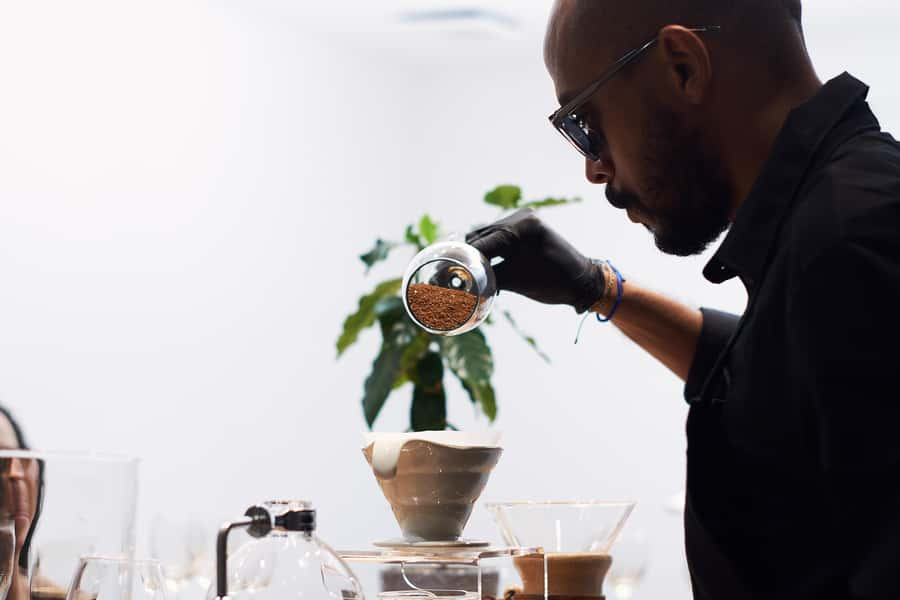
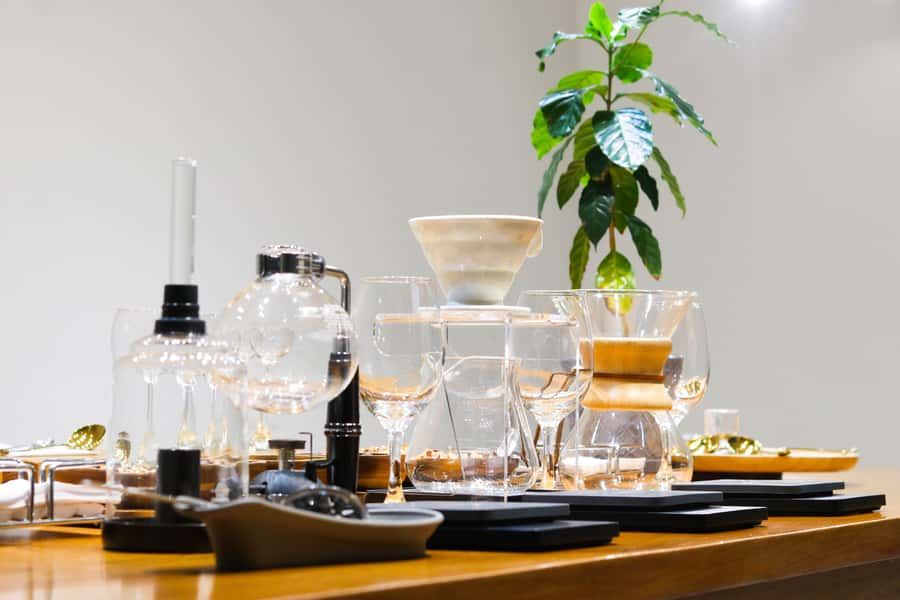
The Chemex is used to highlight fruity and complex notes. Its paper filter produces a clean cup, allowing delicate flavors to come forward. If you enjoy floral or fruit-like coffee, this may be the preparation that catches your attention first.
The V60 brings brightness and body. This method gives the guide room to explain how extraction changes the balance of a cup. You may notice a sharper, more lively character compared with the Chemex.
The Hario TCA-5 siphon produces a rounder, smoother drink, with honey aromas noted during one session. The equipment also makes this part visually interesting. It feels more theatrical than a basic pour-over, but the real value is understanding how a different extraction method changes texture and aroma.
I appreciate that the tasting is not built around a single claim that one method is best. You get three different profiles and decide what suits you. That is far more useful than being told which brewing device to buy.
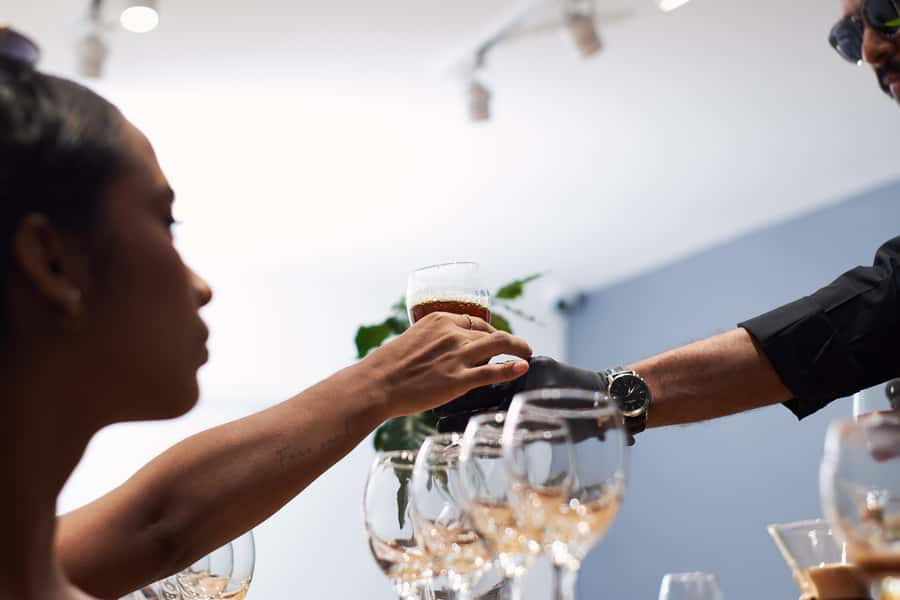
The coffees are served as a guided comparison, not just as three unrelated drinks. You are encouraged to notice aroma, acidity, sweetness, body, and finish. The guide can also explain why one cup tastes smoother while another seems brighter or more complex.
A completely different kind of day, same corner of Colombia:
- Cartagena: Historic Center and Getsemaní Shared Walking Tour
★ 4.9 · 2,716 reviews - Cartagena: Rosario Islands Catamaran with Lunch and Snorkel
★ 4.5 · 2,479 reviews - Full-Day Rosario Islands Including Barú, Bocachica & Playa Blanca
★ 4.0 · 1,729 reviews - Cartagena de Indias: 2-Hour Sunset Cruise
★ 4.7 · 1,105 reviews
What the class feels like in practice
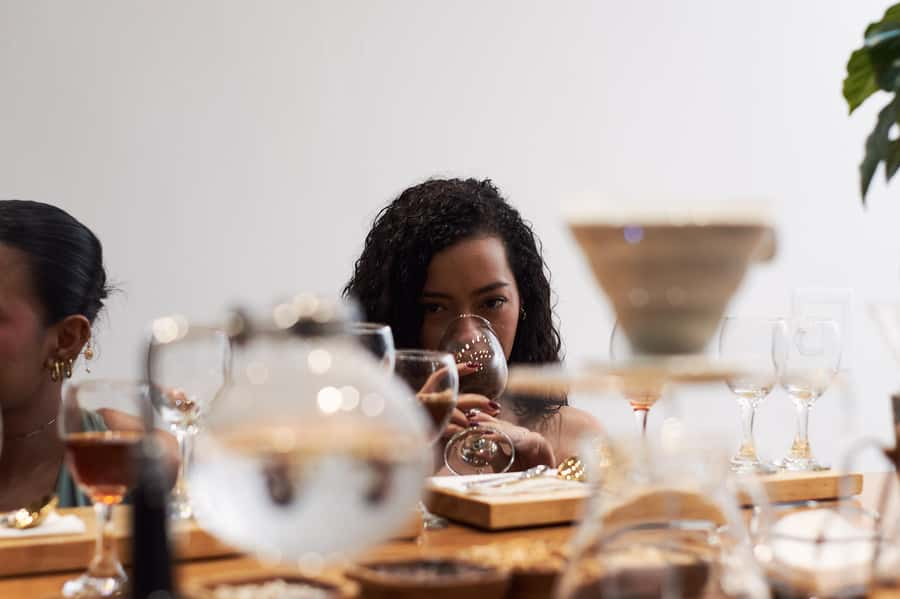
The atmosphere depends partly on the group size. Some scheduled sessions have had only one or two participants, creating a private lesson with plenty of room for questions. A small group also lets the guide adjust the pace and spend more time on your particular interests.
A larger group may feel more like a formal class. One useful point to know is that the experience can lean toward a lecture, especially when the guide is covering coffee history and processing. That is not a flaw if you want information, but it may disappoint you if you expect constant participation.
There are interactive moments. You smell different aromas, compare tasting elements, and may get a chance to try a brewing technique. One session included an opportunity to work with the Japanese siphon method. Still, the main format is listen, smell, taste, ask questions, and compare.
The venue helps. It is a dedicated coffee experience center rather than a casual table in a crowded café. The space has been described as clean, polished, and air-conditioned, a welcome feature in Cartagena’s heat and humidity.
The indoor setting also makes the activity a smart backup for a hot afternoon or a rainy spell. You get a calm two hours, and the coffee keeps the program connected to the city’s national identity.
The $15 price and what you receive
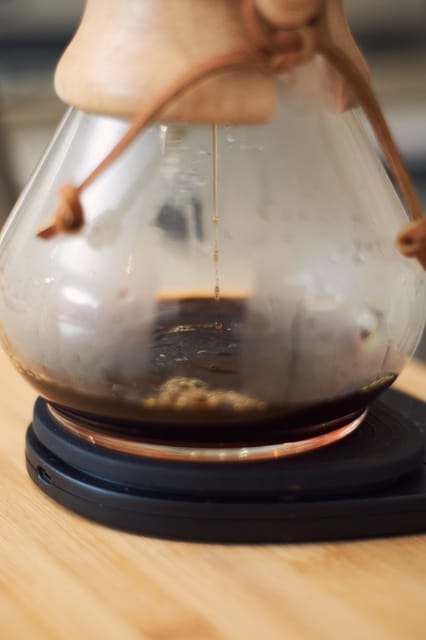
At $15 per person, this is one of the easier Cartagena activities to justify. You receive a structured two-hour lesson, three specialty coffees, sensory exercises, explanations of processing, and preparation demonstrations.
The value is strongest if you normally pay for several café drinks during a holiday. Here, your money also buys instruction. By the end, you should have a better sense of what you like and a clearer idea of why two coffees can taste so different.
You also receive a participation diploma titled Awakening of the Coffee Senses: From the Seed to the Cup. It is not a formal coffee qualification, but it makes a pleasant souvenir and marks the experience as more than an ordinary tasting.
There may be time to order other café items, though those extras are not part of the stated activity. A cold brew was specifically recommended during one session, and the café also sells croissants and drinks such as a Bailey’s frappe. Treat these as optional additions, not part of the $15 package.
One small limitation is that the session does not appear to consistently include a bag of the featured coffee beans. If you want beans to take home, ask before booking or plan to buy them separately.
Getting there and avoiding a wrong turn

The meeting point is the coffee experience center, and you only need to tell staff that you are there for the activity. The supplied directions have caused confusion for at least one participant, so I would not rely on a vague map pin alone.
A useful location clue is Café 472. One participant found that searching for Consultorio Dra. Bleidys Mendoza Sotomonte gave a more accurate destination, with the café located across from the dental office. Entering Café 472 directly into Uber was also reported to work well.
Build in a few extra minutes for finding the door. If you arrive hot from a walk or ride, the air-conditioned venue and cold water will be welcome. The center is associated with Café 472, so look for that name as well as the coffee experience center.
The activity offers free cancellation up to 24 hours before the start time, and you can reserve while paying later. Starting times vary, so check the available slot when you book.
Avoid strong fragrances. Perfume, cologne, and heavily scented products can interfere with the aroma work, which is a central part of the class.
Who should book this experience
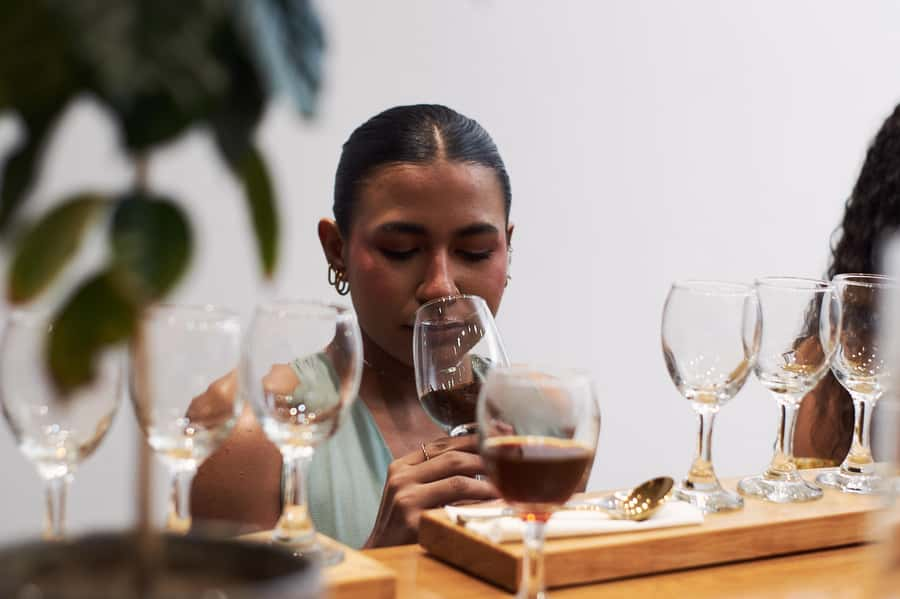
I would choose this for anyone who likes coffee and wants more than a standard café stop. It is also a good option for couples with different levels of interest. One person can be a serious coffee fan while the other simply enjoys learning how flavor works.
Beginners should feel comfortable. The guides explain the terms and use fruit, chocolate, and aroma exercises to make the tasting less intimidating. You do not need prior cupping experience.
Experienced coffee drinkers will get the most from the comparison of brewing methods. The Chemex, V60, and siphon presentation gives you a focused look at how technique affects the same broad subject.
This is less suitable if you dislike coffee, caffeine, or classroom-style instruction. It is also not the right replacement for a coffee farm visit. You will learn about plantations, but you will not be walking through one.
Plan it as a relaxed break rather than a rushed add-on. Afterward, the Manga and Getsemaní areas can provide a useful continuation of the day, with time to explore after your caffeine lesson.
Should you book the Cartagena coffee tasting?
Book it if you want a reasonably priced, air-conditioned activity that explains Colombian coffee clearly and gives you three genuinely different cups to compare. The strongest reasons are the guides’ passion, the polished venue, and the chance to connect aroma and flavor with real examples.
I would especially recommend it for first-time specialty coffee drinkers and anyone curious about Colombian culture beyond the usual sightseeing route. Just check the exact meeting point, skip strong fragrance, and expect a guided lesson with some hands-on moments rather than a fully participatory workshop.
For $15, the risk is low and the learning is useful. You may leave with a new favorite brewing method, a better palate, and a stronger reason to take your next cup of Colombian coffee slowly.
FAQ
How long does the Colombian coffee tasting last?
The stated duration is two hours. Some sessions may feel slightly longer if the guide spends extra time answering questions or explaining the coffee process.
How much does the experience cost?
The price is $15 per person.
Which coffee brewing methods are included?
The tasting includes three methods: Chemex, V60, and Hario TCA-5 siphon brewing.
Is the activity available in English?
Yes. Instruction is available in English and Spanish.
Where does the coffee tasting take place?
It takes place at a coffee experience center associated with Café 472 in Cartagena. Searching for Café 472 or Consultorio Dra. Bleidys Mendoza Sotomonte may help you find the location accurately.
What should I avoid before attending?
Do not wear strong fragrances. Perfume and cologne can affect the aroma exercises used during the tasting.
More Food & Drink in Cartagena
- Cartagena: Guided Street Food Tour with Tastings
★ 4.9 · 833 reviews - Cartagena: Boutique Rum and Chocolate Tasting at Lunático
★ 4.9 · 121 reviews - Rum & Rhythms a premium rum tasting with live music
★ 5.0 · 46 reviews - Private Cartagena city and street food tour.
★ 5.0 · 31 reviews
Just added around Cartagena
- White Night Boat Party: Dinner Buffet, Dancing and Open Bar★ 4.6 · 3 reviews
- Exotic Yacht – Tour through the bay of Cartagena★ 3.7 · 4 reviews
- Volcan del Totumo + Playa + Piscina★ 4.7 · 4 reviews
- cartagena: Mucura and Santa Cruz Islands Tour spectacular★ 4.0 · 12 reviews
- Enjoy the totumo volcano from cartagena + snack★ 4.0 · 11 reviews
- 5 islands tour to rosario Islands with snorkeling activity!★ 4.5 · 36 reviews
- Rosario Islands Trip visiting Cholon, Playa Blanca and Snorkel★ 4.5 · 33 reviews
- Romantic Date Night in the Bay of Cartagena★ 5.0 · 47 reviews
Coffee Experiences, compared.
Coffee Tour with Transport, Snacks and Tastings
Read our review →
Medellín Coffee Farm Tour with Trolley and Cable Car Ride
Read our review →
Private Cocora Valley, Salento & Coffee Farm Tour
Read our review →
Horseback Riding Coffee Farm Tour with Coffee Spa
Read our review →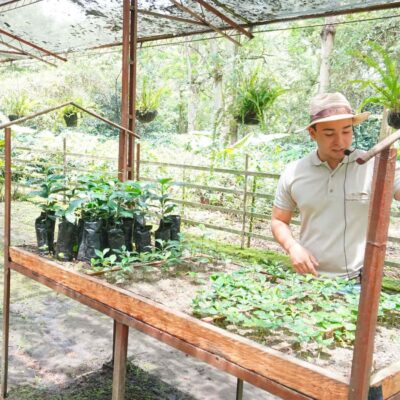
Browse the lists this tour appears in