
Reviewed · COFFEE EXPERIENCES
Coffee Tour Salento-Ocaso Farm- English Tour
The best part of this English-language coffee tour is that it follows the bean from plant to cup. You walk among the coffee trees, try harvesting and sowing, see the machines that remove and dry the fruit, then finish with traditional coffee prepared in a cloth filter and pot. Guides Nicolas and Johnathan have been singled out for clear English, humor, and patient answers.
I like the farm’s hands-on approach and its clear attention to sustainable production. I also like the low price: $14 buys a proper farm visit rather than a quick tasting at a café. The main catch is getting there. Finca El Ocaso lies 4 km from Salento on a partly unpaved tertiary road, and your Willys Jeep or taxi ride is not included.
Key points at a glance
- Coffee from cherry to cup: Follow planting, harvesting, pulping, drying, storage, threshing, roasting, and brewing.
- Real farm setting: Walk through gardens and plantations instead of learning only from displays.
- English-speaking guides: Nicolas and Johnathan are praised for humor, strong English, and useful explanations.
- Sustainability in practice: See the composting and fertilization station, plus learn about local fauna and flora.
- Traditional final brew: The tour ends with coffee made in a cloth strainer and pot.
- Easy add-on from Salento: A Willys Jeep can take you from the town square, but transport costs extra.
Why this farm visit is worth your time
Coffee is everywhere in Colombia, but the finished drink can hide a lot of work. At Finca El Ocaso, you get to see the chain in order, which makes your morning cup more interesting. The farm visit explains what happens before coffee reaches a roaster, a café, or your kitchen.
This is also a good choice if you want an activity that feels connected to the countryside around Salento. The farm is not presented as a polished city attraction. You walk through coffee plants, visit working areas, and see the practical decisions that affect the final flavor.
At $14 per person, the value is strong. The 90-minute visit includes an English-speaking guide and covers much more than a simple sample of coffee. You still pay for transportation, food, and any other drinks, but the admission itself is modest for the amount of ground covered.
The score of 4.6 from 88 ratings fits the experience described here: a short, well-organized farm visit with an engaging guide and a tasting at the end. It is not a full-day plantation stay or a slow food workshop. Think of it as a focused introduction to Colombian coffee production.
More Coffee Tours in Salento
- Coffee Tour at the Finca del Café
★ 5.0 · 213 reviews - Salento: Private Cocora Valley, Salento & Coffee Farm Tour
★ 4.9 · 202 reviews - Coffee Tour at Finca El Ocaso Salento: Traditional Spanish Farm
★ 4.8 · 89 reviews
Reaching Finca El Ocaso from Salento
The farm is about 4 km from Salento. You can take a Willys Jeep from the square, a practical local option that adds a little adventure before the tour begins. The ride is not included in the $14 price, so bring extra Colombian pesos and allow time to arrange the trip.
The road is tertiary and not completely paved. That matters if you expect a smooth, quick transfer or plan to arrive in formal clothes. Wear shoes that can handle an uneven farm path, and bring insect repellent as requested by the farm.
A normal taxi can also reach the property, according to the practical information available for the tour. The return Jeep has been reported at about 4,000 Colombian pesos per person, though transport prices can change. Confirm the current fare at the square before setting out.
The tour begins and ends at the farm. There is no hotel pickup listed, and no transportation is built into the booking. Check the available starting times before you reserve, then leave enough room for the road from Salento.
Coffee trees, gardens, and the first harvest
Your guide starts with the story of coffee and the main species grown in the region. You then learn how a coffee tree is planted and how it grows before moving through the farm’s gardens and plantations.
This section gives useful context to the rest of the visit. Once you understand where the fruit develops and what the trees need, the later work in the processing plant makes more sense. You are not simply looking at a machine. You can connect it to the fruit you have just seen growing.
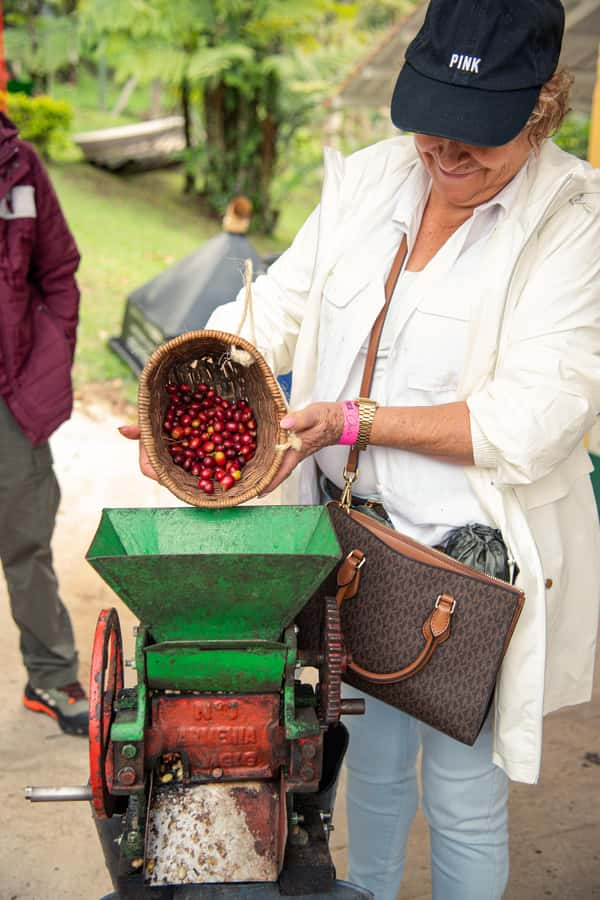
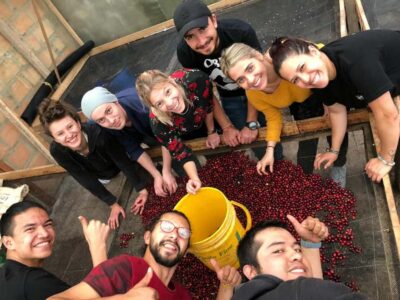
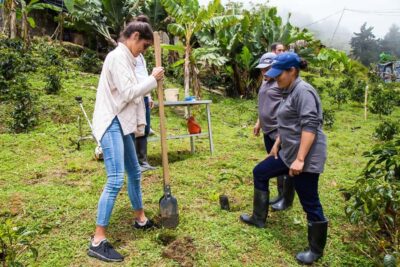
The tour includes harvesting and sowing, so you get a chance to take part rather than only watch. Picking coffee cherries sounds simple until you consider the care needed in a plantation. The activity gives you a small taste of the work done by a Colombian harvester without pretending that 90 minutes equals a farm worker’s full day.
The setting is one of the tour’s strong points. The plantation and surrounding scenery give you a clear sense of place, while the gardens add another layer beyond rows of coffee trees. Bring insect repellent, especially if you are not used to rural tropical conditions.
Composting and sustainability on the farm
Finca El Ocaso has certifications in sustainable production, and the tour explains what that means through its composting and crop fertilization station. This is a useful stop because it links environmental claims to visible farm practices.
You learn how organic material can support the crop and how fertilization fits into the growing cycle. The guide also discusses sustainability, local fauna, and flora. That makes the visit broader than a production lesson, while still keeping coffee at the center.
I especially like this part for anyone curious about how a small traditional farm operates. You get a better idea of the work behind a responsible crop, including the care required outside the harvest season. The explanation may be brief because the full tour lasts only 90 minutes, but it gives you questions to consider when you buy coffee later.
The farm describes itself as traditional, not as an industrial factory. That distinction is important. You come for a close look at agricultural work and small-scale processing, not a large commercial facility with a long technical presentation.
A completely different kind of day, same corner of Colombia:
- From Salento: Cocora Valley Shared Tour
★ 4.8 · 246 reviews - Salento, Cocora and Filandia Private Tour from Pereira or Armenia
★ 5.0 · 90 reviews - Salento/Pereira: Cocora Valley & Salento Hiking Private Tour
★ 4.8 · 78 reviews - Cocora Valley and Salento Hike Tour
★ 5.0 · 76 reviews
Inside the processing plant
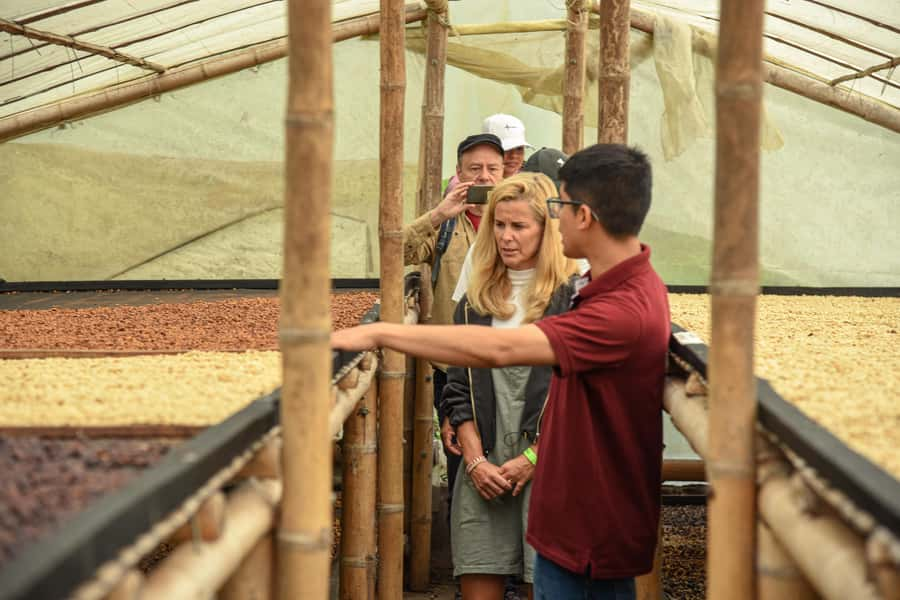
The processing plant gives the tour its clearest sequence. You see the hopper, pulper, mechanical drying equipment, and traditional drying methods. Each stage changes the coffee fruit in a different way, and seeing the steps in order makes the process easier to remember.
The hopper receives the harvested coffee. The pulper removes the outer fruit, while drying prepares the beans for storage. Mechanical drying shows the practical side of maintaining production, and traditional drying gives you a comparison with slower methods.
This is the point where the tour shifts from agriculture to food production. The coffee cherry you handled earlier is no longer just fruit on a tree. It is becoming the dry coffee bean that can be stored, traded, roasted, and brewed.
You also visit the storage warehouse, threshing area, and the part of the operation connected with marketing. Those stops help fill in the gap between farm and buyer. Coffee does not go straight from a tree to a cup. It must be prepared, kept in good condition, and sold through a chain that affects its quality and price.
If you are already a serious coffee enthusiast, you may find the overview less technical than a specialist workshop. For most people, that is a fair trade. The tour keeps moving and gives you a working picture of the entire process without turning the visit into a lecture.
Roasting and the final cup
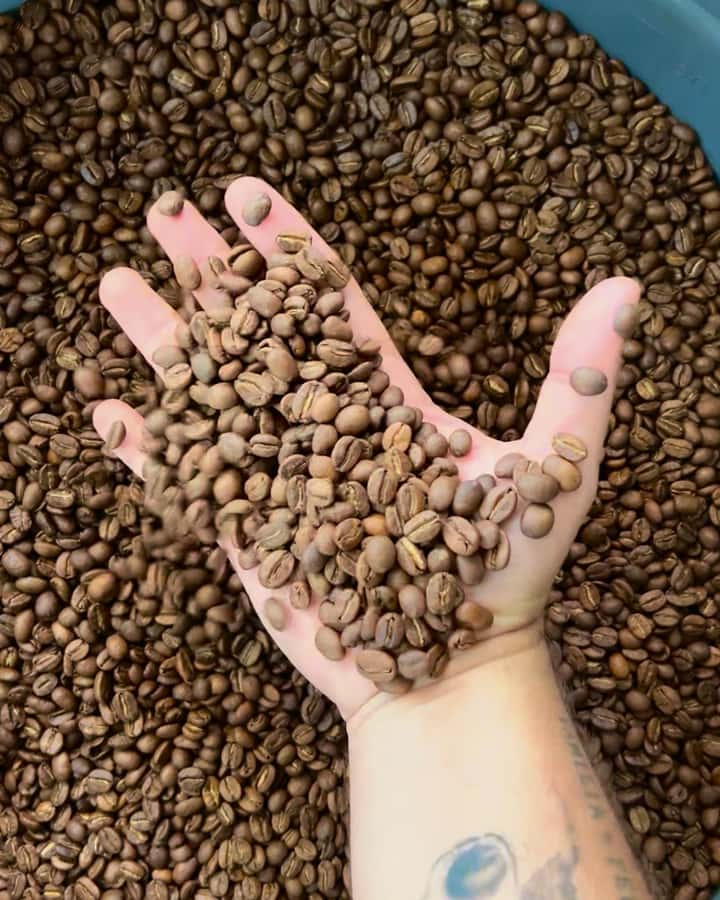
The final portion covers types of roasting and why roast level matters to coffee quality. This is a valuable bridge between farm work and tasting because roasting can change the character of the beans just as much as growing and processing can.
You also learn the basics of correct coffee extraction. That means the farm does not stop at explaining what it produces. It shows how preparation affects the drink you taste. Even a good bean can make a poor cup if the extraction is handled badly.
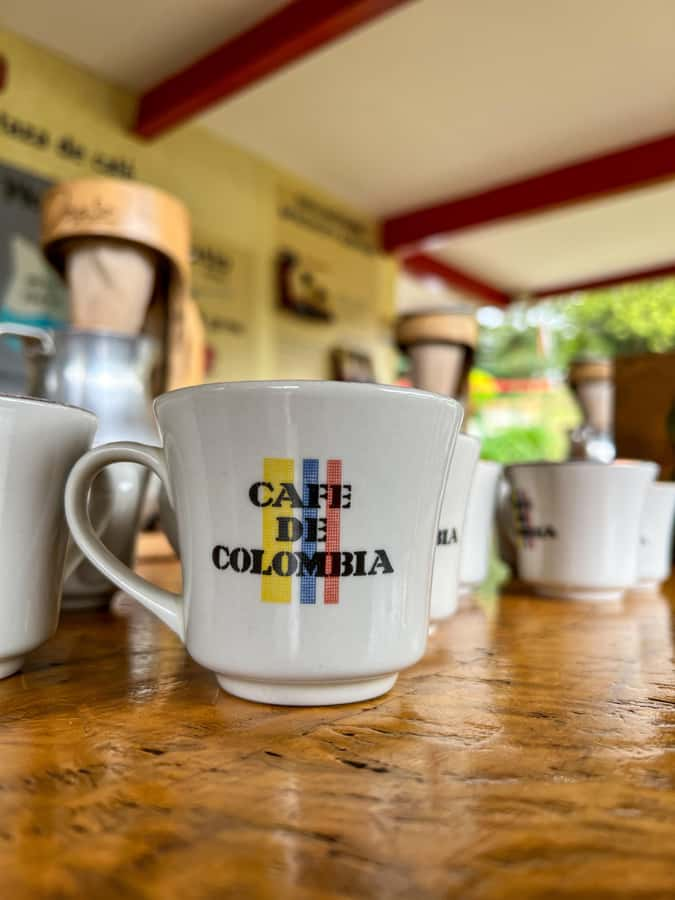
The traditional preparation uses a cloth strainer and pot. It is a simple method, but that is part of its appeal. You get to see a familiar Colombian technique rather than only tasting coffee made with modern café equipment.
The tasting is one of the tour’s most enjoyable payoffs. It also gives the earlier explanations a purpose. After seeing the plantation, pulper, dryers, and storage areas, you can taste the result with a clearer idea of what went into it.
The tour information does not promise a full meal, and food and drinks beyond what is part of the activity are not included. If you need breakfast or lunch, arrange that separately. The farm’s Coffee House is open to the public, so it may be useful to check what is available there, but do not assume it is included in the ticket.
The English guides make a difference
A good farm tour depends heavily on the person leading it. Nicolas has been praised for funny, clear English, though you may find that he sometimes speaks a little fast. Johnathan is also noted for excellent English, humor, and willingness to answer questions.
That detail matters because coffee production has plenty of new terms. A guide who can explain the difference between harvesting, pulping, drying, threshing, roasting, and extraction makes the 90 minutes far more useful.
If your English is still developing, tell the guide early and ask for a slower pace when needed. The tour covers a lot in a short period, and the lively delivery that makes it fun can occasionally move quickly.
The guide also shapes how much you get from the hands-on parts. Ask questions during the plantation walk, at the compost station, and in the processing plant rather than saving everything for the end. You will have a better chance of connecting each answer to what you are seeing.
Who should book this coffee tour?
I would recommend it to first-time coffee-farm visitors, couples, families with older children, and anyone staying in Salento who wants a countryside activity without committing to a full day. It is short enough to fit around other plans, but detailed enough to teach you the basic production cycle.
It suits people who want an active visit. You walk through gardens and plantations, harvest and sow, and move between farm stations. This is not a seated tasting with a brief plantation view.
It also suits anyone who values a traditional farm and sustainability. The composting station, certified production practices, and discussion of local wildlife and plant life add substance to the visit.
You may want a different experience if your main goal is advanced coffee science, a long professional cupping, or a full meal at the farm. The tour gives a broad introduction, not a specialist certification course. The 90-minute limit keeps it accessible, but it also means some explanations will be concise.
Practical advice before you go
Wear comfortable clothing and shoes suitable for a partly unpaved rural property. Insect repellent is specifically recommended, and it is a sensible item for a plantation visit.
Bring money for the Willys Jeep or taxi. Since transport is separate, do not arrive at the Salento square assuming the $14 ticket covers the road to the farm.
Avoid alcohol and drugs, which are not allowed. Check the starting time when booking, because the tour operates at set times based on availability.
The activity offers free cancellation up to 24 hours before the start for a full refund. You can also reserve now and pay later, which helps if your Salento plans may shift. Those policies are useful, but the main practical issue remains transport and the condition of the road.
Should you book Finca El Ocaso?
Book this tour if you want a friendly, hands-on introduction to Colombian coffee at a sensible price. The strongest reasons are the full bean-to-cup route, the traditional brewing method, the sustainable farming discussion, and English guides such as Nicolas and Johnathan who keep the explanations lively.
Skip it if you want a long, highly technical coffee course or dislike rural roads and outdoor walking. For everyone else, Finca El Ocaso offers a useful 90-minute look at the work behind one of Colombia’s best-known products, with enough tasting and participation to make the lesson stick.
FAQ
Where is the coffee tour located?
Finca El Ocaso is in Tolima, about 4 km from Salento. The road is tertiary and not completely paved.
How do I get to the farm from Salento?
You can take a Willys Jeep from the square in Salento. A normal taxi can also reach the farm. Transportation is not included in the activity price.
How long does the tour last?
The guided tour lasts about 1.5 hours. Starting times depend on availability.
Is the tour conducted in English?
Yes. The activity includes a live English-speaking guide. Nicolas and Johnathan are among the guides associated with the experience.
What will I see during the tour?
You will visit coffee gardens and plantations, learn about planting and growth, take part in harvesting and sowing, and see composting, fertilization, pulping, drying, storage, threshing, and marketing.
Is coffee tasting included?
The tour includes an explanation of coffee roasting, extraction, and traditional preparation with a cloth strainer and pot. Food and drinks are not otherwise included.
What should I bring?
Bring insect repellent. Comfortable clothing and shoes are also sensible for walking around the farm, though only insect repellent is specifically listed as something to bring.
Just added around Salento
- Howler Monkey Tour On The Barba Reserve – Bremen Of Philandia★ 5.0 · 48 reviews
- Coffee Tour.★ 5.0 · 33 reviews
- Full Day Climbing The Cocora Valley with Lunch★ 5.0 · 29 reviews
- Cocora Valley Tour and Coffee Farms★ 4.5 · 40 reviews
- Explore the Coffee Process_From Tree to Cup & Fun by Jeep★ 5.0 · 28 reviews
- Salento, Cocora+Filand PREMIUM PLAN. exit: Pereira/Armenia.★ 5.0 · 47 reviews
- One way transfer from Pereira to Salento AND/OR Salento to Pereira★ 5.0 · 31 reviews
- Salento and Cócora Tour plus Coffee Farm from Pereira or Armenia★ 5.0 · 40 reviews
Coffee Experiences, compared.
Coffee Tour with Transport, Snacks and Tastings
Read our review →
Medellín Coffee Farm Tour with Trolley and Cable Car Ride
Read our review →
Private Cocora Valley, Salento & Coffee Farm Tour
Read our review →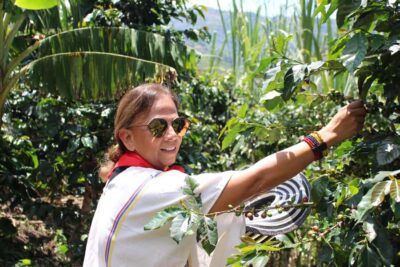
Horseback Riding Coffee Farm Tour with Coffee Spa
Read our review →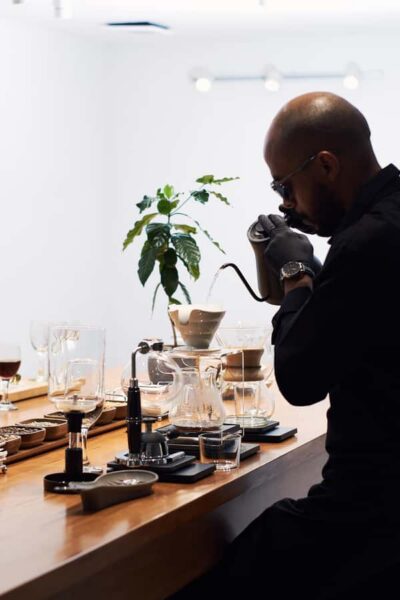
Browse the lists this tour appears in