
Reviewed · PABLO ESCOBAR TOURS
From Medellín: Private Pablo Escobar History Tour
Medellín’s Pablo Escobar story is best understood on the streets where it happened, not through a TV drama. This private tour visits Parque de la Memoria, Barrio Pablo Escobar, his grave, and the battered house where he was killed. It also puts the drug lord’s crimes beside the city’s long fight to recover.
I like the private format, since you can ask direct questions and spend more time on the parts that matter to you. I also like the optional Comuna 13 visit, which adds a needed story of art, community, and change. The main drawback is that the core tour lasts only four hours, so the historical treatment may feel brief if you want museums, documents, or a wider study of the tragedy.
Key points to know
- The tour begins in El Poblado: You start at the former Monaco building site, now Parque de la Memoria.
- You visit the house where Escobar died: The building remains in a dilapidated state, giving the story a stark physical setting.
- Barrio Pablo Escobar adds complexity: The neighborhood was founded by Escobar to provide free homes, but the gesture cannot be separated from his violence and power.
- Local guides shape the experience: Guides including Manuel, Jhon, Carlos Andres, and Andres have been praised for clear explanations and personal local perspective.
- Comuna 13 is optional: Add Medellín’s large open-air graffiti gallery if you want to connect the city’s dark past with its later recovery.
- Pickup is limited to central Medellín: If your hotel sits outside the central pickup area, you receive a nearby meeting point instead.
Why this tour needs a careful approach
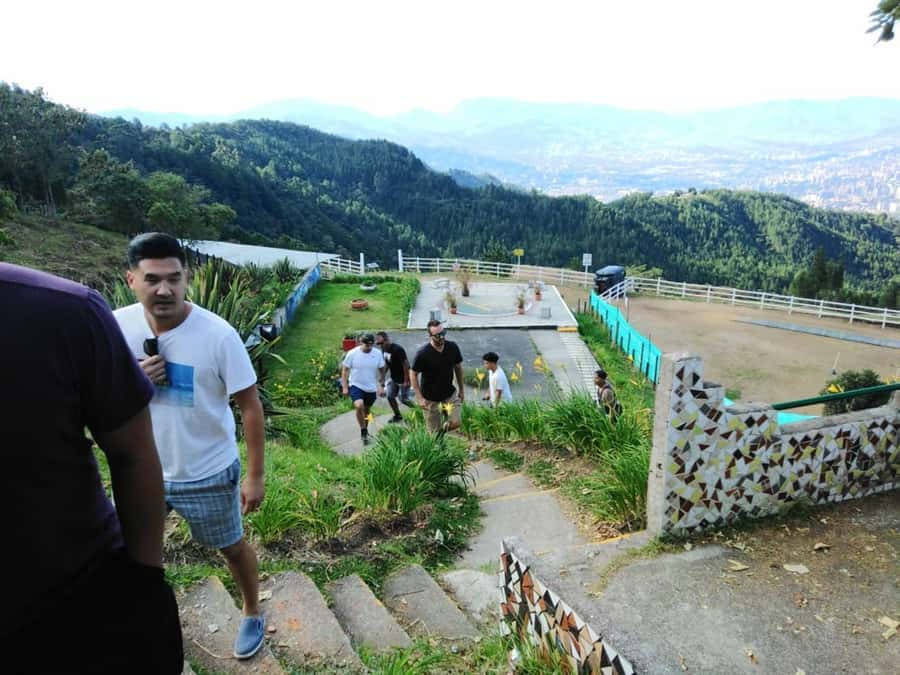
Pablo Escobar attracts attention because his story is dramatic. The danger is that the drama can turn a brutal period into entertainment. I like that this experience is built around the damage Medellín suffered and the effort required to overcome it, rather than treating Escobar as a folk hero.
You visit places tied to his power, but the point is not to admire his wealth or criminal success. The tour presents the killings, fear, poverty, and political violence that shaped the city. That distinction matters, especially if you have seen television portrayals that give Escobar an oversized, glamorous role.
This is a private group experience, so you do not have to follow a large crowd or wait for strangers to finish taking photographs. For a subject that raises sensitive questions, a private setting can make it easier to ask about local memory, Escobar’s charitable image, and the human cost behind it.
More Historical Tours in Medellin
- Medellín: History & Local Life Essentials Tour on an E-Bike
★ 4.9 · 130 reviews - Medellin Historic Walking Tour
★ 4.9 · 86 reviews - Pablo Escobar Historic Tour and Cable car
★ 5.0 · 38 reviews
Starting in El Poblado at Parque de la Memoria
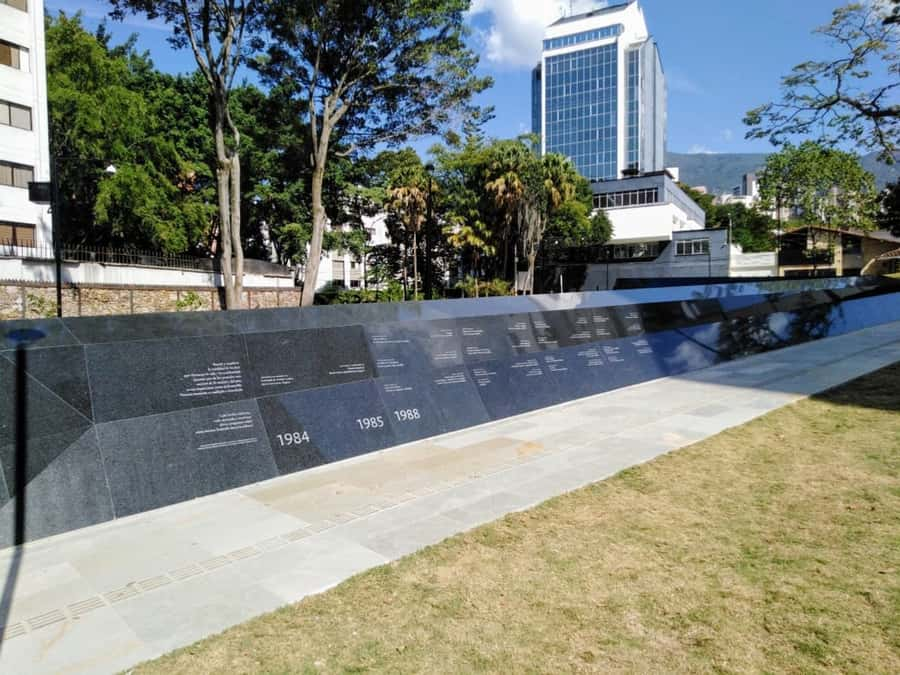
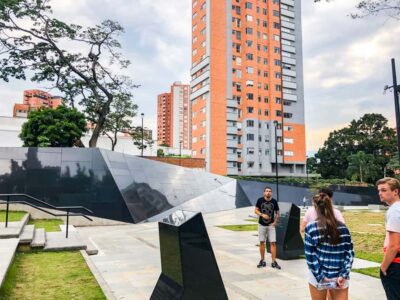
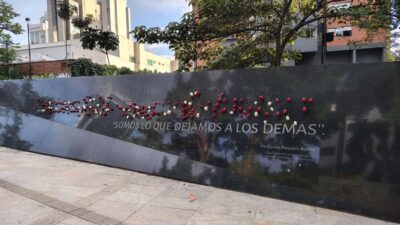
The first stop is in El Poblado, one of Medellín’s best-known areas. The tour visits the former site of the Monaco building, which was demolished on February 22, 2019. In its place is Parque de la Memoria, a renewed public area intended to deal with the site through art and culture.
This is a useful opening because the location once carried a strong association with Escobar and the drug trade. The new space tries to change that meaning. Instead of preserving a symbol of criminal power, Medellín is using the area to examine what happened and reclaim part of its public identity.
I would pay close attention here to the guide’s explanation of how the city wants to be remembered. The stop is less about a dramatic ruin and more about the choice to replace it. That makes it an important piece of the tour’s larger argument: Medellín is not defined only by its worst years.
The park may feel less visually gripping than the later stops. If you want a room full of artifacts, weapons, or personal objects, this is not that kind of visit. It is a place for context and reflection, and its value depends heavily on the guide’s explanation.
Barrio Pablo Escobar and the problem of simple heroes
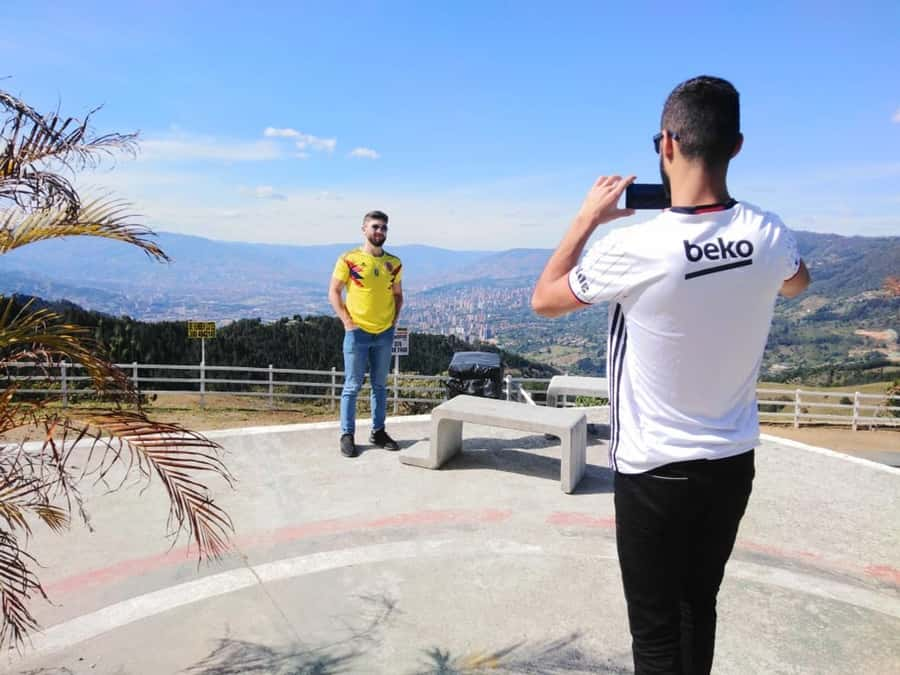
Next, you visit Barrio Pablo Escobar, a neighborhood founded by Escobar to provide free homes for homeless people and some of Medellín’s poorest residents. That fact is central to understanding why some people remember him with gratitude, even while others remember murder, intimidation, and terror.
This is where the story becomes uncomfortable in a useful way. A criminal can provide housing and still cause enormous harm. A neighborhood can benefit from a donation and still be part of a campaign to win loyalty and protect power. I appreciate tours that let you hold both facts at once instead of forcing an easy verdict.
Your guide can help explain how Escobar used generosity as part of his public image. The neighborhood is not simply a monument to kindness, nor is it only a backdrop for crime. It reflects the poverty, weak public services, and inequality that allowed a powerful trafficker to pose as a provider.
Because this is a lived-in neighborhood, you should treat it as a real residential area, not a movie set. Listen carefully, avoid intrusive photographs, and follow the guide’s lead. The stop is valuable when you see people and place before spectacle.
Escobar’s grave and the house where he died
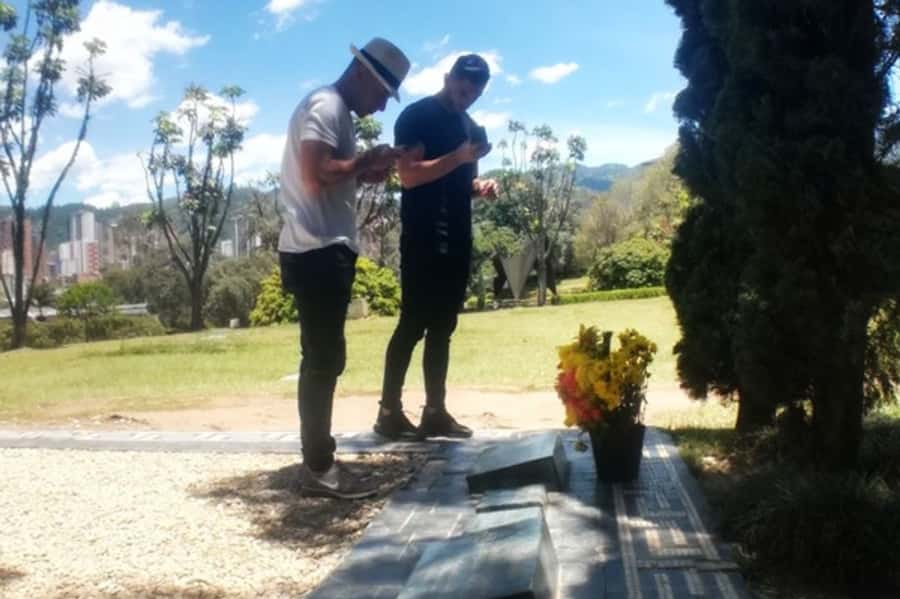
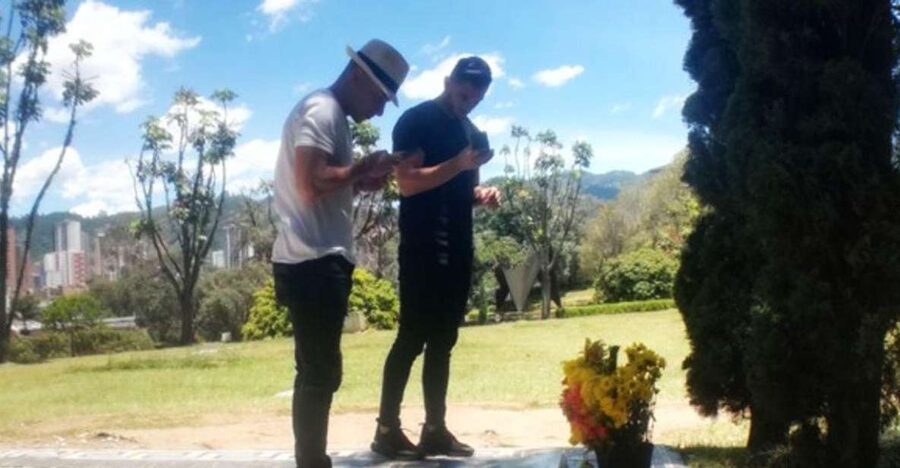
The tour also visits Escobar’s grave and the house where he died in western Medellín. The house is described as being in a dilapidated state, which gives this part of the route a plain, unpolished feel.
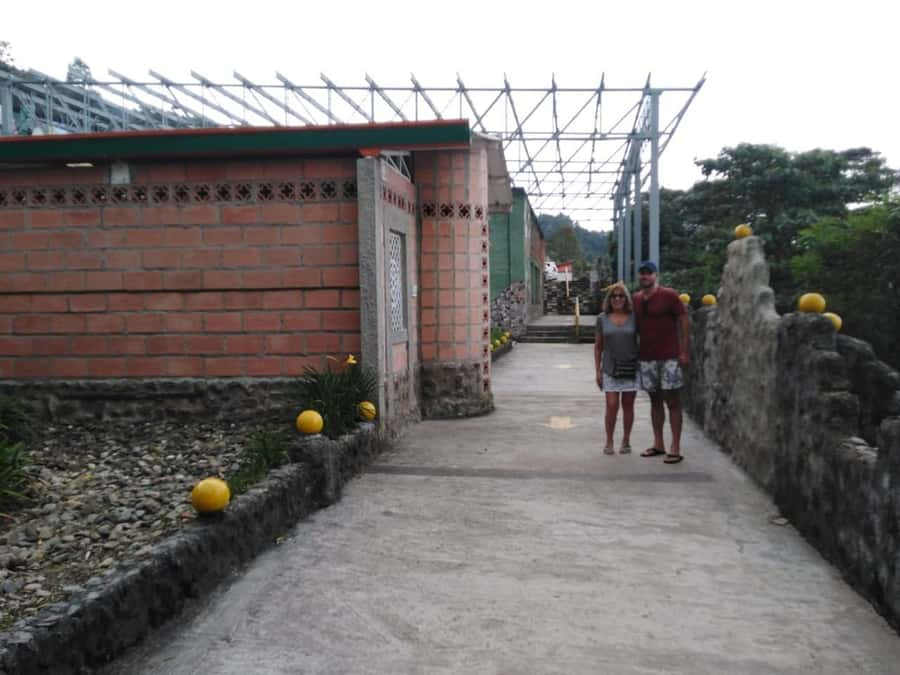
I find the contrast important. Escobar spent years building an image of control, wealth, and protection. The damaged house offers no grand final monument. It is a physical reminder that the story ended in violence and collapse, not in the polished legend that popular culture sometimes creates.
At the grave, you are likely to confront the split between public fascination and private grief. The visit is not a celebration. It is a chance to place a name, a death, and a criminal career within the city that carried the burden.
The tour does not list a museum stop as part of the standard four-hour route. That is the clearest limitation for visitors who want exhibits, archival material, or a more formal presentation. Linda’s feedback points to this gap: the experience could offer more museum material or objects connected to the tragedy. If that is your priority, ask before booking what can be added or explained during your time.
More Private Tours in Medellin
- Medellín: Private City Tour with Metrocable and Comuna 13
★ 4.9 · 330 reviews - Medellín: Private Guatapé with Peñol Tickets and Boat Ride
★ 4.9 · 256 reviews - Medellín: Private Pablo Escobar and Comuna 13 Tour
★ 4.9 · 233 reviews - Medellín: Private Pablo Escobar Tour with Cable Car Ride
★ 4.8 · 228 reviews
Adding Comuna 13 for a wider Medellín story
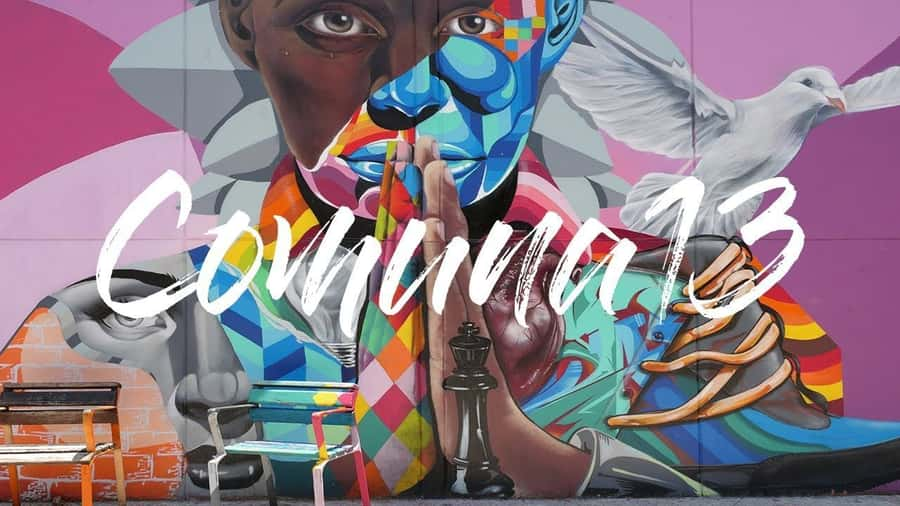
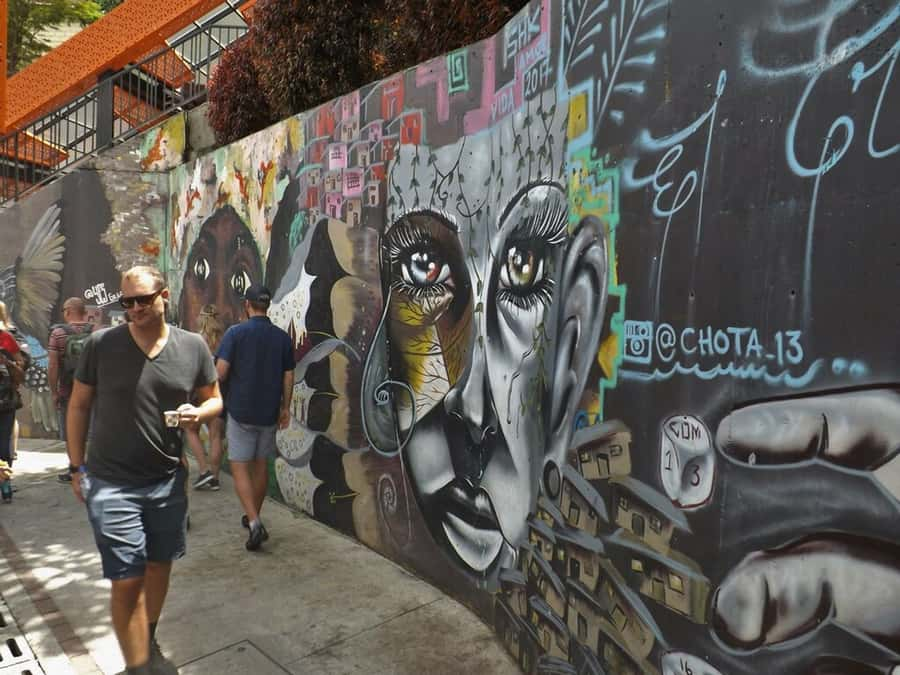
You can choose to include Comuna 13, an area known for its graffiti and described as the largest open-air gallery in Latin America. This is not just a bonus photo stop. It changes the shape of the day by showing Medellín after its darkest period and highlighting the city’s effort to move forward.
The contrast with Escobar’s sites is the reason to add it. The first part of the tour deals with violence, fear, and criminal power. Comuna 13 brings in public art, local identity, and resilience. You get a broader view of Medellín instead of leaving with only the image of a city trapped in its past.
The optional addition can also make the day longer. One booking review describes the combined experience as a six-hour tour, while the main activity is listed at four hours. Confirm the planned timing when you book, especially if you have an evening reservation or a flight.
Manuel received especially warm praise for his work in Comuna 13 and for knowing the area well. His local connection was described as a major reason the visit felt meaningful. That suggests an important practical point: the quality of this stop rests on the person guiding you, not just on the graffiti walls.
The guides are a major part of the value
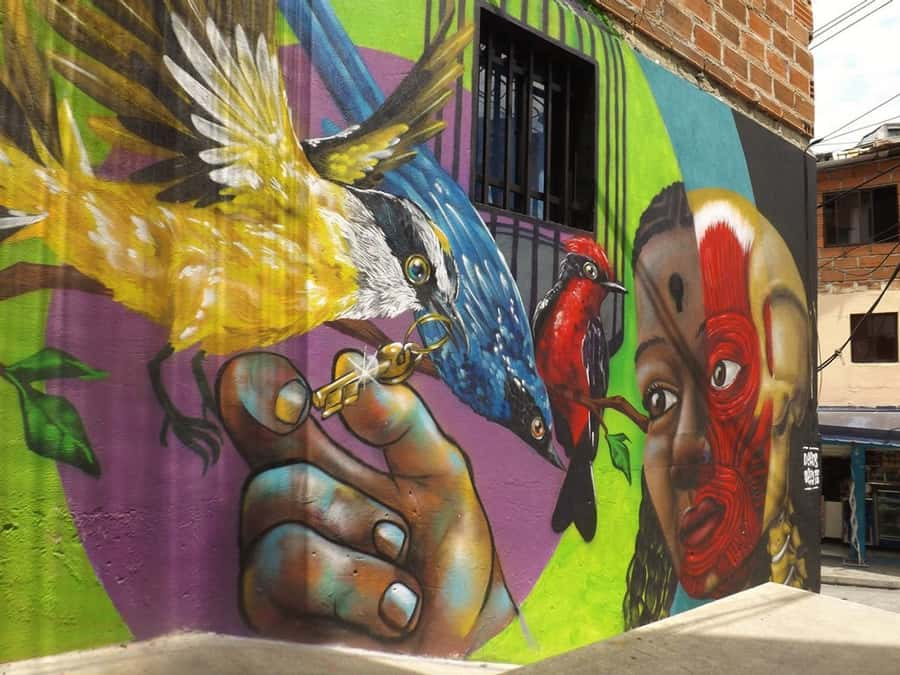
The tour is available in English or Spanish, with a live guide and a private group. Names associated with particularly strong experiences include Carlos Andres, Andres, Manuel, Jhon, and Sara.
Jhon was described as having lived through the period and adding a personal connection to the account. That kind of perspective can make a difficult subject easier to understand, though you should still remember that personal memory is one viewpoint, not a complete historical record.
Manuel was praised for local knowledge, friendliness, and for helping connect the Escobar sites with Comuna 13. Carlos Andres was singled out for his clear grasp of the subject, while Andres was praised for being both warm and well informed. I would use the private format to ask your guide how memories differ among Medellín residents and how the city’s public story has changed.
Guide quality matters more here than transport or sightseeing polish. A weak explanation could leave you with a string of addresses. A good one can connect the places to poverty, political violence, public fear, and Medellín’s recovery.
What the $63 price gives you
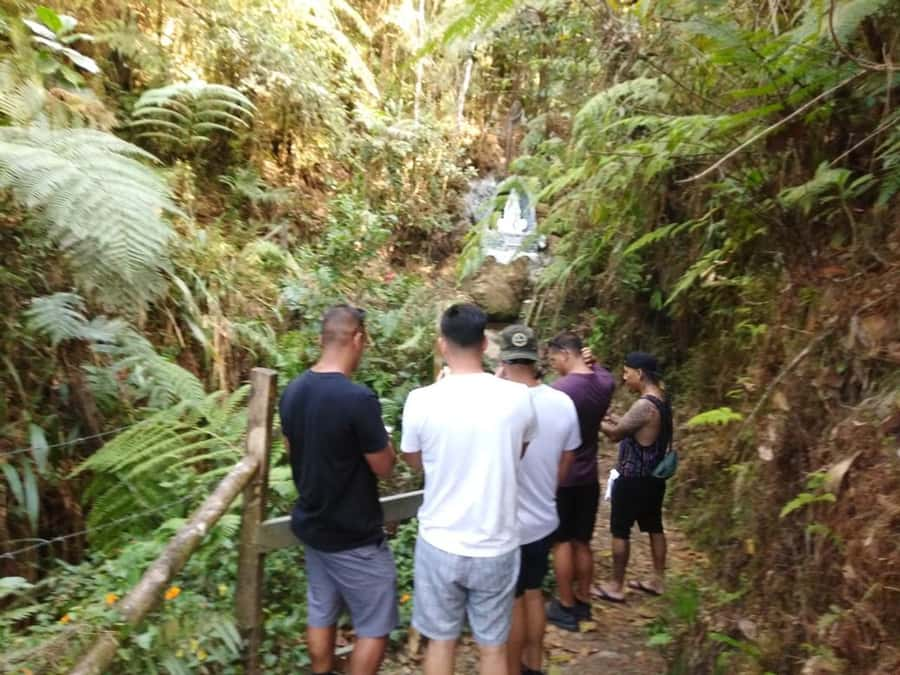
At $63 per person, the tour is not the cheapest way to spend four hours in Medellín. But the price includes private transport with hotel pickup and drop-off in central Medellín, a bilingual guide, and legal insurance.
That is fair value if you are traveling with friends or family and want a focused introduction without arranging several taxis. A private vehicle also makes it easier to cover separated parts of the city within a short time. You are paying for interpretation and efficient movement, not just entry to a collection of attractions.
Food and drinks are not included. Bring water and sunscreen, and wear comfortable clothes. The tour moves between several sites, and you will get more from it if you are not distracted by heat, thirst, or stiff footwear.
The value drops if you expect a full museum-style history course. The activity provides places and explanation, but the standard route does not promise extensive archival material. For many people, the private guide and access to several key locations will justify the cost. For others, especially those seeking detailed documentation, it may feel too short.
Who should book this private history tour
I recommend it for first-time visitors who want a clear introduction to Medellín’s most painful modern chapter. It suits you especially well if you prefer asking questions, moving at your own pace, and seeing several locations in one half-day.
It also works for people who have watched Escobar-related television and want to separate fiction from the city’s actual experience. The tour can correct the balance by putting ordinary residents and Medellín’s recovery at the center.
The optional Comuna 13 visit makes the experience a better choice for anyone who wants more than crime history. It gives you another lens on the city and can turn a grim subject into a fuller day about both damage and renewal.
I would hesitate if your main interest is cartel memorabilia, dramatic ruins, or a polished Escobar shrine. You should also think twice if you want a long academic treatment with museums and documents. The tone is grounded and local, but the route is compact.
Practical details before you reserve
Hotel pickup and drop-off are included for hotels in central Medellín. If you stay outside that zone, the operator provides the closest meeting point, so confirm the arrangement before the day of the tour.
The activity is wheelchair accessible, and you can choose an English- or Spanish-speaking guide. Cancellation is free up to 24 hours in advance, and you can reserve now and pay later, useful if your Medellín schedule is still shifting.
If your plan includes La Catedral, remember that the prison Escobar built for himself is closed on Mondays. The supplied route focuses on Parque de la Memoria, Barrio Pablo Escobar, the grave, and the death site, so confirm which additional stops are included in your chosen version.
The tour has a 4.9 rating from 84 verified bookings, with repeated praise for the guides’ local stories, warmth, and ability to explain Medellín’s difficult past. I would treat that as a sign that the human side of the experience is its strongest feature, while keeping the limited museum content in mind.
Should you book it?
Book this tour if you want a private, direct look at Medellín’s Escobar era and you value a local guide more than a formal museum. The stops at the grave and death site are stark, while Barrio Pablo Escobar shows why the story cannot be reduced to a simple villain tale.
Add Comuna 13 if you have enough time and want the day to include Medellín’s recovery as well as its wounds. Skip the tour if you want extensive documents, exhibits, or a long historical seminar. For most first-time visitors, the combination of private transport, several significant sites, and strong guide-led context makes $63 a sensible use of half a day.
FAQ
How long does the Pablo Escobar history tour last?
The main activity lasts four hours. Adding Comuna 13 may make the experience longer, and one combined version has been described as lasting six hours.
What places does the standard tour visit?
The route includes Parque de la Memoria in El Poblado, Barrio Pablo Escobar, Escobar’s grave, and the house where he died in western Medellín.
Is Comuna 13 included?
Comuna 13 is an optional addition. Confirm the timing and price of the version you choose.
Is hotel pickup included?
Pickup and drop-off are included for hotels in central Medellín. If your hotel is outside the pickup area, you receive a nearby meeting point.
What languages are available?
The tour is offered in English and Spanish with a live guide.
Is this a private tour?
Yes. It is arranged for a private group.
Is the tour wheelchair accessible?
Yes, the activity is listed as wheelchair accessible.
What does the price include?
The $63 price includes the private tour, central hotel pickup and drop-off, a bilingual guide, and legal insurance.
Are food and drinks included?
No. Food and drinks are not included, so bring water and plan for your own refreshments.
Is La Catedral open every day?
La Catedral is closed on Mondays. Confirm whether this stop is part of your selected route before booking.
More Escobar and Post-Conflict Walks
- Medellín: The Real Pablo Escobar Tour
★ 4.8 · 3,205 reviews - Medellín: Pablo Escobar Tour with beer included
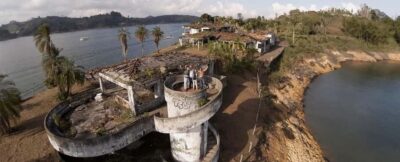
★ 4.7 · 612 reviews - Medellin: Guatapé Day Trip & Boat to Pablo Escobar’s Estate
★ 4.7 · 365 reviews - Pablo and the drug trafficking world
★ 5.0 · 129 reviews
Just added around Medellin
- Commune 13, Graffitour street food. History.All inclusive★ 5.0 · 35 reviews
- City tour, Commune 13, Metro Cable, Botero Park and more. Private★ 5.0 · 34 reviews
- Aerial Hammocks, Zip and Waterfall Trek on Medellin Private Tour★ 5.0 · 39 reviews
- Walking tour downtown Medellín★ 5.0 · 39 reviews
- Tour to the Hacienda Nápoles Theme Park★ 4.0 · 22 reviews
- Hiking Mountains and Magical Forests★ 5.0 · 27 reviews
- Barrio transformation and urban escalator of Comuna 13★ 5.0 · 47 reviews
- Tour Cabalgata★ 5.0 · 37 reviews
Pablo Escobar Tours, compared.
Guatapé Day Trip & Boat to Pablo Escobar’s Estate
Read our review →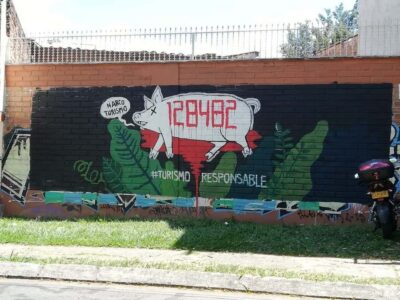

(Private Guatapé) Mansion Pablo Escobar+Paintball+Cuatrimoto+Boat
Read our review →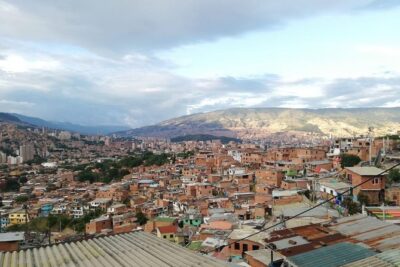
Browse the lists this tour appears in