
Reviewed · COFFEE EXPERIENCES
Medellin: Coffee Tour with Transport, Snacks and Tastings
The best part of this half-day trip is that you do not just drink Colombian coffee. You pick beans from the tree, see how the fruit is processed, and taste coffee in several forms, including a frappé made with coffee mucilage. The farm lies in the hills of San Sebastián de Palmitas, close enough to Medellín for an easy escape but rural enough to feel like a different world.
I like the hands-on coffee lesson and the warm family-farm setting. I also like the generous food and drink lineup: coffee-husk tea, plantain with panela and cheese, two specialty coffees, a full paisa lunch, and a small coffee package to take home. The one drawback is the uphill walking. You will climb through the plantation on uneven ground, so this is not a good choice for wheelchair users or anyone with limited mobility.
Key points to know before you book
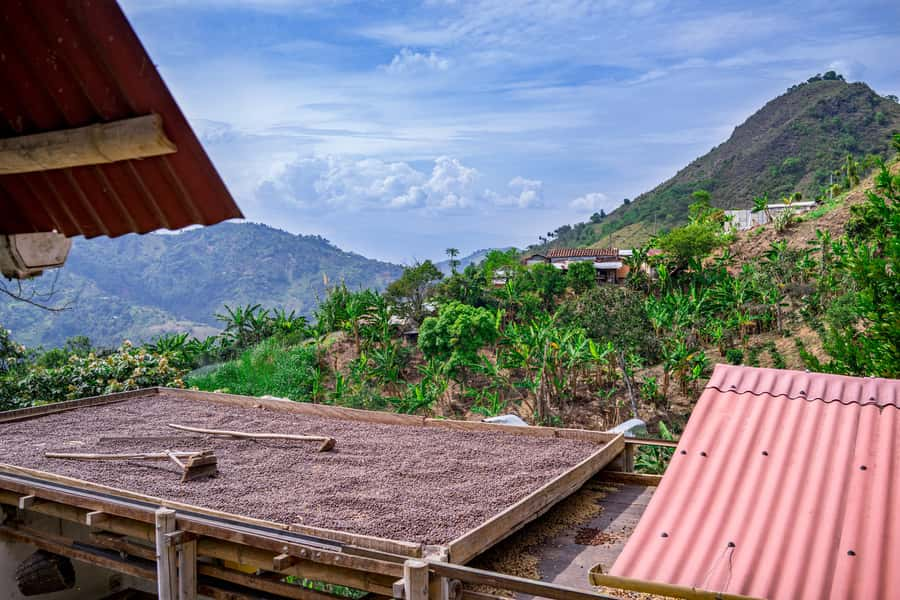
- Coffee from tree to cup: Pick beans, learn about drying and processing, then practice brewing and tasting.
- A real Antioquian setting: D’Arrieros Coffee Farm is about 45 minutes from Medellín in San Sebastián de Palmitas.
- Plenty included for $80: Transport, a 3.5-hour guided visit, tastings, lunch, traditional clothing, a poncho, and souvenirs are covered.
- The uphill walk matters: Expect hills and plantation paths, not a flat museum-style visit.
- Optional horseback ride: Add about 45 minutes on the farm, with instruction for first-time riders.
- English and Spanish tours: Guides including Laura, Lorena, Daniela, Samuel, and others lead separate language groups when scheduled.
A coffee farm close to Medellín, but far from the city mood
D’Arrieros Coffee Farm sits in San Sebastián de Palmitas, roughly 45 minutes from Medellín. That short drive is part of the appeal. You get a change from city streets and apartment towers without spending a full day in transit to the better-known coffee towns farther south.
Pickup is offered in El Poblado, Laureles, and Estadio. Direct hotel and Airbnb pickup is available in those areas, while people staying elsewhere can meet at Poblado Park or pay an extra fee for pickup outside the designated zones.
The morning pickup window is fairly specific. El Poblado pickups run from about 8:40 to 9:00 a.m., Laureles from 9:05 to 9:25, and Estadio from 9:15 to 9:35. You should be ready a few minutes early. The drive and return transfer are useful here because a rural coffee farm is not as simple to reach independently as a city attraction.
Groups can include people from several countries, and English and Spanish may be organized separately. That matters during a lesson with plenty of explanation. Several guides, including Laura, Lorena, Daniela, Samuel, and Veronica, have led the English program. The guide makes a noticeable difference, and the strongest part of the experience is the clear, lively storytelling around the coffee process.
More Coffee Tours in Medellin
- Medellín Coffee Farm Tour with Trolley and Cable Car Ride
★ 4.9 · 277 reviews - Medellin: Coffee Tour and Wellness Spa
★ 4.8 · 209 reviews - Medellin: Coffee Tour with Hotel Transfers and Meals
★ 4.9 · 186 reviews
Putting on the paisa outfit
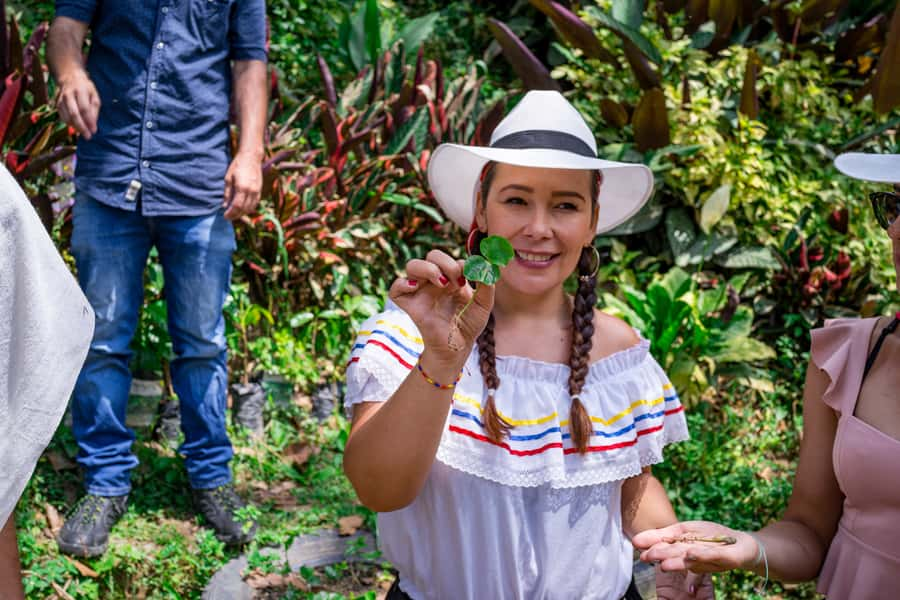
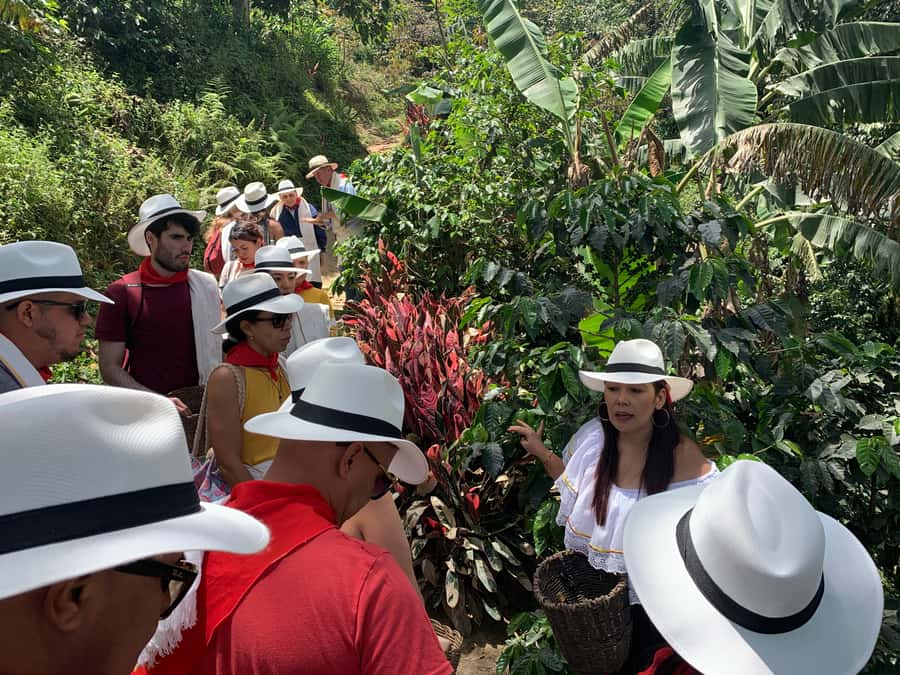
At the farm, you begin by changing into traditional local clothing. The outfit includes a hat, poncho, and paruma, with the poncho becoming your gift at the end. This is not just a costume photo opportunity. It connects the visit with the muleteer culture associated with Antioquia and gives you a playful way to take part in the farm setting.
The clothing is loaned for the tour, while the poncho with the farm logo is yours to keep. Wear clothes that can handle a little dust or moisture, and choose closed-toe shoes rather than sandals. The farm advises against shorts and open-toe footwear, a sensible tip for paths, plants, and uneven ground.
The opening talk covers how coffee reached Colombia and how coffee became tied to the country’s identity. You will hear the story before heading into the plantation, which gives the later activities some context instead of making the visit a simple sequence of tastings.
Picking coffee beans among the hills
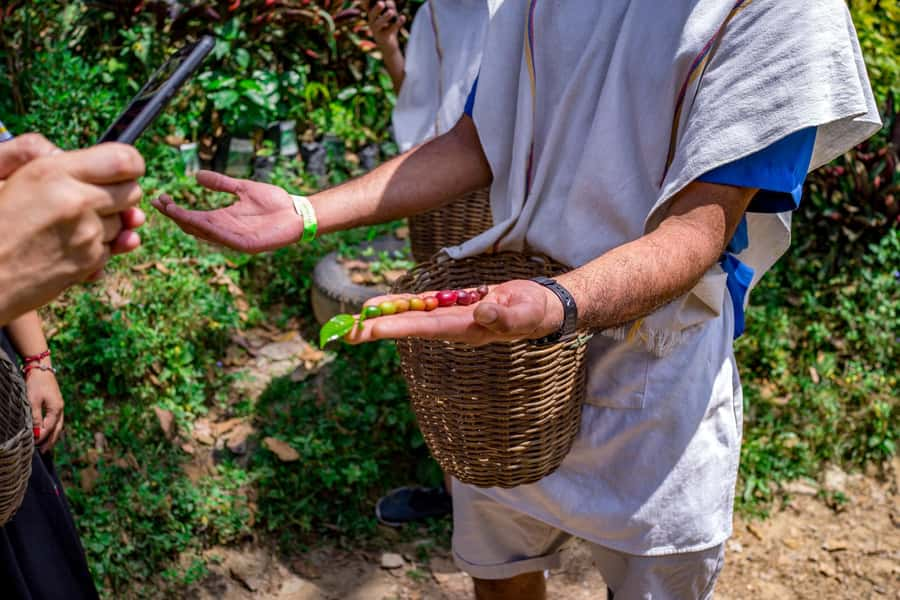
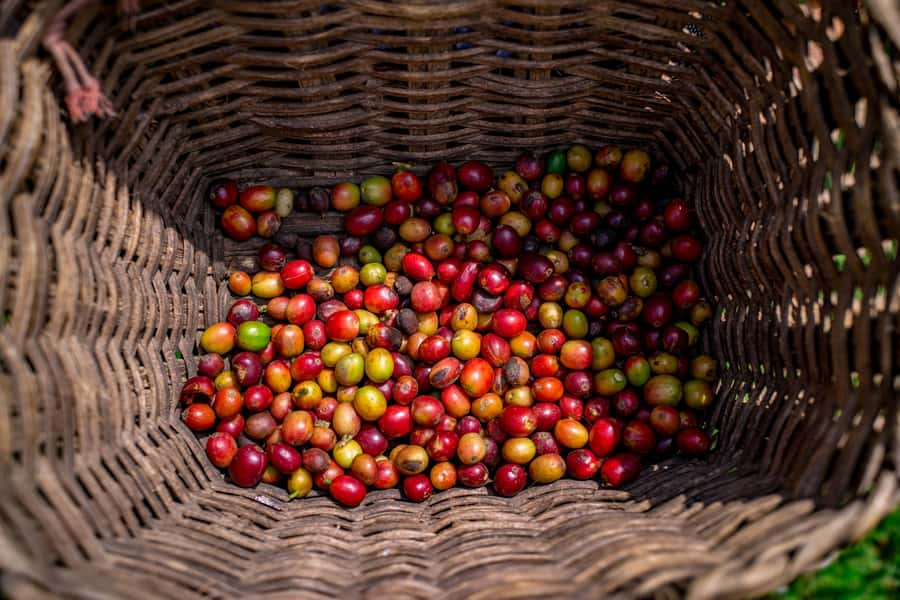
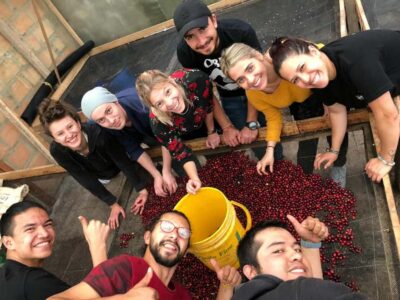
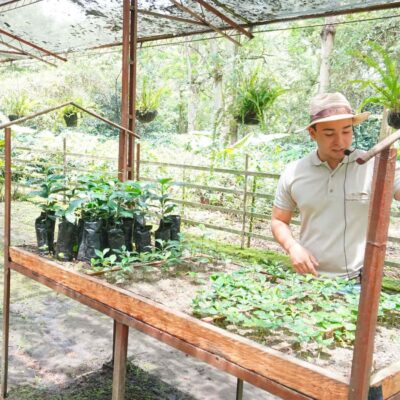
The plantation walk is the most useful part for anyone who wants to understand coffee beyond its smell and price in a café. You pick coffee cherries from the plant and see the first stage of the work yourself.
Your guide explains what happens after harvesting: processing, drying, sorting, and preparing the beans for roasting and brewing. The goal is to show the chain from fruit to finished drink. You also learn how to spot differences in beans and how those differences affect the cup.
The walk is scenic, with viewpoints across the hills around the farm. It is also the tour’s main physical challenge. You will go uphill through the coffee plantation to reach the higher part of the property. The route can include steep sections, so decent general fitness is helpful even though the walk is described as manageable for people in good health.
Bring sunscreen and water. Water is not included, and the combination of sun, hills, and warm drinks can catch you off guard. The farm setting is attractive, but this is an active visit rather than a seated tasting session.
Coffee drinks you may not expect
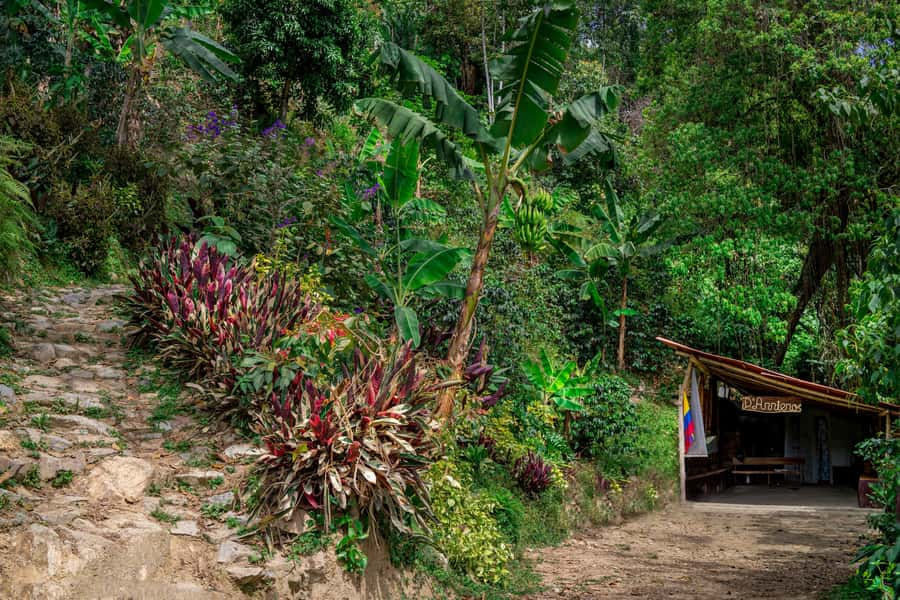
The tastings move past ordinary black coffee. One included drink is a coffee mucilage frappé, made from the honey-like coating around the bean. You also taste tea made from coffee husks, using material that many people never associate with a drink.
The tour includes two specialty coffees, described as honey and cherry coffees. You learn how to brew and taste coffee in a more deliberate way, paying attention to smell, flavor, and the differences between types. This is especially useful if you normally order coffee without thinking about where it came from.
The farm also sells extra coffee products and drinks. Coffee desserts, coffee beer, coffee sangria, and Colombian handicrafts are not included in the $80 price, so bring some spending money if those sound appealing. The coffee sangria has drawn particular attention from people who tried it, but it is an add-on rather than part of the standard package.
The tastings work even if you are not a serious coffee drinker. The process, unusual ingredients, and brewing lesson give the visit more range than a standard caffeine stop. If you already enjoy specialty coffee, the comparison between honey and cherry coffees will likely be the part you remember most.
A completely different kind of day, same corner of Colombia:
- Medellin: Comuna 13 Graffiti Tour, Cable Car & Street Food
★ 4.8 · 9,046 reviews - Medellín: The Real Pablo Escobar Tour
★ 4.8 · 3,205 reviews - Medellín: Comuna 13 True Story and Street Food Tour
★ 4.9 · 1,779 reviews - Medellín: Comuna 13 District Tour with Cable Car Ride
★ 4.8 · 1,467 reviews
A sweet snack, then a proper paisa lunch
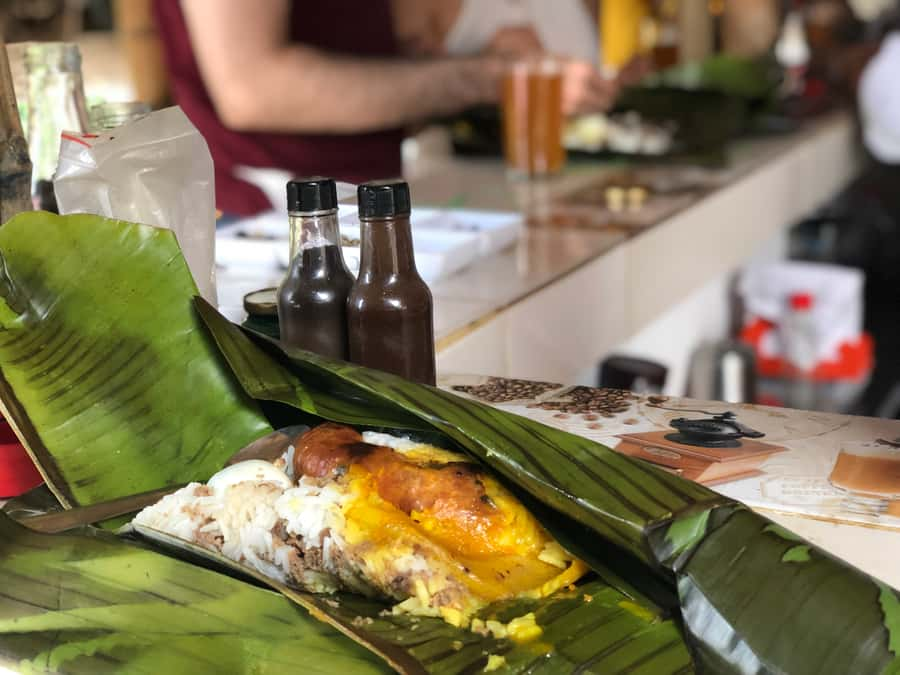
Food is not an afterthought here. During the tour, you get sweet plantain with panela and cheese, a simple Colombian combination that is filling and distinctly local. The snack gives you a break during the farm visit and pairs well with the coffee-based drinks.
Lunch is a hearty paisa-style plate with rice, chicken, boiled eggs, mashed potatoes, and plantain. It is substantial, which is welcome after the uphill walk. Dietary changes can be requested, and a vegetarian lunch has been available for people who needed it.
The meal adds value to the price because the day is not built around a single small tasting. You receive several drinks, a snack, lunch, and take-home items as part of the package. If you prefer a light lunch, this may feel like more food than you need, but it suits the active pace.
Learning to taste instead of simply drink
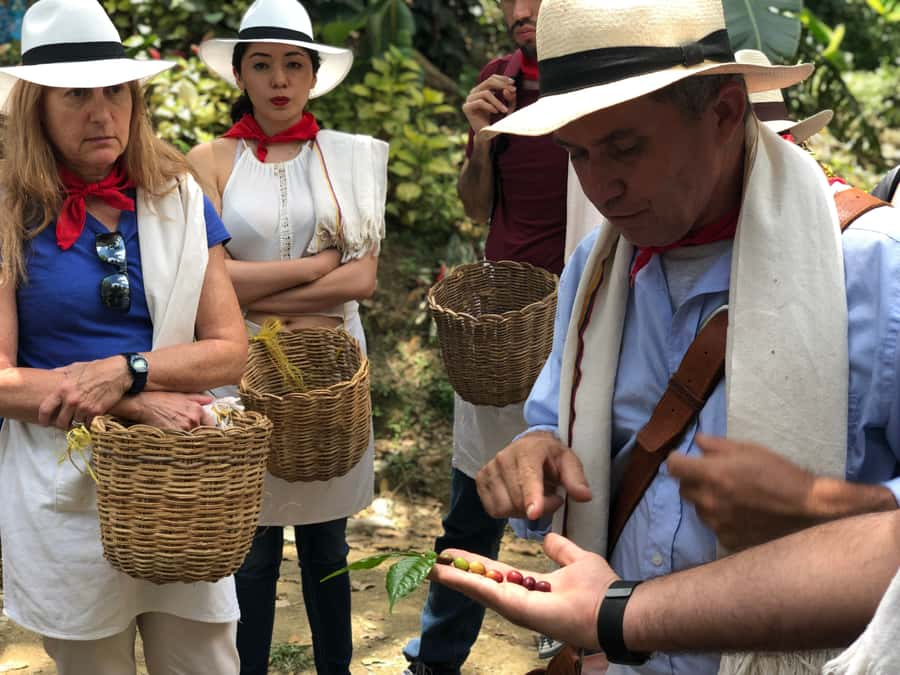
The brewing and tasting class is where the tour becomes more than a photo stop. Your guide shows you how to prepare and assess the coffee, then gives you several types to compare.
You learn that coffee flavor is not only about strength. The bean, its processing method, and its preparation all shape the final drink. The honey and cherry tastings help make that point practical. You can compare them directly rather than trying to remember an explanation from a lecture.
I like this approach because it gives you a skill to carry back to Medellín. After the tour, you may pay closer attention to how coffee is described on a menu or how different brewing methods change the result. The guide’s style matters here. Laura, Lorena, Daniela, and Samuel have all been singled out for clear explanations, humor, and an easy way with English-speaking groups.
The visit also includes a certificate naming you a coffee picker at the farm. It is a lighthearted souvenir, but children and families may enjoy it. The more useful souvenir is the 80-gram package of specialty honey coffee, paired with a caramelized coffee candy made with panela.
Adding the 45-minute horseback ride
Horseback riding is optional, and it takes you through the farm to viewpoints around the property. The ride lasts about 45 minutes, and instructions are provided for people without riding experience.
This option changes the feel of the day. Instead of only walking the plantation, you see more of the hills from the saddle and pass through coffee and sugarcane areas. Some sections can feel steep or a little exciting, so this is not a gentle flat-track ride. One important point from the practical side: the ride has included rocky, dirt, paved, and roadside sections, and weather can turn the outing into a very wet adventure.
Families with children may find the riding especially appealing, provided the child is comfortable on a horse and the operator accepts the rider. You should confirm the horseback option when booking, since it is not listed among the standard inclusions and the supplied price does not state its separate cost.
If you are nervous, you do not need to add it. The coffee visit already fills the day with walking, food, views, and tastings. If you enjoy animals and want more time outside, the ride is a worthwhile addition.
How the six hours usually unfold
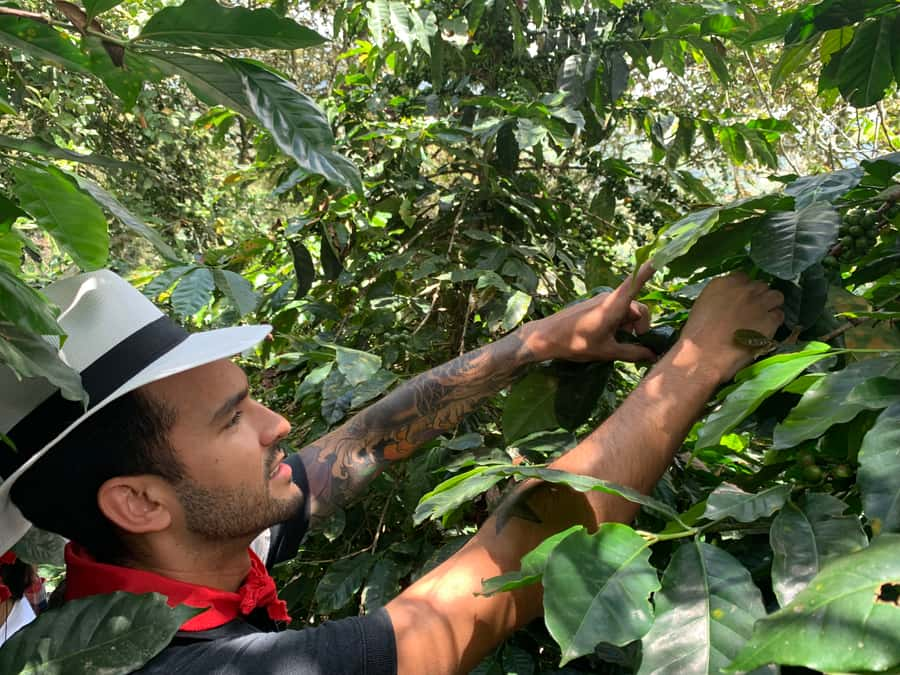
The full activity lasts about six hours, including transfers. The guided farm program itself runs about 3.5 hours, with time divided among the following parts:
- A welcome, historical introduction, and traditional dress
- A plantation walk with bean picking and process explanations
- Photo stops and views from the higher parts of the farm
- Coffee-based drinks, husk tea, and the plantain snack
- Brewing instruction and tastings of two specialty coffees
- Lunch and time to rest
- Shopping for coffee and other farm products
- Optional horseback riding, if selected
The schedule has room for free time, photos, and shopping rather than forcing every minute into a lecture. That balance is useful. You can ask questions, look around, and take in the setting without feeling rushed from one table to another.
The farm sometimes waits for several groups before beginning, so the start can run a little late. Build a little flexibility into your day and avoid booking a tight afternoon appointment across town. The return can also depend on road traffic and the pace of the group.
Is $80 a fair price?
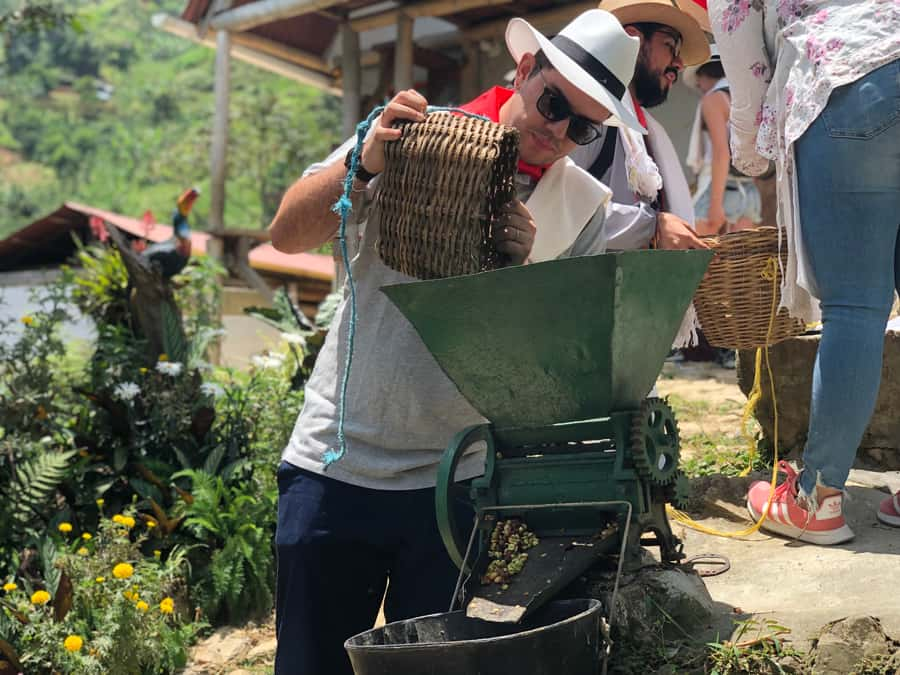
At $80 per person, this is not the cheapest coffee outing near Medellín. It is a reasonable package if you use most of what is included.
The price covers round-trip transport, a bilingual guide, a 3.5-hour farm program, several tastings, a snack, lunch, traditional clothing, a poncho, a certificate, and a coffee souvenir. Buying separate transport, food, and a farm visit could easily reduce the apparent savings, but it would also make the day harder to arrange.
The strongest value is convenience combined with access. You get picked up in the main tourist neighborhoods, taken to a working coffee farm, guided through the process, fed a full meal, and returned to the city. The price makes less sense if you dislike coffee, avoid hills, or plan to skip the tastings and ride.
Free cancellation is available up to 24 hours before departure, and you can reserve now and pay later. Those terms help if your Medellín schedule is still moving around, but you should still provide full names and passport numbers when booking.
Who should choose this tour?
I would choose this experience if you want a farm visit without giving up an entire day to travel deep into the coffee region. It suits first-time visitors who want a clear introduction to Colombian coffee, as well as coffee drinkers who want to understand processing and tasting.
It is also a good family option if the children can manage the hills. The outfit, bean picking, lunch, and optional horses give the day more variety than a tasting room alone.
I would be cautious if you have limited mobility, use a wheelchair, or have trouble with steep paths. The operator specifically says the activity is not suitable for people with mobility impairments or wheelchair users. Even fit visitors should wear sturdy closed-toe shoes, use sunscreen, and carry water.
You do not need to be a coffee expert. Several parts of the visit, including the history, farm setting, local food, and unusual coffee products, work for people who only have a passing interest in the drink.
Should you book the D’Arrieros coffee tour?
Book it if you want an easy Medellín day trip with real participation, not just a demonstration. Picking coffee, tasting mucilage and husk tea, learning basic brewing, and eating a full paisa lunch make the experience feel complete.
Skip it if you want a flat, quiet, highly polished attraction or if you have a strict schedule after lunch. For most visitors who can handle the hills, the $80 includes enough food, transport, instruction, and souvenirs to make the day a solid value. Add the horseback ride if you want more time in the countryside, but the core coffee tour is strong on its own.
FAQ
Where is the coffee farm located?
D’Arrieros Coffee Farm is in San Sebastián de Palmitas, Antioquia, about 45 minutes from Medellín.
How long does the activity last?
The complete experience lasts about six hours. The guided farm program lasts approximately 3.5 hours.
Is transportation from Medellín included?
Yes. Round-trip transportation is included, with pickup and drop-off options in El Poblado, Laureles, and Estadio. Direct pickup outside those areas may require an extra fee.
What languages are available?
The tour is available in English and Spanish with a live guide.
What food and drinks are included?
You receive a coffee mucilage frappé, tea made from coffee husks, plantain with panela and cheese, two specialty coffee tastings, and a paisa lunch with rice, chicken, boiled eggs, mashed potatoes, and plantain. Dietary changes can be requested.
Is horseback riding included?
Horseback riding is an optional 45-minute activity. The standard inclusions do not list it as part of the base package.
What should I wear?
Wear closed-toe shoes and comfortable clothing suitable for hills and plantation paths. Shorts and open-toe shoes are not recommended. Bring sunscreen and water.
Is the tour suitable for people with limited mobility?
No. The tour includes uphill walking through coffee plantations and is not recommended for people with limited mobility or wheelchair users.
What souvenirs are included?
You receive a poncho with the farm logo, a coffee-picker certificate, an 80-gram package of specialty honey coffee, and a caramelized coffee candy with panela.
Just added around Medellin
- Commune 13, Graffitour street food. History.All inclusive★ 5.0 · 35 reviews
- City tour, Commune 13, Metro Cable, Botero Park and more. Private★ 5.0 · 34 reviews
- Aerial Hammocks, Zip and Waterfall Trek on Medellin Private Tour★ 5.0 · 39 reviews
- Walking tour downtown Medellín★ 5.0 · 39 reviews
- Tour to the Hacienda Nápoles Theme Park★ 4.0 · 22 reviews
- Hiking Mountains and Magical Forests★ 5.0 · 27 reviews
- Barrio transformation and urban escalator of Comuna 13★ 5.0 · 47 reviews
- Tour Cabalgata★ 5.0 · 37 reviews
Coffee Experiences, compared.
Medellín Coffee Farm Tour with Trolley and Cable Car Ride
Read our review →
Private Cocora Valley, Salento & Coffee Farm Tour
Read our review →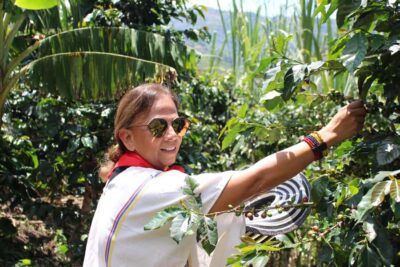
Horseback Riding Coffee Farm Tour with Coffee Spa
Read our review →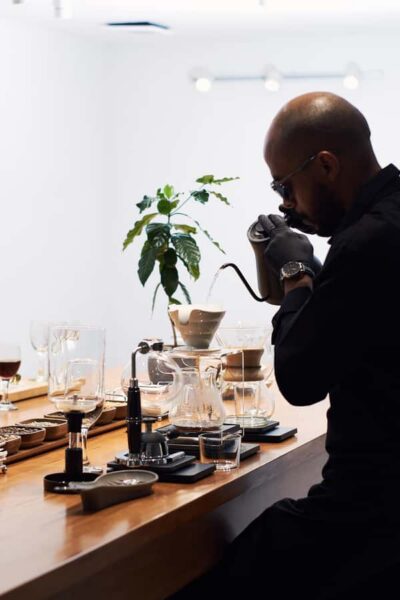
Browse the lists this tour appears in