
Reviewed · MULTI-DAY TOURS
From Leticia: Wild Amazonas Adventure 4-Day Tour
The best part of this four-day Amazon trip is the way it moves across three countries and cultures without turning the experience into a quick photo stop. You walk rainforest trails to indigenous malokas, cross by boat to Puerto Nariño, visit communities in Peru and Colombia, and spend a night close to the river.
I especially like the private group format, which gives the guide room to adjust the pace, and the fact that meals, boats, accommodation, boots, and activities are bundled into one price. Edwin, the guide praised most warmly in the supplied feedback, is described as funny, well prepared, and deeply familiar with the Amazon and its people.
The main caution is comfort. This is a wet, muddy, low-power rainforest trip, not a polished resort holiday. You need long sleeves, insect protection, a flashlight, and a willingness to accept changing weather and basic conditions.
Key points at a glance
- Sleep in a rainforest maloka: Spend your first night in a traditional indigenous house after hiking into the forest.
- Cross the Amazon by boat: Reach Puerto Nariño, a small town without cars, then continue to communities and conservation projects by river.
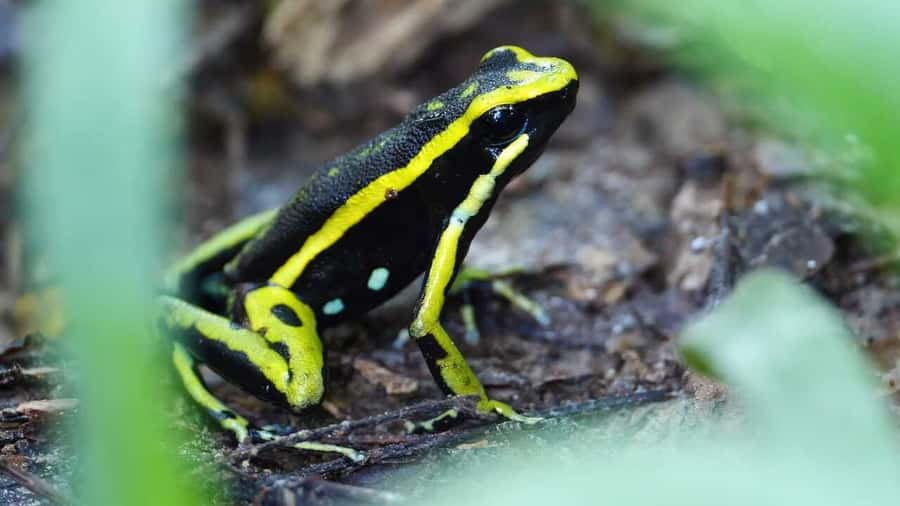
- Look for sloths and dolphins: Visit the ecological trail on Cacao Island and search for pink and gray dolphins at Correo Lakes.
- Learn from local communities: Meet Tikuna families, visit craft shops and malokas, and share a traditional dinner.
- Pack for wet conditions: Rubber boots are supplied, but you should bring waterproof clothing, mosquito protection, sunscreen, and a flashlight.
- Good value for a private trip: At $789 per person, the price covers guides, transport, meals, accommodation, entrance fees, insurance, and pickup.
A four-day route through the Amazon
This trip gives you a useful mix of forest walking, river travel, indigenous culture, wildlife, and conservation. You are not simply staying in one lodge and waiting for animals to appear. Each day changes the setting, which keeps the experience lively, though it also means you should expect regular boat transfers and outdoor activity.
The tour operates from Leticia, with visits to Tabatinga in Brazil, Puerto Nariño, and nearby communities in the Colombian and Peruvian Amazon. Your guide speaks English or Spanish, and the group is private. That matters here. In a forest setting, a private group can usually move at a pace that suits the people in it instead of following a large crowd.
Pickup is available anywhere in Leticia, including hotels, hostels, vacation rentals, points of interest, and Alfredo Vásquez Cobo Airport. You pay the airport tourism tax separately when you arrive.
A few more Colombia half-days worth weighing up
- Trekking Cerro Kennedy 2 days
★ 5.0 · 47 reviews - 3 Days in Malaga Bay (Pacific Coast)
★ 5.0 · 31 reviews - Tour to Punta Gallinas with Cabo de la Vela 3 Days
★ 3.3 · 4 reviews
Day 1: Leticia, Tabatinga, and a night in a maloka
Your first day begins at the airport or your accommodation in Leticia. After taking care of the tourism tax, you meet your local guide and get a short introduction to Leticia before crossing toward Tabatinga, the Brazilian side of the Amazon border.
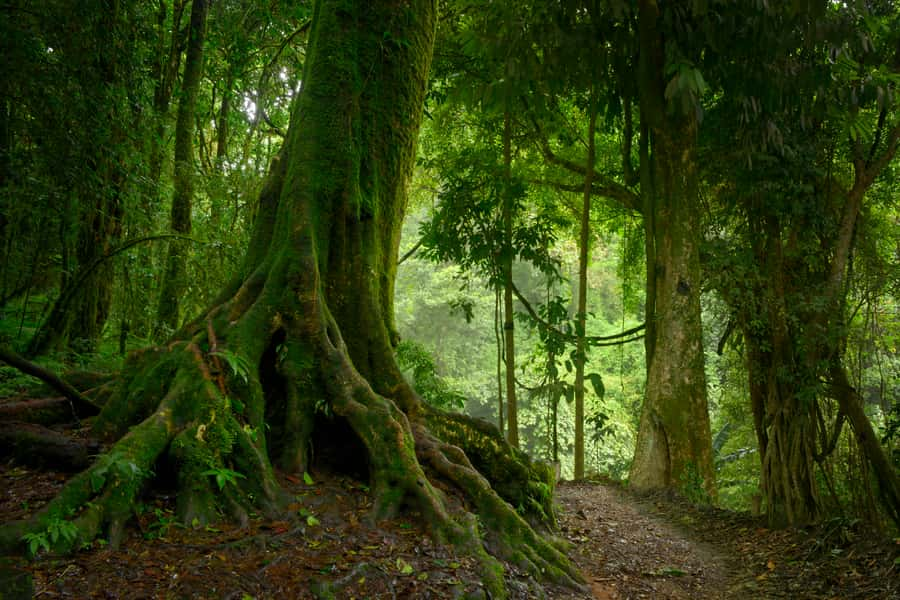
The cultural focus comes next. You visit malokas, traditional houses used by indigenous communities, and learn how local life is connected to the forest. This is more meaningful than a standard city tour because the visit follows a hike into the rainforest. The walk lets you see the setting that supports the communities, rather than treating culture as something separate from the natural world.
Expect mud and wet ground. Rubber boots are provided, but you must give the operator your shoe size. Long pants and a long-sleeve shirt are sensible choices, even with boots. Waterproof clothing is also worth packing, since the tour operates in all weather.
You spend the night in a maloka. That is one of the most unusual parts of the trip, but it also requires a flexible attitude. A maloka is a traditional communal-style space, not a standard hotel room. If you need full hotel comfort every night, this may be the point where you decide the tour is not for you. If you want a closer connection to local traditions, it is a strong first night.
Day 2: Puerto Nariño and Tikuna hospitality
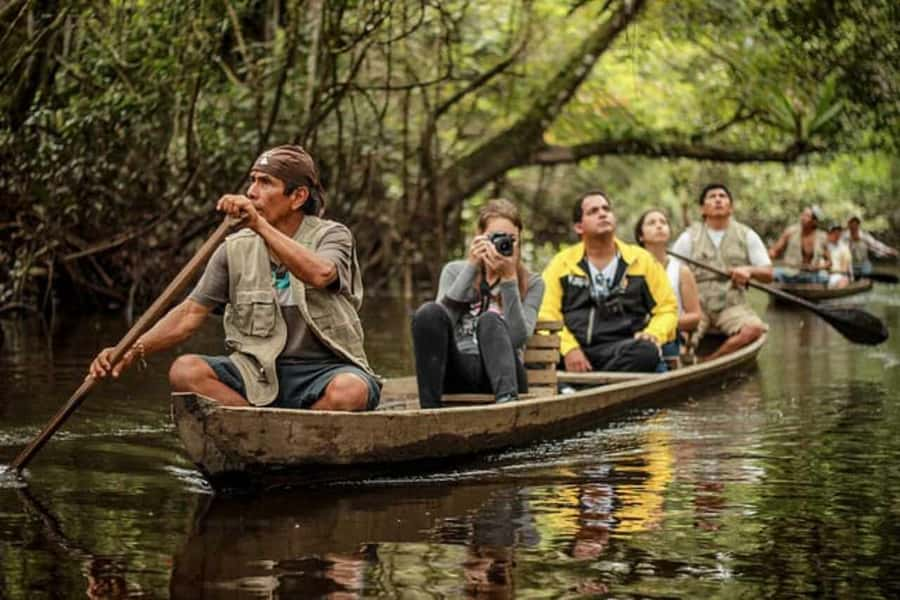
After breakfast, you travel by boat to Puerto Nariño. The town is known here for its car-free setting and river views, giving you a calmer break from the movement of Leticia and the border area.
After a short walk and local lunch, you explore the town and nearby communities. The day includes a lookout tower, craft shops, monuments tied to community history, and other local points of interest. The tower is a useful stop because it lets you see the forest and river system from above, rather than only from a boat or trail.
The craft shops are worth treating as more than a shopping opportunity. They give you a chance to see how local creativity and income connect with cultural traditions. If you buy something, you are making an extra purchase outside the tour price, so carry some budget for that if local handicrafts appeal to you.
Toward evening, a Tikuna family welcomes you for dinner in their maloka. This is one of the strongest cultural moments on the trip. You are not just hearing about indigenous traditions from a guide. You are eating in a family setting and sharing part of an evening shaped by local customs.
The night ends with a walk after dark. Bring your own flashlight or lantern. You will use it often, and the tour information specifically advises you not to rely on someone else’s light. A nocturnal walk can reveal a very different side of the forest, but it is also a reminder that this is an outdoor trip. Watch your footing, keep your belongings secure, and expect the pace to be slower than a daytime walk.
Day 3: Cacao Island, sloths, and Correo Lakes

The third day takes you by boat to San Antonio, a Peruvian community also called Cacao Island. The main attraction is an ecological trail created by the community to observe, study, and protect primates, birds, and especially sloths.
The value of this stop is the link between wildlife watching and local conservation. You are not visiting a zoo or a staged animal display. The trail is tied to a community effort to protect species in their own setting. Sightings in nature are never guaranteed, so go with patience rather than a checklist. Your guide can help you understand what you see, but the forest decides what appears.
After the trail, you eat a traditional lunch and return to Puerto Nariño. The food is included, which makes the days simpler, but you should still expect local cooking rather than a menu built around familiar international dishes.
The final stop is Correo Lakes, where you look for pink and gray dolphins. You can also swim in the natural water. This gives the day a pleasant change of pace after the forest walk, though you should follow your guide’s instructions and keep sunscreen and hydration in mind.
A nocturnal safari can be arranged if you choose that option. Since this is not included in the basic description as a standard activity, confirm the arrangement and any extra cost before relying on it as part of your plan.
You return to your accommodation for the night. The accommodation is described as including a floating cabin on the banks of the Amazon River, although the exact night and setup can vary with the customized plan. One supplied account also describes staying in comfortable hotels with air conditioning most of the time, so you may have a mix of basic and more conventional lodging rather than one fixed hotel style.
More day trips in Colombia:
- Bogota: Zipaquirá Salt Cathedral and Lake Guatavita Day Tour
★ 4.8 · 551 reviews - Cartagena: Rosario Islands Day Tour with Snorkel & Lunch
★ 4.1 · 402 reviews - Medellin: Guatapé Day Trip & Boat to Pablo Escobar’s Estate
★ 4.7 · 365 reviews - Santa Marta: Sailboat day tour to Tayrona Park
★ 4.5 · 352 reviews
Day 4: Conservation before your flight home
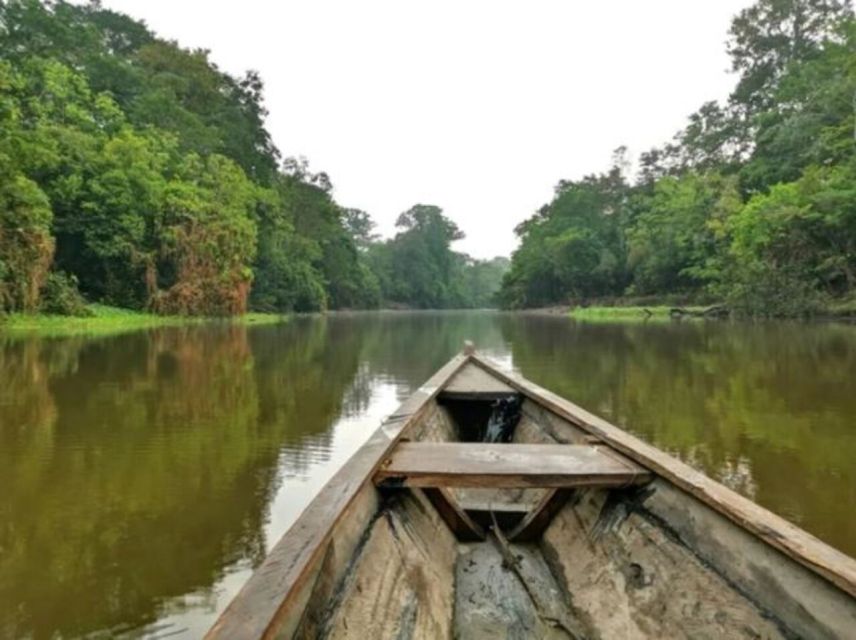
Your last morning begins with a visit to the Natutama community project. This locally created center focuses on learning about the region and teaching conservation. It is a good final stop because it pulls together the main subjects of the trip: wildlife, local knowledge, natural resources, and the need to protect them.
After Natutama, you return to Leticia and continue to the airport. The schedule is useful for a short Amazon visit, but you should avoid booking a flight that leaves too soon after the planned return. The tour includes land and water transport, and river conditions or weather can affect timing. The supplied details do not promise a specific departure hour, so check availability and coordinate your flight carefully.
The notes also warn that you will spend a night in a place without electric power. The accommodation schedule can be customized, but you should plan as if at least one night will be off-grid. Charge your devices beforehand and bring a real flashlight, not only a phone light.
What the $789 price really covers
At $789 per person, this is not a cheap day trip. It is a four-day private experience that bundles most of the costs that can make Amazon travel hard to price in advance.
Included are:
- A Gran Colombia Tours guide
- Pickup and drop-off in Leticia
- Land and boat transportation
- All meals
- Accommodation
- Entrance fees for activities
- Rubber boots
- All-risk insurance
That package can be good value if you would otherwise arrange several boat rides, meals, community visits, and hotel nights separately. It also reduces the need to negotiate transport at each stage, which is useful in a region where the river is the main road.
The price does not include flights, the airport tourism tax, or extra purchases. You should also budget for crafts and other personal spending if you want to support local makers. The tour allows you to reserve now and pay later, and cancellation is free up to 24 hours before the start according to the supplied conditions.
The best value comes if you use the included activities fully. If you only want a comfortable lodge and a few short wildlife outings, this trip may feel too active and too basic in places. If you want culture, community projects, boat travel, and several different forest settings, the package makes more sense.
Comfort, weather, and what to pack
The tour runs in all weather. That sentence matters in the Amazon. Rain can change how a trail feels, how quickly you move, and how dry your clothes remain. Pack for getting wet rather than hoping to avoid it.
Bring:
- Long pants and a long-sleeve shirt
- Waterproof clothing
- Mosquito repellent
- Sunscreen
- A personal flashlight or lantern
- Comfortable clothing that can handle mud and humidity
- Your shoe size for the supplied rubber boots
Keep drinking water throughout the day. Heat, humidity, walking, and boat travel can wear you down before you notice it. Sunscreen is still needed even when the sky is cloudy.
You must have a yellow fever vaccination. Do not leave this until the day before departure. Carry any required vaccination documentation with your travel papers, and check current health requirements before your trip.
The tour is private, but the information does not give a set group size. Private format should help with flexibility, yet the route still involves long outdoor days. You will need reasonable comfort with walking, wet trails, boat rides, and changing accommodation.
The guide can shape the whole experience
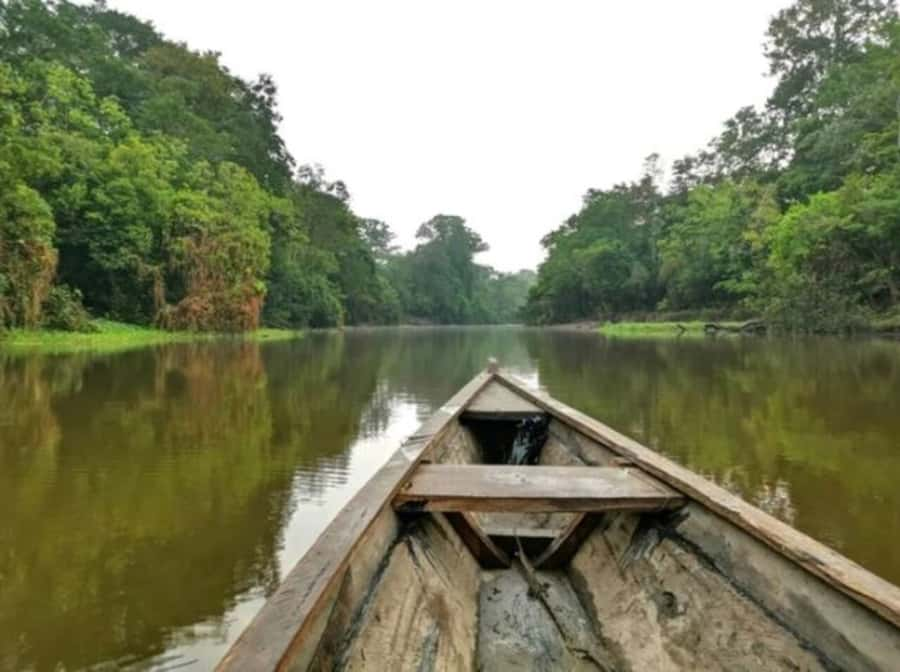
The guide is central here because much of the value comes from explanation rather than scenery alone. Edwin is the named guide associated with the strongest supplied feedback. He is described as funny, well prepared, and highly familiar with the Amazon and its people, with safety handled well throughout the four days.
That kind of local explanation matters at a maloka, on a wildlife trail, and during a community visit. Without context, you might see a lookout tower, a craft shop, or a conservation center and move on. With a good guide, you can better understand why each place exists and how it fits local life.
Since the tour can be customized, tell the operator what matters most to you before setting off. You might prefer more time for wildlife, more cultural visits, or a slower pace on forest walks. The supplied details promise customization, but they do not define every possible change, so confirm the plan in advance.
Who should book this Amazon trip?
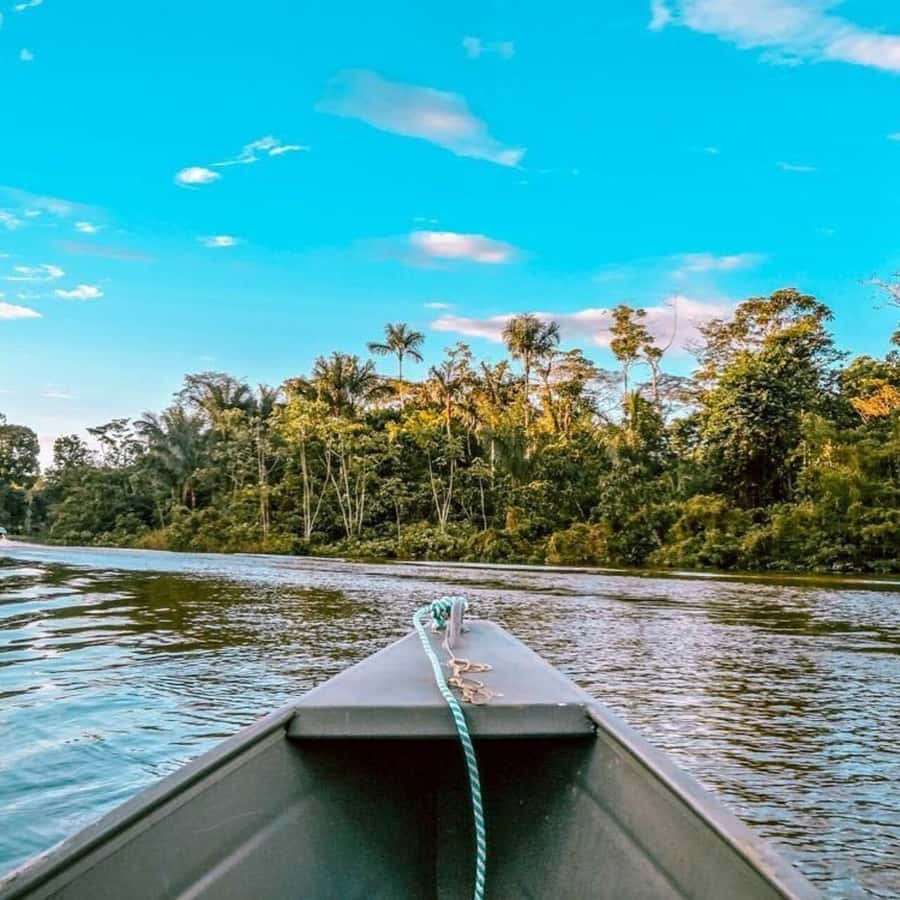
I would choose this tour if you want your Amazon visit to include local communities and conservation, not only wildlife viewing. The mix of Brazil, Colombia, and Peru gives the four days a broad sense of the region, while the maloka stays and family dinner add a human side to the trip.
It suits people who are happy to trade some comfort for access. You should be fine with mud, insects, rain, boat transfers, low-power nights, and basic accommodation. You do not need to be an expert hiker, but you should be prepared for rainforest trails and full days outdoors.
I would hesitate if you need fixed schedules, reliable electricity, or hotel-style comfort every night. I would also think twice if your main goal is guaranteed wildlife sightings. The tour offers good places to look for sloths, birds, primates, and dolphins, but wild animals do not follow a timetable.
Should you book it?
Book this four-day tour if you want a hands-on Amazon trip with cultural visits, local food, forest walks, conservation projects, and river travel all in one package. The $789 price is easier to justify because it covers meals, transport, accommodation, guide service, activities, boots, and insurance.
Before paying, confirm the exact accommodation plan, the optional nocturnal safari, the timing of your return to Leticia, and the airport tax. Pack for rain and darkness, bring your own flashlight, and treat the maloka and low-power night as part of the experience rather than an inconvenience.
For the right kind of visitor, this is a strong choice: active, personal, and tied to the communities that call the Amazon home.
FAQ
Where does the tour begin?
The tour begins with pickup at Alfredo Vásquez Cobo Airport or anywhere within Leticia, including hotels, hostels, vacation rentals, and other points of interest.
How long is the experience?
The tour lasts four days and includes three nights.
Which places does the tour visit?
The route includes Leticia, Tabatinga in Brazil, Puerto Nariño, San Antonio, also called Cacao Island, Correo Lakes, and the Natutama community project.
Is accommodation included?
Yes. Accommodation is included, and the experience includes a night in a traditional maloka. The supplied details also describe a floating cabin on the Amazon River and hotel accommodation with air conditioning for much of the stay.
Are meals included?
Yes. All meals are included, including local lunch and a dinner hosted by a Tikuna family in their maloka.
Are boat transfers included?
Yes. Land and water transportation are included in the tour price.
Do I need to bring rubber boots?
Rubber boots are provided. You need to give the operator your shoe size, and you should still pack suitable clothing for wet and muddy conditions.
Is a yellow fever vaccination required?
Yes. You must be vaccinated against yellow fever to take part in the tour.
Can I cancel or pay later?
You can reserve now and pay later. Cancellation is available up to 24 hours in advance for a full refund under the supplied booking conditions.
Just added around Colombia
- Zipaquirá: Private tour to the Salt Cathedral, Colombia’s first wonder★ 4.9 · 33 reviews
- Zipaquira: 5 hrs Salt Cathedral Tour★ 4.4 · 9 reviews
- Wonders of Salt: Colombia’s Underground Cathedral★ 5.0 · 18 reviews
- Zipaquirá Salt Cathedral & Andrés Carne de Res (Chía)★ 4.6 · 30 reviews
- Zipaquirá: Private Salt Cathedral Mine and Walking Tour★ 4.8 · 3 reviews
- Villavieja: Tatacoa Desert Horseback Riding Tour★ 5.0 · 3 reviews
- White Night Boat Party: Dinner Buffet, Dancing and Open Bar★ 4.6 · 3 reviews
- Exotic Yacht – Tour through the bay of Cartagena★ 3.7 · 4 reviews
Multi-Day Tours, compared.
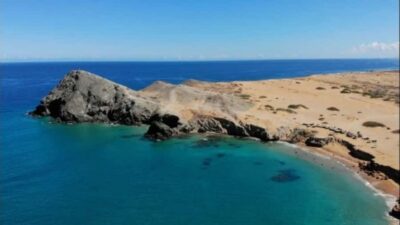
Tour to Punta Gallinas with Cabo de la Vela 3 Days
Read our review →
Coffee Farm Tour & Spa with Overnight Glamping
Read our review →Browse the lists this tour appears in