
Reviewed · COMUNA 13 TOURS
Graffiti Tour comuna 13 and cable car (made by local guides)
Comuna 13 is best understood from the streets, not from a lookout. This three-hour tour takes you from the San Javier Metro Station by cable car and bus into the Independence sectors, where murals, rap, break dance, public escalators, and personal stories explain Medellín’s social transformation. I like the local guide approach and the chance to see more than the polished main route. I also like the mix of history and culture, from the armed conflict of 1990 to 2002 to today’s artists and performers.
The cable car gives you a useful first look at Medellín, while the neighborhood walk adds the human detail. The main drawback is pace: you cover a lot in three hours, and Comuna 13 can be very crowded. Expect hills, steps, and walking in rain or heat. Guides such as Laura, Samuel, Jonathan, Fernanda, and Leandro have led this experience, but your guide depends on the day.
Key points to know before you go
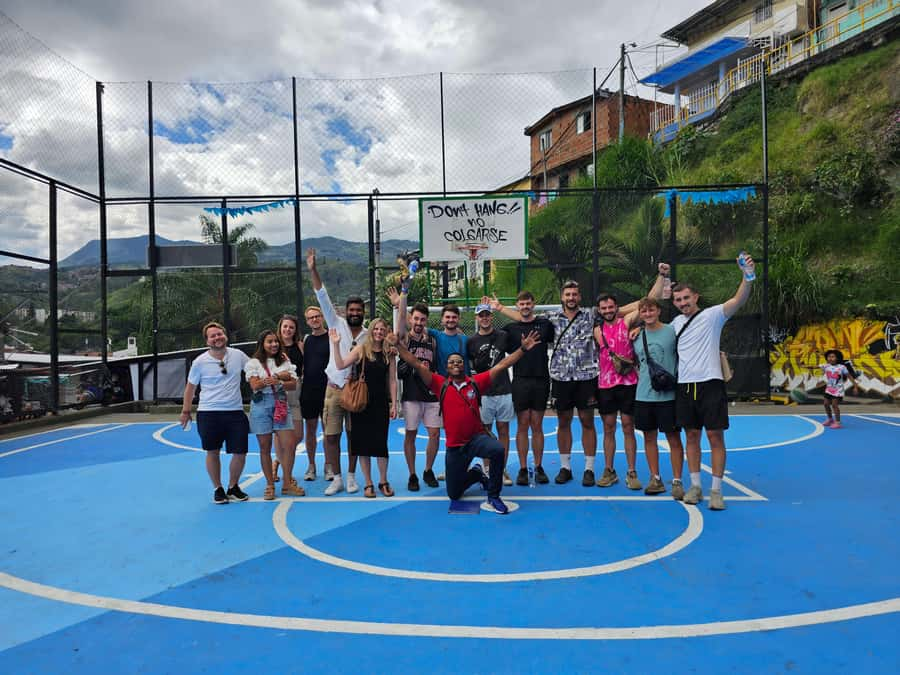
- Cable car and bus access: You begin at San Javier Metro Station, ride the cable car, then continue by public bus toward the 20 de Julio neighborhood.
- A history lesson on foot: The route explains Comuna 13’s armed conflict from 1990 to 2002 and the changes that followed.
- Street art with a local voice: Murals, galleries, Casa Neon or Casa 3D, and a graffiti activity make the art part hands-on.
- Live music and dance: Break dance and rap performances show how local artists helped shape the neighborhood’s public identity.
- Plenty of uphill walking: The route includes steps, slopes, and the famous outdoor escalators, so comfortable shoes matter.
- Small food and drink stops: Coffee, a refreshing drink, and ice cream add welcome breaks during the walk.
Starting at San Javier and rising above Medellín
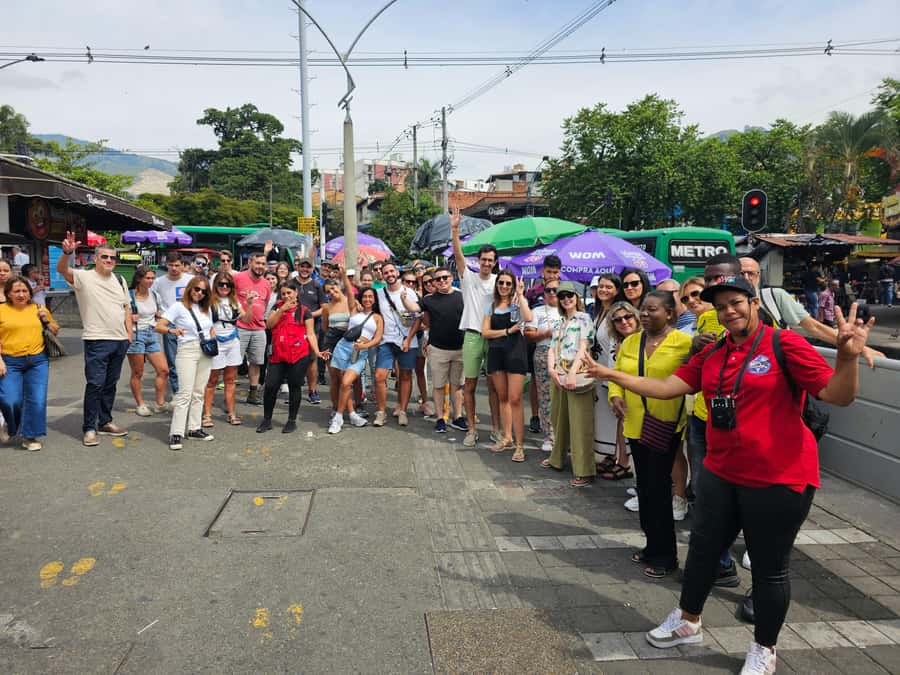
Meet your guide outside San Javier Metro Station at Exit B. Look for a red T-shirt or red jacket near the red public phones. This detail matters because the station area can be busy, and a clear meeting point saves you from wandering around with your phone in hand.
The tour begins with introductions before you board the cable car. This is more than a transport detail. The aerial ride gives you an early sense of Medellín’s scale and geography, with the city spread out below and the hills rising around it. You also get a different view of the neighborhoods than you will later on foot.
The cable car is included in the $33 price, along with the bus ride. That makes the cost reasonable for anyone who would otherwise need to organize several transport connections and a local guide separately. The ride is also a useful opening chapter: you see the city from above before learning how daily life works at street level.
If you have time in Medellín, you might enjoy taking the cable car again at night on your own. One guide specifically pointed out that the daytime and nighttime views feel very different. That extra ride is not part of this tour, but it is a worthwhile tip.
More Guided Tours in Medellin
- Medellín: Comuna 13 and Graffiti Guided Tour with a Local
★ 4.9 · 239 reviews - Medellin: Full Day Guided City Highlights Tour
★ 4.8 · 204 reviews - Medellín: Guided Exotic Fruits Tour
★ 5.0 · 202 reviews
Riding the bus into 20 de Julio
After the cable car, you continue by bus to the 20 de Julio neighborhood. The public transport link keeps the tour connected to ordinary local life rather than treating Comuna 13 as an isolated attraction.
The bus portion is short, about 15 minutes in the published timing. Do not expect a long guided city drive. Its purpose is to get you into the neighborhood efficiently, where most of the experience takes place on foot.
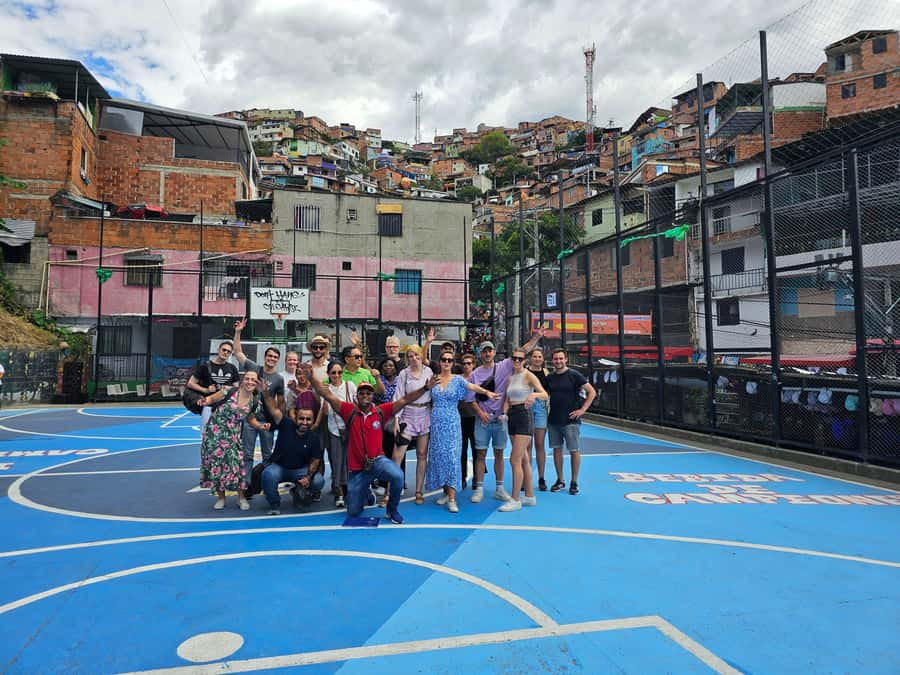
Once you arrive, your guide leads you through Independence sectors 1, 2, and 3. These areas bring the story closer to homes, streets, stairways, and small businesses. The setting is not a museum built for visitors. People live and work here, so listen carefully, ask before photographing people, and follow your guide’s advice about where to stop.
Understanding Comuna 13 from 1990 to 2002
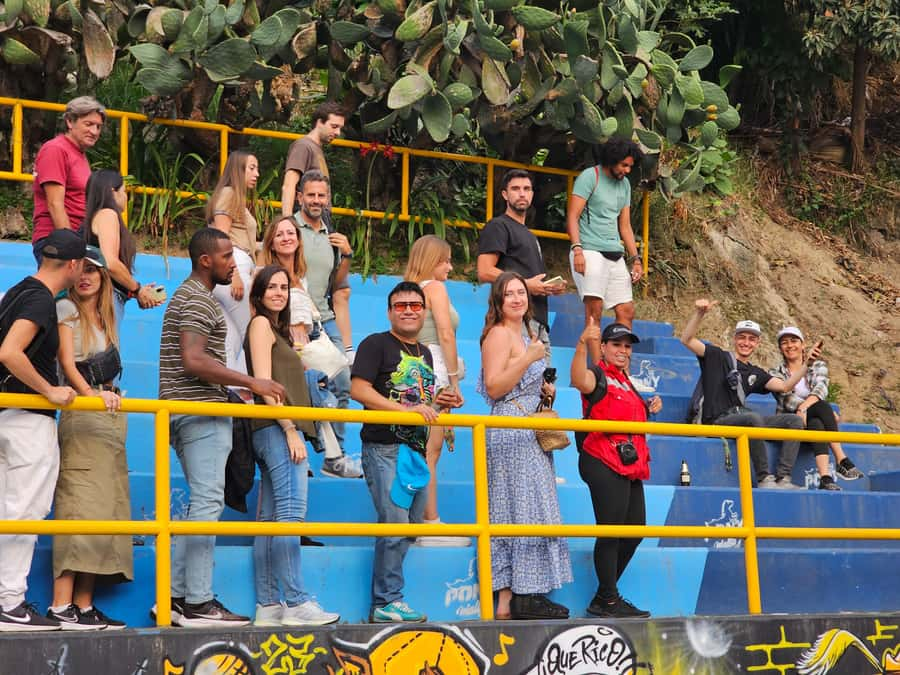
The tour opens the difficult part of Comuna 13’s story with an introduction to the armed conflict that affected the area between 1990 and 2002. That context is essential. Without it, the colorful murals and performances can look like a simple art walk. With it, the art becomes part of a larger story about memory, fear, survival, and public expression.
Your guide explains the past in the streets where the community experienced it. The tone is intended to be educational, but this is not light sightseeing. Some of the material is painful, and the visit to the mass grave mountain adds another serious layer. The mountain is described as one of the largest mass grave sites in South America, so you should be prepared for a sober stop.
I appreciate that the tour does not treat social transformation as a slogan. The route connects the past to the present through public art, performance, transport, and community spaces. You are shown how the neighborhood’s identity is expressed today, while still being reminded that the older story has not disappeared.
Reading the murals and trying graffiti
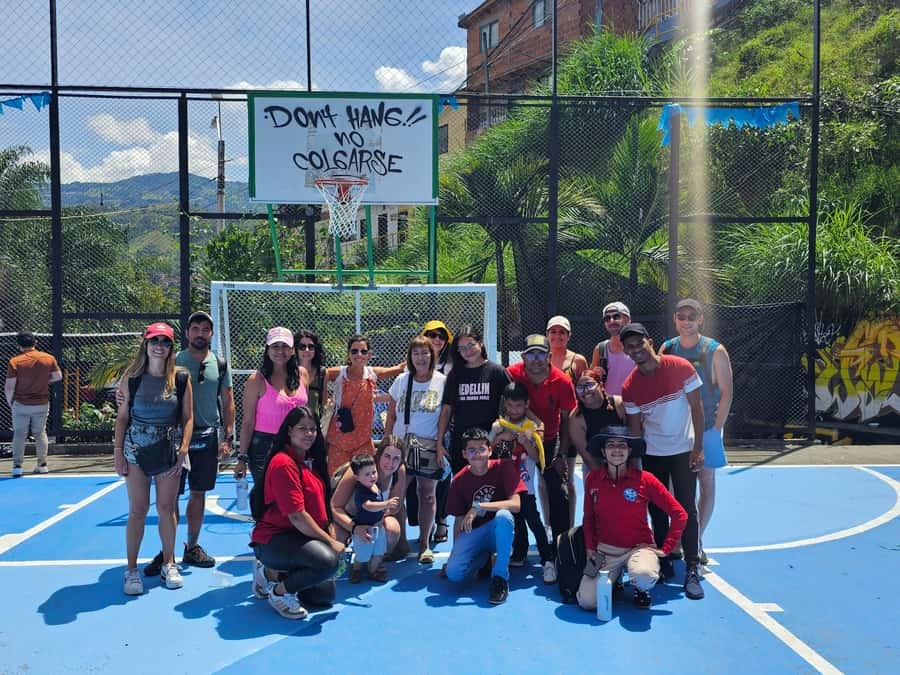
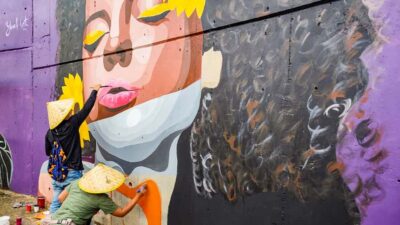
The graffiti is the visual heart of the walk. Your guide explains murals created by different artists from Comuna 13, pointing out how art carries messages about local life and change.
You also have the experience of doing graffiti yourself. The information does not specify the exact format or length of this activity, so think of it as a short creative part of the tour rather than a full art class. It is a good way to look more closely at technique, color, and public art instead of simply taking photographs.
Casa Neon or Casa 3D adds another stop for photographs and visual art. The route also includes art galleries and the chance to see smaller corners beyond the main walkway. If the group is large or the area is crowded, you may not have unlimited time at every mural. Keep your camera ready, but listen first. The guide’s explanation is the part you cannot reproduce later from a photograph.
This is where guides with a personal connection to the area can make a real difference. Leandro, for example, was described as being from the community, while Jonathan was praised for taking visitors through streets and corners they would not have found alone. You cannot guarantee either guide on your date, but the local-guide model is one of the strongest reasons to choose this tour.
More Street Art Tours in Medellin
- Medellin: Comuna 13 Graffiti Tour, Cable Car & Street Food
★ 4.8 · 9,046 reviews - Medellín: Comuna 13 Tour with Snacks And Your Own Graffiti
★ 4.9 · 311 reviews - Medellín: Private Comuna 13 Street Art Tour
★ 4.8 · 88 reviews - 2-Hours Street Art Walking Tour in Medellin Comuna 13
★ 5.0 · 54 reviews
Rap, break dance, and the sound of change
The live break dance and rap performances give the walking route a burst of energy. They are not random entertainment added to fill time. The tour presents these art forms as part of the neighborhood’s transformation and as a way for local voices to be heard.
You should expect a performance rather than a long concert. It is one stop in a fast-moving route, along with the murals and historical explanations. Still, it adds something a static wall cannot. You see how music, movement, and public space work together.
The atmosphere can be lively, and the performance area may draw a crowd. Stay close to your guide so you do not lose the group. If you want photographs, ask before stepping into a performer’s space. A little courtesy makes the stop better for everyone.
The soccer pitch and public escalators
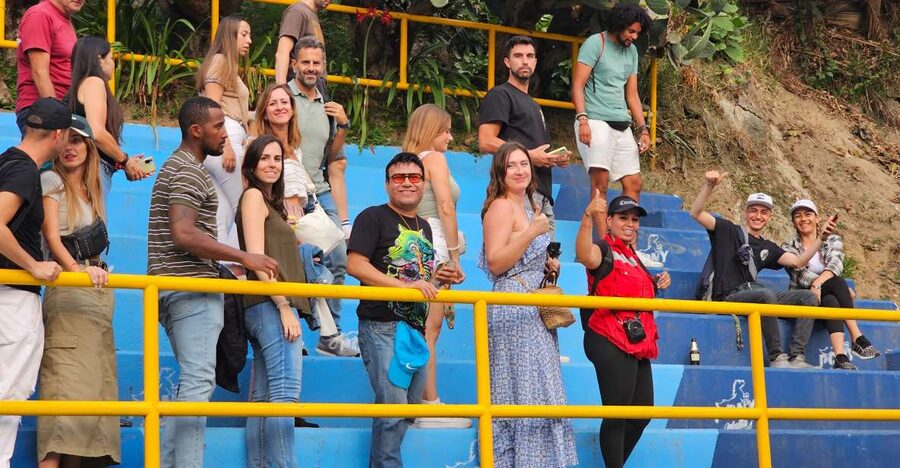
The route visits a famous soccer pitch where celebrities have recorded video clips. It is a useful reminder that this neighborhood has become part of Medellín’s wider cultural identity. The pitch is not presented as a major stadium visit, so keep your expectations modest. Its value comes from the local setting and the stories attached to it.
The outdoor escalators are one of the tour’s most practical and memorable features. They help connect steep parts of the neighborhood and make the climb easier, though they do not remove all walking. You still need to manage slopes and steps before and after the escalators.
Several people who took the tour found the walking demanding, with many stairs going both up and down. Take your time. The guide can explain the stops, but you are responsible for pacing yourself. Comfortable shoes, water, and a willingness to pause will make the afternoon much more pleasant.
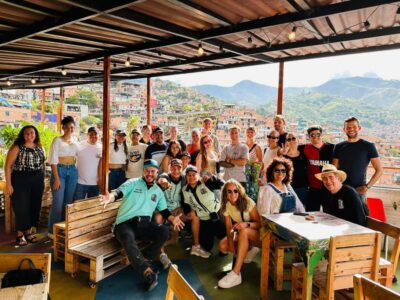
At the top, you get one of the clearest views of Medellín and its notable landmarks. This is a photo stop, but do not rush it. After the close streets and murals, the broad view helps you understand the city’s setting and the physical challenges of building a neighborhood on steep ground.
Coffee, ice cream, and a short local pause
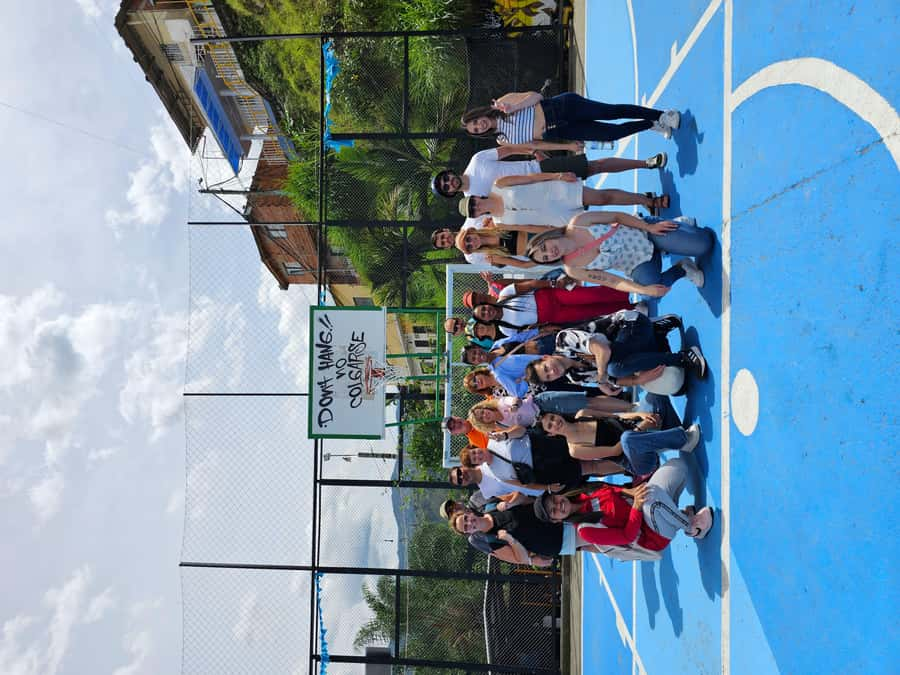
The food and drink stops are modest but well timed. The tour includes ice cream and a refreshing drink, and the itinerary includes a local café stop for tea, shopping, and coffee tasting. Some guides have offered local coffee and ice lollipops, and one particularly useful suggestion was lemon coffee, described as cold and refreshing.
The café stop is listed at about 15 minutes, so this is not a long meal. It gives you a chance to cool down, taste something local, and take a short break before continuing. A separate lunch is not included in the stated package, so do not book this expecting a full food tour.
These small stops also support local businesses. You are not only being moved from mural to mural. You have a chance to buy something, taste a local drink, and see how commerce fits into the neighborhood experience.
The mass grave mountain and the final conversation
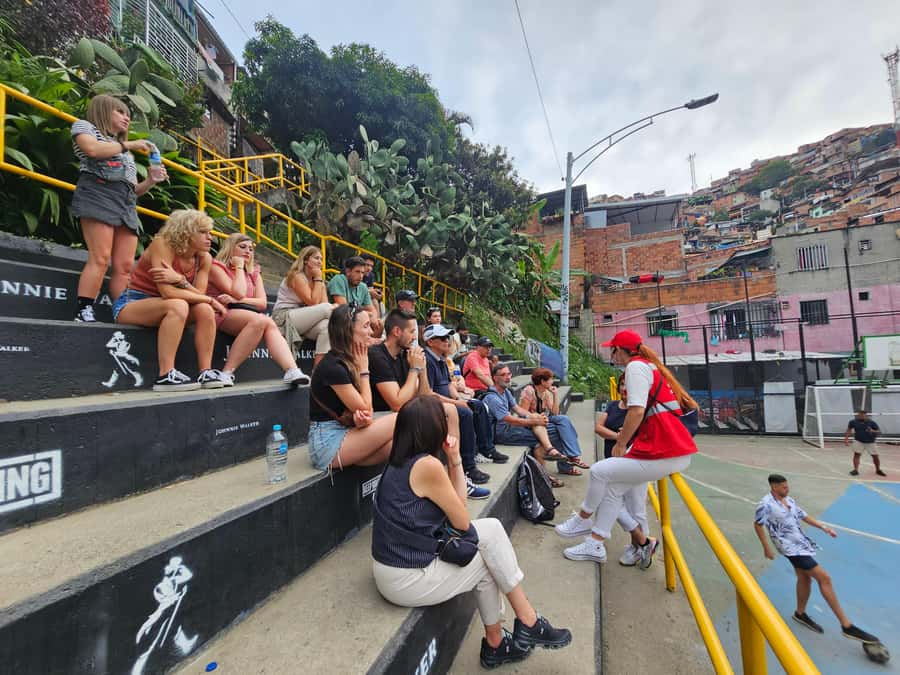
Near the end, the route visits the mass grave mountain, described as one of the largest in South America. This is a serious part of the tour and may feel emotionally heavy after the music, murals, and views.
The guide then discusses social transformation from a place with a good view before the group returns to San Javier Metro Station. That closing conversation is useful because it brings the tour’s main ideas together: violence, memory, art, transport, local pride, and the daily work of changing a neighborhood’s image.
The final return is by public transport. The stated total duration is three hours, though crowding, weather, and the group’s pace can affect how much time you spend at each stop. The tour runs rain or shine, so carry protection from rain and dress for warm walking conditions.
What the $33 price really covers
At $33 per person, this tour offers solid value if you want both transport and interpretation. The price includes the cable car, bus, escalators, guide, performances, graffiti, the 3D house, art galleries, views, a drink, and ice cream. You also get a structured route through several parts of Comuna 13 rather than only visiting the most photographed street.
The strongest value is the guide. A cable car ride and a few murals are easy to arrange, but understanding the conflict and the neighborhood’s changes is harder without local context. Guides such as Laura have been praised for personal stories and warmth, while Samuel has been noted for explaining less tourist-focused streets and answering questions patiently.
The tradeoff is that three hours is compact. You will see many highlights, but you will not have endless time for shopping, photography, or quiet observation. Comuna 13 can also become very crowded, a problem no guide can fully control. If you want a slow, private photographic walk, this is not the best format. If you want a broad introduction with transport, stories, performance, and views, the price is fair.
Who should book this Comuna 13 tour?
I would choose this tour if you want a first visit that combines serious history with present-day culture. It suits you especially well if you prefer learning from a local guide rather than walking through the neighborhood alone with a map.
It is also a good fit for visitors who want English or Spanish guidance, live music, public transport, and a creative activity in one short outing. Solo visitors and small groups can benefit from the clear meeting point and guided route. The tour has also been described as comfortable for two women traveling together, with the guide helping them feel secure.
You should think twice if you dislike crowds, steep walking, public transport, or emotionally difficult subjects. The route includes hills, steps, and changing weather. Alcohol, drugs, and explosive substances are not allowed, and the tour continues rain or shine.
Cancellation is free up to 24 hours before the start, and you can reserve now and pay later. Check the available start times before booking, since the experience lasts three hours and the guide language may be English or Spanish.
Should you book it?
Book this tour if you want Comuna 13 explained through its people, public art, performances, and difficult past. The best parts are the local storytelling, the cable car approach, the murals, the live rap and dance, and the chance to see areas beyond the most obvious photo stops.
Skip it if you want a private, unhurried walk or a simple sightseeing outing with little history. For most first-time visitors to Medellín, though, $33 is a sensible price for a compact introduction that shows both the pain behind Comuna 13 and the creativity shaping its present.
FAQ
Where does the Comuna 13 tour meet?
Meet your guide outside San Javier Metro Station at Exit B, near the red public phones. The guide will wear a red T-shirt or red jacket.
How long does the tour last?
The tour lasts three hours. The listed schedule includes a 15-minute café stop and a 15-minute public transport segment.
What languages are available?
The live guide service is available in English and Spanish.
Does the tour include the cable car and bus?
Yes. The cable car and bus are included, along with the public escalators used during the neighborhood route.
What food and drinks are included?
The tour includes ice cream and a refreshing drink. It also includes a local café stop with tea, shopping, and coffee tasting.
Does the tour run in bad weather?
Yes. The tour takes place rain or shine, so bring suitable protection and wear comfortable shoes for walking on hills and steps.
More Cable Car Rides over Medellin
- Medellín Coffee Farm Tour with Trolley and Cable Car Ride
★ 4.9 · 277 reviews - Medellín: Private Pablo Escobar Tour with Cable Car Ride
★ 4.8 · 228 reviews - Comuna 13 tour and cable car
★ 5.0 · 63 reviews - Medellín: Comuna 13, Cable Cars and Botero Statues Tour
★ 4.8 · 61 reviews
More Comuna 13 Walks
- Medellín: Comuna 13 True Story and Street Food Tour
★ 4.9 · 1,779 reviews - Medellín: Comuna 13 District Tour with Cable Car Ride
★ 4.8 · 1,467 reviews - Medellín: Private City Tour with Metrocable and Comuna 13
★ 4.9 · 330 reviews - City Tour + Commune 13 Medellin
★ 4.5 · 295 reviews
Just added around Medellin
- Commune 13, Graffitour street food. History.All inclusive★ 5.0 · 35 reviews
- City tour, Commune 13, Metro Cable, Botero Park and more. Private★ 5.0 · 34 reviews
- Aerial Hammocks, Zip and Waterfall Trek on Medellin Private Tour★ 5.0 · 39 reviews
- Walking tour downtown Medellín★ 5.0 · 39 reviews
- Tour to the Hacienda Nápoles Theme Park★ 4.0 · 22 reviews
- Hiking Mountains and Magical Forests★ 5.0 · 27 reviews
- Barrio transformation and urban escalator of Comuna 13★ 5.0 · 47 reviews
- Tour Cabalgata★ 5.0 · 37 reviews
Comuna 13 Tours, compared.
Comuna 13 Graffiti Tour, Cable Car & Street Food
Read our review →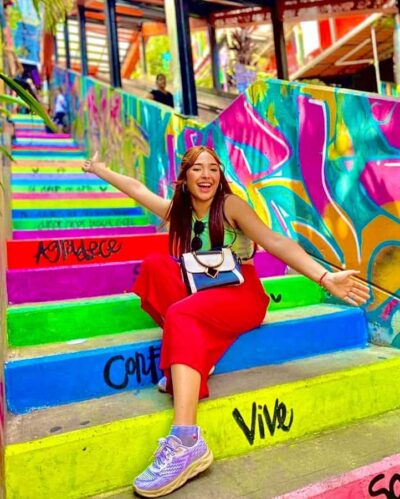
Private City Tour with Metrocable and Comuna 13
Read our review →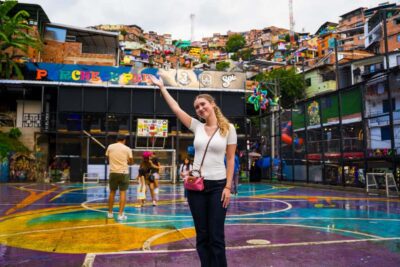
Comuna 13 Tour with Snacks And Your Own Graffiti
Read our review →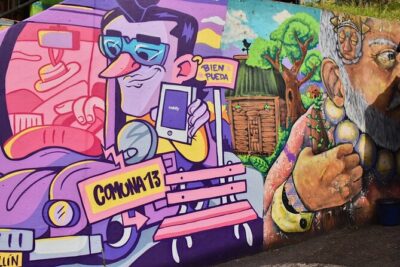
Comuna 13 and Graffiti Guided Tour with a Local
Read our review →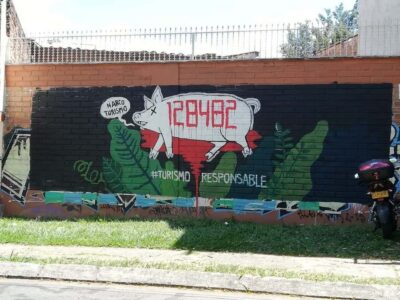
Browse the lists this tour appears in