
Reviewed · MANGROVE TOURS
Typical lunch on beach, mangrove tour & fishing with natives
The most memorable part of this four-hour outing is not simply the boat ride. It is the chance to meet the fishing families who depend on the mangroves, learn how a cast net works, and sit down to a home-style coastal meal cooked by local women. This feels like a visit to a working community, not a quick photo stop.
I especially like the mix of nature and culture. You get a calm trip through the mangroves, then a hands-on fishing lesson with people who know these waters. I also like the lunch: fried fish, coconut rice, patacones, salad, fish soup, and a drink, served at a seaside restaurant. The main thing to consider is transport. One visitor reported a long, uncomfortable pickup ride, even though the tour itself was close to the city. The route and pickup order can matter.
Key details before you book
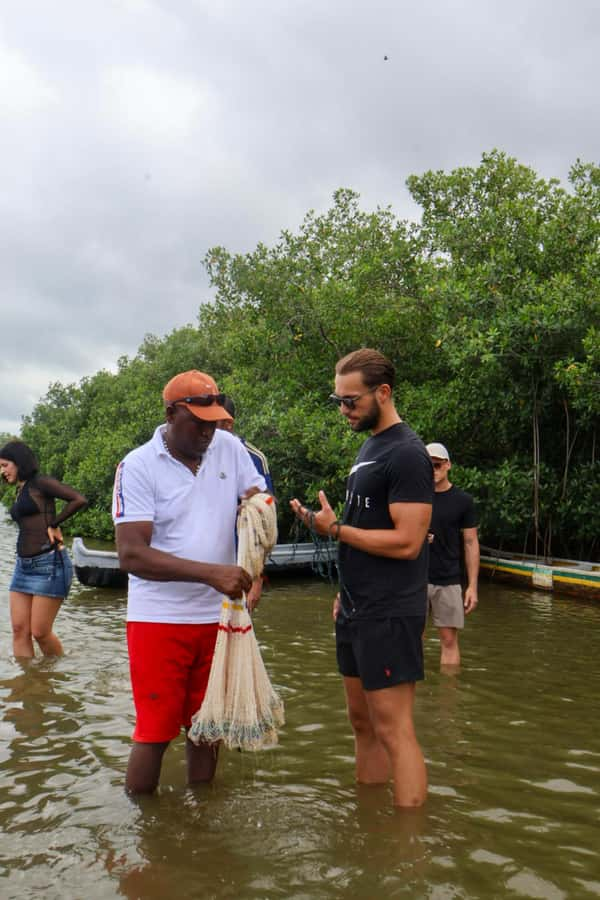
- Fish with local experts: Practice throwing a net and setting crab pots in the mangroves.
- Meet the community: Visit Fisherman Island, an island built by local residents in the middle of the mangrove system.
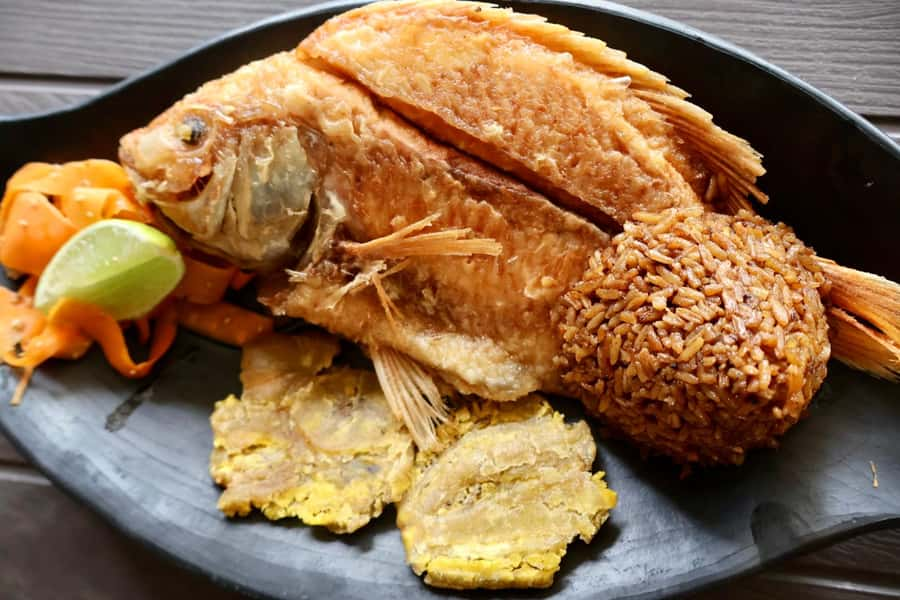
- Eat a full coastal lunch: Expect fried fish, coconut rice, patacones, salad, fish soup, and a drink.
- Guides who connect well: Yeimy, Jamie, Yamil, and other local guides have been praised for friendly, clear English.
- A short escape from Cartagena: The community is about 20 minutes north of the city, though hotel pickup can take longer.
- Plan for uneven access: This outing is not suitable for people with mobility impairments.
Leaving Cartagena for La Boquilla
Pickup is included from your hotel, with drivers described as safe and reliable. The destination is an Afro-descendant coastal community north of Cartagena, generally reached in about 20 minutes by direct drive.
That estimate does not always tell the whole transport story. Pickup tours can collect people in different parts of the city, and one person spent about an hour and 20 minutes on an uncomfortable bus before reaching the starting point. If you have a tight schedule, ask about the expected pickup window and route.
Cruise ship passengers need a little extra planning. One useful instruction is to allow about 15 minutes to walk through the port’s peacock and bird area, pass the first taxi stand, and follow the exit signs until you are outside port security. This is important because the meeting point is not simply beside the ship.
When you arrive, you receive a fresh coconut drink. It is a fitting welcome in this hot coastal setting, and it gives you a first taste of the local way of using what grows nearby. The welcome is personal rather than formal, with the guide introducing you to the community and explaining what will happen next.
More paddles through the mangroves near Cartagena:
- Cartagena: Mangrove Eco Tour & Fishing with Transportation
★ 4.8 · 185 reviews - Full Day Barú island: Mangrove +Snorkel + Sunset + Plankton
★ 3.7 · 139 reviews - Cartagena: Snorkel, Mangroves and Playa Blanca Tour
★ 3.8 · 132 reviews
A gentle route through the mangroves
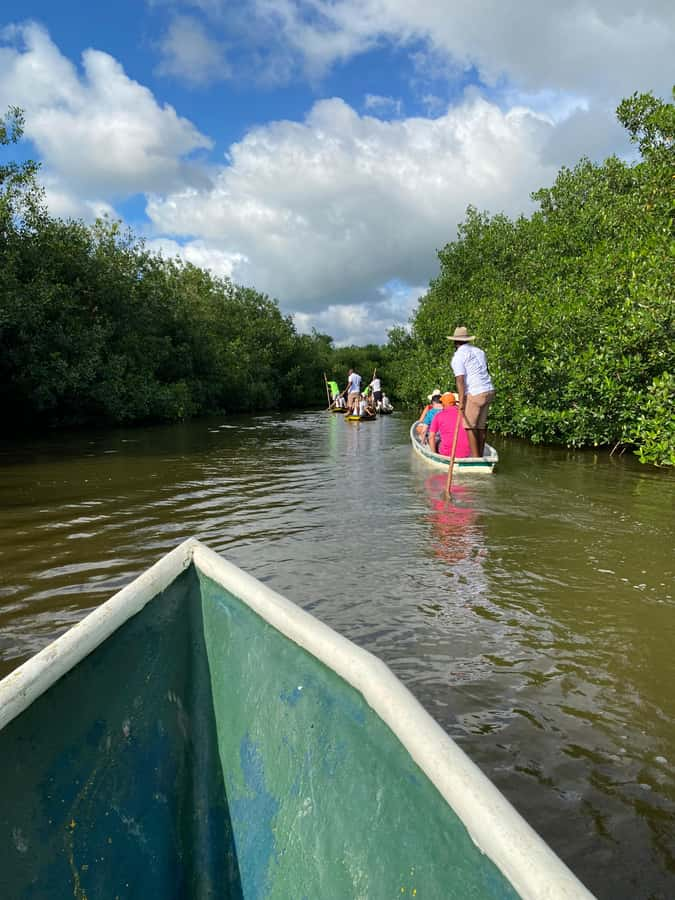
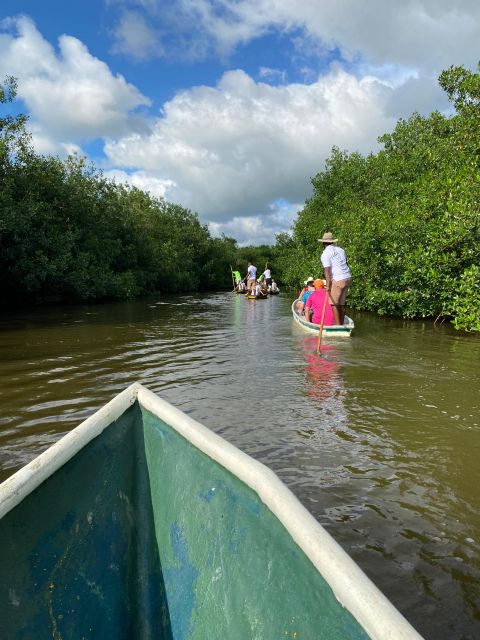
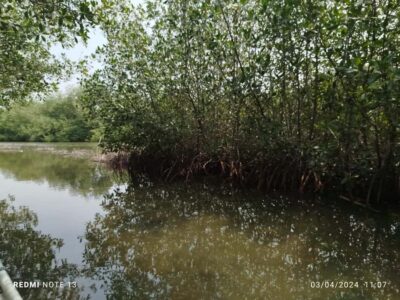
The mangrove portion is the quiet center of the outing. You travel by boat through the waterways and hear how the ecosystem supports fish, crabs, birds, and other wetland species.
Your guide explains the mangroves in practical terms. These trees help protect homes and shorelines from water, while their roots provide shelter for young aquatic life. That makes the trip more than a scenic boat ride. You begin to see why the local fishing economy and the health of the mangroves are tied together.
The route is described as leisurely, not a long expedition into remote forest. One person specifically advised keeping expectations modest about going far into the mangrove or catching fish. You will see the ecosystem and learn about it, but the focus is on understanding the place rather than chasing wildlife sightings.
Birds may appear along the way, and the peaceful water gives the trip a welcome change from Cartagena’s traffic and heat. You might also see other local animals. One family even encountered a friendly raccoon, though wildlife sightings are never guaranteed.
The pace is another advantage. You are not rushed from one photo stop to another. Guides such as Yeimy and Jamie are praised for keeping the group involved, answering questions, and helping solo visitors feel included.
Fisherman Island and the people who built it
A special stop is Fisherman Island, a small island built by local residents in the middle of the mangroves. It is part of the community’s working world, not a polished attraction designed only for sightseeing.
The visit gives you a chance to meet people connected to the fishing tradition. One group was welcomed by a local mayor and drum players, followed by music and dancing to merengue and cumbia. Cultural performances can sometimes feel tacked onto a tour, but here the setting and the local hosts give the music a clear connection to community life.
A short drum presentation is included, and you may be invited to dance. You do not need to be an experienced dancer. The point is to take part, laugh a little, and meet the people who live here.
This stop also gives useful context to the fishing lesson. You are not learning a staged trick from an entertainer. You are seeing a technique used by people whose families have fished these waters for years.
Trying the fishing techniques yourself
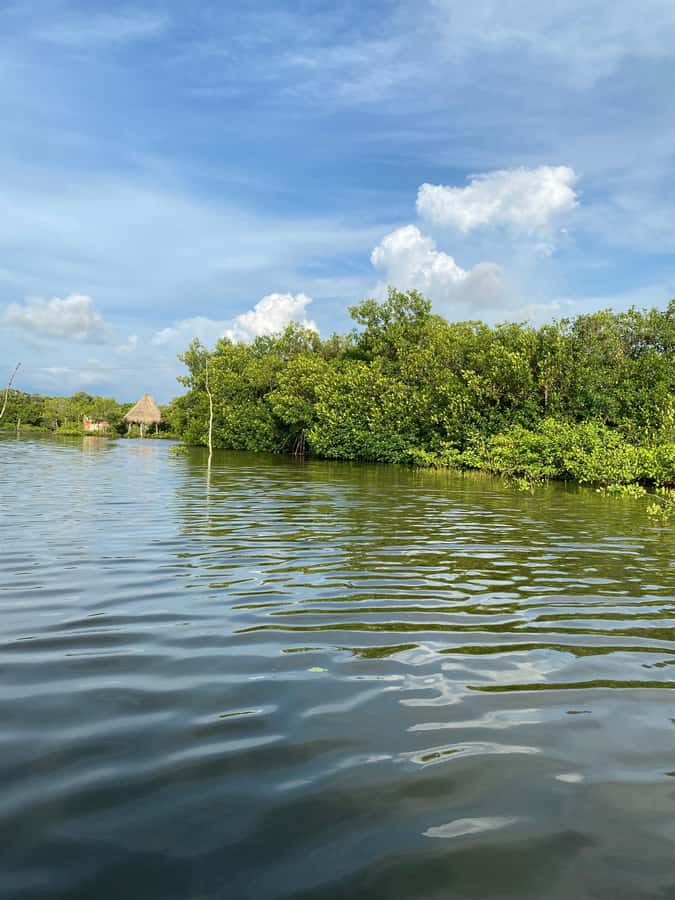
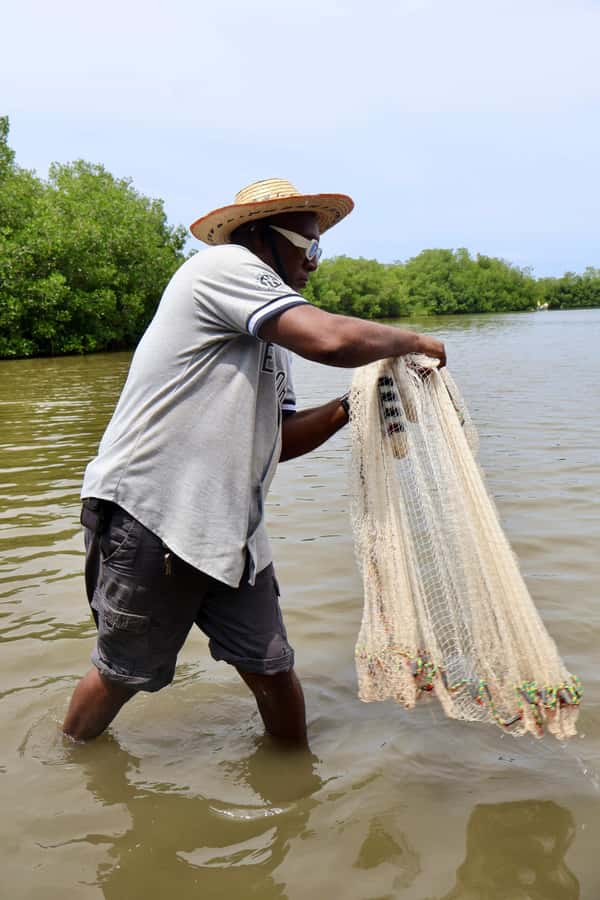
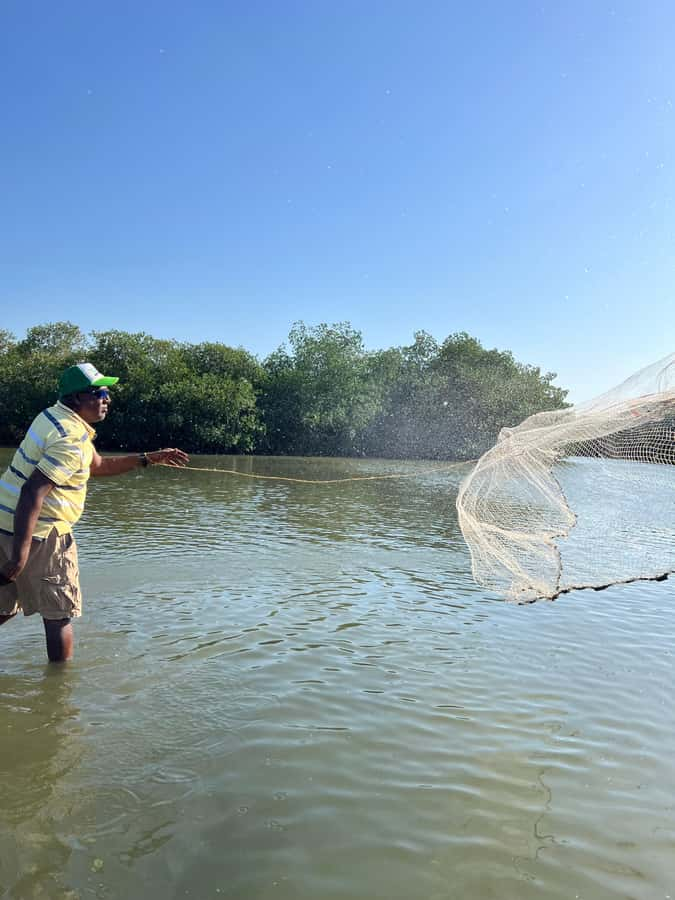
The fishing activity includes a demonstration of artisanal fish and crab fishing. You can practice throwing a fishing net and setting crab pots in the mangrove area.
Casting a net takes more coordination than it appears to from shore. The guide or local fisherman shows you how to handle it, then gives you a turn. Expect a hands-on lesson with plenty of room for imperfect throws. The activity is meant to be fun and participatory, not a test of your ability to provide dinner.
The crab pots offer a second look at local fishing methods. You learn how different traps are used and why the mangrove environment matters to them. Several guides, including Yamil, have been praised for making the lesson clear and relaxed.
Do not book this expecting a guaranteed catch. The best result is learning how the work is done and gaining respect for the skill involved. If you do catch something, it is a bonus rather than the purpose of the tour.
This section suits curious adults, families with older children, and anyone who prefers a cultural activity with something to do. A three-year-old has taken part with extra attention from the guide, but the general access note says the outing is not suitable for people with mobility impairments.
More fishing trips from Cartagena:
- Cartagena Fishing & Crabbing • Unique Local Experience with Lunch
★ 5.0 · 90 reviews - Mangroves, cultural fishing, black heritage town and lunch
★ 4.5 · 29 reviews - Cartagena Fishing, Crabbing, Birdwatching Experience + Lunch
★ 5.0 · 21 reviews
Lunch beside the Caribbean Sea
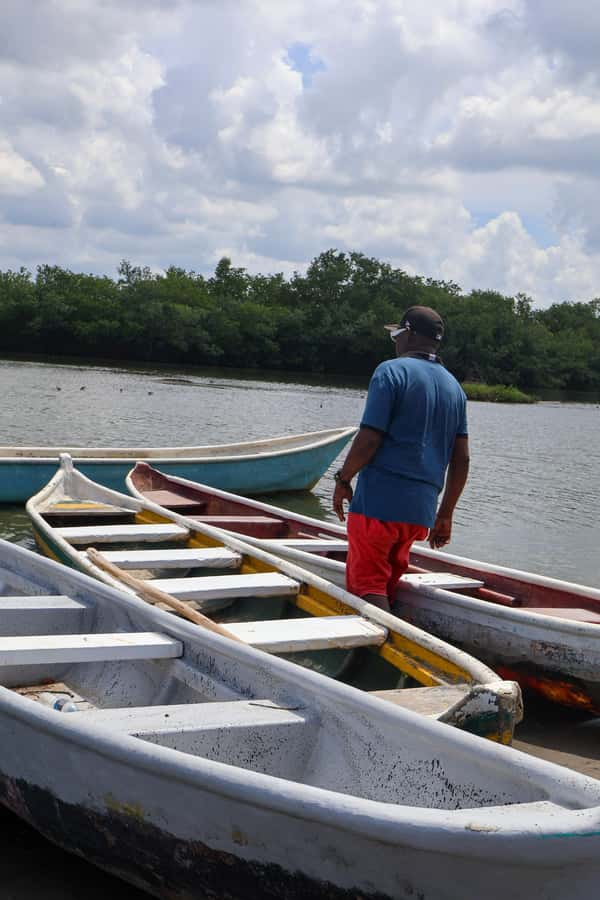
Lunch is scheduled for about 12:30 at a traditional restaurant in front of the sea. Local women prepare the meal in an artisanal style, and the food is one of the strongest reasons to choose this experience.
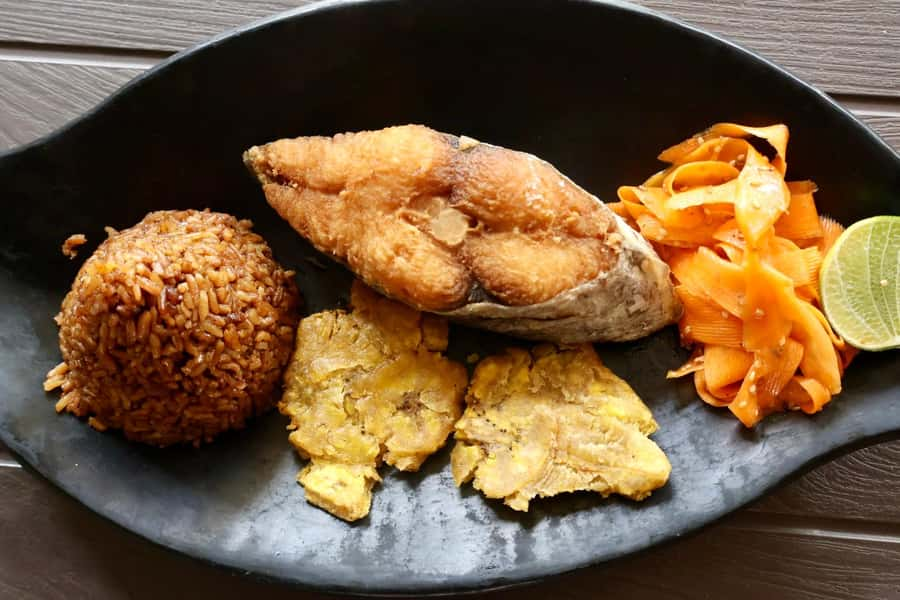
The usual plate includes fried fish, coconut rice, patacones, salad, and fish soup. A drink is included, and the meal is described as generous, so it is wise not to fill up before the restaurant stop.
This is straightforward Caribbean Colombian cooking. The fried fish is the main event, while coconut rice brings sweetness, patacones add crunch, and the soup offers a lighter, savory contrast. One person called it the best fish of the trip, while another warned that the serving was big enough to require some room.
The setting matters as much as the plate. You eat with a view of the sea, then have time to relax on the beach. After the active fishing lesson, this slower hour gives the day a good rhythm.
You should not expect a refined restaurant with a long menu. The value is in the fresh, local meal, the seaside setting, and the connection to the women preparing food for their community. If you want a polished resort lunch, this is not that. If you want a filling regional meal in an authentic setting, it fits well.
The guides make a real difference
The quality of this experience depends heavily on the guide. Names that have received especially strong praise include Yeimy, Jamie, Yami, Yamil, and Alyer.
Yeimy is described as warm, energetic, and good at bringing a small group together. Jamie has been praised for excellent English and for working well with local fishermen. Yamil is described as relaxed and at home in the mangroves, particularly during the net-casting lesson. Alyer is also noted for explaining the setting clearly and keeping the activity fun.
The guide does more than translate. A good guide explains the role of the mangroves, introduces you to local residents, manages the timing, and helps you participate without feeling awkward. That matters during the fishing lesson and the cultural visit, where a friendly introduction can change the whole mood.
English and Spanish are available. The exact guide depends on the date, but the experience has a strong record of bilingual support. If you have questions about ecology, fishing, or daily life in the community, this is a good place to ask them.
What the $84 price includes
At $84 per person, this is not the cheapest way to spend half a day near Cartagena. But the price includes hotel pickup and drop-off, a bilingual guide, the mangrove trip, entrance to Fisherman Island, the welcome coconut, the fishing activity, cultural music, and a full lunch.
That package gives the outing solid value if you want several experiences in one morning. A simple boat trip might cost less, but it would not necessarily include the community visit, hands-on fishing, food, and transport.
I also think the price carries some cultural value. Your money supports local guides, fishermen, cooks, and community hosts rather than sending you only to a commercial beach facility. That does not make every part perfect, but it is a meaningful difference if you want your visit to connect with local livelihoods.
The main value question is your preference. If you want a fast sightseeing loop or a resort beach, spend your money elsewhere. If you want a small-scale outing built around people, food, and the local environment, the price is easier to justify.
Timing, comfort, and practical concerns
The advertised duration is four hours. That is enough time for the welcome, boat route, Fisherman Island, fishing lesson, lunch, and a short period at the beach, but it is not a full-day excursion.
Pickup and drop-off are included, which makes the trip easier than arranging transport to La Boquilla on your own. Still, allow flexibility around the stated duration because hotel collections can add time. If you are visiting from a cruise ship, confirm the meeting instructions carefully and leave room to exit the port area.
Wear clothing that can handle heat and water spray. The supplied information does not specify equipment, so do not assume that specialized fishing gear or beach facilities are provided. Comfortable clothes and practical footwear are sensible choices.
The activity is not suitable for people with mobility impairments. You will be moving through a community, boarding or riding in a boat, walking around the island, and taking part in a fishing demonstration. If you have a mobility concern, ask the operator for precise access details before paying.
The tour is available in English and Spanish. Cancellation is free up to 24 hours before the activity, and you can reserve now and pay later, which helps if your Cartagena plans may change.
Who should choose this outing
I would choose this for someone who wants to see more than Cartagena’s historic center and beaches. It suits you if you enjoy meeting local people, eating regional food, learning a practical skill, and spending time outdoors without needing an intense adventure.
Families can enjoy it, especially if children like boats, animals, fishing, and hands-on activities. A guide has also been praised for giving careful attention to a young child. Even so, parents should consider the heat, boat travel, and uneven access.
Solo visitors may find the social side helpful. The guides make an effort to include people traveling alone, and the combination of music, fishing, and a shared meal gives you natural ways to meet others.
This is less suitable if you dislike seafood, want a guaranteed catch, need a highly accessible route, or have only a few hours before a firm departure. It is also not the right pick if your main goal is a remote wilderness trip. The mangroves are calm and interesting, but the route is leisurely and close to Cartagena.
Should you book the mangrove and fishing tour?
Book it if you want a relaxed, people-centered half-day with a real sense of place. The strongest reasons are the local guides, the chance to practice net fishing, the visit to Fisherman Island, and the generous coastal lunch.
Before booking, check your pickup timing and make sure the physical demands work for you. If you are willing to trade polished resort comfort for a community visit, this is a strong value at $84. It gives you nature, food, music, and conversation in one compact outing, with the local fishing tradition at its center.
FAQ
Where does the tour take place?
The experience takes place in an Afro-descendant coastal community north of Cartagena, identified in the tour information and visitor directions as La Boquilla. The drive is described as about 20 minutes from the city, though pickup routes can take longer.
How long does the experience last?
The activity lasts four hours. The schedule includes hotel pickup and drop-off, the mangrove route, Fisherman Island, artisanal fishing, lunch, and time at the beach.
Is hotel pickup included?
Yes. Pickup and drop-off from your hotel are included, with drivers described as safe and reliable.
What languages are available?
The tour is offered in English and Spanish. A bilingual local guide leads the experience.
What food is served for lunch?
Lunch includes fried fish, coconut rice, patacones, salad, fish soup, and a drink. It is prepared by local women and served at a traditional restaurant in front of the sea.
Can I try fishing during the tour?
Yes. You can practice throwing a fishing net and setting crab pots as part of the artisanal fish and crab fishing activity. A catch is not guaranteed.
Is the tour suitable for people with mobility impairments?
No. The activity is listed as unsuitable for people with mobility impairments. It includes boat travel, walking around the community and island, and participation in a fishing activity.
Just added around Cartagena
- Exotic Yacht – Tour through the bay of Cartagena★ 3.7 · 4 reviews
- White Night Boat Party: Dinner Buffet, Dancing and Open Bar★ 4.6 · 3 reviews
- Volcan del Totumo + Playa + Piscina★ 4.7 · 4 reviews
- cartagena: Mucura and Santa Cruz Islands Tour spectacular★ 4.0 · 12 reviews
- Enjoy the totumo volcano from cartagena + snack★ 4.0 · 11 reviews
- 5 islands tour to rosario Islands with snorkeling activity!★ 4.5 · 36 reviews
- Romantic Date Night in the Bay of Cartagena★ 5.0 · 47 reviews
- Totumo volcano tour + snack★ 4.5 · 44 reviews
Mangrove Tours, compared.
Mangrove Eco Tour & Fishing with Transportation
Read our review →
Full Day Barú island: Mangrove +Snorkel + Sunset + Plankton
Read our review →
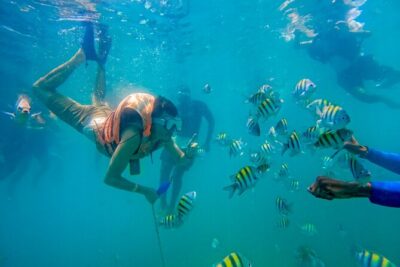
Adventure full day Isla Barú + Mangroves + Snorkel + bioluminescent plankton
Read our review →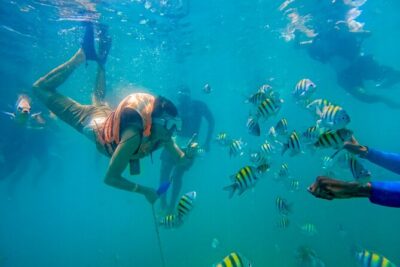
Magical Full-Day Tour Through The Mangroves And The Beach In Isla de Barú
Read our review →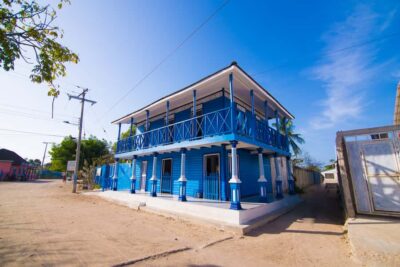
Browse the lists this tour appears in