
Reviewed · PALENQUE CULTURAL TOURS
Visit Palenque with natives : history, culture and ancestral legacy
San Basilio de Palenque is not a museum exhibit. It is a living community with its own language, music, customs, and memory of resistance. This tour takes you from the welcome center to the monument of Benkos Bioho, then into homes, patios, streets, music spaces, and a local boxing setting.
I like the native-led storytelling, which gives the visit a personal link to the town. I also like the hands-on parts: playing traditional instruments, learning a few Palenque words, trying boxing movements, and tasting fish cooked in coconut sauce. The main drawback is the heat. You will walk a lot, and most stops do not have air-conditioning.
Key points
- A private six-and-a-half-hour visit: Your group takes part without sharing the tour with other groups.
- Native guides at the center: Guides including Neudis, Romeo, Royman, Victor, and others explain their home and traditions.
- Nine varied stops: History, traditional housing, medicine, music, murals, religion, boxing, and food all have a place.
- A real community setting: This is a visit through Palenque itself, not a staged attraction outside town.
- Lunch and cold water included: Choose from fish, chicken, steak, pork, or a vegetarian meal.
- Plan for tropical heat: Wear sneakers, carry water, and bring a hat, fan, umbrella, or water spritzer if you need help staying cool.
Why San Basilio de Palenque Matters
San Basilio de Palenque carries a story that reaches back to the era of Spanish colonial rule. The tour begins with Benkos Bioho, a formerly enslaved man who organized communities of resistance and helped create systems for military defense and political negotiation.
At his monument, you learn how he became a founding figure for the people of Palenque. The details matter because the town’s customs are not presented as isolated folklore. They connect to a long effort to protect freedom, identity, family, and community life.
The community is also widely presented as the first free Black town in the Americas. That idea gives the rest of the visit added weight. When you hear the local language or see traditional food prepared, you are seeing part of a culture that survived pressure to disappear.
I would come prepared to listen more than to rush from one photo stop to the next. The value here is not a single spectacular sight. It is the way several ordinary-looking places add up to a clear picture of Palenque life.
More San Basilio de Palenque day trips:
- Cartagena: Palenque´s tour, dance show, lunch, pick-Up inclu
★ 4.7 · 182 reviews - Tour a san Basilio de Palenque desde cartagena
★ 5.0 · 123 reviews - Cartagena: Palenque Tour and Road to Emancipation
★ 4.5 · 83 reviews
The Welcome at the Tourist Parador
The first stop is the tourist parador, where the group receives an introduction to the community. This is where you get your bearings and hear the basic outline of Palenque’s past and present.
The one-hour opening gives the visit a useful frame. Without it, a mural, medicinal plant, or religious custom could seem like a separate curiosity. With it, you can connect each later stop to the town’s larger story.
Guides such as Neudis, Romeo, Royman, and Victor have been praised for explaining the subject with warmth and energy. English-speaking groups may also have a translator, including Gabriel or Liliana, depending on the arrangement. If you need translation, confirm that detail when booking.
Benkos Bioho and the Story of Resistance
The monument to Benkos Bioho receives about 30 minutes. This is one of the most important stops because it introduces the person who helped organize maroon communities and set the foundations for Palenque’s independence.
You will hear several names connected with him: Benkos Bioho for the community, Domingo Bioho in colonial records, and the king of the arquebuco in legend. These names show how one figure can be remembered differently by local people, oral tradition, and colonial authorities.
The stop is not only about a statue. It explains why resistance is central to Palenque identity. I find this especially useful for anyone who knows Cartagena mainly through its fortifications and colonial center. Palenque adds another part of the region’s story, one told from the viewpoint of people who escaped enslavement and built their own society.
Inside the Simankongo House Museum
The Simankongo House Museum represents a traditional Palenque home. In roughly 30 minutes, you see ancestral household elements and learn how earlier generations lived.
This stop gives physical shape to the history. A discussion of freedom and community can feel abstract. A traditional home, by contrast, lets you think about daily routines, domestic space, and the practical ways cultural knowledge passes between generations.
Do not expect a large museum complex. The interest is in the setting and the explanation. A local guide can tell you what an object or room means, which is far more useful than simply looking at displays without context.
More historical tours in Cartagena:
- Cartagena: Historic Center and Getsemaní Shared Walking Tour
★ 4.9 · 2,716 reviews - Cartagena Instagrammable History
★ 4.5 · 29 reviews - Mangroves, cultural fishing, black heritage town and lunch
★ 4.5 · 29 reviews - Cartagena: History, Culture & Coffee Experience
★ 5.0 · 5 reviews
Plants and Care in the Medicinal Patio
The medicinal patio introduces ancestral medicine with traditional practitioners and the plants used to treat different ailments. The scheduled visit lasts about 30 minutes.
This part of the tour shows that heritage is not limited to songs, clothing, or monuments. It also includes knowledge about plants and care. You learn how local people understand traditional remedies and why this knowledge still matters within the community.
Approach this stop with respect. It is an introduction to cultural practice, not a substitute for modern medical advice. The setting also helps you see how much local knowledge can be held in a small space, passed along through conversation and demonstration.
Making Music with Kombilesa Mi
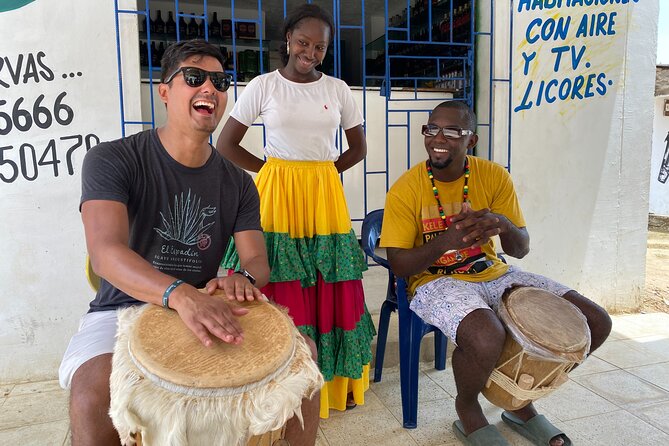
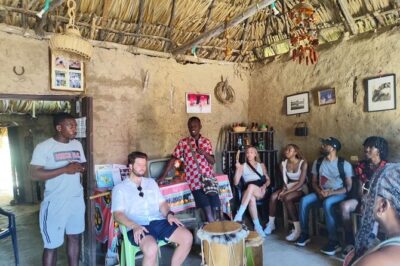
Kombilesa Mi is a cultural and musical movement from Palenque. Here you can meet figures connected with the group and try traditional instruments. This is one of the tour’s most interactive sections.
You are not simply seated for a performance. You have the chance to interpret the music yourself, which makes rhythm and instruments easier to understand. Several people have considered the music portion a highlight, and I can see why. A short explanation of sound becomes more memorable when you are holding an instrument and taking part.
The tour does not include the separate Batata traditional music and dance presentation. That distinction matters. You receive a cultural music experience through Kombilesa Mi, but the additional Batata presentation is not part of the advertised package.
Murals That Explain Palenque Identity
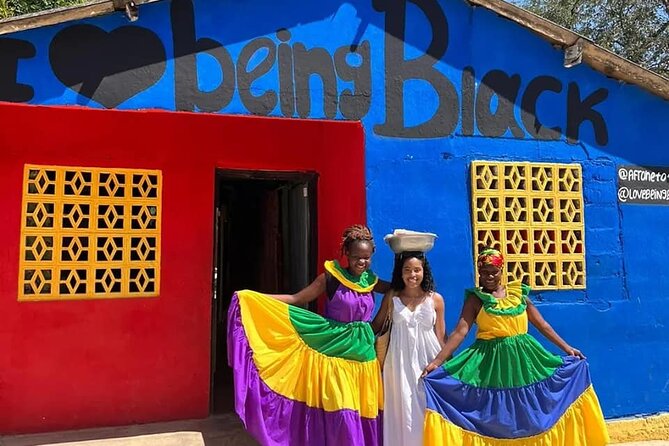
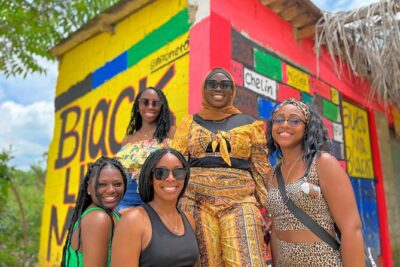
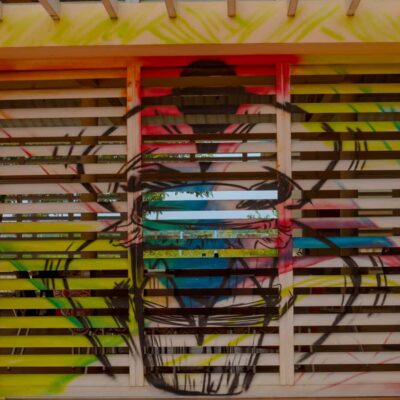
The cultural mural route takes you through Palenque’s streets for about 30 minutes. Each mural has a meaning connected to identity, history, or community life, and you have time to photograph the artwork.
This is a good point in the tour to notice how public space carries memory. The walls are not just colorful backgrounds. They help explain the people, events, and values that the community wants to keep visible.
You will be walking outdoors, often in strong heat. Take your photographs, but keep listening to the explanation. The mural itself may catch your eye first, while the story behind it is what makes the stop worthwhile.
Religion Beyond the Imposed Structure
The religiousness stop looks at the imposition of Catholicism and the forms of religiosity that remained meaningful in Palenque. It lasts about 30 minutes.
The wording of this part is important. The guide does not present religion as a simple replacement of one belief system by another. Instead, you examine how outside religious structures were imposed and how local people retained their own understanding of spiritual life.
This can be one of the more thoughtful parts of the visit. It asks you to notice the difference between official religion and lived belief. Listen carefully, since the subject may be explained through local experience rather than a standard church tour.
Boxing and the Kid Pambelé Monument
The Kid Pambelé monument honors Antonio Cervantes Reyes, known as Kid Pambelé, a major Colombian boxing figure. The stop also ends with a short boxing class.
The connection to Palenque is more than athletic. The tour explains his importance to Colombian boxing and his contribution to the development of the community. You then get a small physical taste of the sport through basic movements.
This is a lively change of pace after the museum, medicine, and religious discussions. It also shows how a community can celebrate achievement through a public figure. You do not need to be a boxer to enjoy this stop, though comfortable shoes will help.
Lunch Cooked from Fire to Bijao
The final stop is lunch, described as from the fire pit to the bijao. The menu includes fish in coconut sauce, fried fish, fried chicken, steak, stewed pork, and vegetarian choices.
Food is one of the clearest ways to understand place. The fish in coconut sauce connects local ingredients with a cooking style that feels rooted in the community rather than designed for a hotel dining room. You also have enough choice to make the meal workable for different tastes.
Lunch lasts about an hour. Bottled water is included, and cold water has been supplied during particularly hot outings. Still, carry your own water as well. The heat can be tiring before you reach the meal, especially if you are not used to long walks in Cartagena’s climate.
Guides, Translation, and the Feel of the Visit
The tour’s strongest feature is the local connection. Guides such as Neudis and Royman have been described as passionate about Palenque, while Romeo and Victor have been praised for keeping the experience friendly and engaging. Their role is not just to recite dates. They introduce you to places and people connected with their home.
Some outings include an English translator. Gabriel has helped groups follow detailed explanations, while Liliana has also provided translation. This can make a major difference because the tour covers language, religion, medicine, and personal stories. Ask about translation if you are not comfortable following Spanish.
The experience is private, so only your group participates. That gives you more freedom to ask questions and take part in the music or boxing activity. It also means the quality can depend on the guide assigned to your date. One person felt the guidance was less formal than expected, so you should choose this tour for its local connection rather than for a polished, scripted production.
The Six-and-a-Half-Hour Schedule
The full experience lasts about 6 hours and 30 minutes. The listed stops add up to a substantial day: one hour at the parador, half-hour sections at the monument, house museum, medicinal patio, music space, mural route, religiousness stop, and boxing monument, followed by a one-hour lunch.
That pacing gives you a broad view of Palenque, but it is not a quick side trip. You will spend much of the day moving between outdoor locations and taking part in short presentations. If you prefer one major sight with plenty of free time, this may feel busy.
I would wear sneakers and light clothing. Bring a hat, umbrella, fan, or water spritzer if heat bothers you. There is little air-conditioning in the buildings, and the streets can feel hot. A small amount of flexibility helps too, since conversation and local demonstrations can make the schedule feel less rigid than a standard city tour.
Is the $102 Price Fair?
At $102 per person, the price is not the cheapest way to spend a day outside Cartagena. It includes an air-conditioned vehicle, bottled water, lunch, and a private visit with multiple community-based stops.
The value comes from the range of access. You are not paying only for transport to Palenque. The day includes local interpretation, a traditional house, ancestral medicine, music, murals, religion, boxing, and a full meal. Separate entrance charges are not listed for the stops, but the experience connects you with several people and places that would be difficult to arrange on your own.
For a solo visitor, the price may feel high compared with a basic shared excursion. For friends, couples, or families who want a private setting, it becomes easier to justify. I would also view the booking as a way to support local tourism, which is a central part of the experience.
The tour is booked, on average, 26 days ahead, so I would not leave it until the last moment if Palenque is important to your Cartagena plans.
Who Should Book This Palenque Tour?
You should consider it if you want:
- A cultural experience led by people from the community
- A fuller explanation of Palenque’s history and identity
- Music, food, medicine, murals, and sport in one day
- A private tour rather than a shared group
- An interactive visit where you can play instruments and try boxing movements
- A meaningful day trip beyond Cartagena’s historic center
It may not suit you if you dislike heat, walking, or a schedule with many short stops. It is also not the best choice if you want a formal museum tour with polished exhibits and air-conditioned rooms throughout.
The tour is suitable for most people, and the activity information says most participants can take part. Still, the heat and walking are practical concerns, so plan for them rather than treating them as minor details.
Booking, Weather, and Cancellation
Confirmation is received at the time of booking. Free cancellation is available if you cancel at least 24 hours before the start time. Changes or cancellations made less than 24 hours before the start time are not accepted for a refund.
The experience needs good weather. If poor weather causes cancellation, you are offered another date or a full refund. The same applies if the minimum number of participants is not reached.
Should You Book It?
I would book this tour if you want to understand Palenque through its people and daily traditions, not just take a quick photograph beside a monument. The strongest parts are the native guides, the chance to take part in music and boxing, the medicinal patio, and the meal.
Book with realistic expectations. This is hot, active, and community-based. It may feel less polished than a large commercial operation, but that is also part of its appeal. Bring comfortable shoes, extra water, and patience for conversation. If you do, the $102 price buys a full and unusually personal day beyond Cartagena.
FAQ
How long does the Palenque tour last?
The experience lasts approximately 6 hours and 30 minutes.
How much does the tour cost?
The listed price is $102 per person.
Is this a private tour?
Yes. This is a private activity, so only your group participates.
What transportation is included?
An air-conditioned vehicle is included.
Is lunch included?
Yes. Lunch includes choices such as fish in coconut sauce, fried fish, fried chicken, steak, stewed pork, and vegetarian food.
Is bottled water included?
Yes. Bottled water is included.
Is the Batata music and dance presentation included?
No. The traditional Batata music and dance presentation is not included.
Can most people participate?
Yes. The activity information says most people can participate, though you should plan for heat and considerable walking.
What happens if the tour is canceled because of bad weather?
You are offered a different date or a full refund if poor weather causes the experience to be canceled.
Just added around Cartagena
- Exotic Yacht – Tour through the bay of Cartagena★ 3.7 · 4 reviews
- White Night Boat Party: Dinner Buffet, Dancing and Open Bar★ 4.6 · 3 reviews
- Volcan del Totumo + Playa + Piscina★ 4.7 · 4 reviews
- cartagena: Mucura and Santa Cruz Islands Tour spectacular★ 4.0 · 12 reviews
- Enjoy the totumo volcano from cartagena + snack★ 4.0 · 11 reviews
- 5 islands tour to rosario Islands with snorkeling activity!★ 4.5 · 36 reviews
- Romantic Date Night in the Bay of Cartagena★ 5.0 · 47 reviews
- Totumo volcano tour + snack★ 4.5 · 44 reviews
Palenque Cultural Tours, compared.
Palenque´s tour, dance show, lunch, pick-Up inclu
Read our review →
Tour a san Basilio de Palenque desde cartagena
Read our review →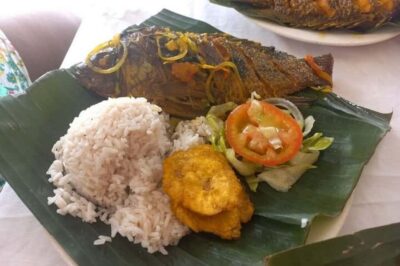
Tour cultural to san Basilio de Palenque from cartagena
Read our review →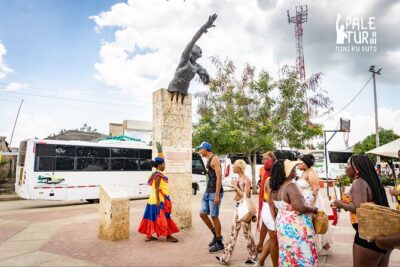
Private Tour with Certified Guide of San Basilio De Palenque
Read our review →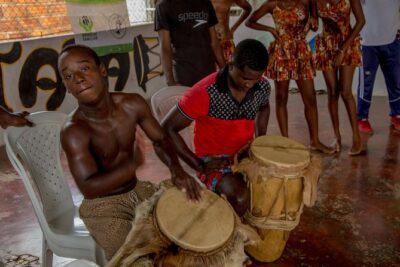
Browse the lists this tour appears in