
Reviewed · PALENQUE CULTURAL TOURS
Private Tour with Certified Guide of San Basilio De Palenque
San Basilio de Palenque is not just a day trip from Cartagena. It is a place where African language, music, food, medicine, and boxing remain part of daily life. This private tour puts you with a local guide who can explain the town through its people, not just through dates and monuments. The live drum session and the chance to play along make the visit feel active rather than like a walk through a museum.
I especially like the combination of a hands-on cooking class and a full meal, plus the visits to the traditional medicine garden and boxing coliseum. You get several ways to meet the culture: through taste, sound, movement, and conversation. The main drawback is practical. San Basilio has basic facilities, including outdated toilets, so you should be comfortable with a simple setting and a moderate amount of walking.
Key points to know before booking
- A private visit to an important Afro-Colombian community: Your group travels together with a native guide rather than joining a large coach tour.
- Music is part of the visit: You hear a live drum show and practice basic rhythms and steps with local instruments.
- Food is a major feature: You make coconut sweets, taste tropical fruit flavors, and learn traditional cooking techniques before lunch.
- The tour covers more than sightseeing: The schedule includes ancestral medicine, local boxing, history, language, and music.
- Cartagena transport is included: A comfortable air-conditioned car takes you to and from San Basilio de Palenque.
- Allow 4 to 6 hours: The core village program takes about four hours, with another hour at the Benkos Bioho monument and driving time.
Why San Basilio de Palenque matters
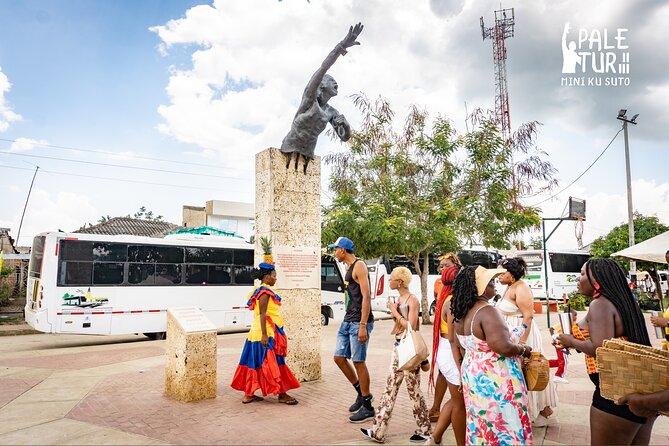
San Basilio de Palenque is widely recognized as a major center of African heritage in the Americas. Its story is tied to escaped Africans who formed independent communities in Colombia, and Benkos Bioho is remembered as an important figure in that struggle.
This context gives the visit more weight than a standard excursion from Cartagena. You are not simply looking at colonial buildings or taking photos in a picturesque village. You are entering a community where language, music, food, religion, healing practices, and sport carry traces of African roots.
The tour does a good job of presenting this culture through local activity. You hear explanations from a native guide, but you also meet people who cook, make sweets, tend medicinal plants, and teach music or boxing. That combination helps you understand how heritage continues through ordinary work.
The experience is private, so your group can ask questions without trying to hear a guide over a crowd. That matters here. The subject is personal and sometimes complex, and you may want to pause for an explanation or spend more time on a particular tradition.
More Guided Tours in Cartagena
- Cartagena: Guided Street Food Tour with Tastings
★ 4.9 · 833 reviews - Cartagena: Guided Tour, with La Popa Convent, and San Felipe
★ 4.4 · 599 reviews - Cartagena: Totumo Mud Volcano with Bilingual Guide
★ 4.2 · 101 reviews
The ride from Cartagena to a different Colombia
The experience includes transportation from Cartagena in an air-conditioned car. That is a valuable part of the package, especially if you are visiting in hot weather. You do not need to arrange a taxi, negotiate a long-distance fare, or figure out where to change vehicles.
The exact total time is listed as approximately four to six hours. The program itself includes about one hour at the Benkos Bioho monument and four hours in San Basilio de Palenque, so the final schedule depends on the driving time and the pace of your private group.
Use the ride as a transition from Cartagena’s tourist center to a community with a different rhythm. The air conditioning will be welcome, but this is still a cultural outing rather than a resort-style trip. Wear light clothing, bring water, and expect some walking and active participation.
A moderate level of fitness is recommended. You do not need to be an athlete, but you should be comfortable walking around town, standing during demonstrations, trying basic dance or drum movements, and taking part in a short boxing lesson.
Beginning at the Benkos Bioho monument
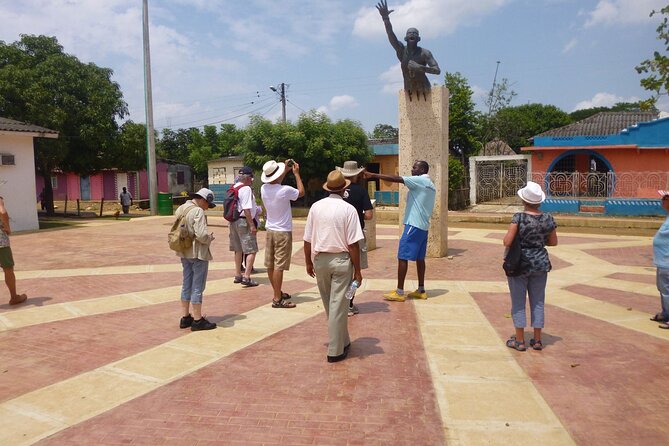
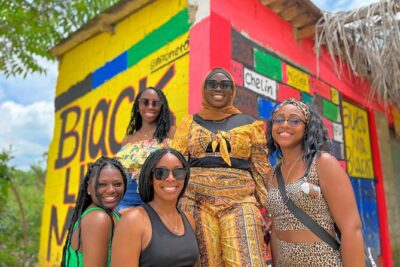
The first stop is the Monumento a Benkos Bioho. Here, your local guide takes you around the square and explains the ancestral culture and traditions connected with the town.
This is a useful opening because it gives the rest of the visit a frame. Before you taste a sweet, pick up a drum, or put on boxing gloves, you learn why San Basilio de Palenque matters and how its people understand their own past.
The monument is not treated as a quick photo stop. The guide uses the square to introduce local identity and the traditions you will see later. You can ask questions early, which may help you notice details during the village visit that you would otherwise miss.
Admission is included, and there is no separate ticket charge. Plan for roughly an hour here. Since the visit is private, you can ask your guide to clarify names, customs, or historical points rather than simply moving on with a fixed crowd.
Walking through San Basilio de Palenque
The main portion of the experience takes place in San Basilio de Palenque itself. Your guide leads you to key local sites and explains the town’s ancestral knowledge, customs, and daily practices.
The value here is the range of subjects. You are not given only a history talk. The program moves between music, sweets, cooking, medicine, and boxing. Each stop shows a different way that community traditions are kept alive.
Local guides named Sofia and Vincent have been praised for being warm, clear, and engaging. If one of them is assigned to your group, expect a personal approach with plenty of explanation and humor. Guide assignments can vary, so the important point is that this is designed around a native guide, not a guide giving a generic Cartagena excursion from outside the community.
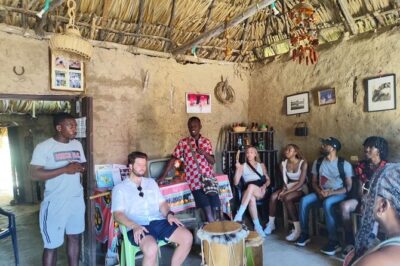
One of the nicest features is the interactive format. You are encouraged to participate, not simply watch. That can feel slightly outside your comfort zone at first, especially if you are asked to dance, play a drum, or put on boxing gloves. It also makes the visit easier to remember.
More Private Tours in Cartagena
- Shore Excursion PRIVATE City tour
★ 5.0 · 121 reviews - Cartagena: Walled City & Getsemani Private Tour
★ 4.8 · 107 reviews - Private Transportation from Cartagena to Santa Marta City
★ 5.0 · 95 reviews - Cartagena: Private City Tour in an Air-Conditioned Vehicle
★ 4.6 · 82 reviews
Drums, music, and basic dancing
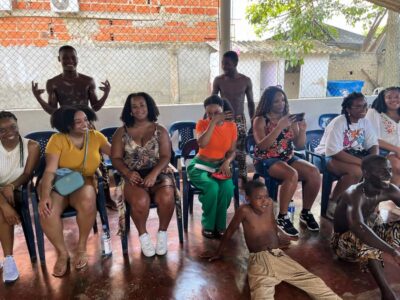
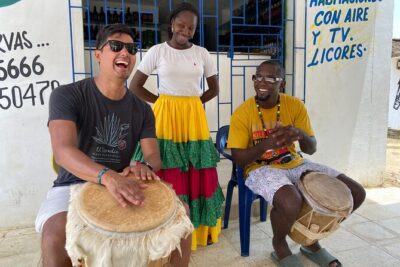
The live music and drum show is one of the tour’s strongest moments. You hear local rhythms and then get a chance to practice basic steps and use musical instruments yourself.
Music here is more than entertainment added to a sightseeing schedule. It connects to celebration, communication, movement, and cultural memory. Your guide can explain what you are hearing, while the musicians show you how the instruments work.
You should not expect a formal concert with a long stage performance. This is a participatory demonstration. You may clap, move, play simple rhythms, or follow basic steps. The appeal is the contact with the tradition, not polished theater.
If you are shy about dancing, you can still enjoy the session by watching and asking questions. The private format helps because you are not performing for a large group of strangers. Your guide may also help with photos and short videos, which is useful if you want a record of the experience without interrupting the visit.
Making sweets from coconut and tropical fruit
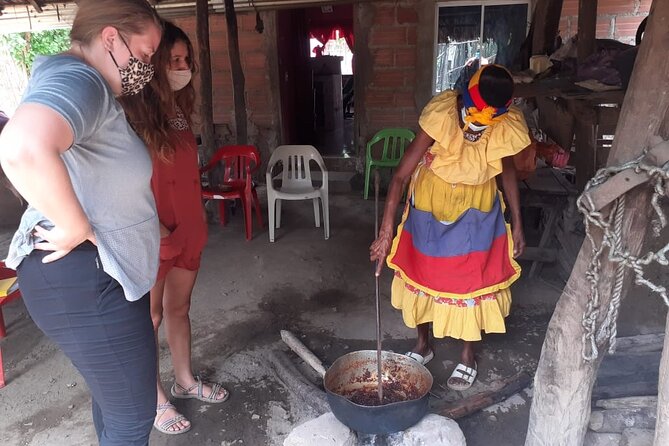
The sweets activity gives you a direct taste of Palenque’s cooking traditions. You learn to make and sample sweets based on coconut and tropical fruits such as papaya, pineapple, and guava.
This is a small activity, but it tells you a lot about local ingredients. Coconut and fresh fruit are not presented as abstract culinary ideas. You handle them, learn how they are combined, and taste the result while a local cook explains the process.
The tasting also breaks up the historical and cultural discussion. You get a chance to sit, eat, and talk with the cook. The setting is likely to feel informal, and that is part of its charm. Do not expect a professional cooking school with a polished kitchen or individual workstations. Think of it as a local lesson led by someone who knows the food through practice.
Vegetarians should tell the operator when booking. The tour includes lunch, and advance notice gives the cook a chance to plan the meal properly.
Cooking class and the main meal
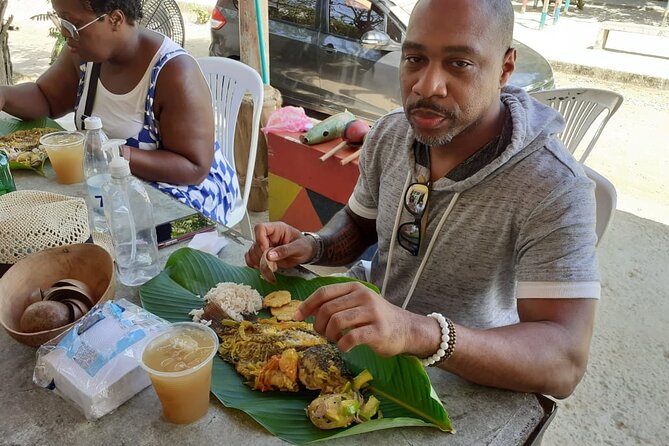
The cooking class is a central part of the tour, not a minor add-on. A native cook teaches traditional techniques and shows you how the dishes are prepared. You take part in the process and then eat a full lunch.
The meal is described as including a cookbook dish associated with the Confucius prize organized by UNESCO in 2014. That detail gives the food program extra interest, but the real benefit is the connection between the dish and the person preparing it. You can ask about ingredients, methods, and how the meal fits into local life.
Breakfast is also included in the form of a fruit salad. Bottled water is provided, and the package includes an alcoholic drink called Ron Ñeke, described as the moonshine of Palenque. If you do not drink alcohol, you can simply decline it.
Food is one of the reasons I see good value in the $130 price. You are not paying only for a ride and a short walk. The fee covers private transportation, a native guide, the music show, sweet tasting, cooking class, breakfast, lunch, water, and boxing. For a private cultural program with several hosts and activities, that is a fair package, though it will cost more than a basic group bus trip.
The traditional medicine garden
San Basilio is also known for traditional medicine. The tour visits the garden of a local doctor, where plants used in ancestral remedies are grown.
This stop adds balance to the food and music activities. You see how local knowledge is connected to the natural world and to practical care. The guide or local doctor can explain which plants are used and how traditional remedies are prepared.
Keep your expectations sensible. This is a cultural visit, not medical treatment or a modern pharmacy tour. You should listen with respect and avoid assuming that every plant is safe to touch, eat, or use. The value is in understanding the knowledge held by the community.
The garden is also a reminder that local traditions are not frozen displays. They are connected to work, family, health, and daily decisions. That makes the stop especially worthwhile for anyone interested in foodways, herbal practices, or the links between African and Colombian culture.
Boxing at the local coliseum
Palenqueros are well known for boxing, and the tour visits the local coliseum. You put on gloves and learn about the sport through a basic boxing class.
This can be one of the most memorable parts of the day because it gets you moving. You do not need to arrive with boxing experience. The activity is meant as an introduction, and your guide or local instructor can show you the basic movements.
The boxing stop also gives you a fresh way to understand local pride. Sport is not just a pastime here. It is part of how the community presents itself and how young people build skill and discipline.
You should be honest about any physical limits before taking part. The tour calls for moderate fitness, and the boxing class adds to that requirement. You can watch if needed, but anyone with injuries or health concerns should take care with active participation.
What the private format changes
A private tour is especially useful in San Basilio because the experience includes several interactive stops. Your group does not need to follow the questions or pace of a large party.
You can spend more time on the food, ask for help with the drum rhythm, or pause during the medicine garden visit. The guide can also explain details that fit your interests. If you care most about African history, ask for more context at the monument. If food is your priority, use the cooking session to ask about ingredients and home techniques.
The private format also makes the day feel less staged. You are still following a planned program, but there is room for conversation and humor. Guides such as Sofia and Vincent are described as friendly and easy to talk with, and that personal contact is a major part of the experience.
The tradeoff is price. At $130 per person, this is not the cheapest way to leave Cartagena. The value improves when you want a private car, private guiding, a full meal, and several hands-on activities rather than a short overview.
Comfort, facilities, and practical planning
The air-conditioned vehicle is a clear comfort advantage. The tour includes bottled water, breakfast, lunch, and an alcoholic drink, so you do not need to plan every refreshment yourself.
Facilities in town are basic. Toilets can be outdated, and you should be comfortable with that before booking. This is one of the few real drawbacks, but it is important because the tour takes place in a living community rather than a purpose-built attraction.
Service animals are allowed, and the tour is near public transportation, although the package already includes transport from and to Cartagena. Confirmation is provided at booking. The experience requires a minimum number of people, so an operator cancellation for that reason may lead to another date, another experience, or a full refund.
You can cancel for a full refund up to 24 hours before the start time. Changes or cancellations made less than 24 hours in advance are not accepted for a refund.
Who should book this Palenque tour
I would choose this tour if you want to understand Cartagena’s African heritage beyond the city itself. It suits people who prefer meeting local cooks, musicians, doctors, and athletes rather than spending the day at a standard attraction.
It is also a good match for families, couples, and small groups who enjoy participation. The drum lesson, sweets, cooking, and boxing keep the day varied. You do not need to be an expert in history, music, or food to enjoy it.
You may want to skip it if you need polished facilities, a quiet schedule, or a short sightseeing stop with little physical activity. The combination of driving, walking, standing, food preparation, dancing, and boxing makes this a full outing.
Should you book it?
Book it if your Cartagena plans include time for a cultural trip with real contact and a little physical activity. The strongest reasons are the native guide, the private transport, and the range of hands-on experiences, especially the food and music.
The $130 price is easiest to justify when you value convenience and depth. You receive transport, guiding, meals, drinks, a cooking session, a sweet tasting, music, traditional medicine, and boxing in one private program.
Go with an open mind and practical expectations. San Basilio de Palenque is a real community, not a polished theme park. The basic facilities are part of the setting, but so is the chance to hear local stories, taste local food, and meet people who keep their heritage active in everyday life.
FAQ
How long does the private tour take?
The experience lasts approximately 4 to 6 hours. The monument visit takes about one hour, and the main San Basilio de Palenque program takes about four hours, not including the travel time from Cartagena.
Is transportation from Cartagena included?
Yes. The tour includes travel to and from Cartagena in a comfortable air-conditioned vehicle.
What food and drinks are included?
The package includes a fruit salad for breakfast, a full lunch featuring a dish associated with the UNESCO Confucius prize organized in 2014, coconut and tropical fruit sweets, bottled water, and Ron Ñeke, the moonshine of Palenque.
Can vegetarians join the tour?
Yes, but you should inform the operator when making your reservation so the meal can be planned accordingly.
Is the tour private?
Yes. Only your group participates in the private tour and activity.
What level of fitness is needed?
A moderate level of physical fitness is recommended. The program includes walking, standing, basic music and dance practice, and a boxing class.
More Palenque Day Trips
- Cartagena: Palenque´s tour, dance show, lunch, pick-Up inclu
★ 4.7 · 182 reviews - Tour a san Basilio de Palenque desde cartagena
★ 5.0 · 123 reviews - Cartagena: Palenque Tour and Road to Emancipation
★ 4.5 · 83 reviews - Mud Volcano and Palenque Cultural Experience
★ 5.0 · 61 reviews
Just added around Cartagena
- Exotic Yacht – Tour through the bay of Cartagena★ 3.7 · 4 reviews
- White Night Boat Party: Dinner Buffet, Dancing and Open Bar★ 4.6 · 3 reviews
- Volcan del Totumo + Playa + Piscina★ 4.7 · 4 reviews
- cartagena: Mucura and Santa Cruz Islands Tour spectacular★ 4.0 · 12 reviews
- Enjoy the totumo volcano from cartagena + snack★ 4.0 · 11 reviews
- 5 islands tour to rosario Islands with snorkeling activity!★ 4.5 · 36 reviews
- Romantic Date Night in the Bay of Cartagena★ 5.0 · 47 reviews
- Totumo volcano tour + snack★ 4.5 · 44 reviews
Palenque Cultural Tours, compared.
Palenque´s tour, dance show, lunch, pick-Up inclu
Read our review →
Tour a san Basilio de Palenque desde cartagena
Read our review →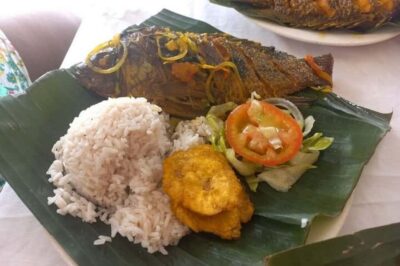
Visit Palenque with natives : history, culture and ancestral legacy
Read our review →
Tour cultural to san Basilio de Palenque from cartagena
Read our review →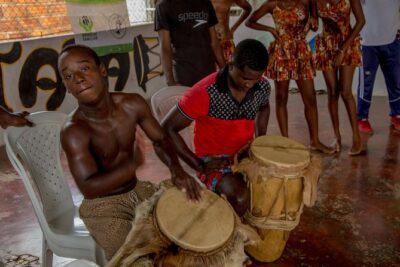
Browse the lists this tour appears in