
Reviewed · HISTORICAL TOURS
Medellin Historic Walking Tour
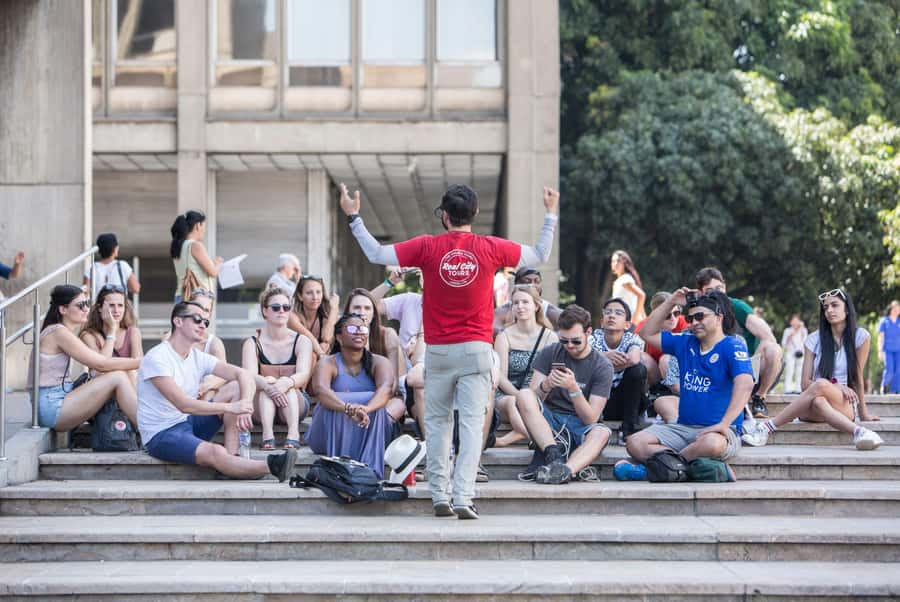
Medellín’s downtown makes the most sense when someone explains the layers beneath its streets. This 210-minute walk links train stations, public squares, churches, markets, sculpture, and personal stories about the city’s troubled past and changing present. Paisa culture is not treated as a slogan here. You get a local view of how people in Antioquia see family, work, pride, and community.
I like the route’s mix of major sights and everyday places, especially Botero Square and El Hueco. I also like the guides’ personal approach. Suzy, Germán, Hernán, Julio, Carolina, and Dio have each been singled out for clear English, humor, patience, and strong local insight. The main drawback is that central Medellín has fewer traditional sights than some visitors expect, and Sunday closures can limit access to certain art attractions.
Key points to know before you book
- A 210-minute introduction to downtown Medellín: The route covers Alpujarra, El Hueco, Botero Square, Parque Berrío, and San Antonio Park.
- Local guides make the difference: Dio, Julio, Germán, Hernán, Suzy, Carolina, and Pablo have been praised for personal stories and clear English.
- Paisa culture gets real attention: You learn about Antioquia’s identity, Colombian society, and the city’s difficult transformation.
- The price is low for a half-day: The listed cost is $14 per person, though direct booking with Real City Tours may sometimes be free.
- Plan for extra costs: Metro tickets, lunch, and museum admission are not included.
- Sunday may be less complete: Some attractions and art spaces may not admit visitors that day.
Why this downtown walk is worth your first afternoon
I would use this tour early in a Medellín stay, especially if you want the city to feel less like a collection of postcard stops. The walk gives you names, dates, local references, and practical suggestions for restaurants and other activities. That foundation helps you decide what deserves more of your time later.
The tour is also useful if you are uneasy about exploring downtown alone. One guide, Pablo, is praised for giving the group time to buy from local sellers, eat, and take photographs while helping everyone feel comfortable. That does not turn the tour into a security service, but a local guide can make the center easier to read.
You will walk for more than three hours, so this is not a quick orientation stroll. It is best for people who want context and conversation rather than a rapid checklist of monuments. A few stops are brief, and some parts of central Medellín may seem more interesting for their story than for their architecture.
More Historical Tours in Medellin
- Medellín: History & Local Life Essentials Tour on an E-Bike
★ 4.9 · 130 reviews - From Medellín: Private Pablo Escobar History Tour
★ 4.9 · 84 reviews - Pablo Escobar Historic Tour and Cable car
★ 5.0 · 38 reviews
Meeting at Alpujarra and reading the city’s old center
The tour begins on the pedestrian bridge at Alpujarra metro station. Pay close attention to the exact meeting point. One participant expected a ten-minute walk from a hotel and found it took closer to thirty, then had to catch up with the group. The operator sent WhatsApp messages to help, but arriving early is still the sensible plan.
Your first major stop is the Ferrocarril de Antioquia, the old railroad station. The guide spends about thirty minutes here, using the site to explain transportation, trade, and the growth of Antioquia. It is a useful opening because Medellín’s development cannot be separated from how people and goods moved through the region.
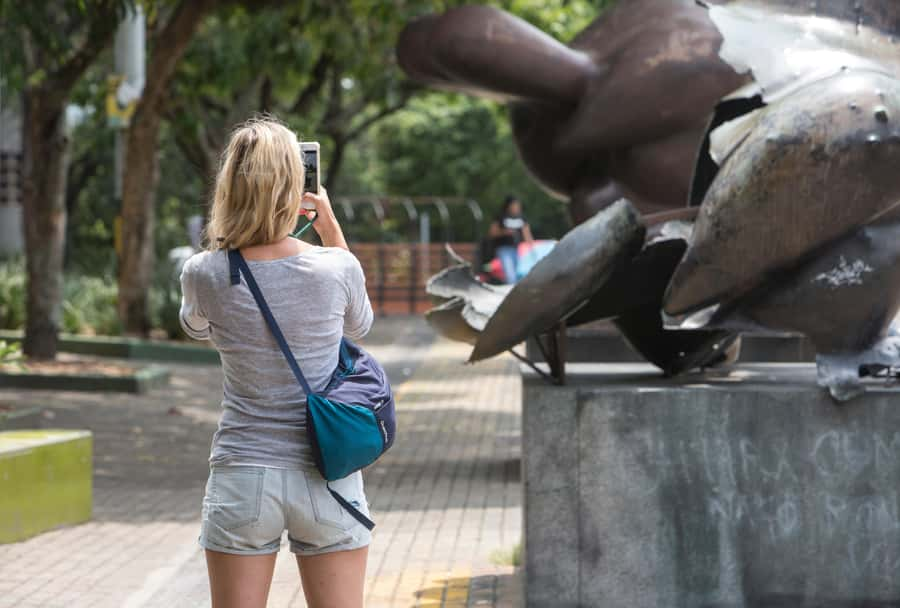
Next comes the Monumento a La Raza, a large public work that gives the guide a chance to discuss regional identity and the many groups that shaped Colombia. This is a photo stop, but the explanation matters more than the picture. Ask questions here if you want to understand how Paisa identity fits into the larger country.
At Plaza de las Luces, tall illuminated columns frame a public space near government buildings and transport routes. The stop helps you see how central Medellín has been reshaped for public use. It is also one of the places where the tour shifts from old history to the city you see today.
El Hueco, where downtown feels most immediate
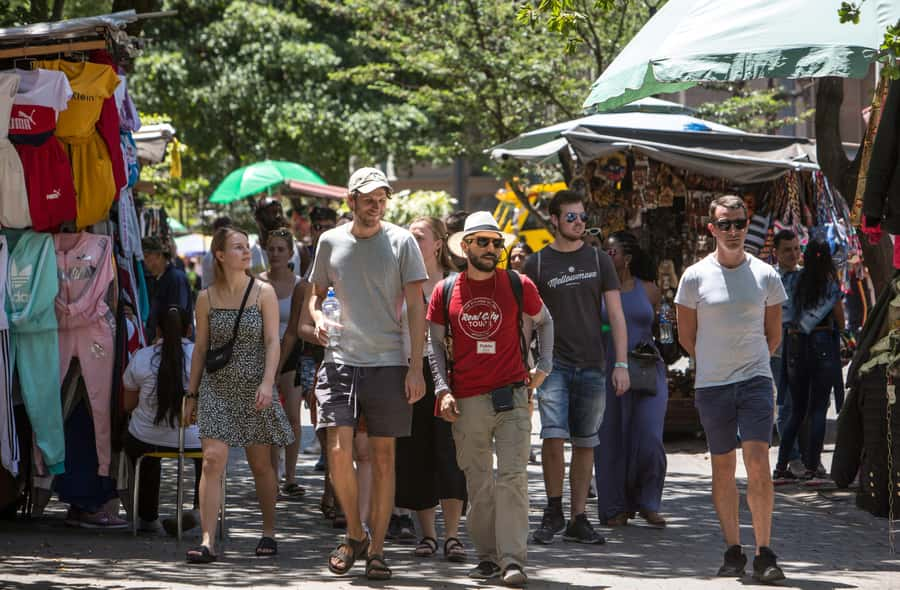
El Hueco is a commercial area with a strong street-level character. You may encounter local food, crowded shops, and the practical energy of downtown commerce. The guide walks you through the area and explains its place in the city rather than treating it as a polished attraction.
This is one of my favorite parts of the route because it gives you something that a monument cannot: a sense of how people use the center now. You might have time to sample street food, though lunch itself is not included. Keep your expectations sensible. This is an active commercial district, not a quiet food market arranged for sightseeing.
The next stop, National Palace Mall, adds another layer. You have time for a break, photographs, and a look inside. The guide can point out details you might pass without noticing, while the pause gives your feet a rest before the walk continues. If you prefer museums and formal interiors, this part may interest you more than the street sections.
Churches, public art, and Botero’s generous figures
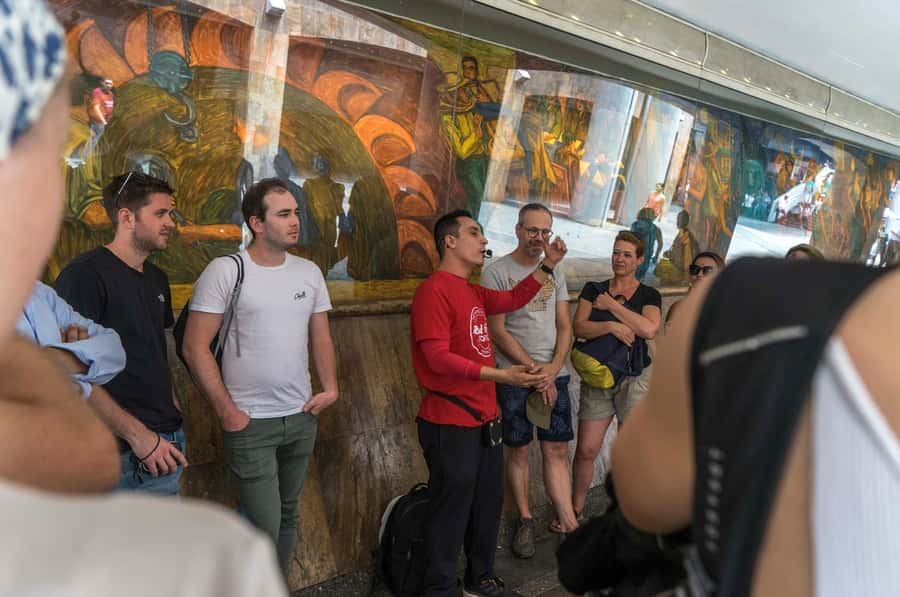
The Ermita de la Veracruz is a smaller historic church and one of the route’s more traditional sights. You visit it with the guide, then continue on foot through the center. The church provides a useful contrast to El Hueco and the newer public spaces around it.
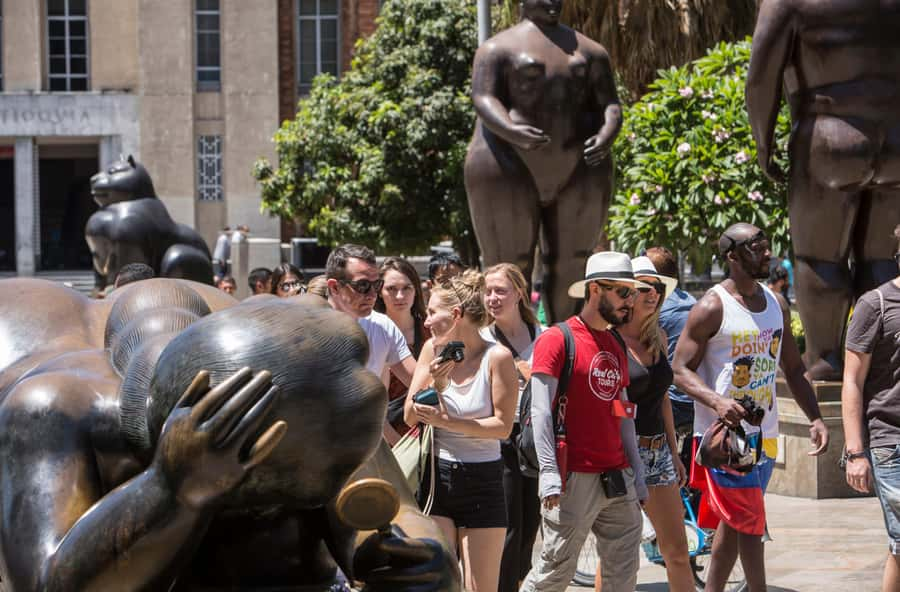
The major visual stop is Plaza Botero, where large bronze sculptures by Fernando Botero occupy the square. You have time for photographs and free exploration, while the guide explains the artist and the role of the plaza in Medellín’s public art scene. This is likely the easiest stop for a first-time visitor to enjoy immediately, even without a long explanation.
Do not assume that every art space along the way will be open. A Sunday booking can be different from a weekday visit, and one participant was disappointed after finding that some attractions were closed. If art is your main reason for booking, confirm what can be entered on your chosen day and treat the square itself as the dependable part of the stop.
The route also includes an unnamed additional stop described as a hidden local find. Since its exact identity is not specified, you should think of it as a flexible surprise rather than a guaranteed landmark. The guide uses it for photographs and local context, which may appeal to you if you prefer smaller details to a rigid sightseeing list.
More Walking Tours in Medellin
- Comuna 4 Walking Tour Medellin
★ 5.0 · 217 reviews - 2-Hours Street Art Walking Tour in Medellin Comuna 13
★ 5.0 · 54 reviews - Walking tour downtown Medellín
★ 5.0 · 39 reviews - Walking tour, cable car & fruit tasting
★ 5.0 · 33 reviews
Parque Berrío and the walk toward San Antonio
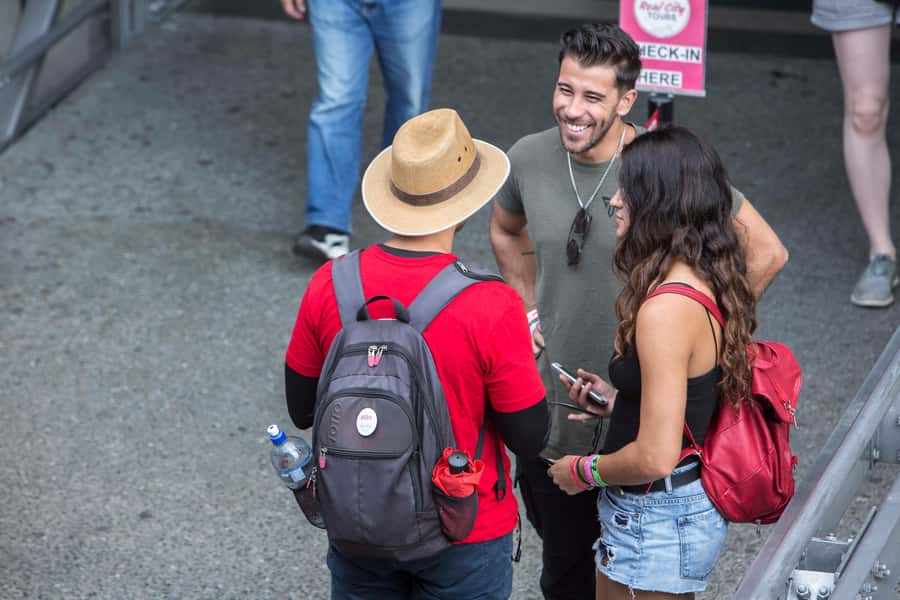
Parque Berrío is another central meeting place, with a long connection to public life in Medellín. The guide stops for photographs and explains what you are seeing before the group moves on. It is a good place to ask about the city’s changing center, since the route has already shown you transport, commerce, government, religion, and art.
The finish is San Antonio Park, where the tour ends after roughly three and a half hours. You can use the final area as a jumping-off point for more exploring, or simply head back with a clearer sense of downtown’s layout. The ending is practical because the tour does not leave you at an isolated attraction.
The route includes plenty of walking, but the activity is listed as wheelchair accessible. If you use a wheelchair or have mobility concerns, it is still wise to ask the operator about current conditions at individual stops, particularly in crowded commercial areas and older buildings. The available information confirms accessibility for the activity, but it does not describe every surface or entrance.
The guides are the main reason to book
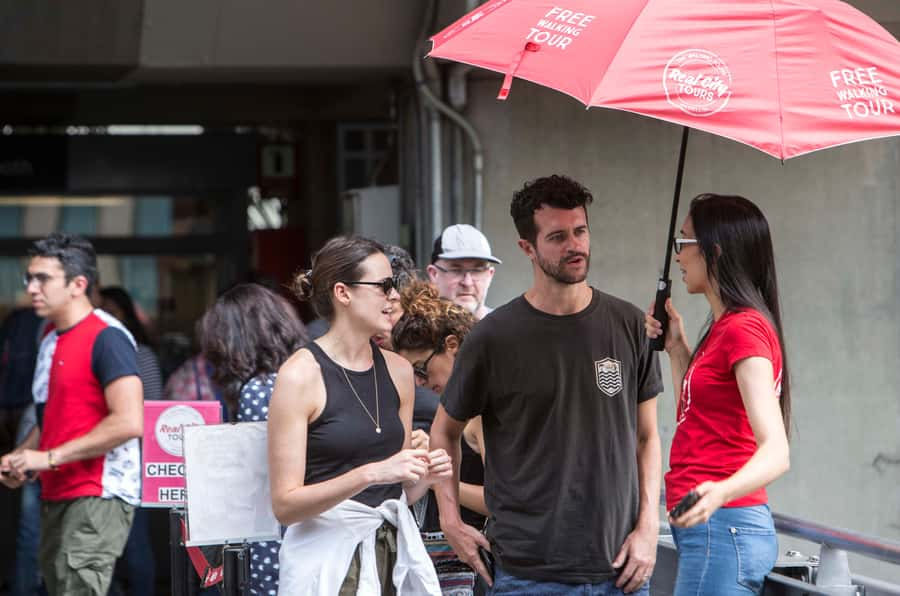
The strongest feature here is not a single monument. It is the guide. Different tours may be led by Suzy, Carolina, Dio, Germán, Hernán, Julio, or Pablo, and the comments about them share a clear pattern: strong English, energy, patience, and an ability to explain difficult subjects without turning the walk into a lecture.
Julio is praised for answering detailed questions and keeping a solo participant involved. Dio is noted for personal experience of Medellín’s difficult years and for holding the group’s attention for the full three hours. Hernán is described as remembering everyone’s name and bringing together history and humor.
Germán is repeatedly valued for his passion and clear explanations. Suzy is described as energetic and friendly, while Carolina is praised for her personality and for a helpful vegan restaurant suggestion. These details matter because the route covers sensitive subjects. A guide who can listen, explain, and avoid making the past into entertainment will shape your experience.
The tour is in English, and the guide is bilingual according to the activity details. The strong English is important if you want to ask about politics, violence, art, or local customs rather than simply follow a script.
What you learn about Paisa culture
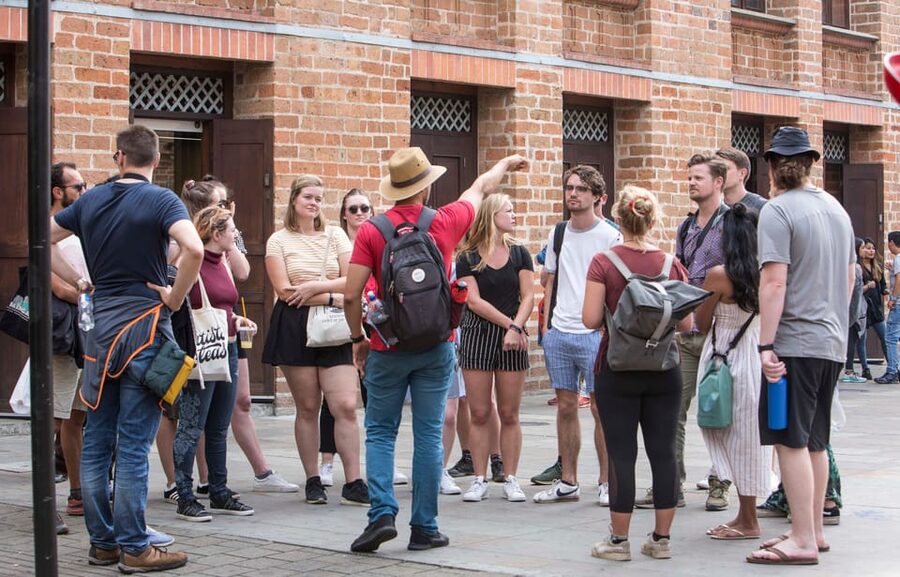
Paisa refers broadly to the culture of Antioquia and the surrounding region. The tour uses central Medellín to discuss local pride, family life, work, social change, and the way residents understand their city. You do not just hear that Medellín has changed. You hear about the people who lived through those changes.
The difficult chapters are part of the route, but the tour does not present Medellín only through crime and tragedy. That balance is valuable. You see a city with painful memories, public art, commerce, religious buildings, and ordinary routines all occupying the same center.
Several guides have personal connections to Medellín, and some share experiences from the years when the city faced serious trouble. That can make the subject more direct than a standard historical overview. You should expect honest discussion, but also room for the city’s achievements and present-day character.
The tour also gives you practical local advice. Restaurant recommendations and suggestions for other activities are included, and you can ask where to return for more art, food, or neighborhood exploration. For a first day in Medellín, that advice can be worth as much as another photo stop.
Price, timing, and what you still need to pay
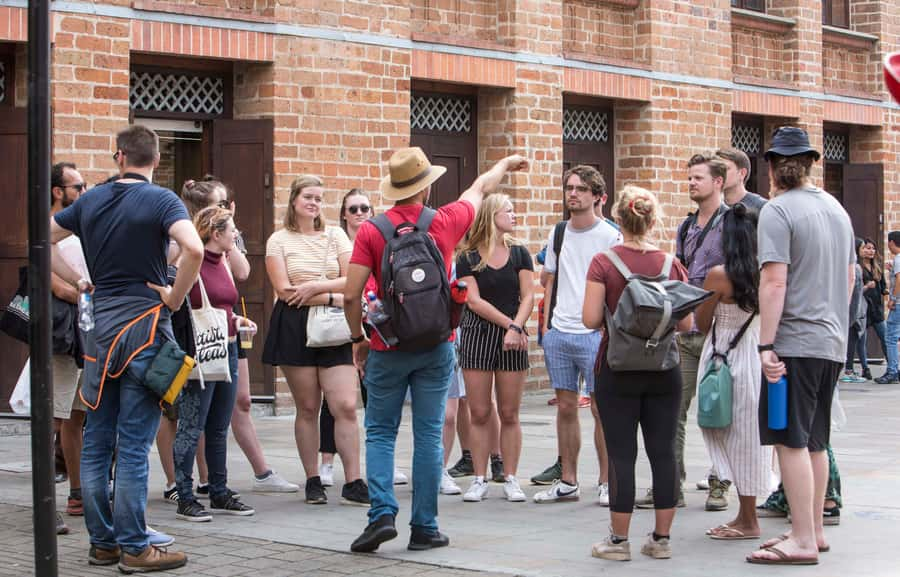
The listed price is $14 per person, a modest cost for a 210-minute guided walk in English. I consider it good value if you want a strong introduction to Medellín’s history and central districts. The guide’s interpretation is the main product, so the value depends less on admission tickets and more on the quality of the person leading your group.
There is one important wrinkle. A comment notes that booking directly with Real City Tours may sometimes be free. Check the current direct-booking terms before paying the listed rate. The $14 option may still appeal if you want instant confirmation, reserve-now-pay-later flexibility, and the convenience of booking through a platform.
Metro tickets are not included, so budget for that small extra expense. Lunch, street food, and museum admission are also separate. The route includes a break and time to eat or browse, but this is not a food tour and does not cover your meal.
You can book from Monday through Sunday, including last-minute availability when open. Cancellation is free up to 24 hours before the start time, and you can reserve without paying immediately. Starting times vary, so check availability for your date rather than assuming a fixed departure.
Who will enjoy this walk most
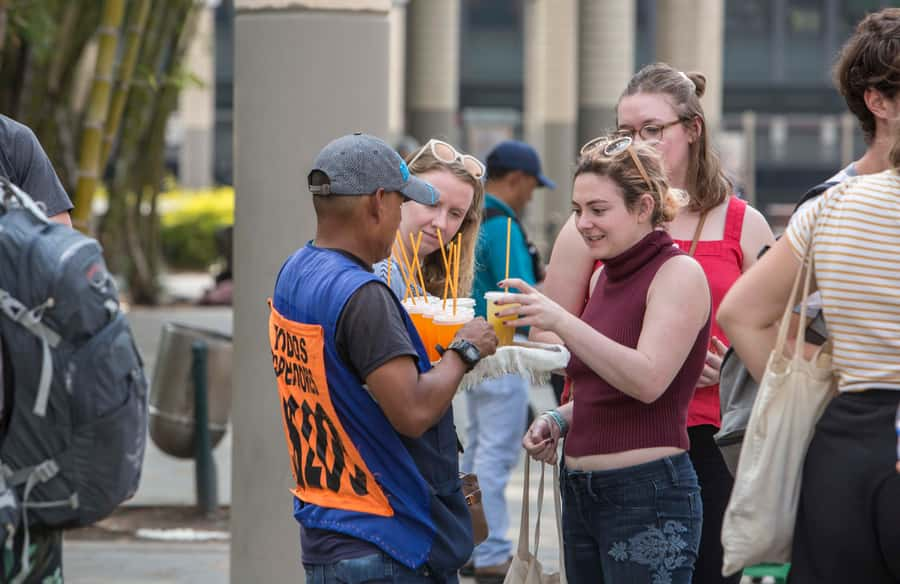
I would recommend it to first-time visitors who want a clear introduction before exploring Medellín independently. It suits solo travelers particularly well because the guide makes an effort to include the full group, and the route offers an easy way to meet other people without committing to a full-day excursion.
It is also a good match for visitors who care about Colombian history, public art, and local voices. You will get more from it if you ask questions and stay open to ordinary places such as a shopping district or transport hub.
Families can consider it too, though the 210-minute length may be a lot for very young children. People looking for a relaxed, short photo walk should choose something else. The downtown route is active, informative, and sometimes serious, not a gentle sightseeing loop with constant café stops.
If you have already spent several days in central Medellín, you may find some of the landmarks familiar. In that case, the personal stories and recommendations are the strongest reasons to go. One participant felt there was simply not a huge amount to see, a fair warning for anyone expecting a monument-packed historic quarter.
My call: book it early, then use the advice
Book this tour if you want Medellín explained by someone who knows its streets and can speak about both its wounds and its pride. The route is broad, the price is reasonable, and the guides are the clear strength. I would schedule it near the start of your stay, avoid Sunday if specific art interiors matter to you, and arrive early at the Alpujarra metro bridge.
Skip it if you want a short tour focused only on beautiful buildings, or if you dislike long walks and serious history. For everyone else, this is a useful first look at downtown Medellín, with enough local detail to shape the rest of your visit.
FAQ
How long does the Medellín Historic Walking Tour last?
The tour lasts 210 minutes, or about three and a half hours.
What is the price?
The listed price is $14 per person. Direct booking with Real City Tours may sometimes be free, so check the current terms before booking.
Where does the tour begin?
The meeting point is on the pedestrian bridge of Alpujarra metro station.
Where does the tour finish?
The tour finishes at San Antonio Park in Medellín.
What language is the tour in?
The live guided tour is in English.
Is the tour wheelchair accessible?
Yes. The activity is listed as wheelchair accessible.
Are metro tickets included?
No. Metro tickets are not included in the tour price.
Is lunch included?
No. Lunch is not included, although the route includes time around El Hueco for street food and a break at National Palace Mall.
Are museum entrances included?
No. Museum entrance fees are separate. Some attractions may also have limited access on Sundays.
Can I cancel for a full refund?
Yes. You can cancel up to 24 hours in advance for a full refund.
Can I reserve now and pay later?
Yes. The booking option lets you reserve your place and pay later.
Which sights are included?
The route includes the Ferrocarril de Antioquia, Monumento a La Raza, Plaza de las Luces, El Hueco, National Palace Mall, Ermita de la Veracruz, Plaza Botero, Parque Berrío, and San Antonio Park, plus an additional local stop.
Just added around Medellin
- Commune 13, Graffitour street food. History.All inclusive★ 5.0 · 35 reviews
- City tour, Commune 13, Metro Cable, Botero Park and more. Private★ 5.0 · 34 reviews
- Aerial Hammocks, Zip and Waterfall Trek on Medellin Private Tour★ 5.0 · 39 reviews
- Walking tour downtown Medellín★ 5.0 · 39 reviews
- Hiking Mountains and Magical Forests★ 5.0 · 27 reviews
- Barrio transformation and urban escalator of Comuna 13★ 5.0 · 47 reviews
- Tour to the Hacienda Nápoles Theme Park★ 4.0 · 22 reviews
- Tour Cabalgata★ 5.0 · 37 reviews
Historical Tours, compared.
Historic Center and Getsemaní Shared Walking Tour
Read our review →

History & Local Life Essentials Tour on an E-Bike
Read our review →
Historical Shared Tour Salsa, Graffiti & Resistance in Cali
Read our review →
Shared Tour of Bogota’s Historic Downtown (La Candelaria)
Read our review →

Browse the lists this tour appears in