
Reviewed · WALKING TOURS
Bogotá: Guided La Candelaria Walking Tour
La Candelaria is where Bogotá’s colonial houses, bold street art, political landmarks, and everyday city life meet. This guided walk gives you the useful context that can be hard to find on your own, from Colombia’s social past to the meaning behind its murals. I especially like the stop at La Concordia market, where fruit tasting turns a standard sightseeing walk into a more local experience.
I also like the range of guides. Luis has been praised for clear English and strong explanations, while Juana, Leslie, José, Sara, and others bring their own style and local knowledge. The main consideration is pace: three hours on foot covers a lot, but the tasting is light rather than a full meal, so bring water and perhaps a snack.
Key points to know before you book
- Fruit tasting at La Concordia market: Try traditional Colombian fruits while seeing a working market rather than only passing through polished tourist sites.
- History with a local voice: Learn about Colombia’s political and social past at Bolívar Square and other central landmarks.
- A strong first-day introduction: The route connects major sights, street art, food, architecture, and practical suggestions for the rest of your stay.
- Small groups may be available: A smaller group makes it easier to ask questions and keep a comfortable walking pace.
- Three hours is the usual feel: The advertised duration can range from three to seven hours, depending on the option you choose.
- Bike and walking options: You can add a bike tour and do both activities on the same day.
Why La Candelaria is the right place to start in Bogotá
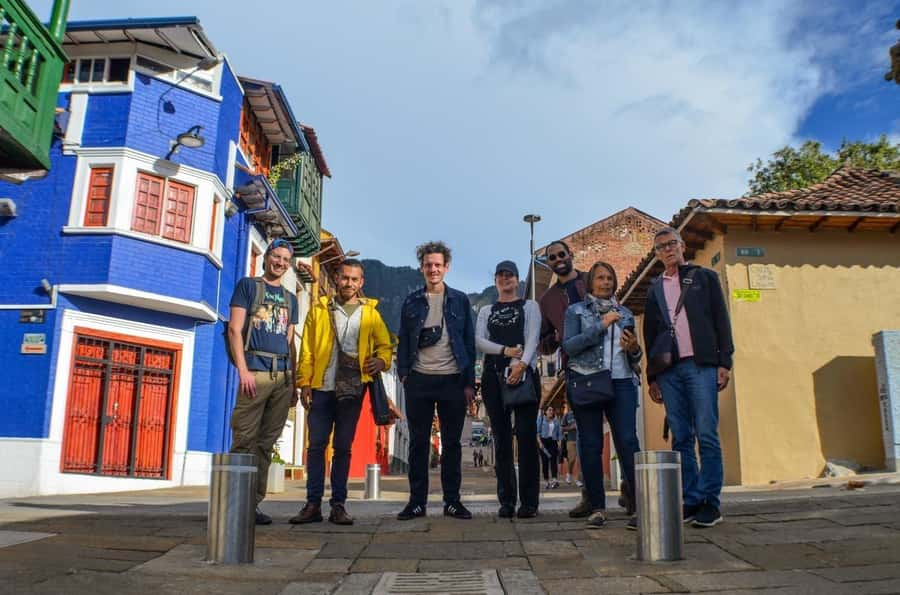
La Candelaria is Bogotá’s historic center, but it is not a museum district frozen in the past. Colonial homes sit beside Baroque details, Art Deco buildings, modern businesses, painted walls, cafés, and busy streets. A guide helps you read those contrasts instead of simply photographing them.
I like this tour because the route appears designed to connect places that make more sense together. You move from old lanes and colorful murals toward the market, then continue through central Bogotá to Bolívar Square. The walk gives you both the postcard sights and the daily rhythm around them.
That combination matters in Bogotá. A quick look at a church or square tells you little by itself. The guide can explain why a site matters, how the city changed, and how Colombia’s past still affects public life. Several guides, including Luis, Christian, Juana, and Bernardo, have been praised for answering questions and explaining difficult subjects in clear language.
The area also rewards a slower pace. Keep your camera ready, but do not spend the whole walk looking through it. Street art, carved doorways, narrow alleys, and unexpected architectural details are easy to miss when you are rushing from one major stop to the next.
More Guided Tours in Bogota
- Bogotá: La Candelaria Graffiti & Urban Art Guided Tour
★ 4.7 · 250 reviews - From Bogota: La Chorrera Waterfall Guided Hike
★ 4.9 · 46 reviews - Bogotá: Private Guided Tour with Monserrate & La Candelaria
★ 4.7 · 41 reviews
Meeting the guide and finding your footing
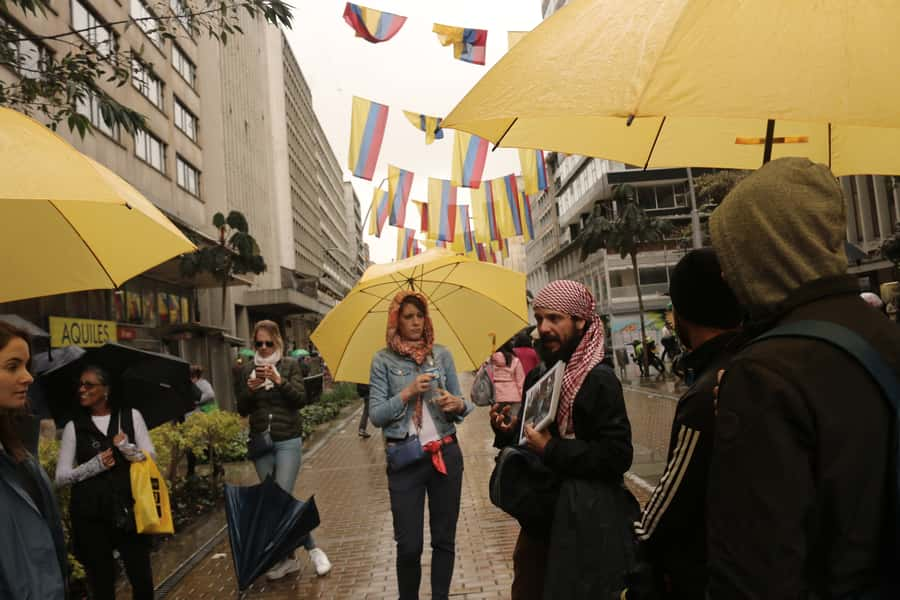
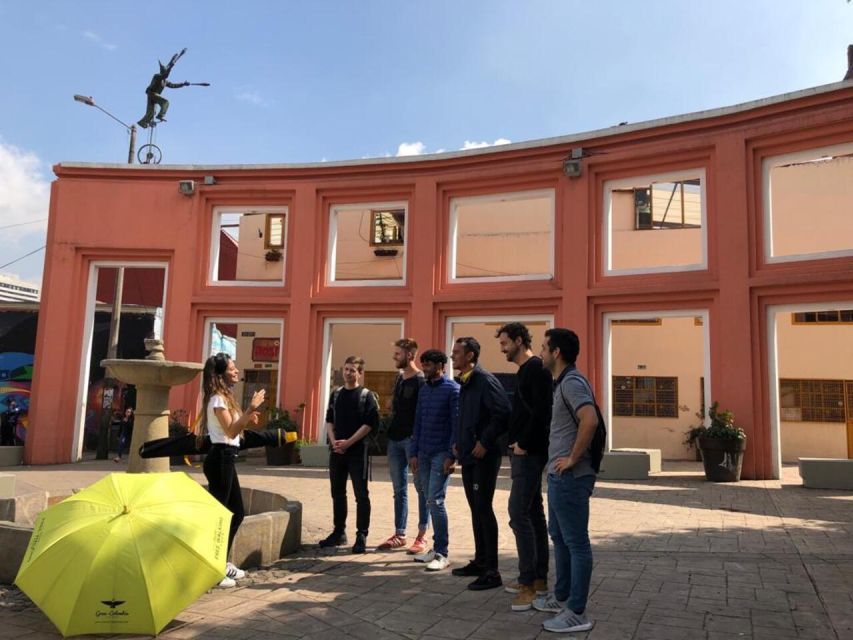
The meeting point changes according to the option booked, so check your confirmation carefully. One guide has used a yellow umbrella to make the group easy to spot, but you should not assume every departure will use the same marker.
The language options are English and Spanish. English-speaking guides such as Leslie, Luis, Christian, Gerard, and Juana have received especially strong praise for making complicated topics easy to follow. The quality of a walking tour depends heavily on the person leading it, and this experience uses different guides, so the tone may vary from one departure to another.
That variation can be a plus. One guide may focus more on politics, another on art, food, or architecture. Guests have also appreciated practical advice about restaurants, places to visit afterward, and ways to spend more time in Bogotá. If you have particular interests, ask early. A small group makes that easier.
Expect to walk for several hours over city streets and historic lanes. Comfortable shoes are essential. Sunscreen, water, and a camera belong in your day bag, and you should plan for rain because the walk operates in all weather.
Street art and the old lanes of La Candelaria
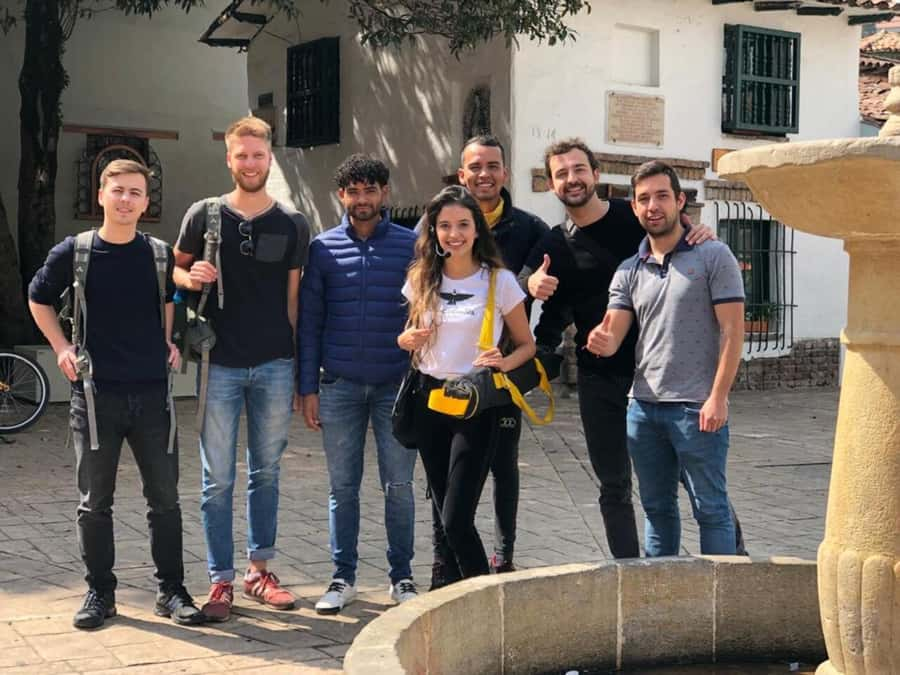
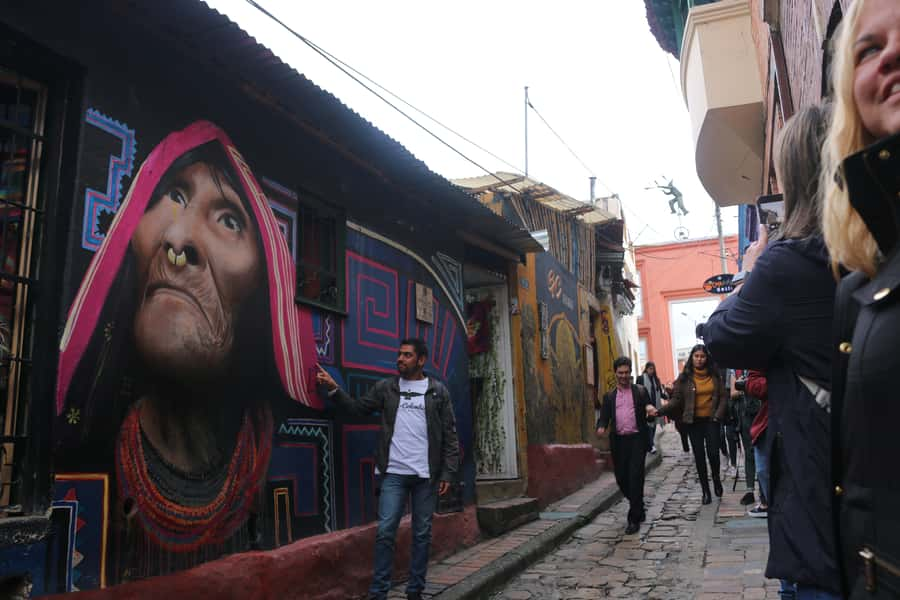
The early part of the route usually focuses on La Candelaria’s streets, buildings, and murals. The art is not just decoration. It gives the district a public voice and creates an opening to discuss social change, identity, and the people behind the work.
A guide adds useful detail here. You might learn why certain images appear repeatedly, how artists use walls to comment on public life, or how art has changed the feel of particular streets. One guide, Ivonna, was especially appreciated for explaining how art affected Colombian culture. That is the kind of link you will miss if you wander through the area without context.
The architecture provides another layer. La Candelaria is known for colonial houses, but the district also includes Baroque and Art Deco influences. Look for contrasts rather than one single style: old façades beside newer construction, decorated doors beside plain walls, and historic buildings used for modern purposes.
This part of the walk is visually rewarding, though it can be busy and uneven. Stop when the guide stops, keep personal belongings close, and leave room for other pedestrians. The tour is a city walk, not a private gallery visit, so street conditions and noise are part of the experience.
La Concordia market and the taste of Colombia
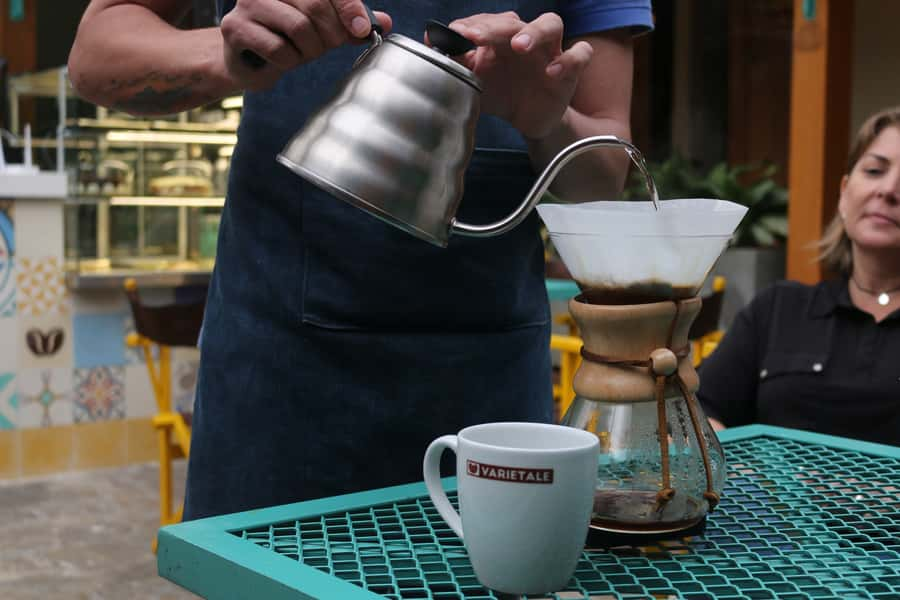
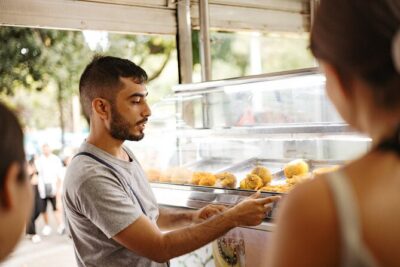
La Concordia market is one of the most useful stops because it brings food and daily life into the route. The market is a place to see local trade, meet vendors, and encounter produce that may be unfamiliar outside Colombia.
The fruit tasting is a highlight for many people. Colombia’s climate and geography support a wide range of fruit, and tasting several varieties gives you a more direct sense of the country than simply hearing a list of regional facts. Ask the guide about names, growing areas, and how the fruit is normally eaten.
The tasting should not be mistaken for lunch. The core experience includes food tasting, and many departures include fruit and coffee. Some outings have also featured chocolate or coca tea, but the exact selection can vary. One guide gave a coffee tasting at the end, while another included coca tea. If you need a substantial meal, eat beforehand or plan lunch afterward.
I like that the market stop is not treated as a quick photo opportunity. It gives you a chance to see a less polished side of central Bogotá. At the same time, market time can feel too long if you are mainly interested in monuments. One person specifically wished for less time at the market and more local food experiences around it. That is a fair point, especially if you have limited time in the city.
More Walking Tours in Bogota
- Zipaquirá Salt Cathedral Private Tour + Walking Tour
★ 5.0 · 66 reviews - La Candelaria Walking Private Tour (3 Hrs.)
★ 5.0 · 51 reviews - Bogota Walking Tour Teusaquillo, a different part of the city
★ 5.0 · 41 reviews - Bogota Walking Tour Teusaquillo a different part of the city
★ 4.2 · 26 reviews
Carrera Séptima and the changing face of central Bogotá
The route includes Carrera Séptima, one of the central avenues that helps connect the historic district with the wider city. Here, the experience shifts from narrow old streets to a broader urban setting.
This is where the tour’s old-meets-new theme becomes clear. The architecture changes, the streets feel more open, and the city’s modern energy comes through. You are not only looking at preserved buildings. You are seeing how the historic core functions as part of present-day Bogotá.
The guide can also help you understand how the central area fits together. This is useful because Bogotá’s major attractions are close enough to visit in one day but spread out enough to feel confusing at first. After the tour, places such as the Gold Museum, Botero Museum, and Bolívar Square should be easier to locate and plan around.
The walk may feel packed with information. That is good if you enjoy history and questions, but less ideal if you want a slow, quiet stroll. The three-hour format moves at a steady pace, and you will get more from it if you listen actively and save some energy for the final stops.
The Gold Museum area and Bolívar Square
The tour passes the Gold Museum and continues toward Bolívar Square. Even if you do not enter the museum during the walk, the guide can explain why it deserves a place on your Bogotá schedule.
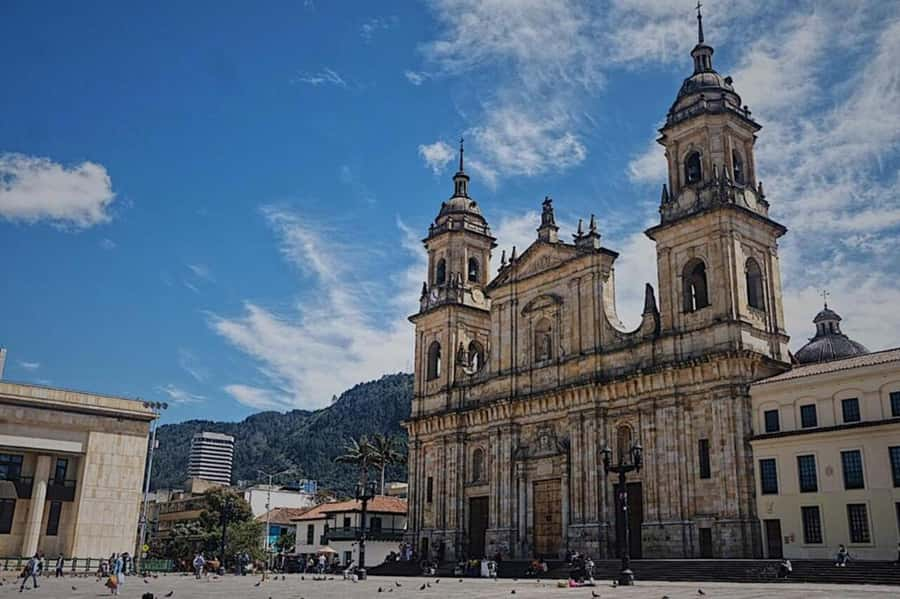
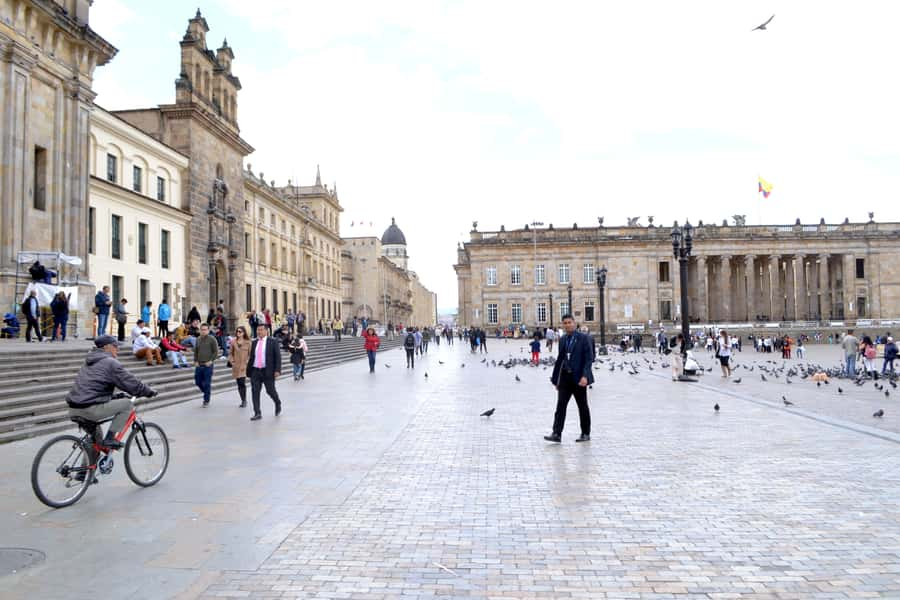
Bolívar Square is the major historical payoff. It brings together important civic and religious buildings and provides a setting for discussing Colombia’s complicated past. The tour does not reduce that past to a simple sequence of dates. Guides have been praised for giving concise explanations of conflict, political change, and the country’s resilience without losing the group in academic detail.
That balance is important. You need enough background to understand what you are seeing, but not so much that the walk becomes a lecture. Guides such as Luis have been praised for making a brief account of Colombia’s recent history clear and accessible. José and Bernardo have also been appreciated for connecting major places with the events that shaped Bogotá.
Bolívar Square can be crowded, noisy, or exposed to the weather. Still, it is a strong place to pause and consider how the city’s public life has developed. If your guide has time, ask which buildings or museums deserve a return visit.
One departure also included the Botero Museum as an extra stop. Treat that as a possible bonus, not a guaranteed part of every outing. Museum visits and indoor stops may depend on the guide, timing, and option selected.
What the duration and group size mean
The advertised duration ranges from three to seven hours, so do not book without checking the exact option and starting time. Most descriptions from the experience point to a walk of about three hours, while a bike-and-walking combination can fill much more of the day.
The standard walk suits a first visit. It covers enough ground to orient you without requiring an entire day. If you choose the longer combination, be ready for a fuller schedule and more time on your feet.
Small groups are available. This matters more than it may sound. A small group makes it easier to hear the guide in a noisy square, ask about unfamiliar foods, and request advice for the rest of your visit. It also helps the group keep a steady pace without long waits.
The group size can vary by departure. One outing had only three people, and another had five. That kind of setting can feel almost private, though you should not book expecting a private tour unless your chosen option says so.
Price, value, and what is really included
At $16 per person, this is inexpensive for a guided introduction to central Bogotá. You are paying for a walking guide, food tasting, and a route that links several major areas rather than for museum admission or a full meal.
The value is strongest if you are new to Bogotá. A good guide can save you time by explaining what you are seeing, pointing out places you might otherwise miss, and offering ideas for later. The tour also gives you a social start to the city if you arrive alone.
The price is less compelling if you already know La Candelaria well or want a slow food tour. The market tasting is modest, and food is not the central purpose. Plan to pay separately for museums, meals, transport, and any purchases at the market.
You can reserve now and pay later, and cancellation is free up to 24 hours before the activity for a full refund. Those terms are useful if your Bogotá schedule may change, but check the selected option for its exact meeting point, duration, and inclusions.
Who should book this La Candelaria walk
I would choose this tour early in a Bogotá stay. It gives you a map in your head, introduces the city’s major themes, and leaves you with ideas for where to return. It is particularly useful if you want history explained in plain language rather than read from a guidebook.
It also suits solo visitors and curious first-time visitors who enjoy asking questions. The group setting makes it easy to meet other people, while the guide helps create a shared rhythm.
You may prefer another option if you dislike walking in changing weather, need a substantial food experience, or want long museum visits. This is an active city orientation with tastings, not a sit-down culinary tour or a quiet architectural walk.
If you want more movement, add the bike tour for the same day. That combination can show you more of Bogotá, but it also creates a longer and more tiring schedule. For most people, the standard walk is enough for a first look.
Practical tips for a better day
- Wear shoes you can use comfortably for several hours.
- Carry water and sunscreen, even if the morning begins cool.
- Bring a camera, but keep attention on the guide and your surroundings.
- Eat a light meal beforehand because fruit and coffee may not satisfy a full appetite.
- Ask about the tasting on your departure, since fruit, coffee, chocolate, and coca tea may vary.
- Check the meeting point and exact duration before leaving your accommodation.
- If you want museum time, return afterward rather than assuming it is included.
- Dress for rain and sun. The tour runs in all weather.
- Save restaurant and sightseeing questions for the guide. Practical recommendations are one of the more useful extras.
Should you book it?
Book this walking tour if you want an affordable, well-organized introduction to Bogotá’s historic center, especially during your first day or two. The strongest parts are the mix of La Candelaria street art, market fruit, architecture, and clear explanations at Bolívar Square.
Choose it with realistic expectations. The tasting is a small part of the day, the walking pace can be active, and the exact route depends on the option and guide. If that sounds right, $16 buys a useful start, a bit of local flavor, and the context needed to make the rest of your Bogotá visit more rewarding.
FAQ
How much does the La Candelaria walking tour cost?
The listed price is $16 per person.
How long does the activity last?
The available options range from three to seven hours. Check the selected option for its exact duration.
Which languages are available?
The tour is offered in English and Spanish.
What places are included?
The route includes La Candelaria, La Concordia market, Carrera Séptima, Bolívar Square, and the area around the Gold Museum. Some departures may include additional stops, such as the Botero Museum.
Is food included?
Food tasting is included. The experience commonly includes local fruit and may include coffee, chocolate, or coca tea depending on the departure.
Can I join a small group?
Small-group options are available. The exact group size depends on the option booked.
What should I bring?
Bring comfortable shoes, a camera, sunscreen, and water. The tour operates in all weather, so rain protection is also sensible.
Just added around Bogota
- Zipaquirá: Private tour to the Salt Cathedral, Colombia’s first wonder★ 4.9 · 33 reviews
- Zipaquira: 5 hrs Salt Cathedral Tour★ 4.4 · 9 reviews
- Wonders of Salt: Colombia’s Underground Cathedral★ 5.0 · 18 reviews
- Zipaquirá Salt Cathedral & Andrés Carne de Res (Chía)★ 4.6 · 30 reviews
- Zipaquirá: Private Salt Cathedral Mine and Walking Tour★ 4.8 · 3 reviews
- Villa de Leyva Trip by Private Transportation★ 4.8 · 27 reviews
- Wonderful tour of Villa de Leyva, and Zipaquira Salt Cathedral.★ 4.5 · 34 reviews
- Theatron Party-Tour, 20 Clubs, Map, cocktail, bottle, After-party★ 5.0 · 27 reviews
Walking Tours, compared.
Historic Center and Getsemaní Shared Walking Tour
Read our review →
A Pearl In The Caribbean-walking tour in English
Read our review →
Zipaquirá Salt Cathedral Private Tour + Walking Tour
Read our review →Browse the lists this tour appears in