
Reviewed · CHOCOLATE & CACAO TOURS
Chocolate tour near Medellin
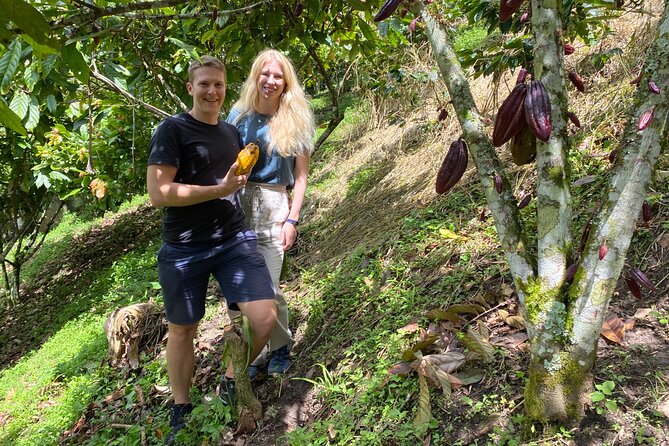
The best part of this Medellín chocolate tour is that chocolate making starts on the cacao tree, not at a polished tasting counter. You pick a pod, open it, handle the beans, roast them, grind them, and make chocolate with help from the farm family.
I like the small-group feel, with groups advertised at up to four people, and the personal guidance from people such as Yuly, Oscar, and Sara. I also like that your $119 includes transportation, snacks, fruit, drinks, and the farm experience. The catch is the terrain: narrow, steep, and sometimes muddy paths make this a poor fit if you have trouble with hills or heights.
Key points at a glance
- Pick cacao directly from the tree: You take part in the first step instead of only hearing about it.
- Make your own chocolate: Roast, peel, grind, sweeten, and mold the cacao yourself.
- Meet a farming family: Sandra and her relatives welcome you onto their property and explain their work.
- Enjoy a quiet change of scene: The farm is about an hour from Medellín, in the highlands near Copacabana.
- Expect a personal guide: Yuly and Oscar are repeatedly singled out for their warmth, English, and easy conversation.
- Wear proper shoes: Farm paths can be steep and muddy, and one account notes a narrow bridge and hillside paths.
Why this is more than a chocolate tasting
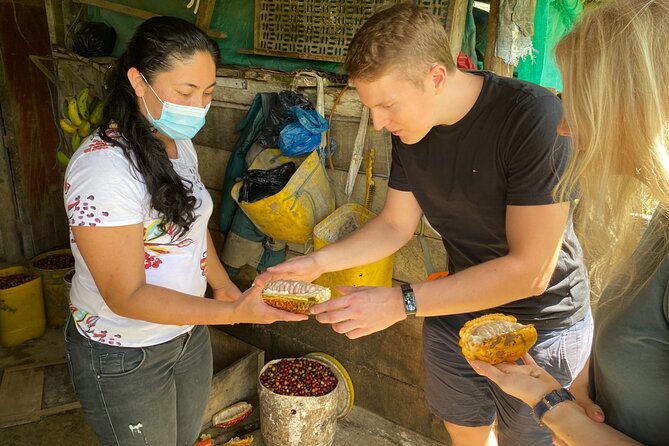
Many chocolate outings stop at a short explanation followed by samples. This one gives you the less glamorous but more memorable parts: opening cacao pods, scraping out the seeds, roasting them, removing the husks, and grinding the beans.
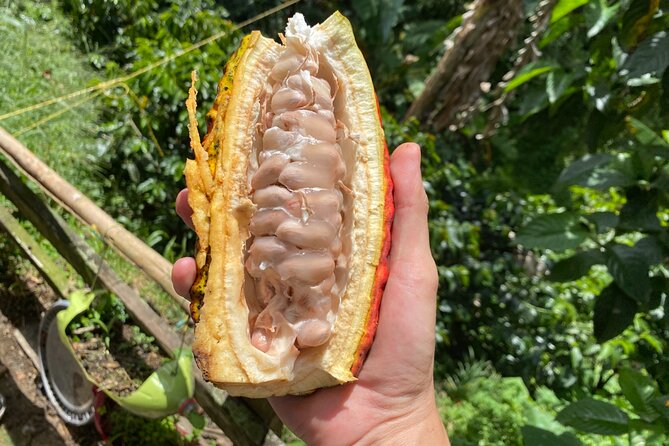
That matters because cacao does not taste like a chocolate bar when it comes straight from the pod. You can taste the soft pulp around the seeds, then compare that with roasted cacao nibs, cocoa paste, hot chocolate, and finished chocolate. The process gives you a better feel for how much work sits behind a familiar sweet.
The day also has a strong family-farm character. Sandra and her family host you on their property, while the guide helps explain the process and translate when needed. You are not simply moving from one commercial stop to another. You are spending time at a working home and farm, with fruit trees, coffee plants, flowers, and other crops along the way.
That personal scale is the main reason to choose this experience. If you only want a quick chocolate sampling, the six to seven hours may feel long. If you want to understand cacao and meet the people who grow and process it, the time is well used.
More chocolate tours in Medellin:
- Coffee & Chocolate Private Tour in Medellin: Genuine Experience
★ 5.0 · 100 reviews - Chocolate tour near the Medellín
★ 5.0 · 13 reviews - Medellín: Chocolate Tour & Exfoliation in beautiful river
★ 5.0 · 3 reviews
Leaving Medellín for Copacabana
Pickup begins at your lodging in Medellín. You then ride for about an hour in an air-conditioned vehicle toward the cacao farm near Copacabana.
The drive is not just a transfer. Guides such as Oscar and Yuly have been praised for making the ride useful and enjoyable, with conversation about Colombia and life beyond the country. If you like having a guide who can put the outing into a wider cultural setting, this is a real advantage.
Still, plan for a full half-day or more. The total experience lasts roughly six to seven hours, and about two hours of that schedule can be tied to the round trip. The drive gives you a break from Medellín, but you should not book this expecting a quick activity squeezed between several city sights.
The air conditioning is welcome after time outdoors. Transportation, pickup, and the return ride are included, so you do not need to arrange a separate taxi to a rural property. That convenience adds real value to the $119 price.
Arriving at a family cacao farm
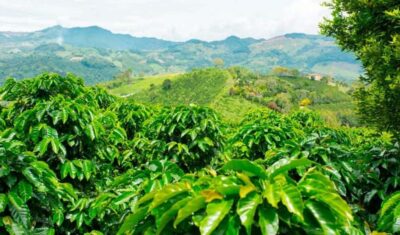
The farm visit lasts about three hours, though the whole outing includes transportation and the rest of the day’s activities. The setting is one of the pleasures here. You might see cacao growing beside coffee plants, fruit trees, flowers, and unfamiliar plants that the family has cultivated.
One especially memorable detail is that the property reflects the work of Señor Efren, who designed and planted what you see and taste. That gives the stop a personal story beyond the chocolate itself. You are learning about a family’s relationship with the land, not just touring a factory.
Sandra and her family handle the chocolate work, and their hospitality is central to the visit. The atmosphere is informal and welcoming. You may be offered fruit from the farm, along with pandequeso, a Colombian cheese bread that makes a fitting snack during a rural outing.
Coffee and tea are included, as are chocolate drinks in different forms. You can expect hot chocolate, cocoa paste, and cocoa nibs during the tasting portion. These different textures and flavors help show how cacao changes as it moves through the process.
From cacao pod to chocolate bar
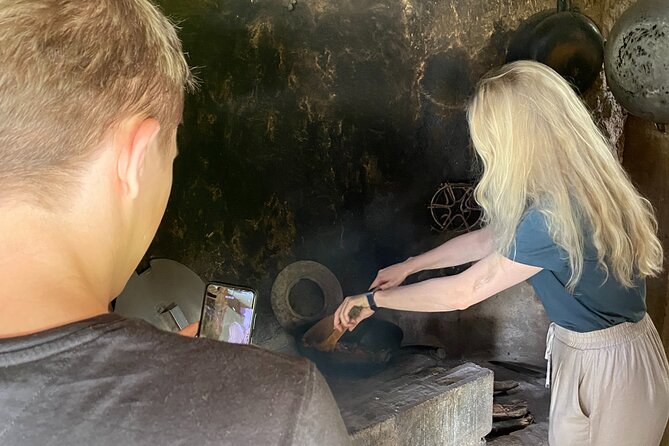
The hands-on sequence is the heart of the day. You pick cacao pods, peel them, remove the beans, and take part in fermenting, drying, roasting, grinding, and molding.
Not every step is likely to happen from start to finish while you stand there, since fermentation and drying take time. But you are shown the full chain and participate in the stages that can be handled during the visit. That gives the phrase tree-to-bar some real meaning here.
The fresh cacao pulp around the beans is worth trying. It is sweet and fruity, and it tastes very different from the bitter nibs that come later. You then see the beans roasted and peeled before they are ground into a paste.
A fun detail is that you can decide how much sugar goes into your chocolate. That makes your finished batch more personal than a standard sample. You also make chocolate pieces or bars with topping choices, then mold them to take home.
The process can be messy and hands-on. That is a benefit if you want participation, but a drawback if you prefer a polished demonstration. Bring the mindset of a farm workshop, not a luxury confectionery class.
A few more Medellin half-days worth weighing up
- Medellin: Comuna 13 Graffiti Tour, Cable Car & Street Food
★ 4.8 · 9,046 reviews - Medellín: The Real Pablo Escobar Tour
★ 4.8 · 3,205 reviews - Medellín: Comuna 13 True Story and Street Food Tour
★ 4.9 · 1,779 reviews - Medellín: Comuna 13 District Tour with Cable Car Ride
★ 4.8 · 1,467 reviews
The guides make a difference
The guide can shape the entire day because the ride to the farm takes about an hour and the farm family may need translation help.
Yuly is repeatedly praised for her outgoing personality, cultural knowledge, and ability to keep conversation flowing. She has spent time in the United States and Europe, which can help when you want to compare Colombian customs with places you know. She also explains how tourism helps the farm family grow its business.
Oscar is described as warm, friendly, and fluent in English. He has been especially appreciated for his knowledge of Medellín and for making the drive feel like part of the experience rather than dead time.
Sara is also praised for being attentive and making the outing convenient. Guide assignments can vary, so you should not assume a particular person is guaranteed. The important point is that the experience is built around a guide who connects you with the farm family, rather than leaving you to navigate the visit alone.
Walking conditions and physical effort
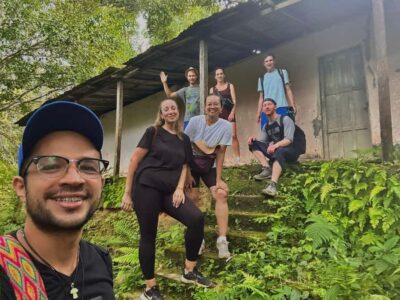
The tour requires a moderate level of fitness. The farm paths can be steep and muddy, and at least one section includes a narrow bridge. Some paths run along hillsides, which may be uncomfortable if you are afraid of heights.
Wear hiking shoes or sturdy footwear with good grip. Bug spray is also a smart choice based on the rural setting. Sandals and smooth-soled city shoes would make the walk less pleasant, especially after rain.
You do not need to be a serious hiker, but you should be comfortable walking on uneven ground. If you need fully accessible paths or have difficulty crossing narrow spaces, ask before booking. The supplied details do not promise an accessible route.
Weather matters, too. The experience requires good weather. If poor conditions force a cancellation, you are offered another date or a full refund. That policy is helpful, but it also means you should keep some flexibility in your Medellín schedule.
What the $119 price covers
At $119 per person, this is not a bargain-priced tasting. The value comes from the amount bundled into the day.
You receive pickup and return transportation in an air-conditioned vehicle, a guide, the farm visit, snacks, fruit, coffee or tea, several chocolate preparations, and the chance to make chocolate yourself. You are also paying for a small-scale cultural visit rather than only for food samples.
The small group promise is a major part of the value. The main description says a maximum of four people, while the additional information gives a maximum of 15. That is an important point to clarify before booking. If your reservation is handled as a four-person group, you should get a more personal exchange with the guide and family. The broader maximum may refer to overall activity capacity.
The price makes the most sense for someone who values convenience and personal contact. If you are already renting a car and only want to buy chocolate, it is too much. If you want an all-day rural outing without arranging transport, food, translation, and farm access separately, it is easier to justify.
Who will enjoy this day most
I would choose this tour if you enjoy learning by doing. You handle the cacao, make decisions about sugar, and create something to take home. Families, couples, solo visitors, and small groups of friends can all fit the format.
It also suits anyone curious about Colombian agriculture and family enterprise. The farm includes more than cacao, and the conversation can cover coffee, fruit, flowers, local life, and the way tourism supports the household.
Chocolate enthusiasts should find plenty to enjoy, especially if you have done factory tours where the process is explained but not truly hands-on. This outing gives you more contact with the raw ingredient.
I would hesitate if you want a fast, urban activity, dislike mud, or have serious concerns about heights and uneven ground. The farm setting is part of the appeal, but it also brings rural conditions.
Booking, cancellations, and useful planning
Confirmation is provided at booking. The experience is often reserved about two weeks ahead, so booking roughly 14 days in advance is sensible if your dates are fixed.
You can cancel for a full refund up to 24 hours before the start time. Cancellations or changes made inside that window are not refunded or accepted. Cutoff times follow local time in Colombia.
The tour is operated by Tourguides Medellín. Since guide names can vary, ask who will accompany you if having an English-speaking guide is especially important. The provided information confirms strong English ability for Oscar, while Yuly is also described as an excellent translator and guide.
Pack light, wear shoes suited to mud, and leave room in your luggage for the chocolate you make or buy. You can purchase additional chocolates to take home, making the farm a useful place to find gifts for family and friends.
Should you book this Medellín chocolate tour?
Book it if you want real participation, a family-farm setting, and a quiet break from Medellín. The chance to pick cacao, taste the fresh pulp, and make your own chocolate is much more memorable than a standard sample tray.
Skip it if your main goal is a short tasting or if steep, muddy paths are a concern. For everyone else, the combination of transport, food, guiding, farm hospitality, and hands-on work makes the $119 price reasonable, especially for a small group.
FAQ
Where does the chocolate tour take place?
The experience begins with pickup at your lodging in Medellín, then continues to a family cacao farm near Copacabana, north of the city.
How long does the experience last?
The complete outing lasts approximately six to seven hours. The drive to the farm takes about one hour each way, and the farm visit is listed at about three hours.
What will I do at the cacao farm?
You can pick cacao pods, peel them, handle the beans, and take part in fermenting, drying, roasting, grinding, and molding the chocolate.
Can I make my own chocolate?
Yes. You make chocolate during the visit and can choose how much sugar to add. You can also buy additional chocolate to take home.
What food and drinks are included?
The experience includes pandequeso, fruit from the farm, coffee or tea, and chocolate in different varieties, including hot chocolate, cocoa paste, and cocoa nibs.
Is transportation included?
Yes. Pickup from your lodging and transportation in an air-conditioned vehicle are included.
How fit do I need to be?
You should have a moderate level of physical fitness. Farm paths can be steep and muddy, and the route may include narrow paths and a narrow bridge.
What happens if the weather is bad?
The experience requires good weather. If it is canceled because of poor conditions, you can choose a different date or receive a full refund.
Just added around Medellin
- Commune 13, Graffitour street food. History.All inclusive★ 5.0 · 35 reviews
- City tour, Commune 13, Metro Cable, Botero Park and more. Private★ 5.0 · 34 reviews
- Aerial Hammocks, Zip and Waterfall Trek on Medellin Private Tour★ 5.0 · 39 reviews
- Walking tour downtown Medellín★ 5.0 · 39 reviews
- Hiking Mountains and Magical Forests★ 5.0 · 27 reviews
- Barrio transformation and urban escalator of Comuna 13★ 5.0 · 47 reviews
- Tour to the Hacienda Nápoles Theme Park★ 4.0 · 22 reviews
- Tour Cabalgata★ 5.0 · 37 reviews
Chocolate & Cacao Tours, compared.
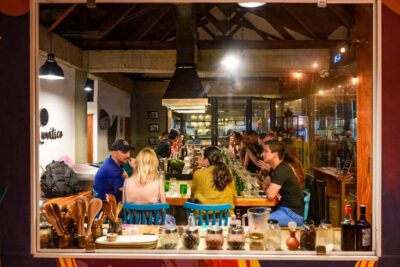
Boutique Rum and Chocolate Tasting at Lunático
Read our review →
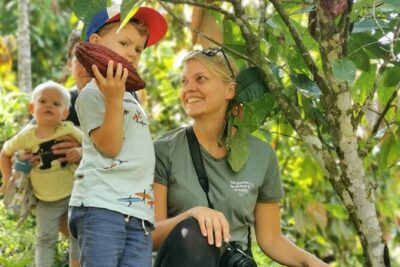
Coffee & Chocolate Private Tour in Medellin: Genuine Experience
Read our review →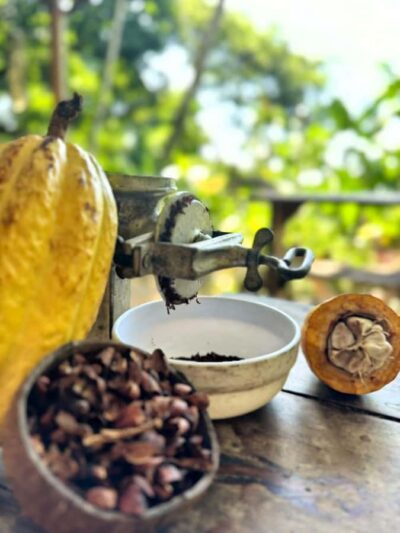
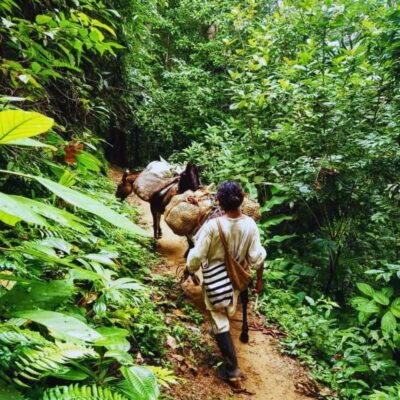
Trekking History and Indigenous Heritage in Minca + Cacao & Coffee + Waterfall
Read our review →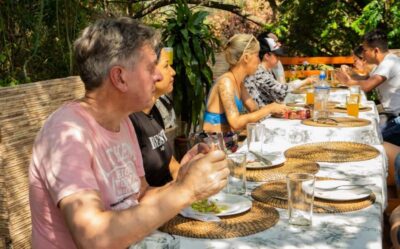
Coffee, Cocoa and Trekking Tour in Minca: Nature, Crops and Production
Read our review →Browse the lists this tour appears in