Reviewed · COFFEE EXPERIENCES
Trekking History and Indigenous Heritage in Minca + Cacao & Coffee + Waterfall
Minca’s best stories are found on foot, along trails tied to the Tayrona people and still used in a living cultural setting. This tour takes you from the village park to an Arhuaco family farm, where coffee and cacao become more than breakfast drinks. They become a way to talk about land, tradition, and change.
I like the combination of Indigenous history and nature. I also like the chance to meet an Arhuaco family rather than simply hear a guide give a museum-style talk. Guides such as Jorge, Andres, and Santiago have led especially personable outings, with time for questions and useful tips about the Santa Marta area.
The main consideration is the medium-level hike. You need decent fitness, sturdy shoes, sun protection, and patience for warm, wet conditions. The waterfall may be available along the route, but it is not something to treat as guaranteed in every circumstance.
Key points to know before you book
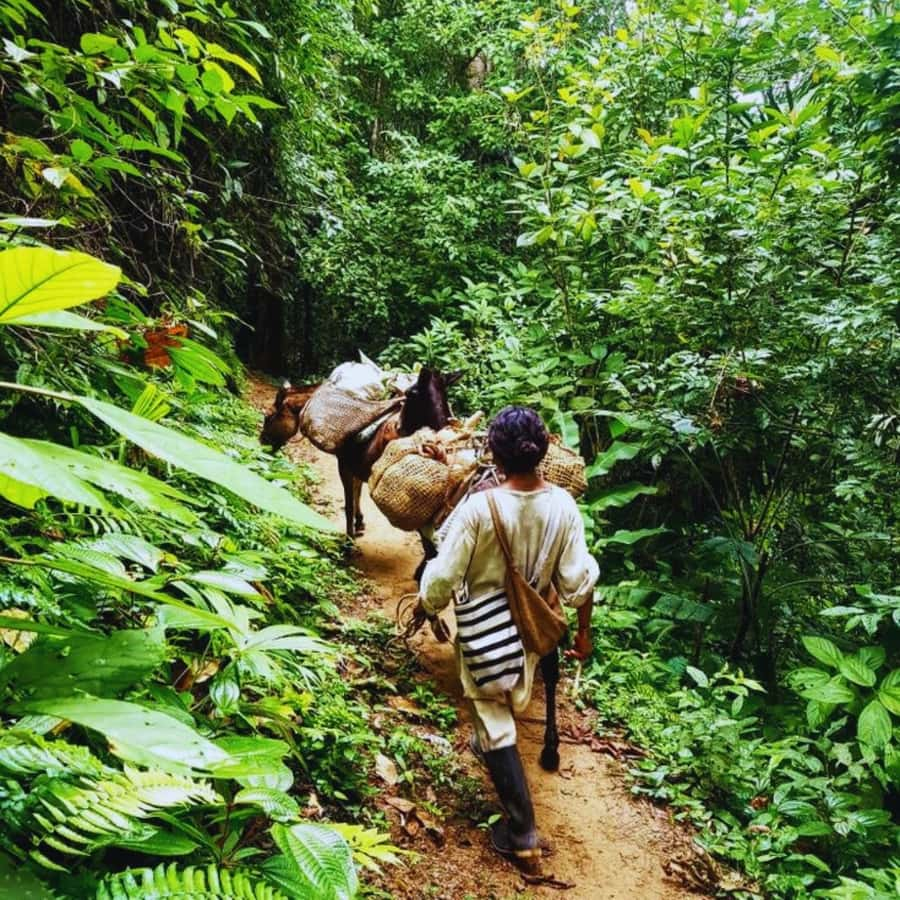
- Tayrona heritage trails: The walk connects Minca’s forest setting with the history of the Kogui, Wiwa, Arhuaco, and Kankuamo peoples.
- Arhuaco family farm: At Cabanas Bosque Cacao, you learn how coffee and cacao are grown and prepared from an Indigenous point of view.
- Bilingual local guidance: Tours are offered in English and Spanish, with guides such as Jorge, Andres, and Santiago leading departures.
- A useful half-day plan: The activity lasts about 4.5 hours and begins and ends at Minca’s Central Park.
- Community benefit: Part of your payment goes directly toward Indigenous community projects.
- Waterfall time: Bring a swimsuit. You may reach a waterfall suitable for cooling off after the walk.
Why this Minca tour feels different
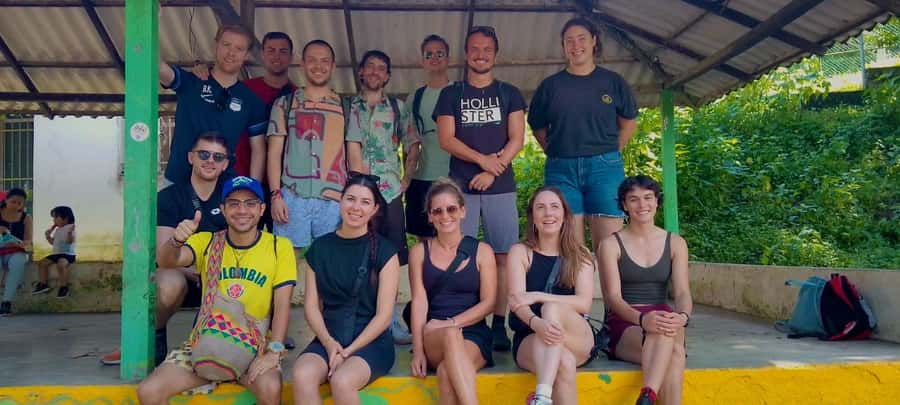
Minca is often treated as a place for coffee, jungle views, and a quick escape from Santa Marta. This outing gives you a wider frame. The forest is not just scenery, and the farm is not just a tasting stop. Both are tied to communities that have maintained long connections with the Sierra Nevada region.
The tour introduces the Tayrona heritage of four Indigenous peoples: the Kogui, Wiwa, Arhuacos, and Kankuamos. You hear about their relationship with nature, their traditional knowledge, and the cultural changes that have affected their territory.
That context matters. A short walk can otherwise become a string of pretty views with no sense of place. Here, your guide helps explain how plants, farming, and community life fit together. The exact route and amount of wildlife you see can vary, but the main subject remains clear: Minca is a living cultural area, not simply a backdrop for photographs.
I would choose this experience if you want a small-scale cultural outing with physical activity. It is less suitable if you want a long, demanding mountain trek or a full food tour with a large meal.
More Chocolate Tours in Santa Marta
- Santa Marta: Minca Coffee, Cocoa, & Waterfall Full-Day Trip
★ 4.6 · 102 reviews - Cacao Experience Tour
★ 4.8 · 66 reviews - Minca: Full-Day Coffee and Cocoa Tour from Santa Marta
★ 4.5 · 61 reviews
Starting at Minca’s Central Park
You meet at Minca’s Central Park, beside the central chapel. This is a practical starting point because the tour does not include transportation, and you do not need to find a remote farm on your own.
The activity returns to the same place. If you are coming from Santa Marta, transportation to Minca is your responsibility, but the operator can provide contact information for a private driver if you need help arranging the ride.
Plan your arrival with enough time to find the chapel and meet the guide without rushing. You will want water in your bottle before leaving the village. Food and drinks are not included, so eat beforehand or ask locally about options before the walk begins.
The tour is offered in English and Spanish. The quality of your experience will depend partly on the guide assigned that day, but the named guides associated with past departures include Jorge, Andres, and Santiago. Jorge is noted for explaining local community life and offering practical advice about the Santa Marta area. Andres has a lively way of adding facts without making the walk feel like a lecture. Santiago has also led the outing.
Walking trails connected to Tayrona heritage
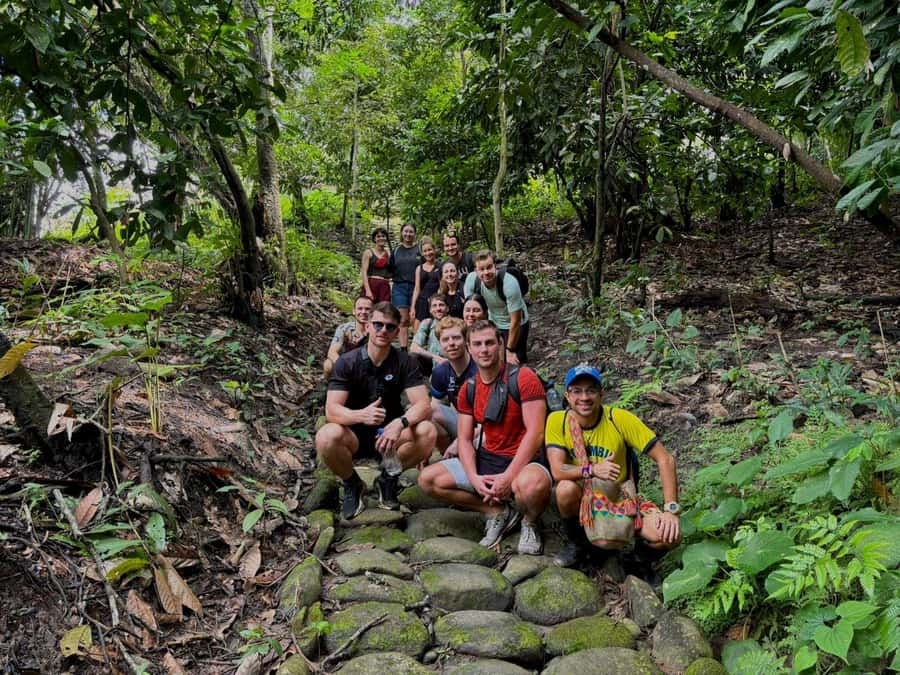
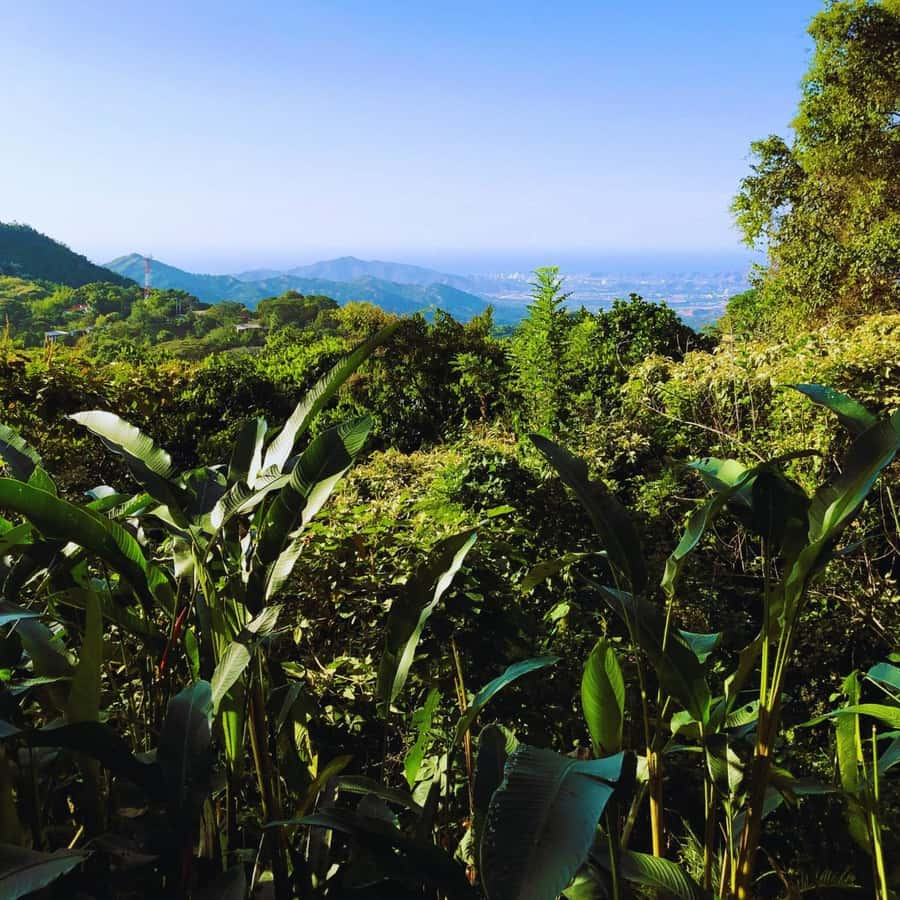
The first section takes you along nature trails with links to Tayrona heritage. Expect a mix of walking, stops for explanation, and observation of native plants and local species.
This is not presented as an archaeological tour with large ruins along the path. The value lies in understanding how Indigenous communities have related to the territory over time. Your guide discusses the descendants of the Tayrona and the continuing traditions of the Kogui, Wiwa, Arhuacos, and Kankuamos.
You also learn how the natural setting supports traditional practices. The guide may point out the connection between vegetation, farming, water, and daily life. Because the activity takes place in a diverse jungle environment, the walk gives you a chance to notice the setting instead of simply passing through it.
The route is described as medium difficulty. That usually means you should be comfortable walking on uneven natural trails for several hours, with some heat and possible humidity. The provided information does not give a precise distance or elevation gain, so I would not book this expecting a predictable fitness workout. Think active half-day outing, not a technical trek.
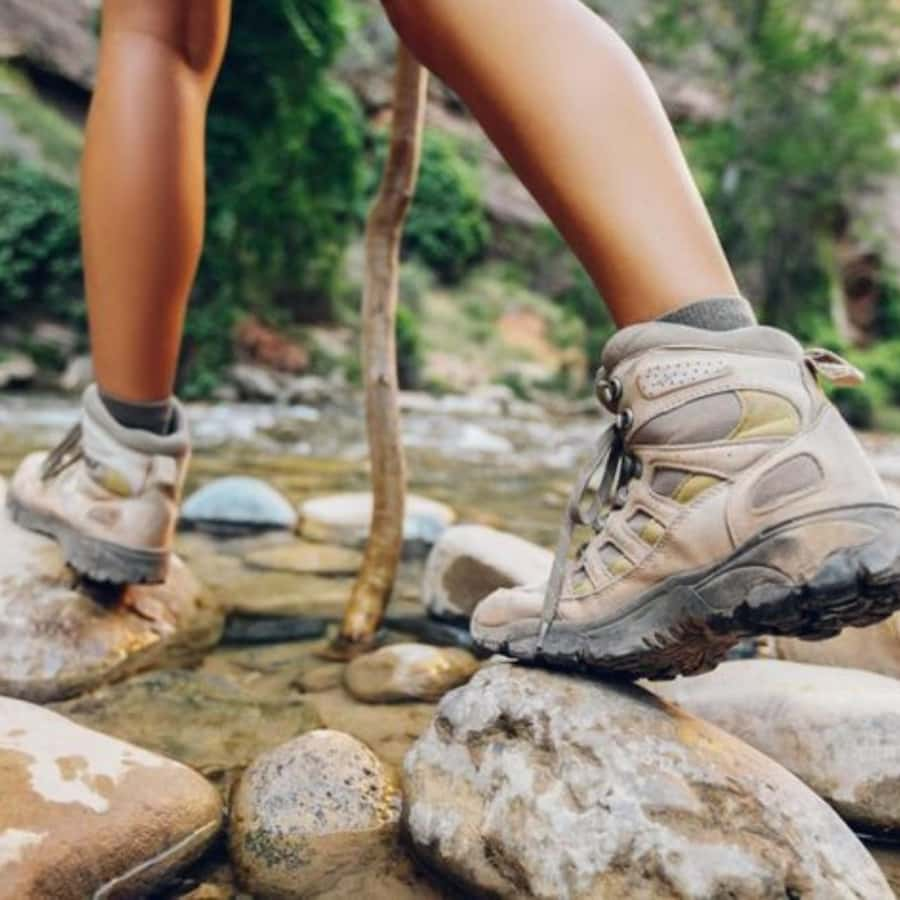
Wear proper hiking shoes or firm walking shoes. Hiking pants are useful, and a hat, sunscreen, biodegradable insect repellent, and a reusable water bottle belong in your day bag. Rain is possible, since the activity runs in most weather unless conditions become extreme.
Cabanas Bosque Cacao and the Arhuaco family farm
The central cultural stop is Cabanas Bosque Cacao, a cacao and coffee farm managed by an Arhuaco family. Here the tour shifts from walking to conversation and demonstration.
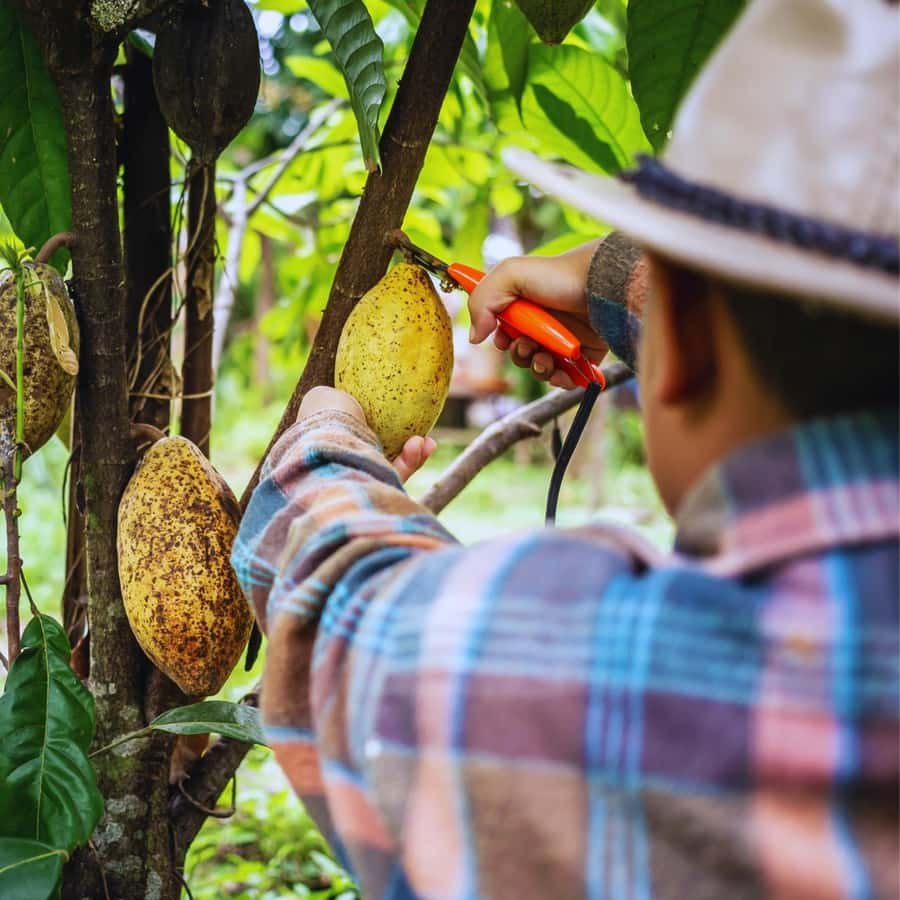
You learn how coffee and cacao are cultivated and transformed. The family also explains how these products fit into the Indigenous worldview, rather than presenting them only as commercial crops. That distinction gives the visit more substance than a standard coffee tasting.
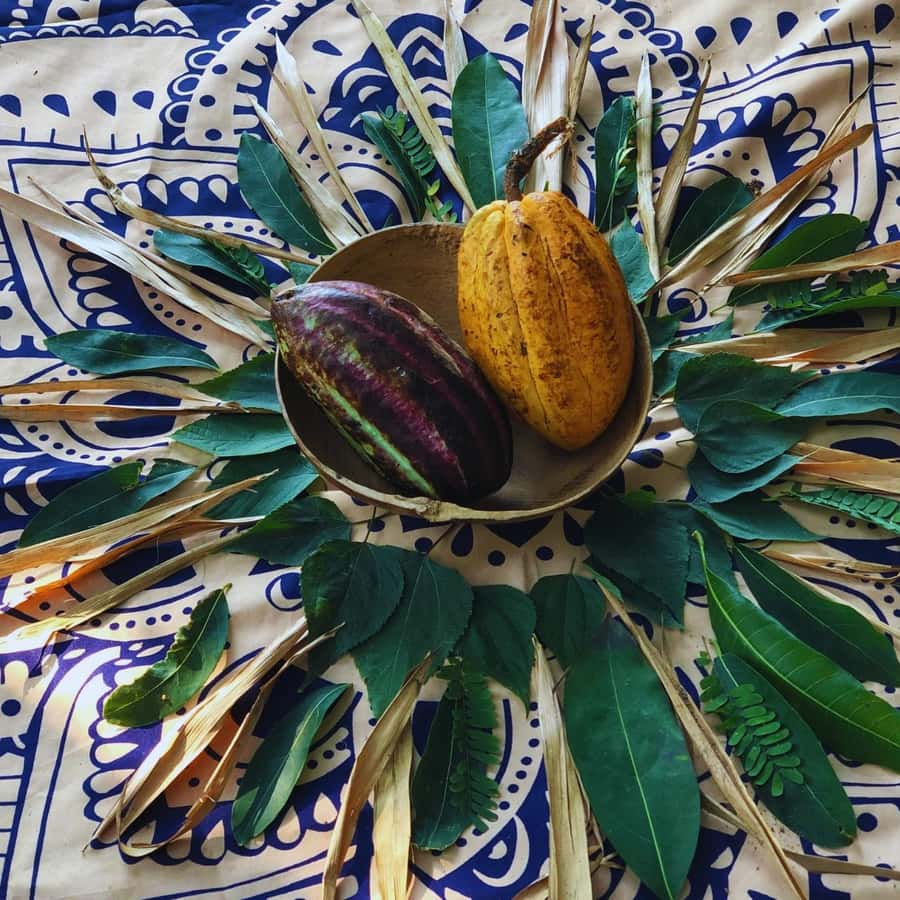
The farm visit includes traditional cacao and coffee tasting. Do not expect a full meal. Food and beverages beyond the included tasting are not part of the price, so plan accordingly.
One particularly useful feature is the chance to speak with members of the Arhuaco community. Depending on the language needs of your group, family members may help with explanations in English. This can make the conversation easier and more direct, especially when the guide is translating cultural ideas or farming processes.
You also hear about the way traditions have continued through social and cultural change. That is an important part of the visit. Indigenous life is not presented as frozen in the past. Instead, the discussion connects inherited practices with the present-day realities of the territory.
The farm stop is likely to be the most valuable part for anyone interested in Colombian food culture. Coffee and cacao are familiar products, but their meaning changes when you learn who grows them, how they are handled, and what place they hold in a community.
More Hiking Tours in Santa Marta
- Tayrona Park Hike And Beach Day
★ 5.0 · 91 reviews - Guided Hiking through Tayrona National Park and Cabo San Juan
★ 4.5 · 73 reviews - Trekking Cerro Kennedy 2 days
★ 5.0 · 47 reviews - Tayrona Park Hike Tour to Cabo San Juan: Private or Shared
★ 4.5 · 44 reviews
The waterfall stop and a cool finish
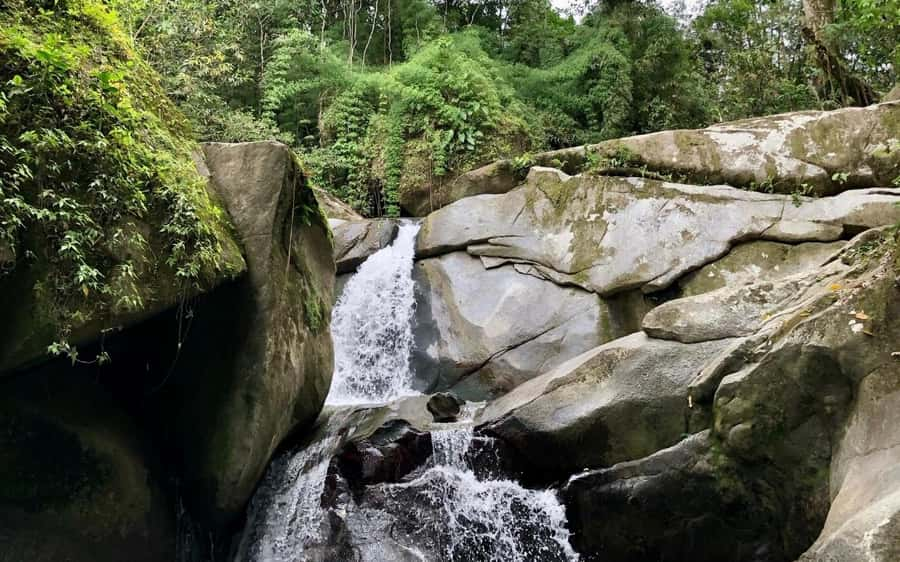
The tour ends with time to relax at a natural waterfall, although the information says you may encounter one along the way. That wording matters. Bring your swimsuit, but do not build your entire booking decision around a guaranteed swim.
If conditions allow, the water offers a welcome break after the trail. One suggested route includes walking down toward the waterfall, making the return easier to consider when planning your energy. The waterfall is a natural setting, not a developed pool, so bring only what you can keep secure and dry.
Biodegradable sunscreen and insect repellent are specifically requested. That is good practice around a water source and in a sensitive forest setting. Do not litter, and follow the community’s instructions about behavior and access.
The waterfall also gives the half-day tour a pleasing change of pace. The historical discussion and farm visit require attention. Sitting by the water lets you slow down before returning to the village park.
What the $41 price includes
At $41 per person, the value depends on what you would otherwise arrange separately. The fee includes a bilingual local guide, the guided hike, the Indigenous farm visit, explanations about cultivation and worldview, cacao and coffee tasting, time with the Arhuaco community, access to a natural waterfall, assistance insurance, and a direct contribution to Indigenous community projects.
That is a solid package for a 4.5-hour activity, especially if you value local interpretation and community benefit. You are not paying only for transport to a viewpoint or a quick sample of coffee. You receive a guided cultural program, a farm visit, and a nature component in one outing.
The price does not include transport to Minca, food, or extra beverages. If you are staying in Santa Marta, add the cost and time of reaching Minca. The operator can share private-driver contact information, but that arrangement is separate.
I would compare this tour with a simple waterfall visit or a standalone coffee farm stop. If you only want a swim, you may find cheaper and more direct options. If you want the combination of culture, coffee, cacao, and nature, the price is easier to justify.
Who will enjoy this experience most
This tour suits adults and children aged 12 or older who can manage a medium-level hike. It is a good choice for someone arriving in Minca and wanting an orientation to the area, especially since guides can add practical suggestions for the rest of your Santa Marta trip.
It also fits people who care about the social side of tourism. The direct contribution to Indigenous projects gives the visit a clear community purpose, while the farm conversation helps you understand local life beyond scenery and souvenirs.
You may want a different activity if you have limited mobility. The outing is not suitable for wheelchair users, and the uneven trails require walking ability. It is also not suitable for people over 95 according to the activity restrictions.
Families should consider the age limit and the physical effort. There is no separate children’s program described, and the cultural discussion may be best for older children and adults who can stay engaged on a half-day walk.
Practical preparation for a warm, wet trail
Wear comfortable clothing that can handle heat, humidity, and possible rain. Hiking shoes are the safest choice, while hiking pants protect your legs from vegetation and insects.
Pack:
- Reusable water bottle
- Sun hat
- Sunscreen and biodegradable sunscreen
- Biodegradable insect repellent
- Swimsuit
- Comfortable walking or hiking shoes
- Light trekking gear
Do not bring weapons or sharp objects. Alcohol, drugs, intoxication, nudity, and littering are not allowed. Cultural respect is especially important here, so listen carefully to the community’s instructions at the farm and around the waterfall.
The experience operates in rain or shine except in extreme conditions. A light rain layer is sensible, though one is not specifically listed among the required items. Keep valuables protected if you plan to enter the water.
Because the schedule lasts about 4.5 hours, check the available start times before booking. The guided farm portion is listed as about four hours, with the full activity running roughly four to five hours depending on the route and conditions.
Cancellation and booking details worth noting
You can cancel up to 24 hours ahead for a full refund. A reserve-now, pay-later option is also available, which helps if your Santa Marta plans are still shifting.
Include your WhatsApp number when you book. The operator uses it to send the final meeting details and other instructions. Since the tour begins at the central chapel in Minca and does not include transport, confirming the meeting point is worth doing before the day of the activity.
The overall rating is 4.9 from 63 ratings, and the strongest pattern in the feedback is clear: people value the guides’ warmth, the family farm visit, and the blend of information with outdoor time. That is useful because this tour depends heavily on human connection. You should book it for the guide-led conversation as much as for the trail.
Should you book the Minca cacao and heritage trek?
Book this tour if you want a thoughtful half-day introduction to Minca, with a medium walk, Indigenous cultural context, a family-run cacao and coffee farm, and the possibility of a waterfall swim. The $41 price is reasonable when you count the guide, tasting, community contribution, and several different activities.
Skip it if you want guaranteed swimming, included transport, a full meal, or a strenuous mountain challenge. You should also think twice if uneven trails or warm weather will make four to five hours uncomfortable.
For most physically fit visitors aged 12 and up, this is a well-balanced choice. It gives you a clearer understanding of Minca than a quick stop at a café, while keeping enough time for forest scenery and a cool break by the water.
FAQ
Where does the tour begin?
You meet your guide at Minca’s Central Park, near the central chapel.
Where does the tour end?
The activity returns to Minca’s Central Park, the same meeting point.
How long does the experience last?
The total activity lasts about 4.5 hours, with the full duration generally running between four and five hours.
Is transportation included?
No. Transportation to and from Minca is not included. The operator can provide contact information for a private driver if you need help from Santa Marta or elsewhere.
Is the tour offered in English?
Yes. Live guides are available in English and Spanish.
Is swimming at the waterfall guaranteed?
No. You may encounter a waterfall along the route, so a swimsuit is recommended, but conditions and the route can vary.
Can children or wheelchair users join?
The activity is not suitable for children under 12 or for wheelchair users. A medium fitness level is recommended.
More Historical Tours in Santa Marta
- Santa Marta A Historical & Street food Experience
★ 4.7 · 41 reviews - Cartagena: Historic Center and Getsemaní Shared Walking Tour
★ 4.9 · 2,716 reviews - Shared Tour Cali’s Historical Downtown
★ 4.8 · 143 reviews - Medellín: History & Local Life Essentials Tour on an E-Bike
★ 4.9 · 130 reviews
More Waterfall Tours in Santa Marta
- Santa Marta: Trekking in Minca Complete Waterfall Circuit
★ 4.4 · 28 reviews - Minca: Hidden Waterfall + Coffee and Cocoa Workshop
★ 4.9 · 6 reviews - From Santa Marta: Marinka Waterfalls 4×4 Tour with Transfer
★ 3.8 · 4 reviews - Minca, Marinka Waterfall & Hostel Sierra Minca
★ 4.7 · 3 reviews
Just added around Santa Marta
- Palomino: Palomino River Tubing and Hiking Tour★ 4.6 · 40 reviews
- Tayrona Park Hike Tour to Cabo San Juan: Private or Shared★ 4.5 · 44 reviews
- Santa Marta Street Food Tour: 7 Tastings with a Local Guide★ 5.0 · 39 reviews
- Los Naranjos Beach Horseback Riding Tayrona Park.★ 5.0 · 32 reviews
- TOUR DE 2 DIAS AL CABO DE LA VELA, LA GUAJIRA★ 4.4 · 14 reviews
- Tour en Velero a Bahía Concha Parque Tayrona★ 3.5 · 4 reviews
- Tour to Punta Gallinas with Cabo de la Vela 3 Days★ 3.3 · 4 reviews
- Tayrona Park & Cabo San Juan★ 3.5 · 20 reviews
Coffee Experiences, compared.
Coffee Tour with Transport, Snacks and Tastings
Read our review →
Medellín Coffee Farm Tour with Trolley and Cable Car Ride
Read our review →
Private Cocora Valley, Salento & Coffee Farm Tour
Read our review →
Horseback Riding Coffee Farm Tour with Coffee Spa
Read our review →