
Reviewed · MARKET & EXOTIC FRUIT TOURS
Shared Tour Cali’s Local Food at Alameda Market
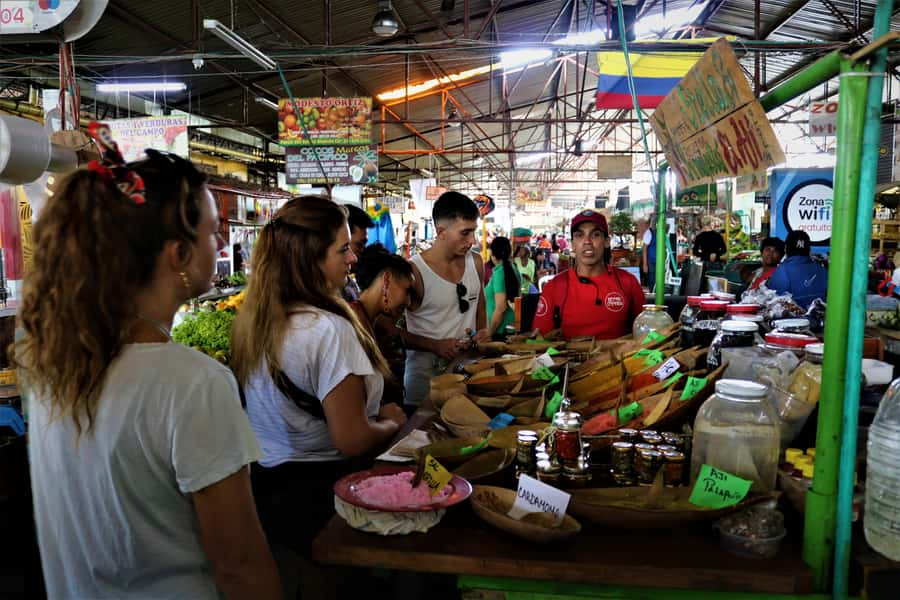
Cali’s Alameda Market is where this tour earns its place: you are not simply handed a plate in a restaurant, you are shown how food supports families, carries old traditions, and reflects the many cultures of Valle del Cauca. I especially like the focus on homemade market food and the chance to try regional drinks and fruit that may not appear on a standard Cali menu.
I also like that guides such as Fernando connect each taste to geography, family customs, and the market’s role in daily life. The main trade-off is practical: this is a walking tour of about 8 kilometers, through crowded areas, and the food and drinks cost extra. It is not suited to wheelchair users or people with food allergies.
Key points to know before you go
- Alameda Market is the main stage: You’ll see food sellers alongside vendors offering produce, clothing, crafts, and household goods.
- Expect a broad tasting theme: Sweet, salty, oily, spicy, fruity, and strong flavors all have a place here.
- Fernando may be your guide: He has led several highly praised departures, with an easygoing style and a sense of humor.
- Pacific flavors get attention: You’ll learn about traditional food from Colombia’s Pacific region and try Viche, a local alcoholic drink.
- Bring cash for tasting: Food, drinks, and souvenirs are not included, with the full tasting cost listed as up to 40,000 COP.
- This is an active walk: Plan on comfortable shoes, sun protection, water, and rain gear.
Starting at Parque Alameda with a simple plan
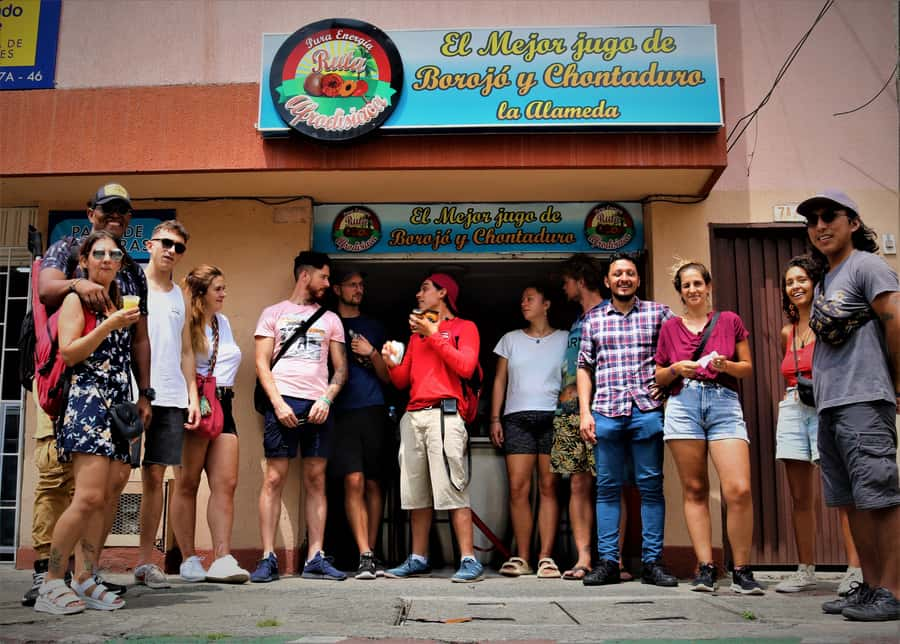
Meet the Beyond Colombia team at Parque Alameda, identified by red umbrellas. This is a useful starting point because the tour moves directly into the market rather than spending time on hotel pickups or vehicle transfers.
The walk lasts about 150 minutes, though the description also calls it approximately three hours. Allow extra time in your day, especially if the group pauses often for food, conversation, or resting stops. There is no transportation during the activity, so you walk the route from beginning to end.
I would arrive ready for a warm, active outing. Wear shoes that can handle several hours on city streets, and carry water, a hat, biodegradable sunscreen, and insect repellent. A rainproof coat or umbrella is wise too. Cali’s weather may change while you are out, and the tour continues in light rain unless conditions make that impractical.
The group format keeps the price low at $13 per person. You are not hiring a private guide, so you will share the pace and questions with other people. That is a good fit if you enjoy meeting fellow visitors and want a social introduction to Cali. It is less suitable if you want to stop at every stall for a long time or set your own route.
More market tours in Cali:
- Cali: Fruit Market Walking Tour with Tastings
★ 4.6 · 7 reviews - Flavors of Cali: Food tour at the local market
★ 5.0 · 5 reviews - Medellín Multi-sensory Tour in the market, +15 Exotic Fruits
★ 5.0 · 113 reviews
Why Alameda Market matters beyond the food
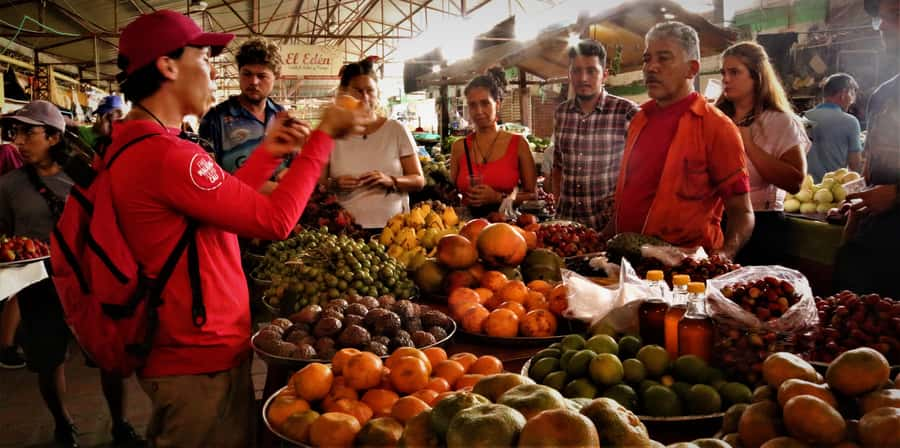
The useful part of this experience is the setting. Alameda Market is described as a core of economic survival, not just a place to buy lunch. Hundreds of vendors sell fresh produce, prepared food, clothes, crafts, and household goods. A guide can help you read the market as part of everyday life rather than treating it as a colorful backdrop.
You’ll see how food, work, and family life overlap. A homemade dish may be a recipe passed through generations, a practical meal made from local ingredients, or a product that helps a small seller earn a living. That context gives more meaning to a spoonful of Champús or a sweet Cuca.
The market also brings together products from different parts of Valle del Cauca. The region’s biological and geographic variety helps explain why the local table includes tropical fruit, strong drinks, corn-based foods, sweets, and preparations shaped by the Pacific coast.
Keep your belongings close. The tour specifically warns that some areas are crowded, and the local phrase don’t give papaya means do not make it easy for someone to take advantage of you. Carry only what you need and keep your phone secure when you are not using it.
Learning the origins of Valle del Cauca food
The tour’s food lesson begins with origins. You’ll hear about the cultural influences that shaped local cooking, including Afro-Colombian traditions, European flavors, local ingredients, and food customs passed down through families.
That mix is important because Cali’s cooking is not one single style. A dish or drink may show the use of an ancestral ingredient, a technique linked to a particular community, or a later influence adapted to local conditions. The guide also covers the role of local groups and the way the environment supplies ingredients.
The focus is not a formal cooking class. Instead, you learn while walking, looking, tasting, and asking questions. That makes the experience practical for a first visit. You can connect what you see at the stalls with dishes you may order later in Cali.
The best questions to ask are simple ones: Who usually prepares this? When is it eaten? Which region does it come from? Is it made at home or sold commercially? What ingredient gives it its taste? The tour is built around these links between food and social life.
Tasting Champús, Cucas, and fresh fruit
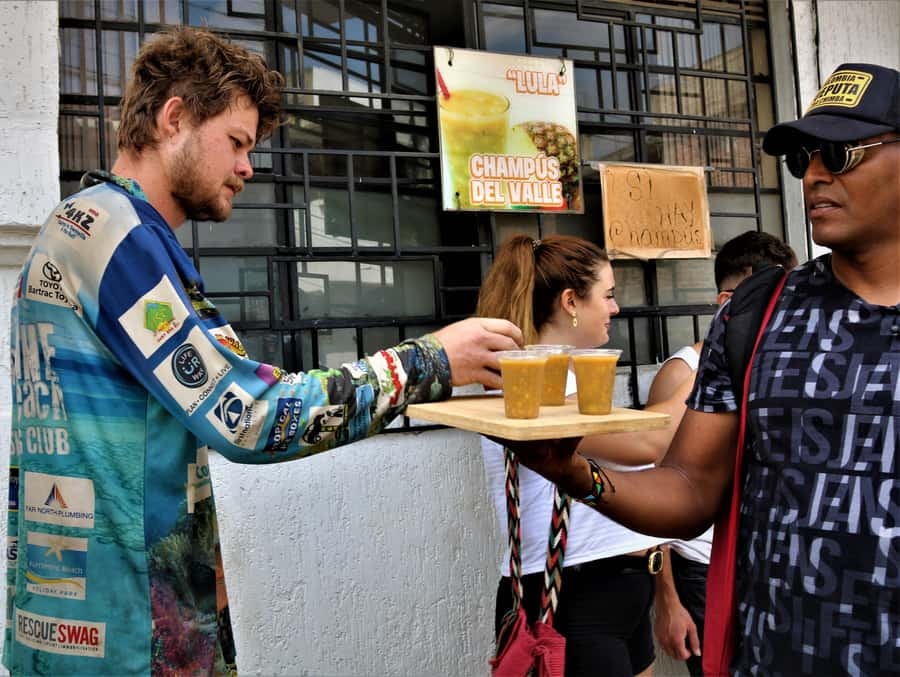
Two named foods are Champús and Cucas, both presented as homemade fare made by caleñas. You’ll get a chance to taste them while learning what they mean within local food culture.
Champús is a traditional drink or preparation associated with the southwest of Colombia, though the exact recipe can vary. The tour highlights it as part of Cali’s local food identity. Cucas are sweet regional cookies or cakes, and they provide a useful contrast to the tour’s salty, oily, spicy, and savory flavors.
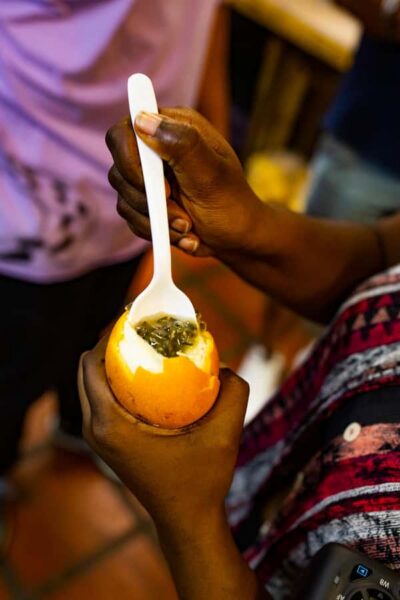
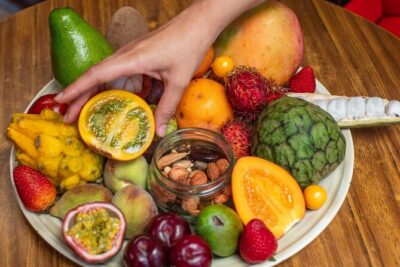
Fruit is another major part of the experience. Valle del Cauca is known for unusual and tropical produce, and the tour calls special attention to fruit juices such as Borojó. You might find flavors that are unfamiliar, intense, or more tart than the fruit drinks served in international restaurants.
This is a good place to keep an open mind. The tour specifically asks you to be ready for new flavors and combinations. You do not have to enjoy every sample, but the point is to understand how local people use these ingredients and why they matter.
Vegetarians can take part, which widens the appeal. Still, the activity is not suitable for people with food allergies. The tasting takes place in a busy market environment, and the information provided does not promise control over every ingredient, preparation surface, or cooking method. If you have a serious allergy, choose a more controlled food setting.
More food tours in Cali:
- The Cali Street Food Walking Tour
★ 5.0 · 81 reviews - Cali: Street Food Tour
★ 4.8 · 71 reviews - Street Food Tour – Live A Unique Gastronomic Experience
★ 5.0 · 34 reviews - Popayán: Gastronomic Wonders and City Tour
★ 4.6 · 6 reviews
Pacific food and a toast with Viche
The tour gives particular attention to food from Colombia’s Pacific region. This adds an Afro-Colombian dimension to the experience and shows how regional cooking differs within Valle del Cauca.
You’ll discuss traditional preparations, local ingredients, and older techniques. The food may cover a wide range of tastes, including sweet, salty, oily, spicy, and what the tour calls vigorous food. That last category is a useful warning that these are not timid flavors. Some dishes and drinks may be rich, strongly seasoned, or unfamiliar.
Viche is one of the most distinctive items included in the plan. It is a local alcoholic drink with deep cultural importance in the Pacific region. The tour includes a toast with Viche, so this is not just a subject for discussion. If you do not drink alcohol, tell the guide and skip the toast.
Drinks are not included in the $13 cost, so budget separately for the tasting. The full cost for trying the available food and drinks is listed as up to 40,000 COP. That makes the outing affordable, but the final amount depends on what you choose to sample.
The role of the guide and the group
The guide is central here. A market can be confusing without someone to explain what you are seeing, where to taste, and how a dish fits into local culture. Beyond Colombia provides an English-speaking professional guide, and Fernando is the guide most closely associated with the recent departures described for this experience.
His style comes through as friendly, funny, and good at helping people try unfamiliar food. That matters in a market because the best moments often come from small exchanges: asking what a fruit is, watching a preparation, or learning why a drink is made in a certain way.
You should expect a shared tour, not a private food crawl. The group may move at a set pace, and some stops may be brief. On the other hand, the shared setup keeps the price reasonable and can make tasting new things more relaxed. It is easier to try something unusual when other people are doing the same.
Beyond the food stops, the guide can recommend places to eat lunch, buy coffee, find souvenirs, or return to the market on your own. This practical follow-up is one of the strongest reasons to schedule the tour early in your stay. You can use those suggestions for later meals instead of guessing from the first restaurant you pass.
What the $13 price really covers
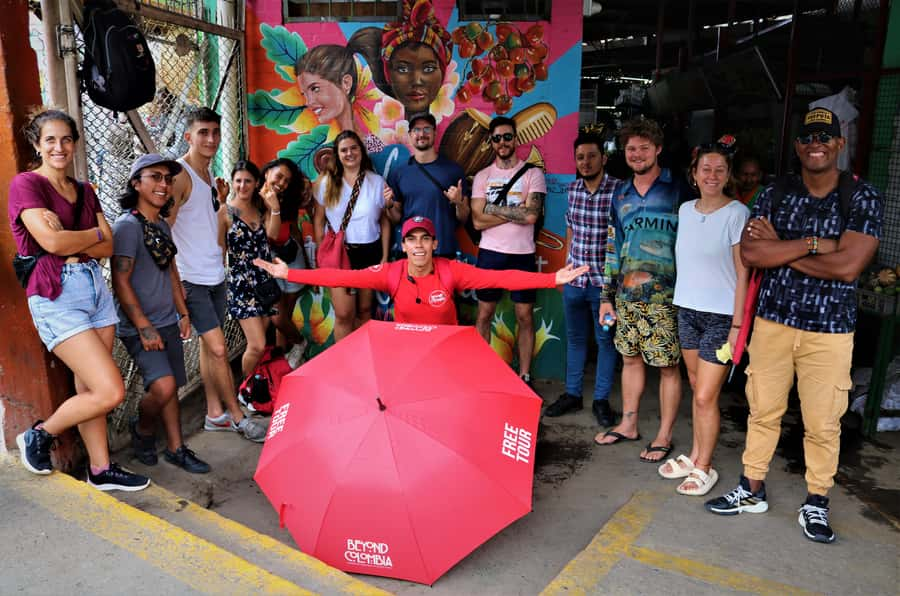
At $13 per person, the tour is priced as an introduction rather than an all-you-can-eat meal. Your payment covers the Beyond Colombia guide, the food-focused walk, explanations about regional gastronomy, visits to authentic market food spots, and recommendations for local businesses.
You pay extra for food, drinks, and souvenirs. The listed estimate is up to 40,000 COP if you try everything, though you control what you buy. That is helpful if you want a light tasting, but anyone expecting a full lunch should plan to eat more afterward.
There are no hotel transfers or vehicles, and no separate entrance fees are expected. The low price makes sense because the market itself is the setting and the tour is shared. In value terms, you are paying for access, guidance, cultural explanation, and a safe starting point for later food choices.
I think it works best for people who want context with their meal. If you only want a large lunch, you can spend your money directly at the market. If you want to know why the food matters and how the market fits into Cali life, the extra guidance is worthwhile.
The walking demands and practical limits
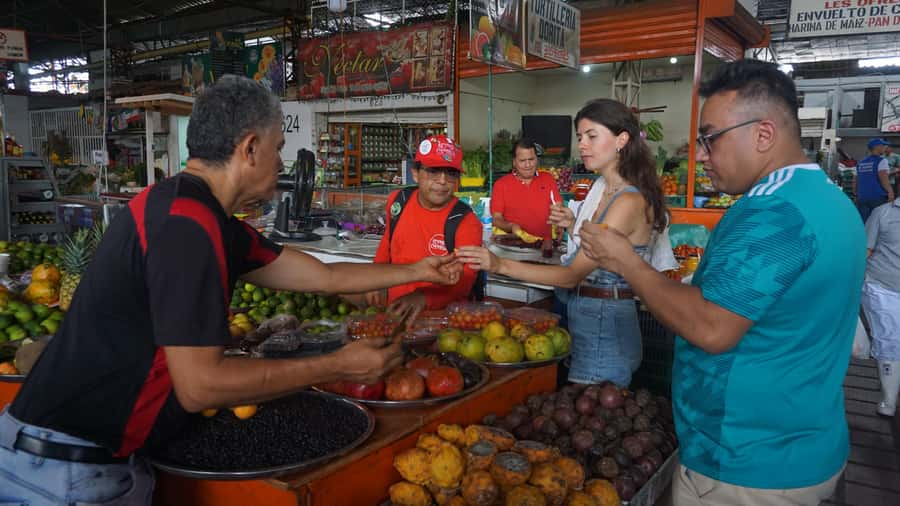
The 8-kilometer walking distance is the most important condition to understand before booking. Although the tour includes resting stops, this is not a short stroll between two or three stalls. You will spend much of the time on foot, with the market adding crowds, noise, and uneven movement.
Comfortable clothing is recommended, and there is no need to dress up. Bring water and protect yourself from the sun. An umbrella or rain cape can make the day easier if the weather turns wet.
The experience is not suitable for wheelchair users. The activity also excludes people with food allergies, since the tastings take place in market settings with many ingredients and preparations. People who are sensitive to alcohol should also remember that Viche is part of the food and drink program, though participation in the toast is optional.
Smoking, drugs, littering, and alcohol outside the planned tasting are not allowed. Keep the market clean and follow the guide’s instructions around food stalls and crowded areas.
Cancellation is free up to 24 hours before the start, and you can reserve now and pay later. Those terms are useful if your Cali plans may change, but the larger decision is whether you are comfortable with the walking and open-ended tasting format.
Who should book the Alameda food walk
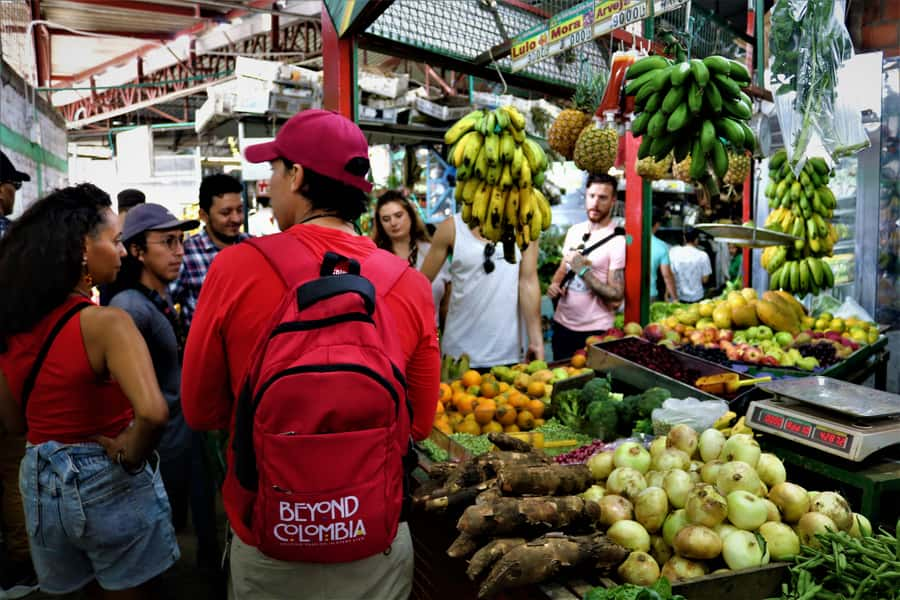
I would book this for a first visit to Cali, especially if you want a quick grounding in Valle del Cauca food before choosing later restaurants. It suits curious eaters, vegetarians, solo visitors, couples, and small groups who enjoy trying several things rather than ordering one familiar dish.
It is also a good match if you care about the people behind the food. The market’s role in economic survival, the Afro-Colombian and European influences, and the use of regional ingredients give the tour more substance than a simple sample platter.
I would skip it if you need a short, seated activity, have serious food allergies, use a wheelchair, or dislike strong flavors and unfamiliar combinations. The walking distance is real, and the market can be crowded. You should also plan another meal if you want a full lunch after the tasting.
Should you book this tour?
Book it if you want an affordable, social introduction to Cali’s food culture and you are willing to walk, taste boldly, and pay a little extra for samples. The strongest features are the Alameda setting, the attention to Pacific food and Viche, and the chance to learn how regional cooking connects to work, family, geography, and culture.
The tour is not a polished restaurant meal, and that is part of its appeal. It puts you in a working market, where the food has a daily purpose. With comfortable shoes, a secure bag, cash for tastings, and an open mind, this is a useful first step into Cali’s local table.
FAQ
Where does the tour meet?
Meet at Parque Alameda, by the red umbrellas marked Beyond Colombia.
How long does the tour last?
The stated duration is 150 minutes, or about two and a half hours. The tour description also calls it approximately three hours, so allow some extra time.
Is the tour conducted in English?
Yes. The listed live guide language is English.
Are food and drinks included in the price?
No. Food, drinks, and souvenirs cost extra. The listed total can be up to 40,000 COP if you try everything offered.
Is the tour suitable for vegetarians?
Yes. Vegetarian participation is listed as suitable.
What should I bring?
Bring comfortable shoes, water, a sun hat, biodegradable sunscreen, insect repellent, and an umbrella or rainproof coat. You will walk about 8 kilometers and visit crowded areas, so keep your belongings close.
More Food & Drink in Cali
- Coffee Tasting Experience in Cali
★ 5.0 · 13 reviews - Craft Beer Pub Crawl in Cali
★ 5.0 · 4 reviews - Medellin: Comuna 13 Graffiti Tour, Cable Car & Street Food
★ 4.8 · 9,046 reviews - Medellín: Comuna 13 True Story and Street Food Tour
★ 4.9 · 1,779 reviews
Just added around Cali
- Street Food Tour – Live A Unique Gastronomic Experience★ 5.0 · 34 reviews
- Rivering in The Danube (The Mermaid)★ 5.0 · 40 reviews
- Salsa Bar Hopping in Cali★ 4.5 · 43 reviews
- Salsa & Music Tour of Cali★ 5.0 · 42 reviews
- Pance Waterfalls: Hike to discover the biodiversity of the valley★ 5.0 · 33 reviews
- The Cali Salsa Tour★ 4.7 · 9 reviews
- Friday Salsa Pub Crawl in Cali★ 4.9 · 23 reviews
- Popayán: Gastronomic Wonders and City Tour★ 4.6 · 6 reviews
Market & Exotic Fruit Tours, compared.
Medellín Multi-sensory Tour in the market, +15 Exotic Fruits
Read our review →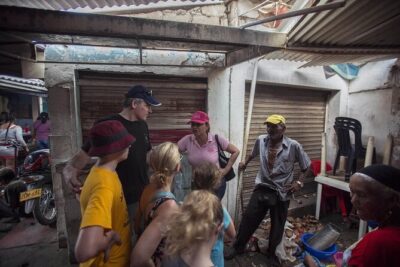
PALOQUEMAO MARKET FOOD TOUR. EXOTIC FRUIT. LOCAL SNACKS. /Min 2 pax
Read our review →
VIP Bogota City Tour: Farmers Market, Monserrate, Candelaria, 9hr
Read our review →
Guatape, El Peñol Coffee Farm Private Tour & Fruit
Read our review →
Private Tour to Comuna 13 & Exotic Fruit Market in Medellin!
Read our review →Browse the lists this tour appears in