
Reviewed · MARKET & EXOTIC FRUIT TOURS
Fruit Tour at the World’s sweetest Market
Bogotá’s Paloquemao Market is the sort of place many visitors miss, yet it offers one of the city’s best introductions to Colombian food. This three-hour tour turns a produce market into a tasting trail, with roughly 25 fruits, fresh drinks, empanadas, and other local bites. The fruit is the main event, but the market itself gives you a useful look at daily food culture.
I like the small groups, capped at six, and the guides Victor and Val receive especially warm praise for their care, preparation, and knowledge of Colombian produce. I also like that the tour goes beyond tasting: you learn how geography shapes the fruit, how locals eat it, and where to find good food later in your trip.
The main consideration is that this is a generous amount of food in about three hours. Go hungry, expect to walk and stand in a working market, and note that the selection changes with the season. If you prefer a quiet museum-style visit, the noise, movement, and steady sampling may feel like a lot.
Key points before you book
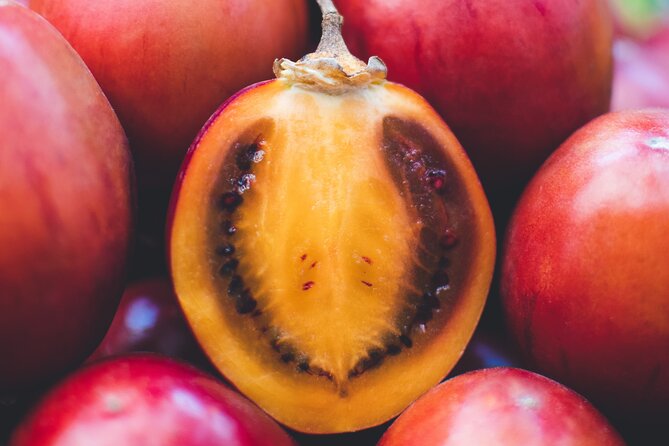
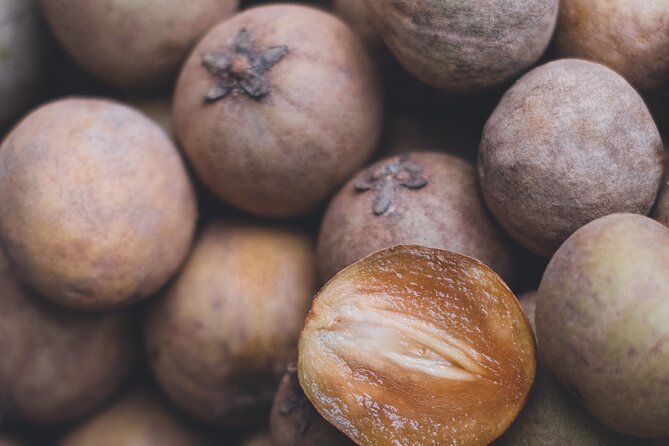
- Taste around 25 seasonal fruits: Depending on the time of year, you may try several kinds of guava and passion fruit, tree tomato, soursop, mangosteen, Andean blueberries, mora, and other Colombian produce.
- Visit Paloquemao Market with a local guide: The guide helps you navigate the market, speak with vendors, and understand what you are tasting.
- Expect much more than fruit: Coconut water, juice, smoothies, empanadas, pan de queso, hot chocolate, chucula, arepas, and sauces may be part of the morning.
- Keep the group small: A maximum of six people makes it easier to ask questions and keeps the tasting personal.
- Plan this early in your Bogotá stay: The food suggestions and market orientation can help shape the rest of your visit.
- Bring an appetite and moderate stamina: The experience includes walking, standing, repeated tastings, and several food stops.
Why Paloquemao Market makes a good first taste of Bogotá
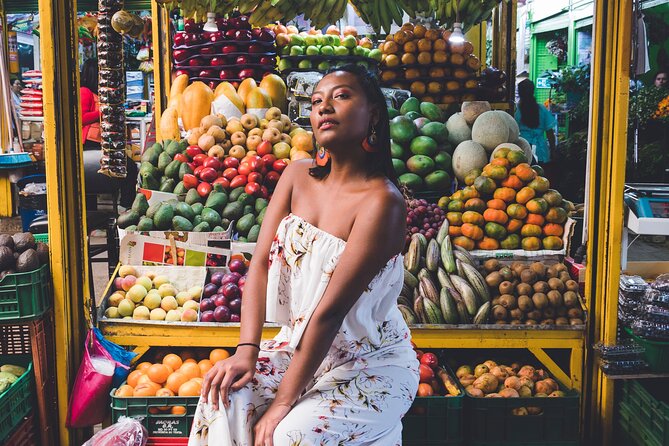
Paloquemao is not set up as a polished attraction for visitors. It is a working market where fruit, vegetables, flowers, prepared foods, and drinks are sold every day. That is part of its appeal. You are not simply looking at displays made for photographs. You are seeing where food enters the city and how Colombians shop for it.
The tour begins at Av. Ciudad de Lima #25-02 in the Los Mártires area. From there, your guide leads you through the market sections and introduces you to the vendors. A guide matters here because a first visit can be confusing. Fruit names, varieties, prices, and preparation styles are not always obvious, especially if your Spanish is limited.
Victor is repeatedly praised for his relationships inside the market, while Val is noted for her friendly manner, clear English, and strong grasp of local fruits and vegetables. Those connections add something you would not get by wandering alone. You can focus on tasting instead of guessing what to buy or how to eat it.
The market also gives the tour a stronger sense of place than a restaurant tasting alone. You see produce in quantity, watch sellers handle it, and learn that Colombia is not defined by only coffee, arepas, and plantains. The country’s position near the equator, combined with the Andes crossing it, creates growing conditions for an unusually broad range of fruit.
More market tours in Bogota:
- PALOQUEMAO MARKET FOOD TOUR. EXOTIC FRUIT. LOCAL SNACKS. /Min 2 pax
★ 5.0 · 70 reviews - VIP Bogota City Tour: Farmers Market, Monserrate, Candelaria, 9hr
★ 5.0 · 66 reviews - Shared Tour of Colombian Exotic Fruit at Paloquemao Market
★ 4.7 · 20 reviews
The fruit tasting: 25 varieties and plenty of surprises
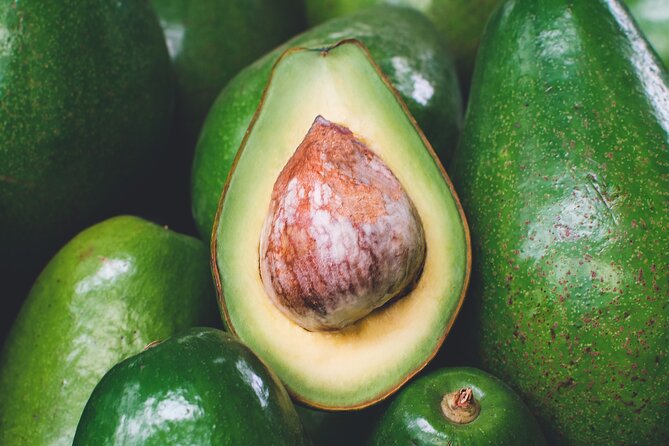
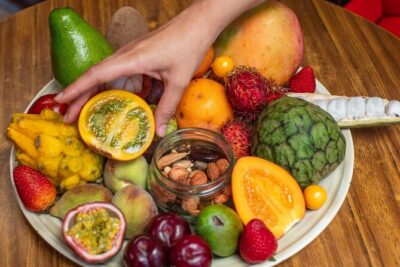
The exact menu changes with the season, but you can expect a long run of samples. Past tastings have included three kinds of guava, four types of passion fruit, tree tomato, guanabana, mangosteen, Andean blueberries, mora, and avocado. Some people report trying around 26 to 30 fruits, while the standard expectation is about 25.
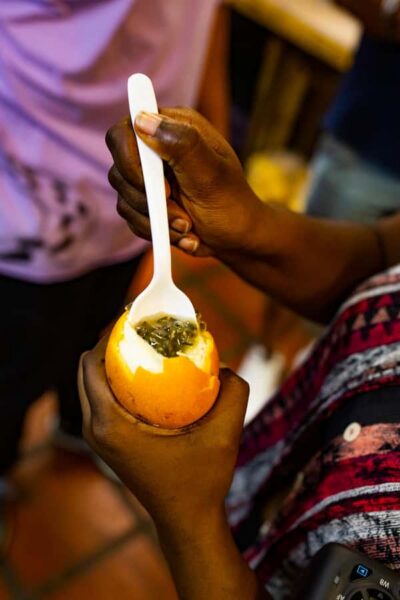
That variety is the heart of the experience. You are not just checking off exotic names. You compare textures and flavors side by side. One passion fruit may be sharp and acidic, another more fragrant. Guava can vary in sweetness and texture. Soursop has a soft, creamy character, while mora brings a different balance of tartness and color.
The guide explains which fruits are native to Colombia and which arrived from elsewhere but now grow in the country. You also learn how Colombians use them. A fruit may be eaten fresh, blended into a smoothie, mixed with condensed milk, or used in a drink with a traditional or medicinal association.
That explanation makes the tasting more useful. Without guidance, it is easy to buy an unfamiliar fruit, cut it incorrectly, and decide you do not like it. Here, you can learn what part to eat, which seeds or skins to avoid, and how the fruit is commonly served.
The guides also pay attention to cleanliness. Details reported from the tastings include washed unpeeled fruit, hand sanitizer, wipes, spoons, and bags for peels and pits. One guide explained composting practices and why she did not bargain with the fruit sellers. These small points show respect for both the food and the people who sell it.
You may also be offered salt or Tajín to change the flavor of certain fruit. That is a fun reminder that fresh produce is not always treated as a plain sweet snack. Colombia has its own habits and combinations, and the guide can help you try them in context.
The savory finish, from empanadas to fresh pan de queso
A strict fruit fan might expect the tour to end after the final mango or passion fruit. It does not. The tasting usually expands into a small meal, which is why going without breakfast is practical advice rather than a joke.
Possible additions include empanadas with several sauces, fresh pan de queso, arepas, hot chocolate, chucula, smoothies, and fresh juice. Coconut water may come near the beginning as a palate cleanser or refreshing drink. The precise selection depends on what is available and what your guide chooses that day.
The empanadas add a savory change after so much sweetness. Trying them with different sauces also gives you a quick lesson in how Colombian snacks are dressed and eaten. Pan de queso fresh from the oven is another highlight for many people, especially if you have not yet sampled Colombia’s cheese breads.
Arepas may come from a stall associated with a visit by Anthony Bourdain. That detail adds interest, but the important point is that the tour takes you to ordinary market food rather than keeping you inside a formal restaurant. You may finish having eaten enough for both breakfast and lunch.
This generous format is excellent value for someone who wants food and education in one booking. It is less ideal if you have dietary restrictions or prefer to sample only small portions. The supplied information does not list a special dietary menu, so you should ask about food needs before booking.
What the guide adds to the market
The guide is the difference between a tasting and a tour. At Paloquemao, you could buy attractive fruit on your own, but you would not necessarily know which varieties are unusual, how to compare them, or what local use gives each one meaning.
Victor and Val are the named guides associated with the experience. Victor is often described as prepared, generous, and attentive to practical details. Val is praised for her promptness, patience, English, and ability to explain native Colombian produce. The experience may be led by either guide, so do not book expecting one specific person unless that has been confirmed.
Their role also helps with communication. A guide who knows the vendors can make the market feel easier to navigate, particularly if you do not speak much Spanish. That is valuable in a place where the best experience comes from asking questions and trying things rather than simply walking past the stalls.
The maximum group size of six is another strong point. You can ask why one fruit costs more than another, request a repeat taste, or pause when you need a break. A solo booking might even result in a private tour, though that depends on who else books the same time.
A few more Bogota half-days worth weighing up
- Bogota: Bicycle City Tour
★ 4.9 · 2,156 reviews - Zipaquirá: Salt Cathedral Group Tour with Pickup
★ 4.8 · 1,606 reviews - Bogotá: Guided La Candelaria Walking Tour
★ 4.8 · 1,229 reviews - Bogotá: Private City Tour, Monserrate, Emerald and Botero
★ 4.9 · 798 reviews
Pace, comfort, and the best time to go
Allow about three hours. That includes moving through the market, stopping at different sections, tasting fruit, and ending with drinks and savory food. The pace is active but not presented as strenuous exercise.
You should have a moderate level of physical fitness. Expect to walk and stand, with some opportunities to sit or pause. One guide was especially attentive when a participant became short of breath, but you should still consider your own comfort before booking.
An empty stomach is the best preparation. Many people try more than 20 fruits, then add drinks and savory snacks. Eat a large breakfast first and you will miss much of the value, or spend the whole tour declining food.
I would place this experience during your first few days in Bogotá. The market introduces you to Colombian produce, and the guide’s suggestions can help with restaurants, bars, and other food stops. Several people also wished they had booked it earlier rather than saving it for the final day.
The booking pattern suggests planning ahead can help. The experience is booked an average of 18 days in advance, and the group is limited to six. That does not guarantee it will sell out on your dates, but it is sensible to reserve before your trip if the schedule matters.
Is $41 a fair price?
At $41 per person, this is not the cheapest way to buy fruit in Bogotá. You could purchase individual samples at a market for much less. The price pays for the guide’s time, translation, vendor relationships, food handling, explanations, and the large number of tastings packed into three hours.
The value is strongest if you want structure. You may try 25 or more fruits, several drinks, and multiple snacks without having to select everything yourself. You also receive food advice for the rest of your trip, which adds practical value beyond the morning itself.
It is less compelling for someone who already knows Paloquemao well, speaks fluent Spanish, and feels comfortable identifying local produce alone. For most first-time visitors, though, the combination of access, guidance, and food makes the price reasonable.
The small group also matters. A six-person limit keeps the experience from turning into a large procession through a crowded market. You can interact directly with the guide and take part in the tasting at a comfortable pace.
Who will enjoy this tour most
This is a strong choice for curious eaters, solo visitors, couples, and families. Children who enjoy trying new flavors may have a great time, and the range of colors, textures, and sweet tastes can keep them interested. The tour also works well for a solo visitor who wants an easy, social way to enter a major Bogotá market.
You do not need to be obsessed with fruit. The savory snacks, drinks, market setting, and cultural explanations give the experience enough range to hold your attention. If you already love produce, the different varieties and local preparation methods give you plenty to explore.
You may want to skip it if you dislike unplanned food sampling, have serious dietary limits, or cannot comfortably walk and stand for much of three hours. The market is a working place, not a controlled tasting room, and the selection is seasonal.
For transport, the meeting point is near public transportation. Some people have found it simple to use a rideshare service to and from the market. The activity ends where it begins, which makes planning your next stop easier.
Booking, cancellation, and practical details
You receive confirmation at the time of booking. Free cancellation is available if you cancel at least 24 hours before the start time. Cancellations or changes made less than 24 hours before the experience are not accepted for a refund, and the cut-off follows Bogotá local time.
Wear something comfortable for walking and standing. Keep your appetite free, bring curiosity, and tell the guide about food restrictions before the tasting begins. Since the menu changes with the season, you should treat the fruit list as a guide rather than a promise.
The tour’s best practical tip is simple: do not eat breakfast first. You are likely to sample enough food to count as a substantial morning meal, including fruit, drinks, and savory dishes.
Should you book the Paloquemao fruit tour?
I would book this if you want a food experience that feels connected to Bogotá rather than staged for visitors. The market setting, small group, strong guides, and huge range of fruit make it more useful than a basic market walk.
Book it early in your stay if you can. You will get a local food map, new ingredients to seek out, and a better sense of how Colombians eat. Choose another activity if you need a quiet, short outing or have strict dietary needs that have not been confirmed in advance.
For $41, you receive far more than a few fruit samples. You get a guided introduction to Paloquemao, a substantial spread of Colombian tastes, and practical food advice you can use for the rest of your trip.
FAQ
Where does the fruit tour begin?
It begins at Av. Ciudad de Lima #25-02 in Los Mártires, Bogotá, at Paloquemao Market.
Where does the experience end?
The activity ends back at the meeting point.
How long does the tour last?
The tour lasts approximately three hours.
How many people can join the tour?
The group has a maximum of six people.
How many fruits will I taste?
You will taste around 25 fruits, depending on the season. Some tastings have included closer to 30 varieties.
Which fruits might be included?
Possible fruits include several kinds of guava and passion fruit, tree tomato, guanabana, mangosteen, Andean blueberries, mora, and avocado. The selection changes during the year.
Is food included besides fruit?
Yes. The experience can include fresh juice, coconut water, smoothies, empanadas, pan de queso, hot chocolate, chucula, arepas, and sauces.
Should I eat breakfast before the tour?
It is best to arrive hungry. The fruit, drinks, and savory snacks may amount to a substantial meal.
Who may guide the experience?
The named guides associated with the tour are Victor and Val. The guide assigned to your date may vary.
Is free cancellation available?
Yes. You can cancel for a full refund up to 24 hours before the scheduled start time. Changes or cancellations made less than 24 hours before the start are not accepted for a refund.
Just added around Bogota
- Zipaquirá: Private tour to the Salt Cathedral, Colombia’s first wonder★ 4.9 · 33 reviews
- Zipaquira: 5 hrs Salt Cathedral Tour★ 4.4 · 9 reviews
- Wonders of Salt: Colombia’s Underground Cathedral★ 5.0 · 18 reviews
- Zipaquirá Salt Cathedral & Andrés Carne de Res (Chía)★ 4.6 · 30 reviews
- Zipaquirá: Private Salt Cathedral Mine and Walking Tour★ 4.8 · 3 reviews
- Villa de Leyva Trip by Private Transportation★ 4.8 · 27 reviews
- Wonderful tour of Villa de Leyva, and Zipaquira Salt Cathedral.★ 4.5 · 34 reviews
- Private Zipaquira Salt Cathedral and Guatavita Lagoon Tour from Bogota★ 4.5 · 44 reviews
Market & Exotic Fruit Tours, compared.
Medellín Multi-sensory Tour in the market, +15 Exotic Fruits
Read our review →
PALOQUEMAO MARKET FOOD TOUR. EXOTIC FRUIT. LOCAL SNACKS. /Min 2 pax
Read our review →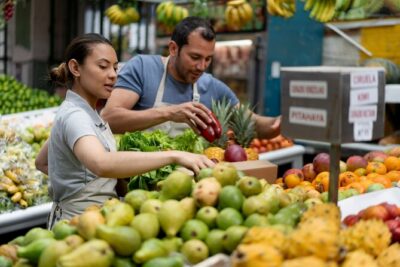
VIP Bogota City Tour: Farmers Market, Monserrate, Candelaria, 9hr
Read our review →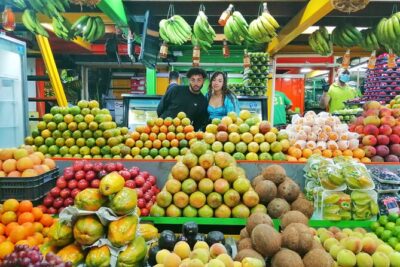
Guatape, El Peñol Coffee Farm Private Tour & Fruit
Read our review →
Private Tour to Comuna 13 & Exotic Fruit Market in Medellin!
Read our review →
Browse the lists this tour appears in