
Reviewed · PABLO ESCOBAR TOURS
Shared Tour Medellin’s Violence & Post-conflict after Pablo
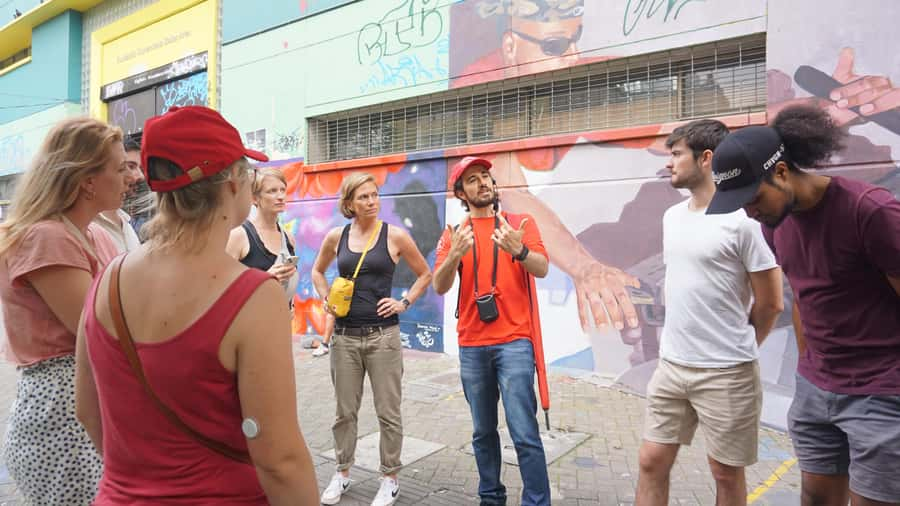
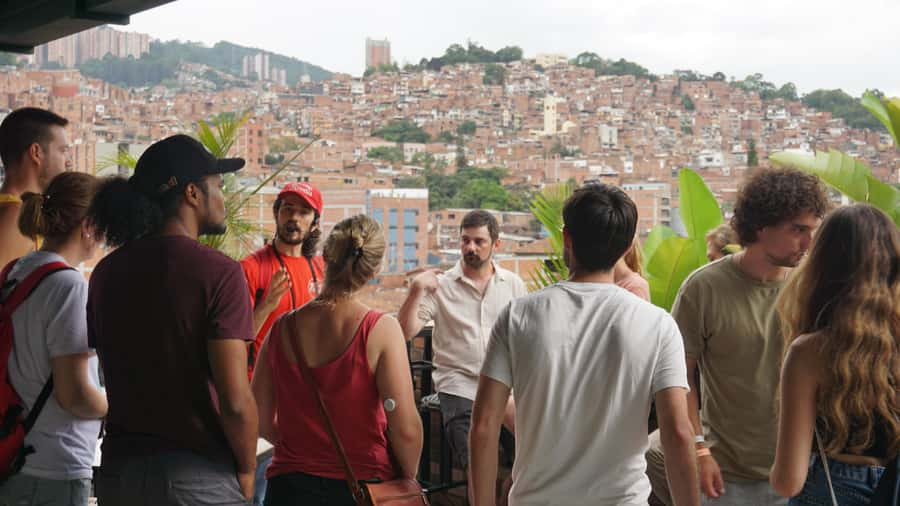
Medellín’s story is not just about Pablo Escobar. This 5 km walk places the cartel years inside a wider account of guerrillas, paramilitaries, drug trafficking, and ordinary people trying to survive. You begin among Fernando Botero’s bird sculptures and finish at Museo Casa de la Memoria, where the city’s past is tied to memory and peace.
I like the clear route from central Medellín to the museum, and I like the focus on people and communities rather than crime spectacle. Guides Miguel and Sebastian have both been praised for clear, engaging explanations. The main drawback is the subject matter: this is a serious tour, and the crowded downtown streets, walking distance, and difficult stories may not suit everyone.
Key points to know before you book
- This is not a Pablo Escobar tour: You examine the conditions that produced cartel power, then move beyond one man to the wider conflict.
- The route covers about 5 kilometers: Expect a walking tour with regular stops, comfortable shoes, water, sun protection, and rain gear.
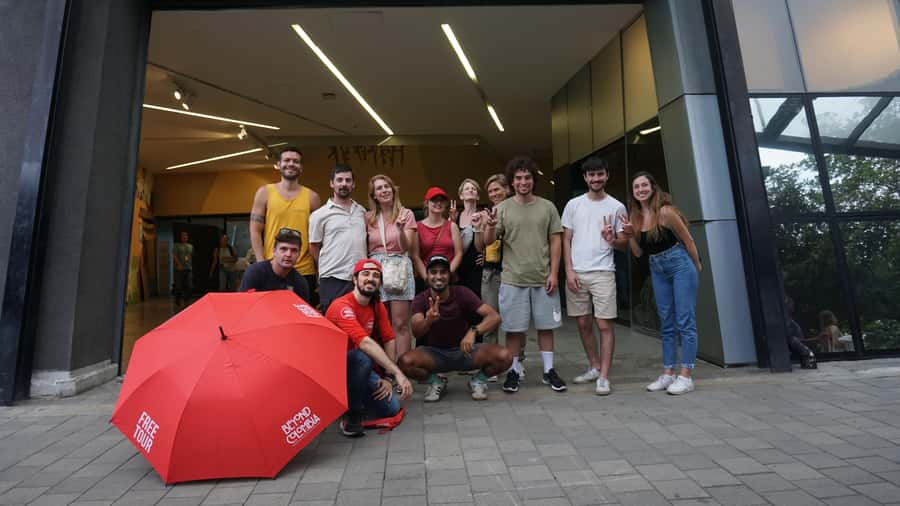
- Parque San Antonio is the starting point: Meet beside Botero’s bird sculptures under Beyond Colombia’s red umbrellas.
- Casa de la Memoria gives the route a thoughtful finish: The tour connects urban places with remembrance, reconciliation, and continuing conflict.
- Miguel and Sebastian are named guides: Miguel has been praised for thorough explanations, while Sebastian is described as engaging and good-humored.
- The $13 price offers strong value: You get an English-speaking guide and a focused look at Medellín’s modern history, but food, drinks, transport, and entrance tickets are not included.
Why this is more than a cartel tour
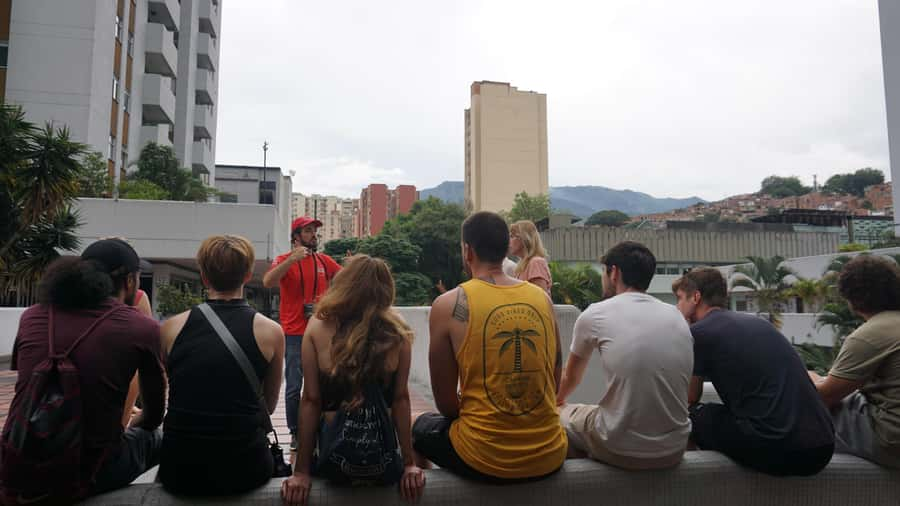
Many Medellín tours use the cartel years as their main hook. This one takes a wider and more useful approach. You learn how social inequality, political conflict, urban growth, and the drug trade fed one another, then see how the city tried to replace armed struggle with political participation, education, community work, and public memory.
That distinction matters. If you want a tour built around famous criminals, dramatic anecdotes, and crime locations, this is not the right pick. The emphasis here is on how violence entered city life and how residents, institutions, and communities worked to push back.
The stated period runs from 1982 to 2015. That gives the guide room to explain the cartel period, the years after the Medellín Cartel, the period known as Donbernabilidad, and the peace and reconciliation efforts of the twenty-first century. You are not getting a full history of Colombia in one afternoon, but you are getting a focused lens on Medellín’s role in it.
The subject calls for an open mind. You will hear about victims, armed groups, political choices, resistance, and the way old power structures can remain present after formal conflict changes. Bring questions. The format is designed for discussion, not passive sightseeing.
More Shared Tours in Medellin
- Shared Medellín Downtown Tour with Wireless Audio
★ 4.8 · 315 reviews - Post-conflict Shared Tour (Paul) and Violence Medellin
★ 5.0 · 69 reviews - Pablo Escobar Private Group Tour Including La Catedral Jail in Medellin
★ 5.0 · 56 reviews
Starting beside Botero’s birds at Parque San Antonio
The meeting point is Parque San Antonio, next to the large bird sculptures by Fernando Botero. Look for Beyond Colombia’s red umbrellas. This is a practical place to begin because you are immediately in central Medellín, close to major downtown activity and public spaces.
The opening setting also helps frame the tour. Parque San Antonio carries reminders of both public life and violence, making it a fitting place to begin a discussion about how art, civic space, and conflict can occupy the same city. The tour description does not promise a particular monument speech or museum entry here, so expect the guide to use the area as a starting point rather than as a long standalone attraction.
Arrive ready to walk. The tour does not include hotel pickup, and you will make your own way to the park. Once the group gathers, the guide introduces the route and the broad themes: the cartel period, the urbanization of war, and the later move toward peace and social repair.
Through downtown, where conflict became urban life
The walk continues through central Medellín. This is important because the tour is not treating the conflict as something that happened far away in mountains or rural zones. Guerrilla activity, paramilitary control, drug trafficking, extortion, displacement, and fear all took urban forms in Medellín.
Your guide explains how different armed groups and institutions acted, what they wanted, and how their methods changed. The goal is not to reduce the story to heroes and villains. You should expect a discussion of motivations, practices, and transformations, along with attention to people caught between forces they did not control.
This part of the tour may be the most demanding. Downtown can be crowded, and you need to keep your belongings close. The organizers use the local warning don’t give papaya, a Colombian expression meaning do not make it easy for someone to take advantage of you. Keep phones and wallets secure, stay with the group, and listen for instructions when crossing busy areas.
You will stop several times while the guide speaks, so the pace is not a nonstop march. Still, the total distance is about 5 kilometers. Comfortable shoes matter more than fashionable clothes, and water is a good idea in Medellín’s changeable weather.
The cartel period without crime tourism
The tour covers the conditions that allowed the Medellín Cartel to grow and the social, cultural, and economic effects that followed. This is where the experience differs from a narrow crime tour. The focus is not only on what traffickers did, but also on the setting that allowed violence and illegal power to expand.
You will discuss the pressure placed on communities, the way money changed local life, and the effects of fear on public institutions and private families. The guide also connects the cartel period to wider Colombian conflict, including guerrillas and paramilitary groups.
That wider frame is useful if you have already seen a TV series about the era. Television can make the subject personal and dramatic, but it often compresses causes and consequences into a few characters. Here, you get a more grounded account of systems, communities, and long-term effects.
The tour also makes clear that Medellín’s story did not end with the decline of the Medellín Cartel. The later period known as Donbernabilidad is part of the discussion, showing how old networks and forms of control could continue to shape the city after the most famous cartel years had passed.
More Pablo Escobar and post-conflict tours:
- Medellín: The Real Pablo Escobar Tour
★ 4.8 · 3,205 reviews - Medellín: Pablo Escobar Tour with beer included
★ 4.7 · 612 reviews - Medellin: Guatapé Day Trip & Boat to Pablo Escobar’s Estate
★ 4.7 · 365 reviews - Medellín: Private Pablo Escobar and Comuna 13 Tour
★ 4.9 · 233 reviews
From bullets to words and ideas
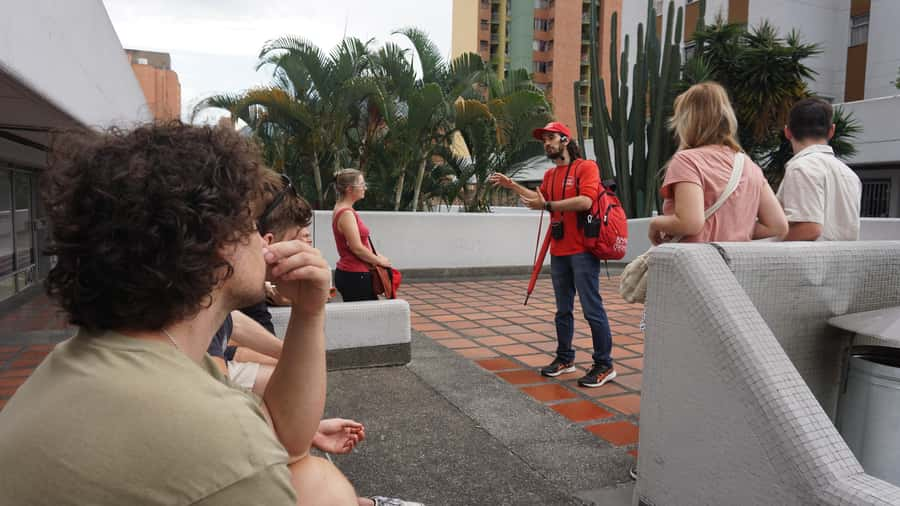
One of the strongest themes is the change from armed force to words, ideas, public action, and political negotiation. The tour looks at peace agreements and reconciliation in an urban setting, where conflict does not simply disappear when a document is signed.
You will hear about strategies used in peace-making and social struggle, as well as the people and communities that pushed for a different future. The description specifically points to heroes, community action, resistance, and institutions. That gives the tour a human center without turning it into a simple feel-good story.
The phrase changing bullets for words and ideas sums up the direction of the experience. It does not mean the problems are over. Instead, it asks how a city tries to change its tools for dealing with disagreement and power.
This section should appeal to you if you want to understand Medellín’s transformation beyond new architecture or public transport. The city’s changes are not only physical. They also involve who gets heard, how memory is handled, and how residents respond to violence that remains part of family and community history.
Ending at Museo Casa de la Memoria
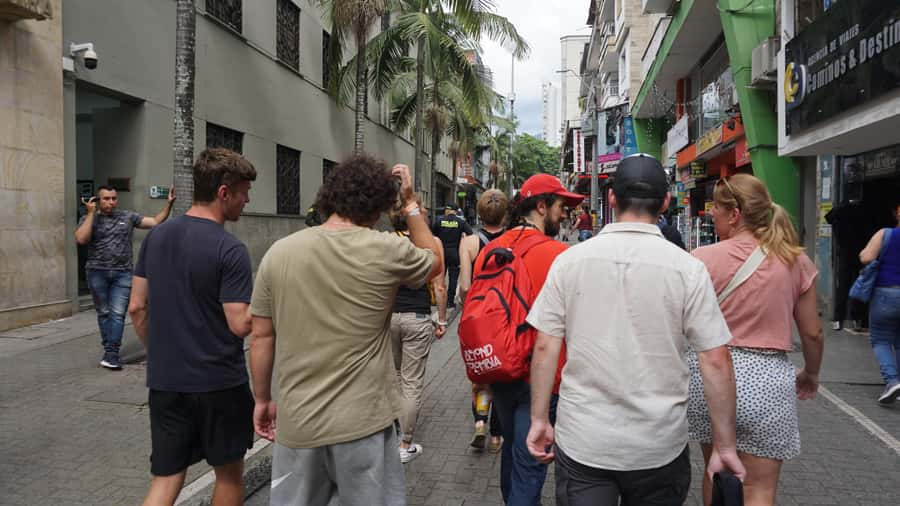
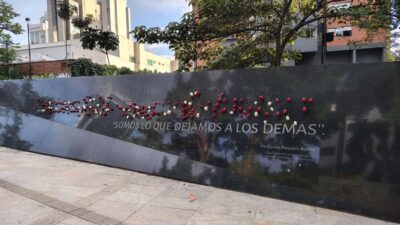
The route ends at Museo Casa de la Memoria. The museum is a fitting final stop because the tour has been building toward questions of remembrance, victims, reconciliation, and the conflict’s continuing presence.
The supplied details do not say that an entrance ticket is included or that the guide takes the group inside for a formal museum visit. In fact, entrance tickets are not included, so check the arrangements before assuming you will have a museum admission. The tour does promise to finish at the museum and to recommend cultural material and places connected with Medellín’s history.
Even without treating the museum as a guaranteed included visit, ending there gives the walk a clear purpose. You move from public streets, where violence shaped daily life, to a place dedicated to memory. That shift helps you think about who tells history, whose stories are preserved, and how a city remembers without glorifying violence.
Plan your schedule with some flexibility. The activity is listed as 150 minutes, while the description also calls it approximately three hours. Stops, questions, group pace, and the closing discussion can affect the exact timing.
The guide makes a serious subject approachable
The guide is the key to this experience. A dry lecture would make the route hard work, while a sensational guide could turn suffering into entertainment. The stated aim is objective information without taking sides, and that is the right approach for a subject with strong political and personal emotions.
Miguel has been praised for being thorough and for explaining information that participants had not known before. That suggests you can expect a detailed presentation rather than a few familiar cartel stories. Sebastian has been described as engaging, friendly, and entertaining in his explanations, which matters when the topic is heavy.
Guides can vary by departure, so do not assume Miguel or Sebastian will lead every date. Still, their strengths give you a useful idea of the intended style: serious material, clear explanations, and room for questions.
Audio and video recording are not allowed. That rule may feel restrictive if you like to document every tour, but it also keeps the conversation more personal and protects the tone of a discussion about violence and victims. Bring a notebook if you want to remember names or reading suggestions.
What the $13 price really buys you
At $13 per person, this is a low-cost way to spend roughly two and a half to three hours with a local English-speaking guide. The value comes from the interpretation, route design, and historical framing, not from included food, transport, or paid attractions.
You pay for:
- An English-speaking guide
- A guided walk through important central locations
- Historical context from the early 1980s through 2015
- Discussion of cartel power, guerrillas, paramilitarism, peace efforts, and memory
- Recommendations for books, films, and Medellín cultural sites
You do not pay for drinks, meals, souvenirs, hotel transport, or entrance tickets. This is a shared tour, not a private one, so you will meet other people and will not have the guide’s full attention at every moment.
For me, the price is especially good if you are new to Medellín and want a framework for later visits. It can help you understand why certain museums, neighborhoods, memorials, and public projects matter. The value is lower if you want a relaxed stroll with light stories, or if you dislike tours that spend most of their time on politics and conflict.
Practical advice for the 5 km walk
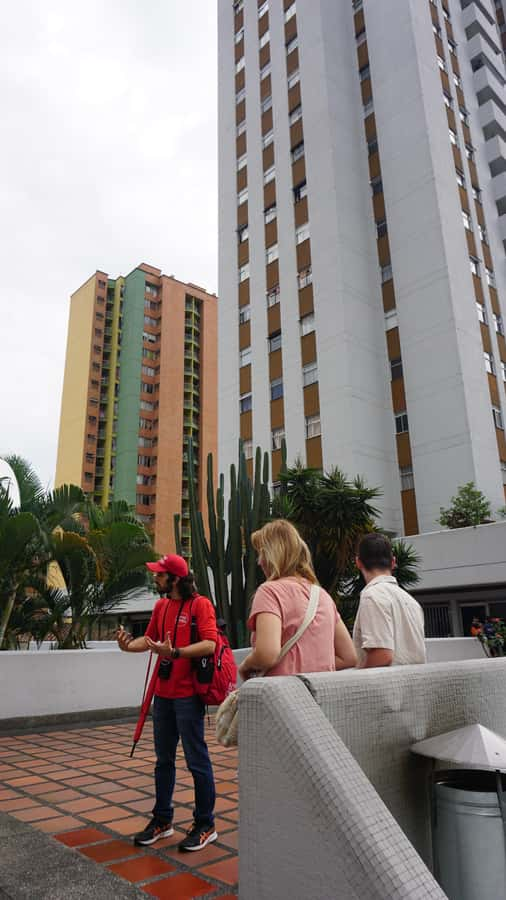
Wear comfortable shoes and light, comfortable clothing. Bring water, sunblock, and a rainproof coat or umbrella. Medellín’s weather can change, and the organizers specifically recommend protection from rain.
Mosquito repellent may help during the rainy season from March through June. You will also want to keep valuables secure in crowded areas. Do not bring alcohol or drugs, and do not join if your group is looking for a party atmosphere. Party groups are not suitable for this activity.
The tour is not suitable for wheelchair users, children under 18, or people over 70. That may reflect the walking distance, downtown conditions, and seriousness of the subject. If mobility or age-related comfort is a concern, contact the provider before booking rather than assuming the route can be adjusted.
Cancellation is free up to 24 hours before the tour, and you can reserve now and pay later. Those terms are useful if your Medellín schedule is still shifting, but the central decision is simpler: do you want a serious walking lesson in modern Medellín?
Who should book this Medellín history walk
I would choose this tour if you want to understand the city’s conflict without reducing it to Pablo Escobar. It suits adults who enjoy asking questions, listening to local perspectives, and connecting streets with social and political change.
It is also a good match if you have already taken a standard city tour and want a more focused subject. The route gives you a way to think about Medellín as a city that experienced violence in its streets and then worked, imperfectly, toward new forms of public life.
I would skip it if you want a cheerful introduction to food, art, or nightlife. The material includes death, fear, armed groups, victims, and unresolved conflict. That does not make the tour bleak, since hope and resistance are central themes, but you should arrive ready for serious conversation.
Should you book it?
Book it if you want an affordable, English-language explanation of Medellín’s modern conflict, especially one that moves from cartel history to community resistance and reconciliation. Miguel and Sebastian’s praised teaching styles suggest the guide can make difficult material clear and engaging, though your exact guide may differ.
Skip it if you want a Pablo Escobar photo tour, a private experience, or a short walk with no difficult subjects. For the right audience, the route from Parque San Antonio to Casa de la Memoria offers something more useful than crime trivia: a way to see how Medellín’s people have tried to remember violence, resist it, and replace it with words and ideas.
FAQ
Where does the tour meet?
The meeting point is Parque San Antonio, next to Botero’s bird sculptures. Look for Beyond Colombia’s red umbrellas.
Where does the tour finish?
The tour finishes at Museo Casa de la Memoria.
How long does the tour last?
The activity is listed as 150 minutes, while the tour description says it lasts approximately three hours. Plan for roughly two and a half to three hours.
How far will I walk?
You will walk about 5 kilometers, with stops to listen to the guide.
What language is the tour conducted in?
The tour is conducted in English with a live English-speaking guide.
Is this a Pablo Escobar tour?
No. The tour discusses the Medellín Cartel as part of a wider history of violence, including guerrillas, paramilitarism, drug trafficking, resistance, and peace efforts.
Is the tour private?
No. It is a shared tour, so you will join other people rather than have an exclusive guide.
Are food and drinks included?
No. Food, drinks, and souvenirs are not included. Bring water or your preferred form of hydration.
Are entrance tickets included?
No. Entrance tickets are not included. The tour finishes at Museo Casa de la Memoria, but you should not assume museum admission is part of the booking.
Who should not take this tour?
It is not suitable for wheelchair users, children under 18, or people over 70. Party groups are also not allowed, and the subject requires an open mind.
Just added around Medellin
- City tour, Commune 13, Metro Cable, Botero Park and more. Private★ 5.0 · 34 reviews
- Commune 13, Graffitour street food. History.All inclusive★ 5.0 · 35 reviews
- Aerial Hammocks, Zip and Waterfall Trek on Medellin Private Tour★ 5.0 · 39 reviews
- Walking tour downtown Medellín★ 5.0 · 39 reviews
- Tour to the Hacienda Nápoles Theme Park★ 4.0 · 22 reviews
- Hiking Mountains and Magical Forests★ 5.0 · 27 reviews
- Barrio transformation and urban escalator of Comuna 13★ 5.0 · 47 reviews
- Tour Cabalgata★ 5.0 · 37 reviews
Pablo Escobar Tours, compared.

Guatapé Day Trip & Boat to Pablo Escobar’s Estate
Read our review →
(Private Guatapé) Mansion Pablo Escobar+Paintball+Cuatrimoto+Boat
Read our review →Browse the lists this tour appears in