
Reviewed · HISTORICAL TOURS
Santa Marta A Historical & Street food Experience
Santa Marta’s best introduction may be found on foot, moving from gold artifacts and colonial churches to juice stands, empanadas, and the social life around Parque de los Novios. I like that this experience connects Tayrona culture with the city’s Spanish-era buildings, instead of treating Santa Marta as just a beach gateway. I also like the mix of museums, public squares, murals, churches, and food.
The main concern is timing. It is sold as a two-hour tour, but the full route can take closer to four hours if the guide gives the places proper attention. At other times, the pace may feel rushed, and food stops can change. Ask what is operating that day, especially if ceviche is important to you.
Key points to know before booking
- Tayrona Gold Museum: The tour begins at Casa de la Aduana, home to artifacts and displays linked to the Indigenous peoples of the Sierra Nevada.
- A city walk, not a bus tour: You move through squares, churches, the waterfront, a cemetery, and the old center on foot.
- Sergio is a memorable guide when assigned: He is praised for clear explanations, warmth, local suggestions, and thoughtful help beyond the tour itself.
- Food is part of the plan: Expect a local drink, with ceviche, lulo, juice, and empanadas described as tasting possibilities.
- The schedule needs flexibility: The route contains more stops than a relaxed two-hour walk can easily handle.
- Best for first-day orientation: You get a useful overview of Santa Marta’s history, architecture, food, and evening districts.
Why this walk gives Santa Marta more meaning
At $56 per person, this is not a cheap stroll around town. You are paying for a specialist-led cultural walk, museum time, food sampling, and the convenience of seeing several central sights in one outing.
The value depends on what you want. If you enjoy asking questions and want context for the city’s buildings and Indigenous culture, the price can make sense. If you mainly want a quick orientation and a snack, you may find it expensive.
The guides come from backgrounds in history, journalism, and anthropology. That matters here because Santa Marta has several stories running at once: Indigenous traditions from the Sierra Nevada, Spanish colonial power, commercial trade through the port, independence history, Catholic architecture, and the modern restaurant and nightlife scene.
I especially like that the experience treats heritage as both physical and living. You see old houses, churches, and public squares, then connect them with fruit drinks, seafood, street food, and the places where people meet at night.
The overall rating is 4.7 from 41 ratings, but the experience is not perfectly consistent. One departure became much longer than advertised, which suited the people on that walk. Other departures felt too short and hurried, with some planned food and museum elements missed. That makes the guide and the day’s schedule especially important.
More historical tours in Santa Marta:
- Trekking History and Indigenous Heritage in Minca + Cacao & Coffee + Waterfall
★ 4.9 · 63 reviews - Cartagena: Historic Center and Getsemaní Shared Walking Tour
★ 4.9 · 2,716 reviews - Shared Tour Cali’s Historical Downtown
★ 4.8 · 143 reviews
Starting at Casa de la Aduana and the Tairona Gold Museum
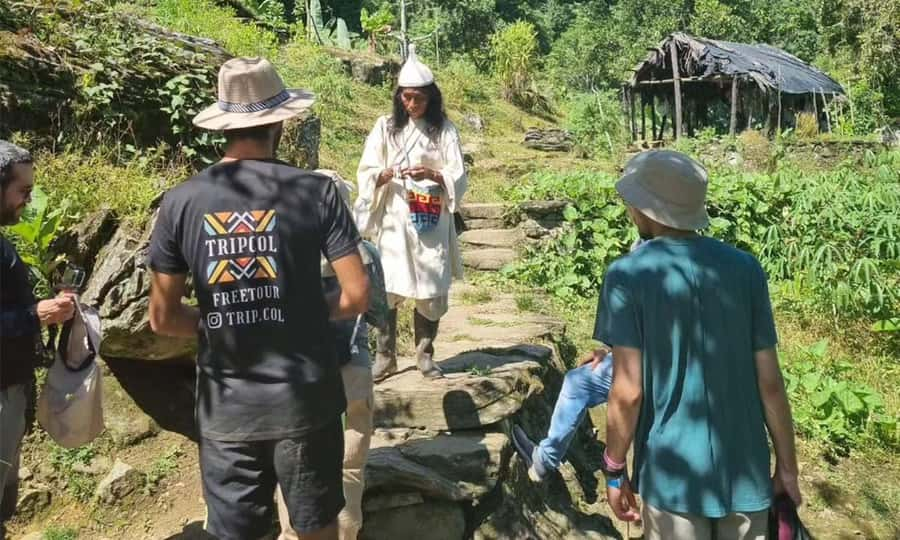
The meeting point is the Museo del Oro Tairona, also called Casa de la Aduana. This is a strong place to begin because it puts Santa Marta’s Indigenous past ahead of the colonial city you are about to walk through.
The museum portion is listed as two stages, with about 15 minutes followed by another 30 minutes. In practical terms, allow enough time to see the displays rather than treating the museum as a quick doorway stop.
Your guide explains the Tayrona civilization and the wider Indigenous cultures connected with the Sierra Nevada. The value is not simply seeing gold objects. You start to understand that Santa Marta’s story did not begin with Spanish settlement, and that the area’s cultural identity still reaches into Indigenous traditions.
Museum time can vary sharply. If the tour is moving on a tight clock, you may receive a short introduction instead of a full guided visit. If the guide has room to explain the objects and answer questions, this can become the most rewarding part of the experience.
Simón Bolívar Park and Santa Marta’s public story
From the museum, the walk continues to Simón Bolívar Park. This is where the tour turns toward the city’s political and civic past.
The guide covers Simón Bolívar’s connection with Santa Marta and explains why this place matters in the city’s story. It is also a useful stop for understanding how public squares work in Colombia. They are not just open areas for photographs. They are places tied to memory, ceremonies, conversation, and local identity.
The stop is scheduled for around 30 minutes. That is enough for a clear introduction, but not enough for a long architectural lecture and extended free time. Listen closely here, since the guide is likely to set up themes that return later in the walk.
Camellón Rodrigo de Bastidas and the waterfront
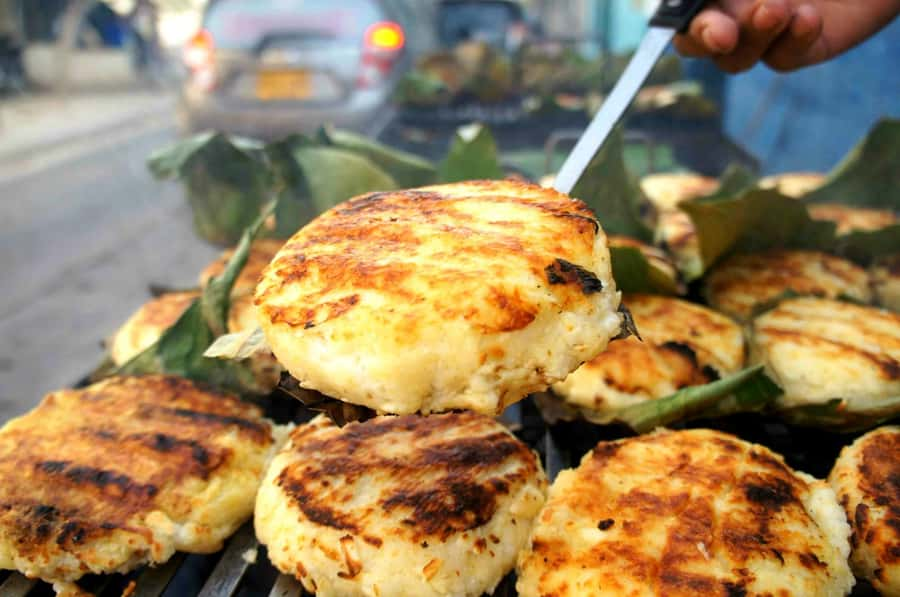
The route then reaches Parque Camellón Rodrigo de Bastidas. This is listed as a photo stop and guided visit, with about 15 minutes assigned.
The waterfront gives you a change of view after the enclosed streets and museum rooms. Your guide can place the city’s public spaces within its larger commercial and historical setting. It is also a natural point for photographs.
Do not expect a long stop. This is one of the places most vulnerable to being shortened if the group is behind schedule. If you want photographs, have your phone ready rather than waiting until the final minute.
A few more Santa Marta half-days worth weighing up
- Santa Marta: Guided Walking Food Experience
★ 4.8 · 33 reviews - Dinner cruise on Cartagena’s bay with Sibarita Master
★ 4.5 · 297 reviews - Medellín: Spa Experience with Dinner, Massage and Sauna
★ 4.9 · 15 reviews - Fenix Beach Island Dinner
★ 3.4 · 5 reviews
Santa Marta Cathedral and its painted details
The Cathedral Basilica of Santa Marta brings the tour back to colonial architecture and Catholic history. The scheduled visit lasts about 20 minutes, with scenic views along the way.
The attraction here is not only the exterior. The tour description points to frescoes and hidden messages, so listen for the small details your guide draws out. A good explanation can turn a familiar-looking church into a record of power, faith, art, and local history.
The cathedral is also a useful reminder that Santa Marta’s old center is compact enough to explore on foot. You move between major landmarks without needing a vehicle, though the short schedule means you will spend much of the time listening and walking rather than wandering independently.
Parque de los Novios, where the city changes pace
Parque de los Novios is scheduled for the longest single stop, about 45 minutes. That makes sense. This is one of the central social areas in Santa Marta, surrounded by restaurants, pubs, and clubs.
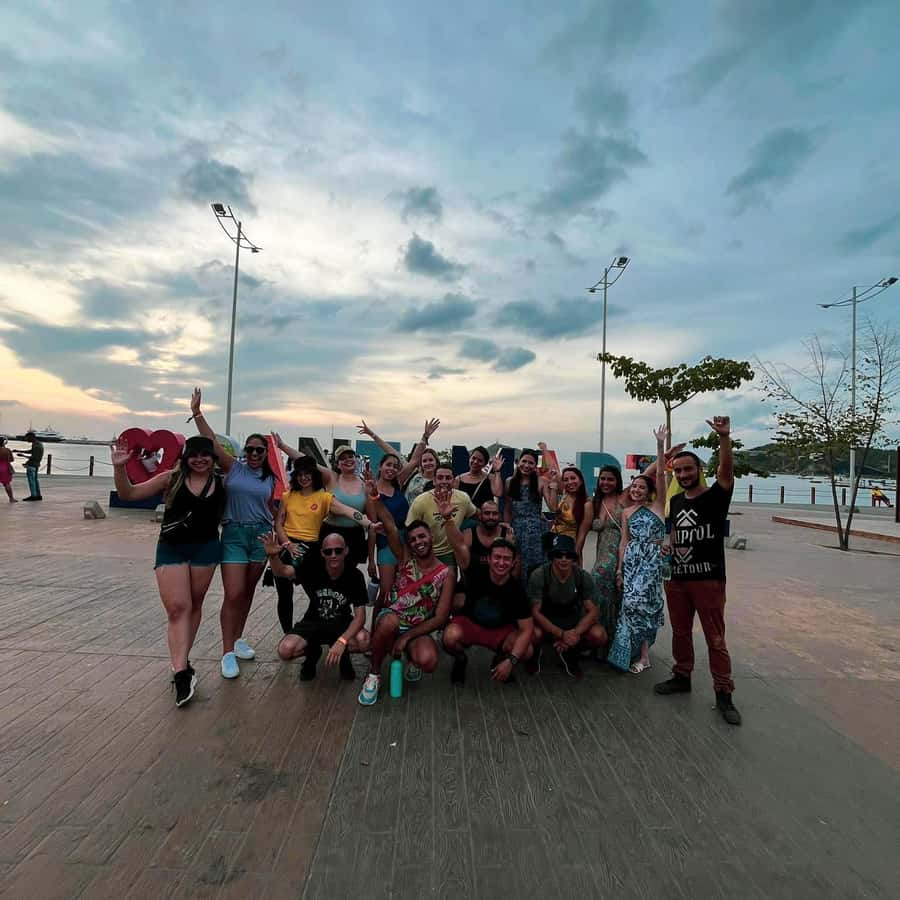
The guide explains the park’s history, romance, local legends, and present-day role. This is where the tour shifts from monuments to daily city life. You get a better sense of where people eat, meet, and go out after dark.
I like this stop because it helps you plan the rest of your stay. The tour highlights restaurants, pubs, and clubs in the center, so you can return later with a clearer idea of the area. It also gives the food portion a natural setting, since this part of town is closely linked with eating and nightlife.
The park can feel very different in the afternoon and evening. An afternoon departure at 4:30 was especially comfortable for one group because the temperature was cooler. That timing also leads naturally into the evening atmosphere around the park, though starting times depend on availability.
San Francisco Church and San Miguel Cemetery
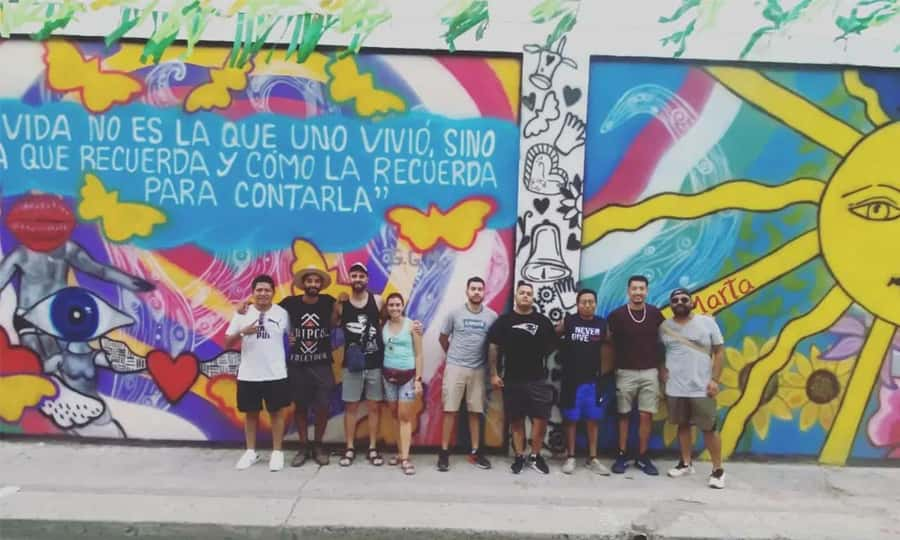
The walk continues to Iglesia San Francisco, listed as a 15-minute photo stop and visit. This adds another religious and architectural layer without asking you to spend a long time inside.
The final listed landmark is San Miguel Cemetery, with about 20 minutes for a visit, photographs, and guiding. Cemeteries can tell you things that grand plazas cannot. Names, family structures, artistic details, and the way a city remembers its dead all add to the local story.
These two stops may appeal most if you like architecture and social history. If you prefer food or lively public spaces, they may feel quieter than the earlier sections of the walk. The guide’s storytelling makes the difference.
What you may actually taste
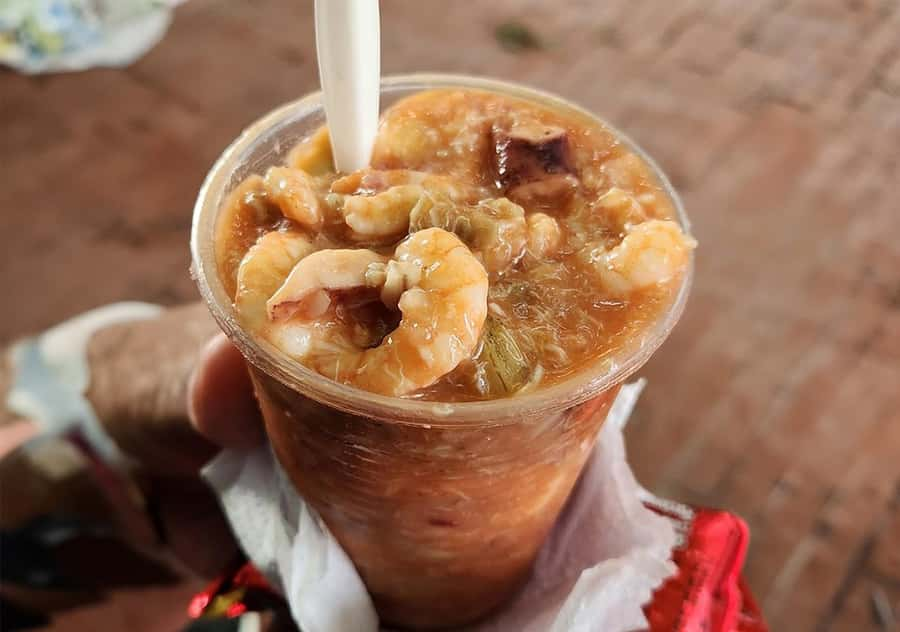
The food element is appealing but needs a clear explanation. The experience includes a local drink, and the broader plan describes tastings of ceviche, exotic fruit juice, lulo, and empanadas.
The fruit portion may feature guanábana, maracuyá, or zapote. Lulo can appear as juice or in an artisanal preparation. These fruits are useful introductions to Colombian flavors because they are not simply sweet in the way familiar bottled juices tend to be.
Ceviche offers a seafood stop with a Colombian style, while empanadas provide a more familiar street-food finish. The final tasting is described as crispy, golden empanadas with local fillings.
Food stops are not guaranteed to unfold exactly as described. A closed ceviche location once meant that the tasting was missed without a replacement. The practical lesson is simple: enjoy the food if it appears, but do not book this solely for a fixed ceviche menu. The confirmed inclusion is a local drink, while the other tastings may depend on opening hours and the day’s route.
The guide makes the biggest difference
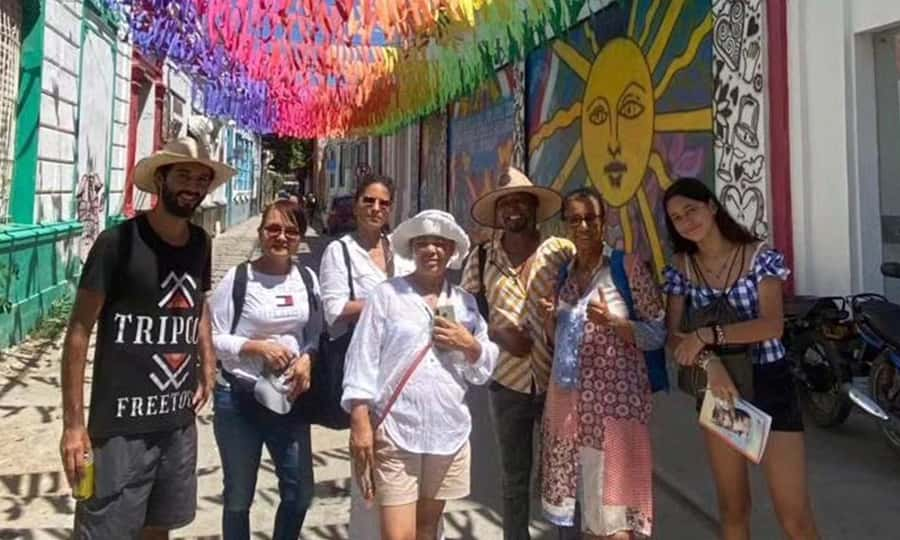
A strong guide can make this experience feel like a personal introduction to Santa Marta rather than a march between landmarks. Sergio has been especially well received for his clear explanations, easy conversation, care for the group, and useful suggestions for things to do after the tour.
One particularly helpful detail is that he answered basic questions about the area and offered ideas for the rest of the stay. He also helped one person deal with a hostel problem, which shows the kind of practical local support that can add real value.
You should feel free to ask questions. This walk covers several complicated subjects, from Tayrona culture to colonial architecture and modern nightlife. A guide who welcomes questions can make the two-hour format much more useful.
The guides speak English and Spanish. If you need a detailed explanation of Indigenous history or church architecture, confirm your preferred language when booking.
The two-hour promise needs a closer look
The listed schedule includes roughly 190 minutes of stops before allowing for walking. That does not fit neatly into a two-hour experience. In practice, there are two possible outcomes.
You might receive a brisk overview, with short explanations at each place and limited time in the museum. This keeps the tour near its advertised length but can make the walk feel rushed.
Or the guide may let the experience breathe. One group spent close to four hours on the route and loved the extra time, especially because the guide answered questions and offered local advice. That is good if you have an open afternoon. It is less helpful if you have a dinner reservation, a bus to catch, or a tightly planned day.
I would avoid scheduling anything immediately afterward. Treat the two-hour duration as an approximate minimum rather than a firm finish time. Comfortable walking shoes and water are sensible, although the tour also includes a local drink.
Is $56 a fair price?
The price is fair only if the cultural guidance and museum visit are delivered with care. You are not paying for transportation or a large meal. You are paying for a small-scale walking experience with a professional guide, an indoor museum visit, historical interpretation, and at least one local drink.
The cost feels better suited to someone who values explanation. If you already know Santa Marta well, or if you prefer to explore independently, the price may be hard to justify.
The food samples can improve the value, but their availability is variable. Because ceviche and other tastings may be affected by closed businesses, think of the food as an added feature rather than the central reason to book.
The flexible booking terms help reduce the risk. You can reserve and pay later, and cancellation is allowed up to 24 hours before the start for a full refund. Those terms are useful when your Colombia plans may change.
Who should book this Santa Marta walk?
I would choose this experience for a first visit, especially if you want a quick but thoughtful introduction to the central district. It suits you if you enjoy museums, architecture, public squares, local food, and questions about Indigenous culture.
It is also a good fit for anyone who wants help deciding where to eat and go out later. The Parque de los Novios section gives you a practical look at the center’s restaurants, pubs, and clubs.
You may want to skip it if you need a strictly timed two-hour activity, dislike walking between several short stops, or care mainly about a guaranteed food menu. You should also think twice if $56 feels high for a tour whose tastings and museum time may vary.
My verdict: book it with realistic expectations
Book this tour if you want context, conversation, and a broad first look at Santa Marta. The combination of the Tairona Gold Museum, colonial buildings, churches, cemetery, public squares, and Colombian fruit gives you a much fuller picture than a simple sightseeing loop.
Go in expecting an adaptable walking tour, not a fixed two-hour food crawl. If Sergio is leading, you may get a warm and unusually helpful introduction to the city. If the schedule is tight, ask at the start how much museum time and which food stops are confirmed.
For a first day in Santa Marta, I see real value here. Just leave room afterward, wear comfortable shoes, and treat the ceviche and other tastings as possible bonuses rather than promises.
FAQ
Where does the tour start?
It starts at Museo del Oro Tairona, also known as Casa de la Aduana.
Where does the tour finish?
The listed drop-off points are Parque de los Novios and Museo del Oro Tairona, Casa de la Aduana.
How long does the tour last?
The advertised duration is two hours. The route can take longer, and one reported departure lasted close to four hours.
What language is the tour offered in?
Live guiding is available in English and Spanish.
Is the Tairona Gold Museum included?
Yes. The experience includes a guided visit inside the museum.
What food and drink are included?
A local drink is included. The wider experience describes ceviche, lulo, exotic fruit juice, and empanada tastings, but individual food stops can vary.
Does the tour visit Santa Marta Cathedral?
Yes. The route includes a guided visit to the Cathedral Basilica of Santa Marta.
Does the tour visit Parque de los Novios?
Yes. The tour includes about 45 minutes at Parque de los Novios, with information about its history, legends, restaurants, pubs, and clubs.
Can I cancel the booking?
Yes. You can cancel up to 24 hours in advance for a full refund. You can also reserve now and pay later.
More Food & Drink in Santa Marta
- Medellín: Pablo Escobar Tour with beer included
★ 4.7 · 612 reviews - Bogota Food Tour with over 12 Tastings & Tejo
★ 4.9 · 454 reviews - Medellin: Street Food and Poblado Rooftop Tour with a Local
★ 4.8 · 317 reviews - Cartagena: Colombian Specialty Coffee Tasting
★ 4.4 · 130 reviews
More Food Tours in Santa Marta
- Santa Marta Street Food Tour: 7 Tastings with a Local Guide
★ 5.0 · 39 reviews - Medellin: Comuna 13 Graffiti Tour, Cable Car & Street Food
★ 4.8 · 9,046 reviews - Medellín: Comuna 13 True Story and Street Food Tour
★ 4.9 · 1,779 reviews - Cartagena: Guided Street Food Tour with Tastings
★ 4.9 · 833 reviews
Just added around Santa Marta
- Palomino: Palomino River Tubing and Hiking Tour★ 4.6 · 40 reviews
- Tayrona Park Hike Tour to Cabo San Juan: Private or Shared★ 4.5 · 44 reviews
- Santa Marta Street Food Tour: 7 Tastings with a Local Guide★ 5.0 · 39 reviews
- Los Naranjos Beach Horseback Riding Tayrona Park.★ 5.0 · 32 reviews
- TOUR DE 2 DIAS AL CABO DE LA VELA, LA GUAJIRA★ 4.4 · 14 reviews
- Tour en Velero a Bahía Concha Parque Tayrona★ 3.5 · 4 reviews
- Tour to Punta Gallinas with Cabo de la Vela 3 Days★ 3.3 · 4 reviews
- Tayrona Park & Cabo San Juan★ 3.5 · 20 reviews
Historical Tours, compared.
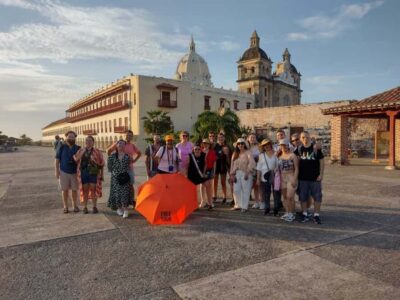
Historic Center and Getsemaní Shared Walking Tour
Read our review →

History & Local Life Essentials Tour on an E-Bike
Read our review →
Historical Shared Tour Salsa, Graffiti & Resistance in Cali
Read our review →
Shared Tour of Bogota’s Historic Downtown (La Candelaria)
Read our review →
Browse the lists this tour appears in