
Reviewed · SALSA DANCING TOURS
Shared Tour Cali’s Salsa, Graffiti & Resistance Experience
Cali’s salsa is more than a soundtrack for late nights. On this walking tour, you follow its path from African emancipation and Caribbean music to the streets of Cali, where salsa, graffiti, and protest still share the same public space. I like that the tour treats music as a social force, not just a dance lesson.
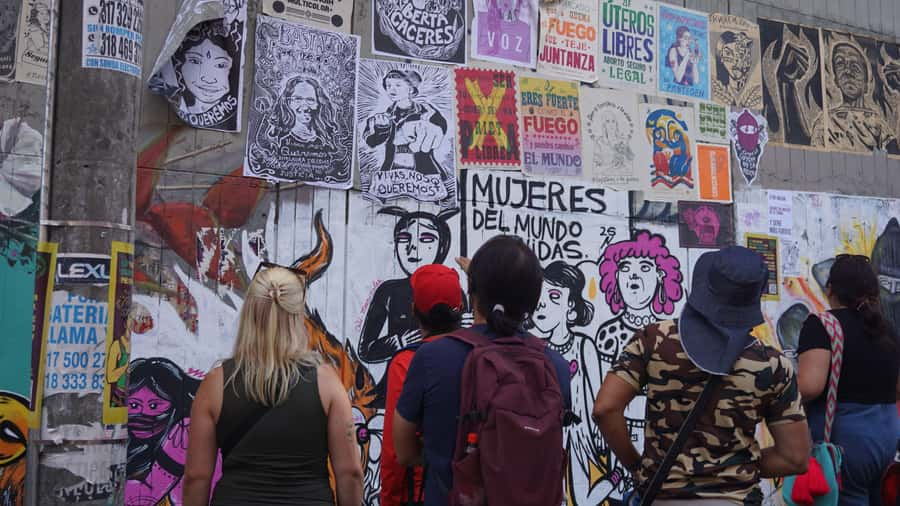
I also like the mix of major city sights and pointed street art, especially the murals honoring salsa figures and the graffiti dedicated to victims. Guides such as Cristian, also called Chris, bring an animated style and often add practical advice on where to eat and dance afterward.
The main drawback is the walking. You may cover about 8 kilometers in roughly two and a half hours, with no transport included. That makes comfortable shoes and water essential, and the tour is not suitable for wheelchair users.
Key points to know before you book
- Salsa with a social purpose: Learn how music became part of Cali’s popular culture, identity, and struggles.
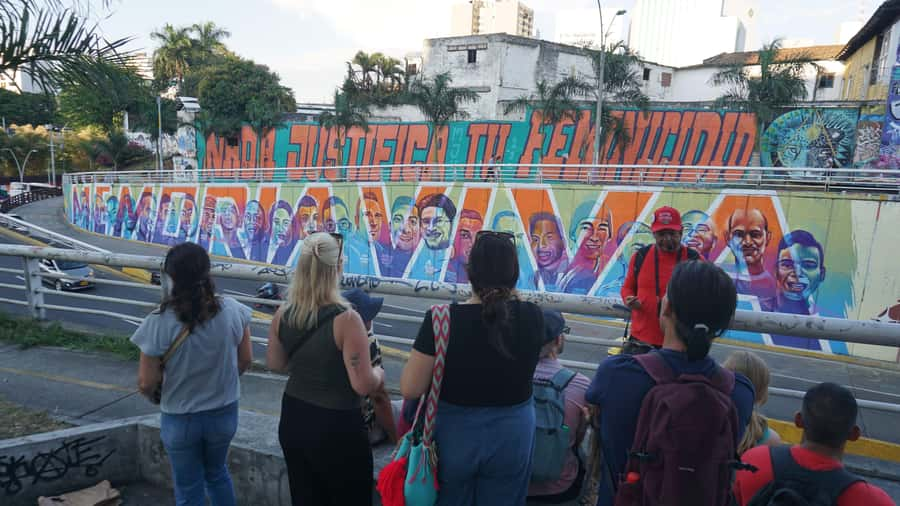
- Graffiti near salsa landmarks: See tributes to musicians alongside messages linked to protest and resistance.
- About 8 kilometers on foot: The route includes short rest stops, but this is an active city walk.
- A useful meeting point: Start beneath the red umbrellas at Plazoleta Jairo Varela.
- Practical nightlife help: The guide can recommend salsa bars, food spots, and partner discounts.
- Good value at $13: You get a live English or Spanish guide and a focused look at Cali’s culture without added entry fees.
Why this Cali tour is different from a standard city walk
Many tours introduce Cali through its plazas, churches, and grand civic buildings. This one uses salsa as the main key to the city. That choice matters because salsa is not simply something played in clubs here. It has helped shape how many people understand Cali, its neighborhoods, its social groups, and its public life.
You will hear how salsa developed through several stages. Its story begins with African cultural survival and musical traditions carried through the Caribbean Antilles. It then passed through musical exchange and took on a clearer identity in New York before reaching a major period of growth in Cali during the 1960s, 1970s, and 1980s.
The guide connects those stages to daily life in Cali. Lyrics can speak about romance, political events, hardship, rebellion, and hope. That gives the music a wider meaning. You are not only learning where a rhythm came from. You are learning why it became such a strong part of local identity.
I find this approach especially useful if you already know a little salsa but want to understand the city behind the dance. It also works if you have never taken a salsa step. You do not need dance skills to follow the story, although you may be encouraged to loosen up along the way.
More salsa nights and dance lessons in Cali:
- Historical Shared Tour Salsa, Graffiti & Resistance in Cali
★ 5.0 · 107 reviews - Salsa Bar Hopping in Cali
★ 4.5 · 43 reviews - Salsa & Music Tour of Cali
★ 5.0 · 42 reviews
Starting at Plazoleta Jairo Varela
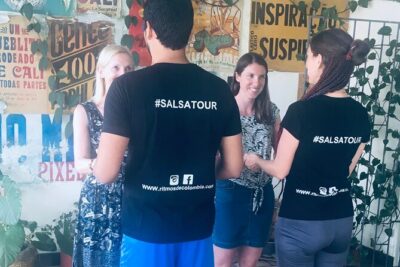
The tour meets at Plazoleta Jairo Varela, beneath red umbrellas. This is a practical central meeting place and a fitting beginning because Jairo Varela is closely tied to Cali’s salsa identity. From here, the guide sets the tone for the walk and explains why the city is often linked so strongly with salsa.
You should arrive ready to walk rather than expecting a bus or van. The group moves through central streets and takes pauses so the guide can explain the music, murals, and social setting. The route lasts about 150 minutes, though the description also calls it approximately two hours. In practical terms, plan for a substantial half-day commitment once you allow time to arrive and continue afterward.
The shared format keeps the price low at $13 per person. You will not have an exclusive guide, but you may meet other people interested in music, public art, and Colombian culture. If you prefer a private pace or dislike joining a group, this format may feel less comfortable.
Plazoleta de la Caleñidad and the meaning of popular culture
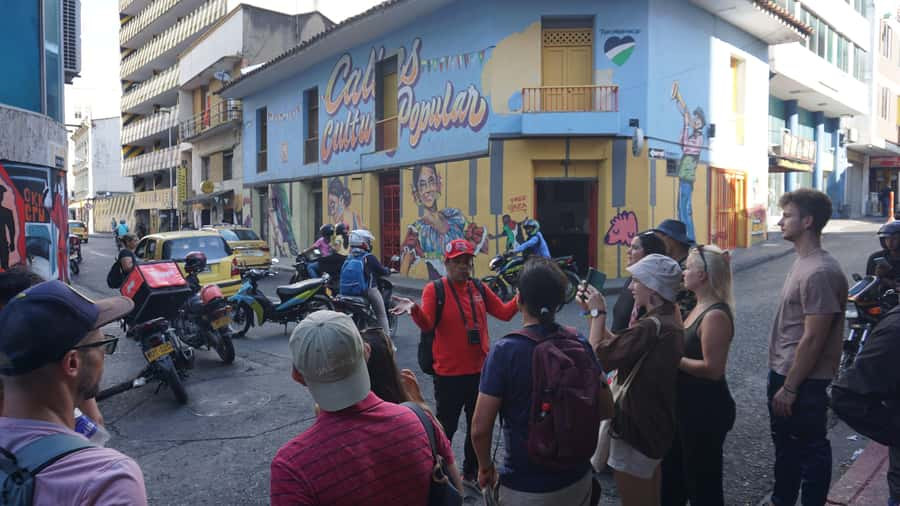
One of the early stops is the Plazoleta de la Caleñidad. The name points to local identity, and the guide uses this part of the route to explain cultura popular, or popular culture, in Cali.
That phrase is important here. It refers to culture shaped by ordinary people, community life, music, dancing, shared memories, and public expression. Salsa belongs to that world. It developed through social exchange and became a way for different groups and guilds to connect.
You will also learn how the music reflects struggle. The tour presents salsa as a response to life, not a polished product made only for entertainment. The point is not that every song is political. Rather, salsa can carry stories of love, celebration, injustice, migration, resistance, and collective pride.
This is where the tour moves beyond a basic introduction to Cali nightlife. You begin to see why a mural of a musician and a political message may appear close together. Both can express what people value and what they refuse to forget.
Calle del Pecado, the Street of Flavor
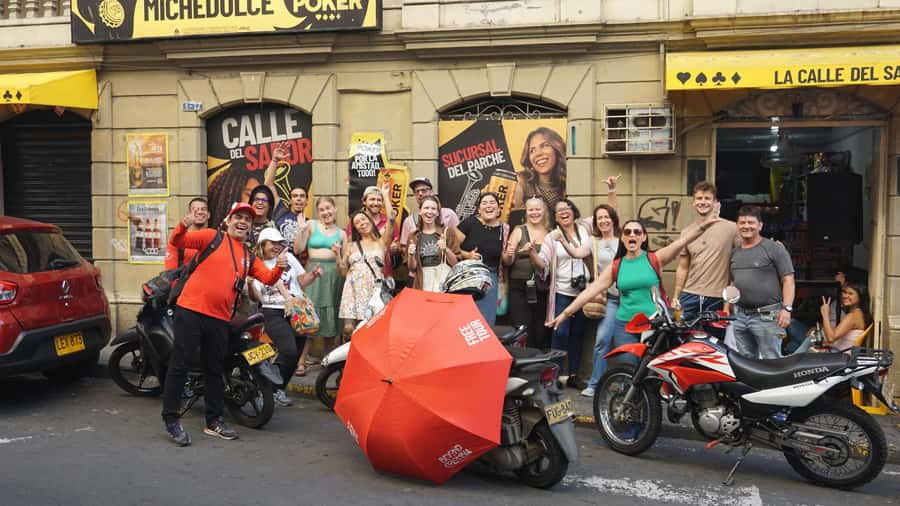
The route continues to Calle del Pecado, also described as the Street of Flavor. The name alone gives you a sense of the playful, social side of Cali’s salsa culture.
This stop helps balance the heavier material about protest and social conflict. Salsa is also about pleasure, style, flirtation, movement, and gathering with other people. The guide explains how the city’s nightlife and musical identity are linked, while showing you the streets where that energy is felt.
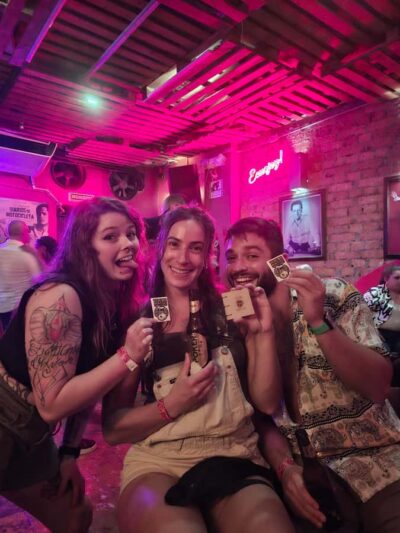
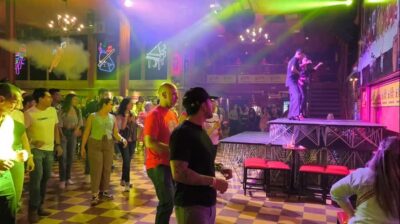
Do not expect a full club visit as part of the $13 tour. Drinks, food, and entrance fees are not included, and the tour does not promise a dance class. Instead, you get context and recommendations for continuing your evening. The guide can suggest salsa bars and other places to eat or go dancing.
That advice may be one of the most useful parts of the experience. After hearing how Cali’s salsa scene works, you can choose a night out with more confidence. You will also know to ask about recommended partner businesses and available discounts using the Beyond Colombia walking tour map in its Linktree.
More street art tours in Cali:
- Cali: Comuna 20 Siloé Street Art Tour
★ 5.0 · 4 reviews - Medellin: Comuna 13 Graffiti Tour, Cable Car & Street Food
★ 4.8 · 9,046 reviews - Medellín: Comuna 13 Tour with Snacks And Your Own Graffiti
★ 4.9 · 311 reviews - Bogotá: La Candelaria Graffiti & Urban Art Guided Tour
★ 4.7 · 250 reviews
The River Boulevard and the World Cup Tunnel
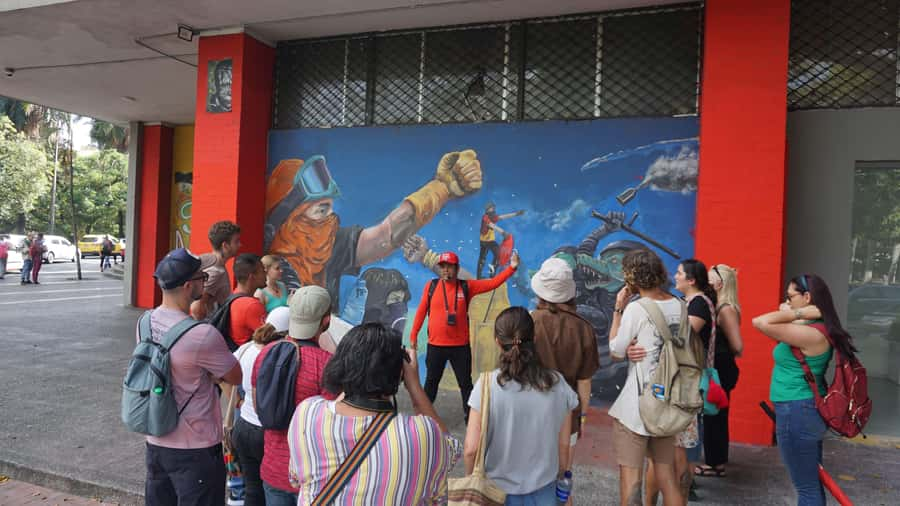
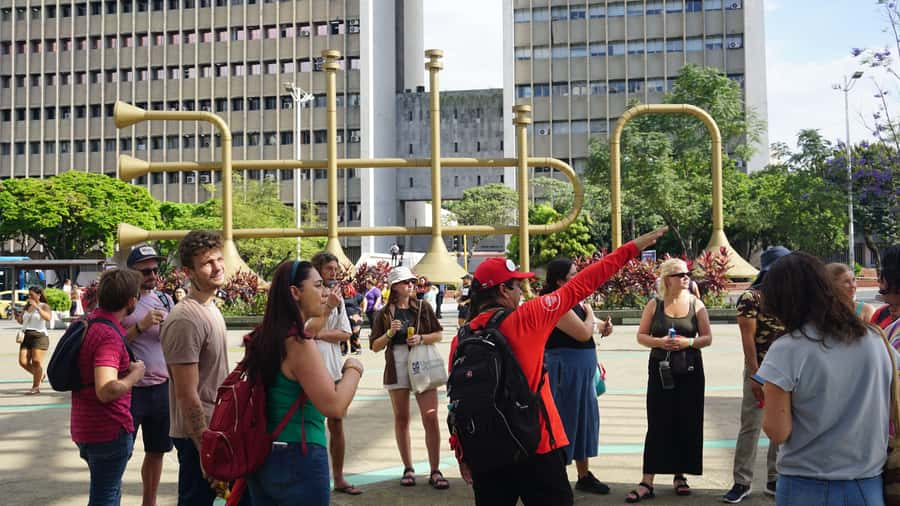
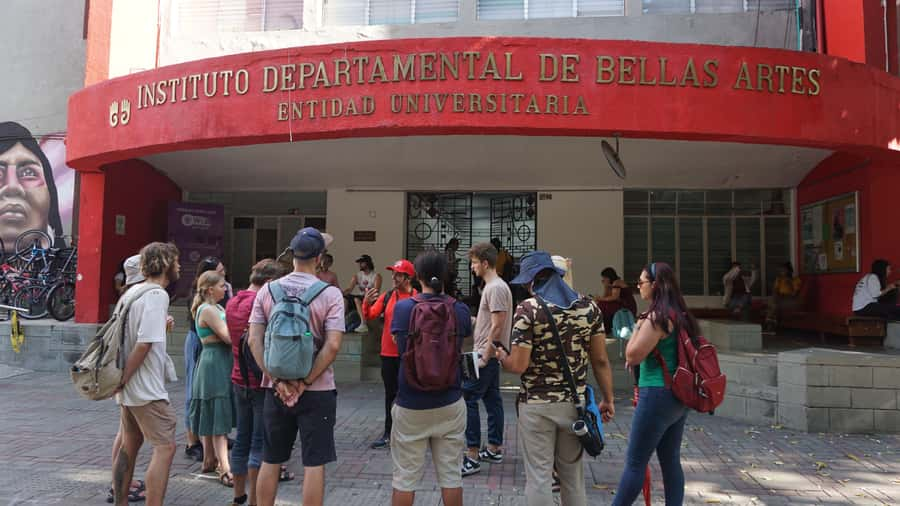
The walking route includes the Curve of the River Boulevard, followed by the World Cup Tunnel and Fifth Avenue. These stops show how public spaces can carry several layers of city life at once.
The boulevard section gives the guide room to connect the built environment with Cali’s social energy. You are moving through ordinary urban space, but the story keeps returning to music, public gatherings, and the way people claim visibility in the city.
The World Cup Tunnel and Fifth Avenue add another change of setting. Here, the guide points out salsa-related imagery and street art within a wider public route. The tour is not built around museum displays. Much of what you see is outdoors, in places where the art is part of daily movement.
That has advantages and limits. You get a direct look at art in the city rather than behind glass. At the same time, outdoor murals can change, fade, or be covered by new work. The exact appearance of a wall may vary, so treat the route as an introduction to Cali’s living street-art scene rather than a fixed gallery tour.
Murals, musicians, and messages of resistance
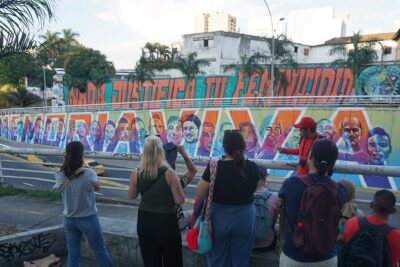
The strongest section for many people will be the connection between salsa murals and activist graffiti. You see painted figures that honor the musical and social contributions of salsa artists. Near them, you may find more direct messages linked to popular struggles and protest.
The graffiti monument to victims, identified as N21, gives this part of the walk a more serious tone. The guide explains how art can remember people affected by social conflict and public unrest. This is not a quick photo stop with no explanation. The point is to understand why certain images and messages matter to Cali residents.
Cali has faced social outbreaks, protests, and solidarity movements. The tour presents music, art, and activism as tools people use to express pain, resistance, and hope. That does not reduce every political issue to a simple story. It gives you a starting point for seeing how culture can respond when formal institutions fail to express what people feel.
I appreciate the way the tour places salsa and graffiti side by side. The contrast is useful. Salsa may bring joy and romance, while a nearby mural may demand justice. Together, they show a city that celebrates loudly but also carries difficult memories.
A guide-led experience with room for questions
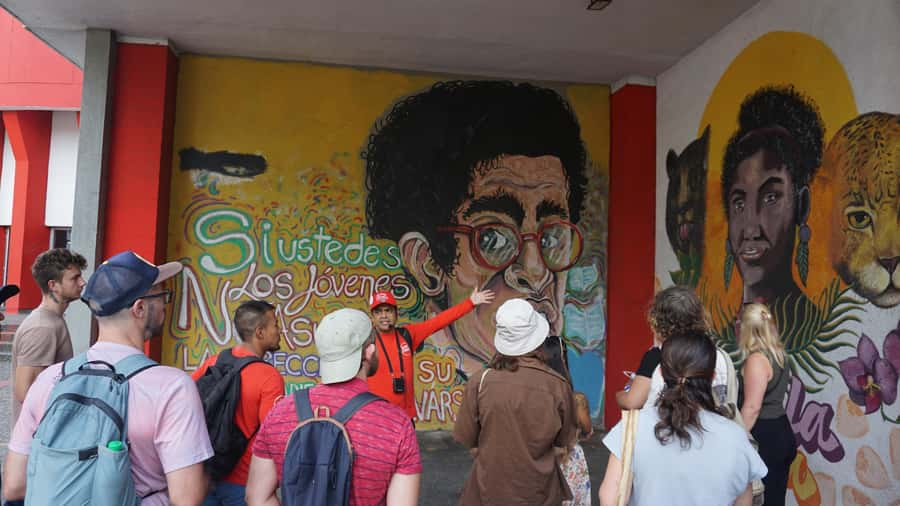
The quality of this tour depends heavily on the guide. Beyond Colombia uses local guides who lead in English or Spanish, with an optional Spanish audio guide. Cristian, often called Chris, is one guide associated with the experience. His style is animated, enthusiastic, and open to interaction.
You should expect storytelling rather than a formal lecture. The guide explains the music, asks you to consider its meaning, and keeps the group moving through the city. A lively guide helps here because the subject includes social history, street art, nightlife, and music. A dry presentation would miss the point.
Past feedback gives particular weight to Cristian’s energy, storytelling, and ability to connect with people. That matches the design of the walk. The subject needs someone who can explain serious issues without stripping away the joy of salsa.
Still, guide-led tours can vary from day to day. If you want to ask questions, do so. This is the kind of experience that improves when you speak up about the music, protests, neighborhoods, or nightlife recommendations you want to understand.
Walking conditions and what to bring
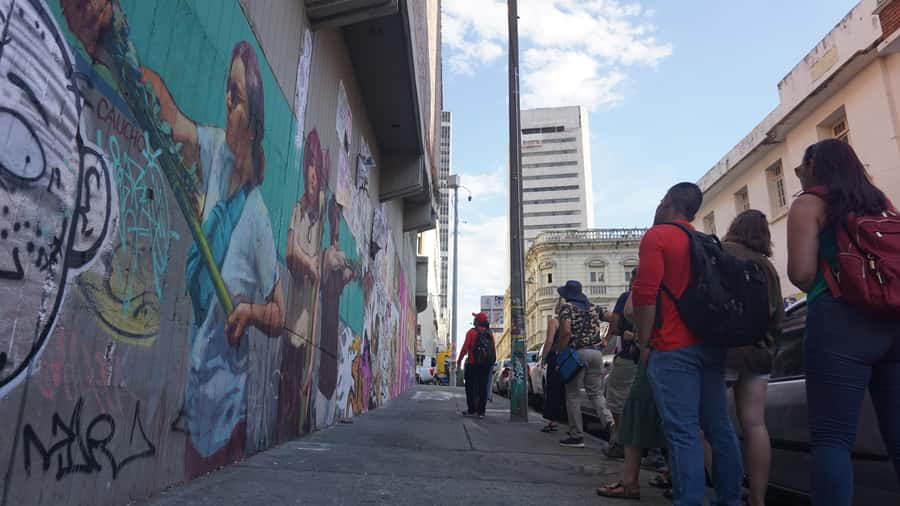
The tour is more active than the 150-minute duration may suggest. You may walk around 8 kilometers, with stops to listen and rest. In Cali’s warm conditions, that distance can feel significant.
Wear comfortable shoes and loose clothing. Bring water or another preferred drink, plus a camera for murals and street scenes. Smoking is not allowed during the activity.
Keep your belongings close. The route includes crowded areas, and the tour itself advises you not to be careless with valuables. A small bag that closes well is more practical than carrying loose items.
The route is not suitable for wheelchair users. The available information does not promise a step-free path, adapted transport, or other accessibility support, so contact the provider before booking if mobility is a concern.
Is $13 good value?
At $13, this is an inexpensive way to spend an afternoon or early evening in Cali. The price includes a professional Beyond Colombia guide, the walking route, explanations of salsa history, street-art interpretation, and recommendations for salsa bars.
It does not include food, drinks, souvenirs, hotel transfers, or transportation during the tour. There are no sudden ticket charges because the route does not take you into places that require an extra entrance fee. That makes the final cost easy to understand.
The value is strongest if you want context rather than a short photo walk. You get a clear explanation of how salsa connects to African cultural survival, Caribbean and New York musical exchange, Cali’s 1960s to 1980s growth, and modern protest.
It is less suitable if you only want to dance. For that, you may prefer a dedicated salsa class or a night at a club. This tour can point you toward those experiences, but it is primarily a walking and storytelling experience.
Who should book this experience?
I would choose this tour early in a Cali visit if you want a cultural foundation before exploring the nightlife. The recommendations at the end can help you decide where to eat or dance later, and the route gives you a better sense of why salsa matters locally.
It suits people who enjoy music history, public art, political context, and guided walks. It also suits first-time visitors who want to understand the city through something more personal than a list of monuments.
You should think twice if you dislike long walks, hot weather, or discussions about protest and social struggle. The subject is not always light. That is part of its value, but it may not match what you want from a relaxed sightseeing outing.
Booking in advance makes sense if your schedule is tight, since the tour has set starting times and a high rating of 4.8 from 53 recorded ratings. You can cancel up to 24 hours ahead for a full refund, and the reserve-now, pay-later option keeps your plans flexible.
Should you book Cali’s Salsa, Graffiti and Resistance Experience?
Book it if you want to understand why salsa is central to Cali rather than simply hear music in a bar. The strongest features are the mix of musical history, street art, and social memory, along with guides such as Cristian who bring warmth and energy to the walk.
Skip it if you want a private tour, a formal dance class, or a short route with little physical effort. For everyone else, $13 buys a useful introduction to Cali’s sound, public art, and rebellious spirit, with practical nightlife advice to put the story into action.
FAQ
Where does the tour meet?
The meeting point is Plazoleta Jairo Varela. Look for the guides beneath the red umbrellas.
How long does the tour last?
The activity lasts approximately 150 minutes, or about two and a half hours. The description also refers to it as approximately two hours.
How far will I walk?
You should expect to walk about 8 kilometers, with stops to rest and listen to the guide.
Is transportation included?
No. The tour is on foot, and transportation to the meeting point, back to your hotel, and during the route is not included.
Which languages are available?
The live tour guide is available in English and Spanish. An optional Spanish audio guide is also offered.
Are food, drinks, and entrance fees included?
No. Food, drinks, and souvenirs are not included. The route does not take you to locations where sudden extra entrance charges apply.
Can wheelchair users join the tour?
The experience is not suitable for wheelchair users.
Just added around Cali
- Street Food Tour – Live A Unique Gastronomic Experience★ 5.0 · 34 reviews
- Rivering in The Danube (The Mermaid)★ 5.0 · 40 reviews
- Salsa Bar Hopping in Cali★ 4.5 · 43 reviews
- Salsa & Music Tour of Cali★ 5.0 · 42 reviews
- Pance Waterfalls: Hike to discover the biodiversity of the valley★ 5.0 · 33 reviews
- The Cali Salsa Tour★ 4.7 · 9 reviews
- Shared Tour Cali’s Local Food at Alameda Market★ 4.8 · 12 reviews
- Friday Salsa Pub Crawl in Cali★ 4.9 · 23 reviews
Salsa Dancing Tours, compared.
Historical Shared Tour Salsa, Graffiti & Resistance in Cali
Read our review →
Salsa Tour in Cartagena with admission Ticket to Café Havana
Read our review →
Browse the lists this tour appears in