
Reviewed · STREET ART
Cali: Comuna 20 Siloé Street Art Tour
Siloé is not a polished tourist district. That is exactly why this tour is worth your time. In Comuna 20, walls, staircases, and narrow streets carry the stories of a mountain community that used art and local action to reclaim its public spaces. Guide Carlos Arturo Torres Salguero helps you read those stories rather than simply walk past them.
I like the mix of street art and local history, and I like that the tour includes a 10-minute cable car ride and a high viewpoint over Cali. You also have a chance to try food at local cafes and eateries, though meals and drinks cost extra.
The main consideration is the terrain. This is a walking tour on a mountainside, with stairs and changing weather. It is not suitable for wheelchair users, people with mobility impairments, or anyone afraid of heights.
Key things to know before visiting Siloé
- The tour starts at 3:00 pm from Terminal Cañaveralejo, then returns to the same point.
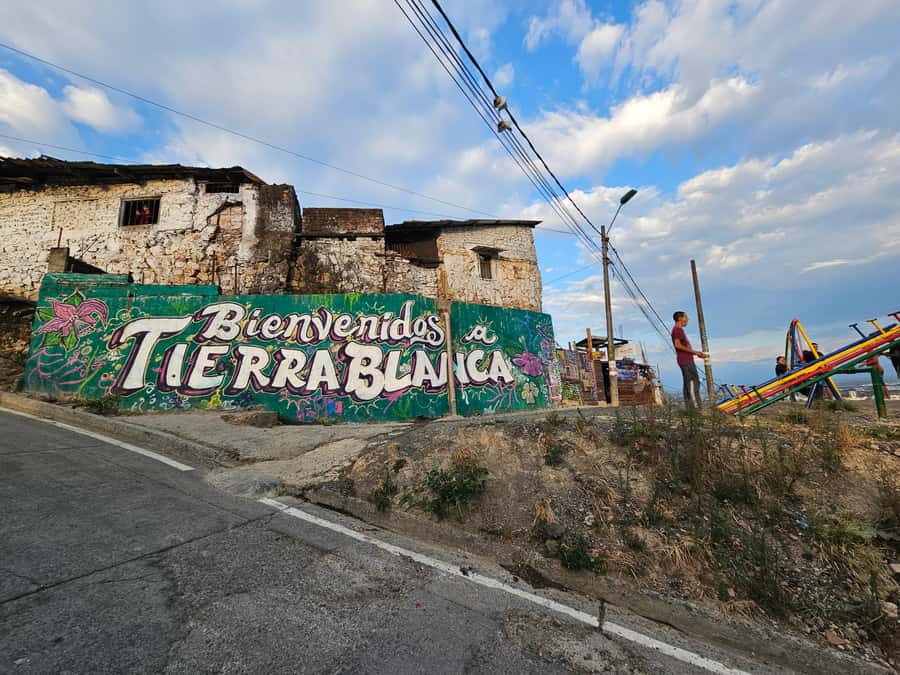
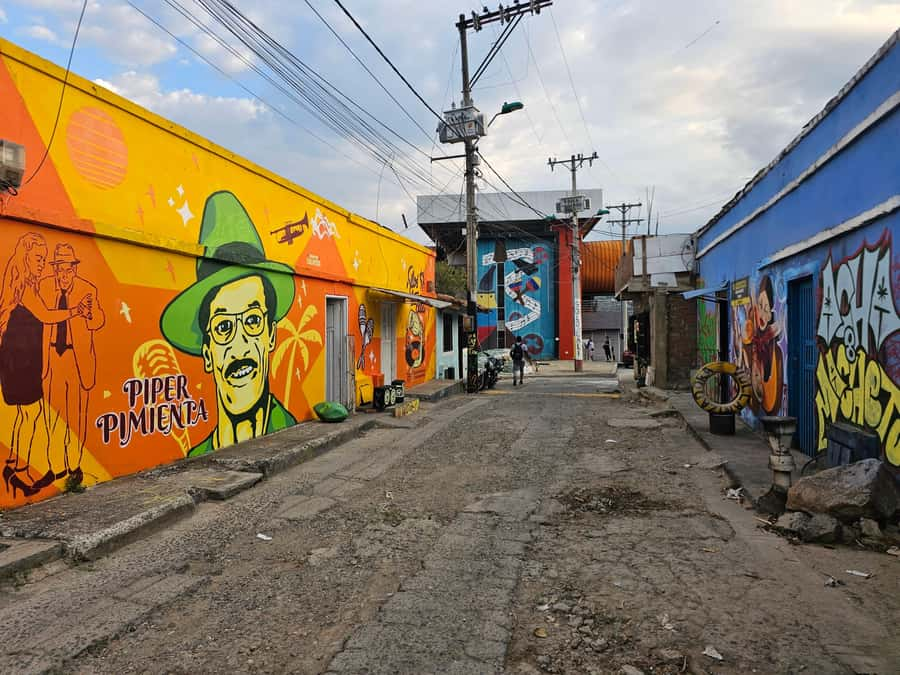
- Murals cover walls, alleys, buildings, and staircases, turning ordinary routes into public art.
- A 10-minute cable car ride gives the outing a different view of Comuna 20 and Cali.
- Carlos Arturo Torres Salguero leads the tour, with guiding available in English and Spanish.
- Food is not included, but local cafes and eateries provide a chance to sample neighborhood flavors.
- Comfortable shoes, water, sunscreen, a hat, and a camera are practical choices for the afternoon.
Why Comuna 20 Siloé makes a memorable tour
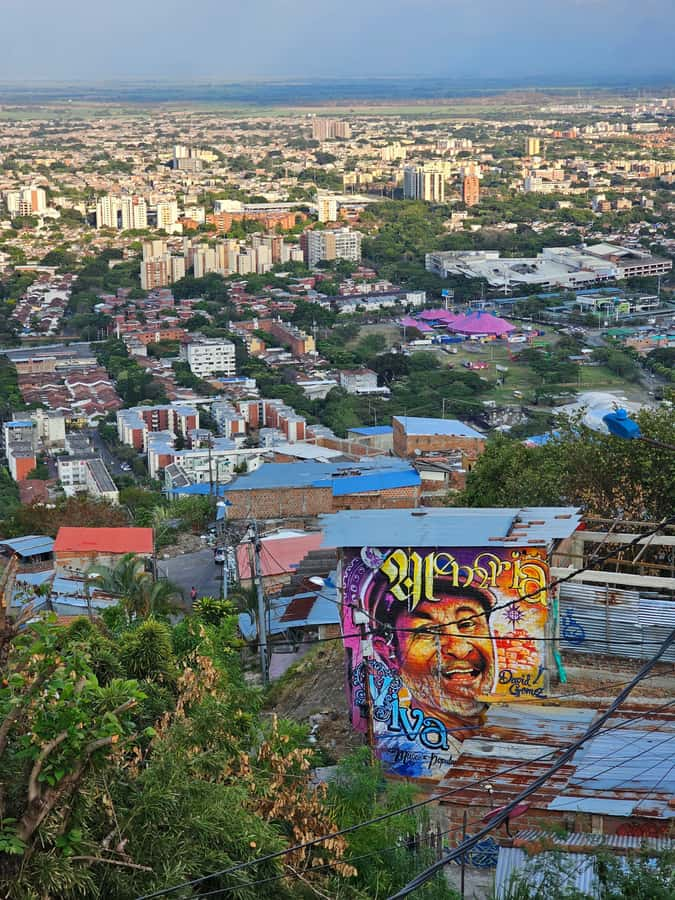
Cali is often linked with salsa, warm weather, and nightlife. Comuna 20 adds another side of the city. This mountain neighborhood has faced serious challenges, yet residents have worked to create safer, more connected public spaces. The result is visible on the walls.
The art here is not just decoration. Murals show community pride, personal struggle, hope, and the desire for a better future. As you walk, your guide explains how local artists and residents helped reshape the way the neighborhood is seen, both by people from Cali and by visitors.
That context matters. Without it, you might see a bright staircase or a large painted wall and take a quick photo. With it, you can understand why the image was made, what it says about the people who live there, and how art can change the feel of a shared space.
I especially like that the tour focuses on residents rather than treating Siloé as a backdrop. You may meet locals who share their own experiences of hardship and progress. Those encounters give the tour a human scale that a standard city sightseeing route often lacks.
More street art tours in Cali:
- Historical Shared Tour Salsa, Graffiti & Resistance in Cali
★ 5.0 · 107 reviews - Shared Tour Cali’s Salsa, Graffiti & Resistance Experience
★ 4.8 · 53 reviews - Medellin: Comuna 13 Graffiti Tour, Cable Car & Street Food
★ 4.8 · 9,046 reviews
Starting at Terminal Cañaveralejo at 3:00 pm
The meeting point is Terminal Cañaveralejo, where the tour begins at 3:00 pm. This fixed start makes the afternoon easy to plan. You can spend the morning seeing central Cali, then make your way to the terminal in time for the walking tour.
The outing lasts about two and a half hours and ends back at the same meeting point. That return is useful if you are using public transport or have evening plans elsewhere in Cali. Check the current availability when booking, since the exact start time should be confirmed before you go.
Bring water and wear shoes that can handle uneven streets and stairs. A hat and sunscreen are sensible, especially because the route includes exposed outdoor sections. Weather can change as you move up the mountainside, so a flexible attitude helps.
Smoking is not allowed during the activity. More important, you are asked to treat residents, homes, and artwork with respect. This is a living neighborhood, not a museum set up for visitors.
Reading Siloé through its murals
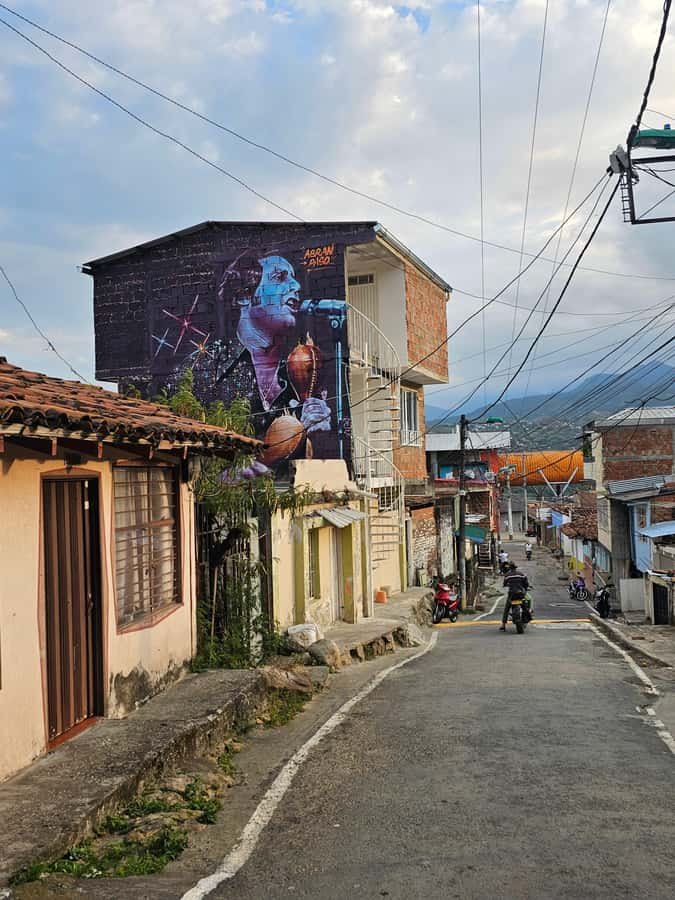
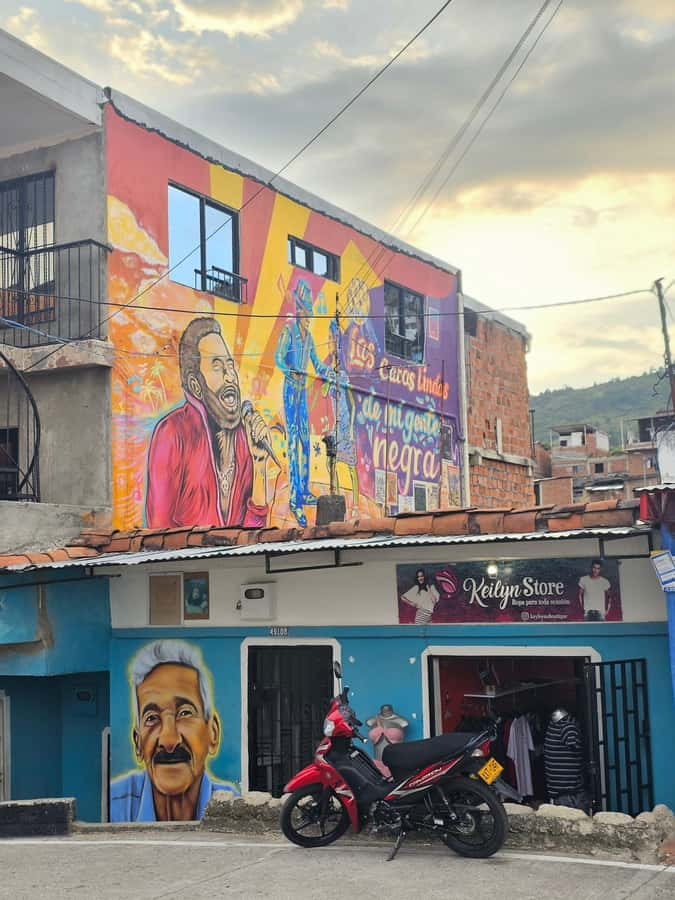
The street art is the heart of the tour. You’ll see paintings on building walls, along alleys, and across staircases. Some pieces are colorful and bold. Others are more reflective, using faces, symbols, and scenes to express the community’s hopes and memories.
The best way to approach the art is to slow down. Look at how the paintings fit their surroundings. A mural on a plain wall changes the character of the street. A staircase becomes more than a way uphill. A building becomes part of a shared visual story.
Your guide provides the missing context. You’ll hear how residents united to improve their community, build a greater sense of safety, and create places they could feel proud of. These stories turn the art into a record of local effort.
You should not expect a formal art lecture with dates and technical terms. This experience is more personal. It connects the paintings with the people who live among them. The cultural value is in hearing why the art matters, not simply counting how many murals you see.
Bring a camera, but remember that the best photographs are made with some awareness of the people around you. Ask before photographing someone directly, and avoid blocking stairways or entrances. A respectful approach helps preserve the good relationship between visitors and the neighborhood.
The cable car ride and the climb uphill
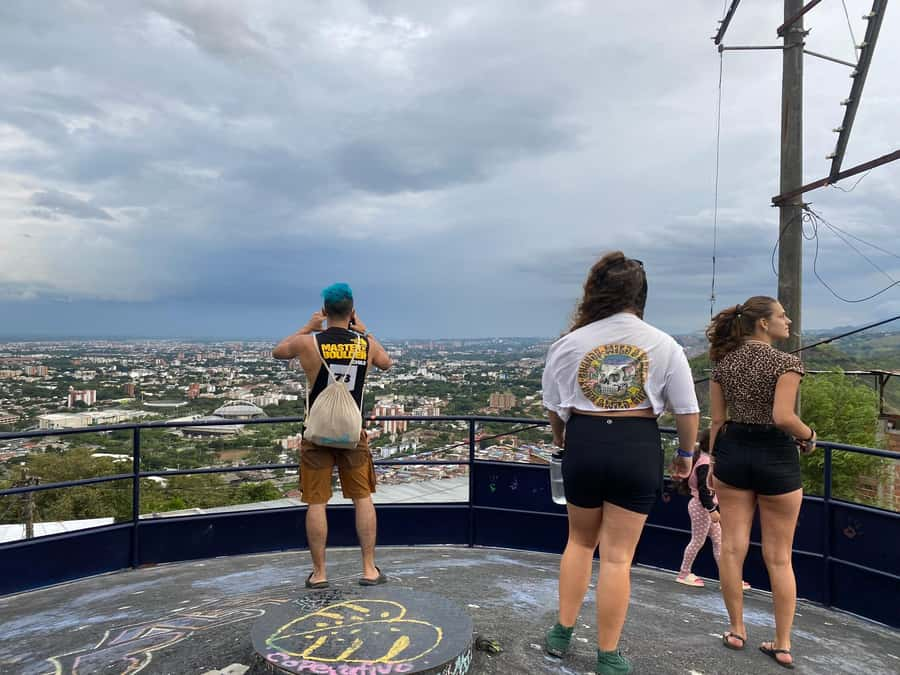
The itinerary includes a 10-minute cable car ride. It is both transportation and part of the experience, giving you a view of the mountain neighborhood from above and changing your sense of how Cali is arranged.
The ride also adds a practical break from walking. Even so, do not confuse the cable car with a fully accessible tour. The outing includes walking on a hillside, and the experience is specifically not suitable for wheelchair users or people with mobility impairments.
If heights make you uneasy, think carefully before booking. The cable car and the high viewpoint are major parts of the tour, not minor extras. For most people, they add excitement and a clear sense of place. For someone afraid of heights, they may make the afternoon uncomfortable.
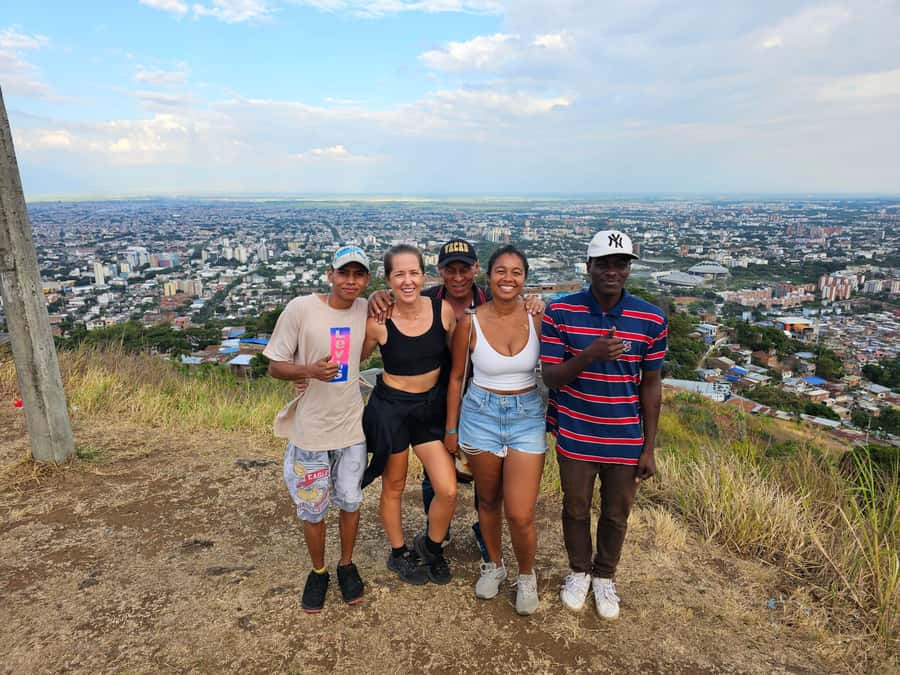
As the route reaches a higher point, the view opens across Cali. You can see the city spread below, with the built-up urban area set against the surrounding hills. This is one of the tour’s strongest visual moments and a good place to take photographs.
The view also helps explain Siloé’s position. From street level, the neighborhood can feel like a series of steep lanes and painted walls. From above, you see its relationship to the rest of Cali and understand how the mountain setting shapes daily life.
A few more Cali half-days worth weighing up
- Shared Tour Cali’s Historical Downtown
★ 4.8 · 143 reviews - The Cali Street Food Walking Tour
★ 5.0 · 81 reviews - San Cipriano Rainforest – River, Waterfalls and Adventure Day
★ 5.0 · 73 reviews - Cali: Street Food Tour
★ 4.8 · 71 reviews
Meeting residents and hearing personal stories
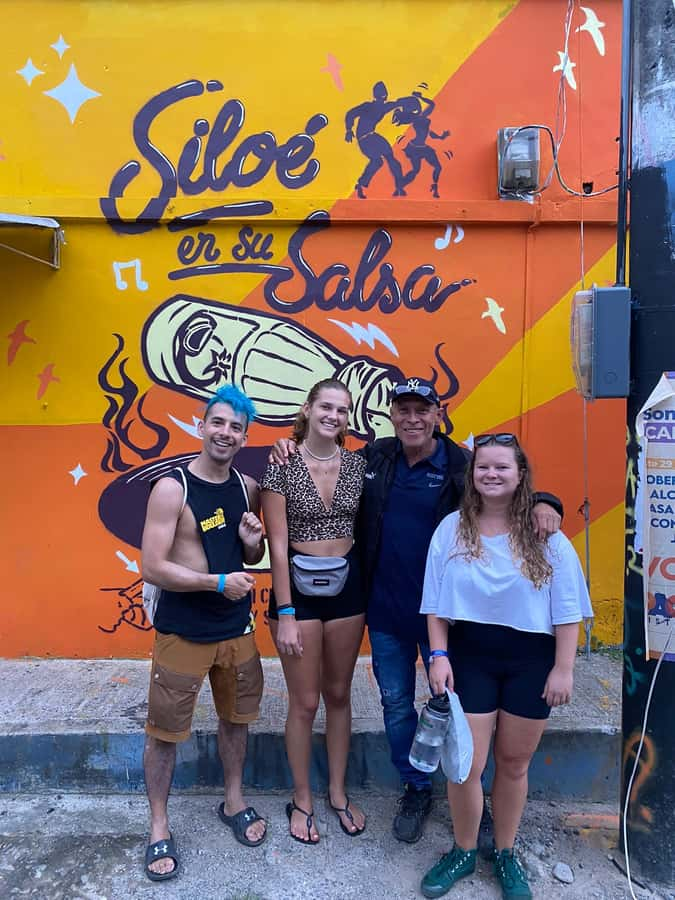
The guide’s storytelling is central to the experience. Carlos Arturo Torres Salguero is praised for hosting the tour with care and for helping visitors understand a part of Cali that many never see.
You’ll hear about the neighborhood’s earlier difficulties and the work residents undertook to improve safety and belonging. The focus is not on presenting Siloé as a problem to be observed. Instead, the story is about people taking action and building pride in their home.
You may also meet locals who share personal accounts of struggle and achievement. These conversations can be the most meaningful part of the outing because they move the tour beyond murals and viewpoints. You begin to understand the emotional connection people have with the streets where they live.
Keep your expectations realistic. The tour offers the opportunity to interact with locals, but no exact number of meetings or conversations is guaranteed. Community encounters depend on the day, the route, and who is available. That is part of the nature of a neighborhood walk.
An English or Spanish-speaking guide makes the experience accessible to more visitors. If you speak Spanish, you may find that the language adds another layer to local conversations. If you do not, the English option lets you follow the historical and social context without relying only on visual clues.
Trying neighborhood food at your own cost
Food adds another useful layer to the tour. Along the way, you may stop at a cafe or local eatery and sample flavors linked to the varied backgrounds of the neighborhood’s residents.
Meals and drinks are not included in the $32 price, so bring extra money if you want to eat. That arrangement gives you control. You can choose whether to stop, what to order, and how much to spend rather than paying for a fixed meal package.
Do not expect a full food tour. The main focus is the neighborhood, its art, and its stories. Food is an opportunity along the route, not the central product. If you want a more extensive tasting experience, you would need a separate food-focused activity.
Still, even a simple local snack can make the afternoon more memorable. Food offers a direct way to connect with daily life, and it gives you a chance to support small businesses in the community.
Is $32 a fair price?
At $32 per person, the tour offers more than a self-guided mural walk. You are paying for a live guide, the neighborhood route, the cable car ride, local interaction, and the time needed to explain the area’s transformation.
The value depends on what you want from Cali. If you only want photographs of street art, you might prefer to explore independently. But going alone would not provide the same background about the murals, the residents’ efforts, or the meaning behind the neighborhood’s changes.
The cable car is included, which strengthens the price. So does the return to Terminal Cañaveralejo, since you do not need to arrange separate transport back from a hillside neighborhood.
Meals and drinks are extra, but that is reasonable for an outing where food is an optional stop rather than the main activity. You can keep the total cost close to the tour price if you do not eat, or add a modest amount for local food.
The tour also offers free cancellation up to 24 hours before the start time and a reserve-now, pay-later option. Those terms are helpful if your Cali schedule is still changing.
Who should book this Siloé tour?
I would recommend this experience if you want to see Cali through local stories, public art, and community action rather than through major attractions alone. It suits curious visitors who are comfortable walking uphill and who want a more personal look at the city.
It is especially useful for:
- First-time visitors who want a different side of Cali
- People interested in street art and community projects
- Photographers looking for murals and wide city views
- Visitors who enjoy guided walks with local context
- Spanish speakers who want to use the language in a neighborhood setting
- Anyone who prefers a small-scale cultural experience to a standard sightseeing route
I would be cautious if you have trouble with stairs, dislike heights, or need a wheelchair-accessible route. The tour is not designed for those needs. You should also choose another activity if you want a long, structured food tasting with all meals included.
The afternoon timing works well, but bring protection from the sun and be ready for changing weather. Comfortable shoes are not optional here. The streets, stairs, and hillside setting make poor footwear a needless problem.
My take: should you book it?
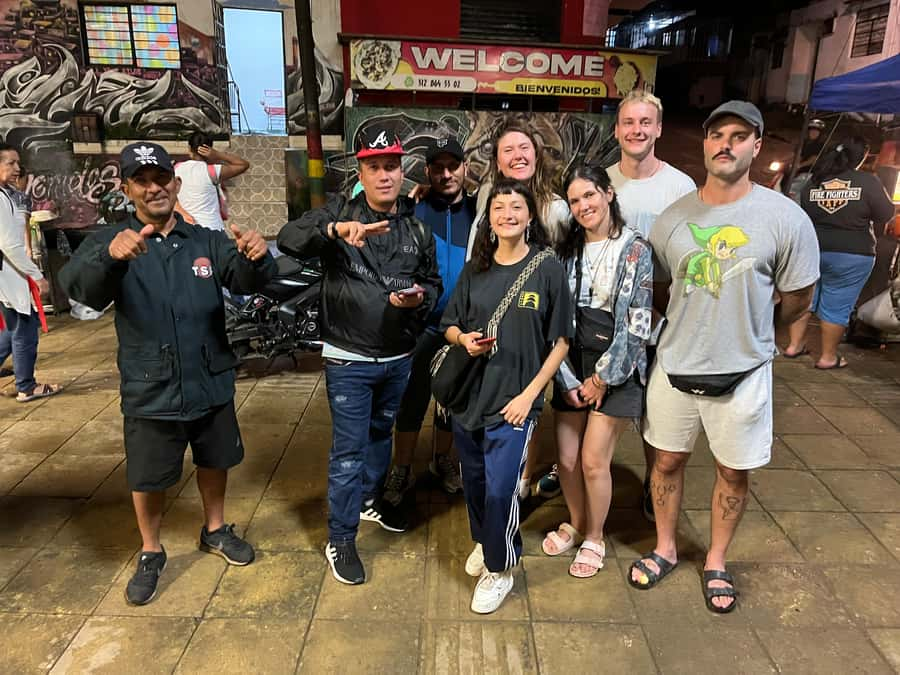
Book this tour if you want to understand why Siloé matters to Cali, not just photograph its murals. The strongest parts are the personal stories, Carlos’s role as a local guide, the cable car ride, and the broad view across the city.
Skip it if you want a flat route, a fully accessible activity, or a meal included in the price. For everyone else, this is a thoughtful way to spend two and a half hours. You leave with more than colorful pictures. You gain a clearer sense of how residents used art, cooperation, and pride to reshape their neighborhood.
FAQ
Where does the Comuna 20 Siloé tour start?
The tour starts at Terminal Cañaveralejo in Cali.
What time does the tour begin?
The tour starts at 3:00 pm. Check availability when booking to confirm the current starting time.
How long does the tour last?
The activity lasts approximately two and a half hours and ends back at Terminal Cañaveralejo.
Is the cable car included?
Yes. The cable car is included, and the ride lasts about 10 minutes.
Are meals and drinks included?
No. Meals and drinks are not included, though you may have the chance to stop at local cafes and eateries.
Is the tour available in English?
Yes. The live guide can conduct the tour in English or Spanish.
Just added around Cali
- Salsa Bar Hopping in Cali★ 4.5 · 43 reviews
- Street Food Tour – Live A Unique Gastronomic Experience★ 5.0 · 34 reviews
- Rivering in The Danube (The Mermaid)★ 5.0 · 40 reviews
- Salsa & Music Tour of Cali★ 5.0 · 42 reviews
- Pance Waterfalls: Hike to discover the biodiversity of the valley★ 5.0 · 33 reviews
- The Cali Salsa Tour★ 4.7 · 9 reviews
- Shared Tour Cali’s Local Food at Alameda Market★ 4.8 · 12 reviews
- Friday Salsa Pub Crawl in Cali★ 4.9 · 23 reviews
Street Art, compared.
Comuna 13 Graffiti Tour, Cable Car & Street Food
Read our review →
Comuna 13 Tour with Snacks And Your Own Graffiti
Read our review →
Comuna 13 and Graffiti Guided Tour with a Local
Read our review →
Historical Shared Tour Salsa, Graffiti & Resistance in Cali
Read our review →
Fun Graffiti Workshop: The Art of Aerosol and Color
Read our review →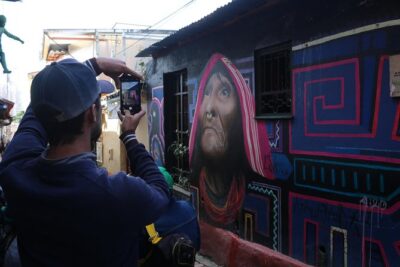
Graffiti Tour in La Candelaria Bogotá with Transportation
Read our review →Browse the lists this tour appears in