
Reviewed · COFFEE EXPERIENCES
Bogota: Colombian Coffee Tasting
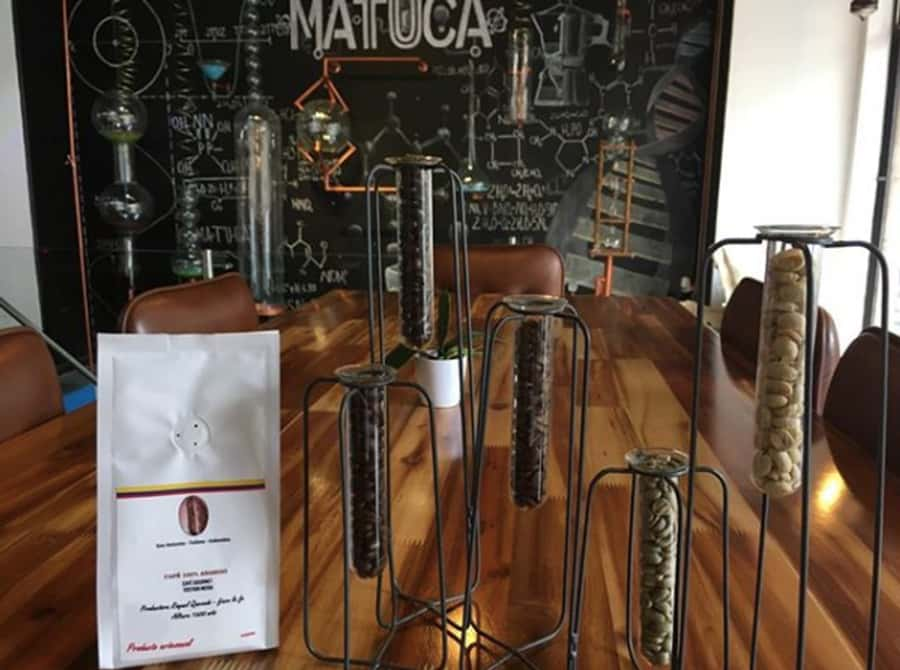
Colombian coffee is more than a strong cup served at breakfast. At Café Matuca, you work through the bean-to-brew process, test acidity and aroma, sample coffee-based sweets, and finish by making your own cup. I like the hands-on tasting and the chance to learn from café owner Rene, whose enthusiasm has made this a memorable lesson for many guests. I also like the price: $25 buys two focused hours, not just a quick sample.
The main consideration is location. Café Matuca is on the second floor at Carrera 5 #16-42, and the surrounding area may not be the part of Bogotá you enjoy most. Still, the café is near the Gold Museum, so you can pair the tasting with one of the city’s best-known cultural stops.
Key points about the Café Matuca coffee tasting
- You test coffee with more than your taste buds: Acidity and aroma exercises help you notice what is in the cup.
- You learn the full coffee chain: The session covers cultivation, processing, history, brewing, and drinking.
- You sample unusual coffee products: Sweets, cookies, and other edible items show how the bean can be used beyond a morning brew.
- You brew the final cup yourself: The last step turns the lesson into a practical skill you can use at home.
- You can take the tour in English or Spanish: The guide-led format works well for international visitors.
- You can pair it with the Gold Museum: Café Matuca is about two minutes from the Museo del Oro, according to the activity information.
A two-hour introduction to Colombia’s coffee culture
This is a compact tasting rather than a farm visit. You meet your guide at Café Matuca and spend about two hours learning how Colombian coffee moves from cultivation to the finished drink.
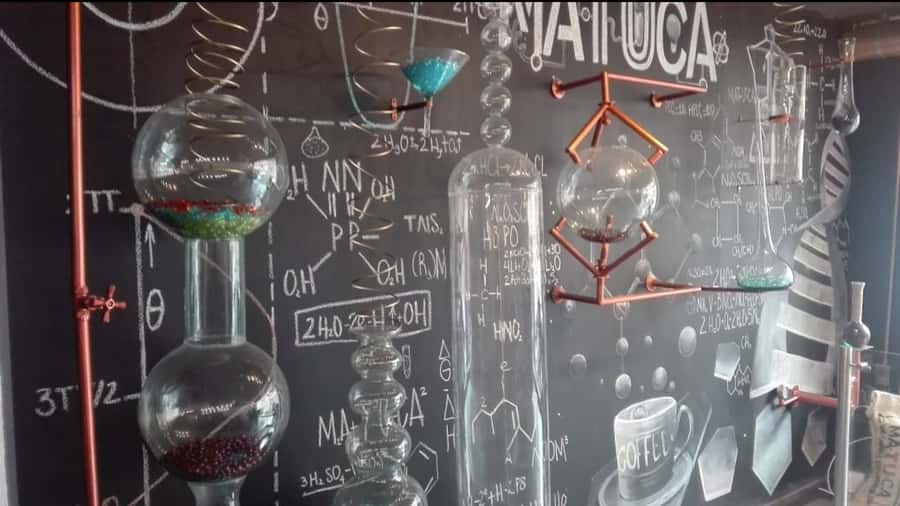
That distinction matters. Bogotá is not a rural coffee estate, so you will not be walking among coffee plants or watching a commercial harvest. Instead, the café gives you a classroom, tasting room, and working demonstration in one place. For a visitor with limited time in the capital, that makes the experience easy to fit into a day of sightseeing.
The focus is Colombian coffee and the balanced, nutty style for which it is widely known. The session also places coffee in a wider setting, covering the history and industry behind the drink. Guides have included Rene, the café owner, as well as hosts such as Renee and Nicolás. The strongest part of the experience is the personal explanation, especially when the guide connects farming, processing, roasting, brewing, and everyday drinking.
If you already know a lot about coffee, you may find the broad introduction familiar in places. If you mostly drink coffee without thinking about how it was made, the session gives you useful tools without demanding specialist knowledge.
More Coffee Tours in Bogota
- From Bogotá: Coffee Farm and Tequendama Falls Tour
★ 4.5 · 130 reviews - Coffee Farm Experience Private Day Tour
★ 5.0 · 81 reviews - Coffee tasting experience at Divino Café Especial
★ 5.0 · 57 reviews
Tasting coffee by aroma, acidity, and flavor
The tasting begins by slowing down the act of drinking coffee. You learn how to recognize different flavors, then take part in an aroma test and an acidity test.
That approach is useful because coffee flavor is not just about strength. Aroma can suggest fruit, nuts, sweetness, or other notes before you take a sip. Acidity can change the way a coffee feels and tastes, giving it brightness rather than simply making it sour. The activity helps you separate these elements instead of treating every cup as either good, bad, weak, or strong.
You should expect a guided tasting rather than a free-for-all sample table. The guide leads you through the comparisons and explains what to notice. This is where the quality of the host matters. Rene has been praised for explaining coffee from growing through consumption, and the session is especially effective when you ask questions as you go.
The tasting also introduces Colombian tintos. In Colombia, tinto commonly refers to a small serving of black coffee, and trying it gives you a direct connection with local coffee habits. You are not just hearing about Colombian coffee as an export product. You are also tasting a form in which Colombians commonly drink it.
Bring curiosity rather than a need to identify every flavor perfectly. Coffee tasting can feel intimidating when people use technical words, but the activity is designed as an introduction. You do not need a trained palate to gain something from the aroma and acidity exercises.
From coffee plant to finished bean
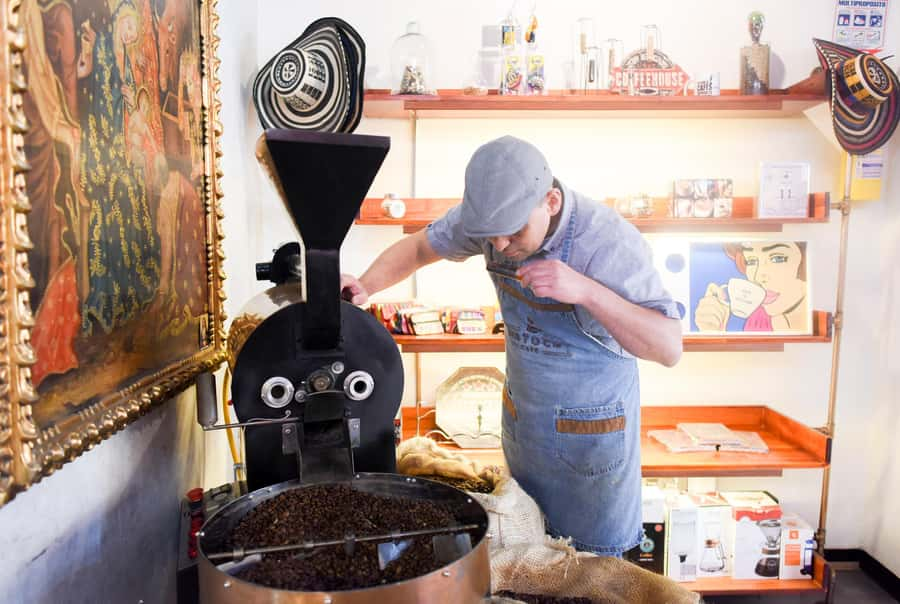
A central part of the session explains the steps involved in producing coffee. The material covers cultivation and processing, then follows the bean toward roasting, brewing, and drinking.
This section gives the tasting a useful backbone. Without it, sampling several coffees can become a pleasant but forgettable snack. By learning what happens before the beans reach the café, you begin to understand why coffee from different places and production methods can taste different.
The discussion also covers Colombia’s place in the global coffee industry and the history of coffee in the country. That context is valuable in Bogotá, where coffee is both an important agricultural product and part of daily life. You get a clearer sense of why the country has such a strong international reputation, while also learning that coffee is not one single flavor or style.
The activity does not promise a plantation tour, so keep your expectations in the right place. The production lesson is explained indoors, with tasting and brewing used to make the information concrete. You will learn the stages, but you will not see every stage happening in the countryside.
For me, this is one of the better reasons to book the experience even if you are not a serious coffee drinker. It gives you a story to attach to the cup. Afterward, you are more likely to notice how processing and preparation affect what you drink.
Brewing methods and your final cup
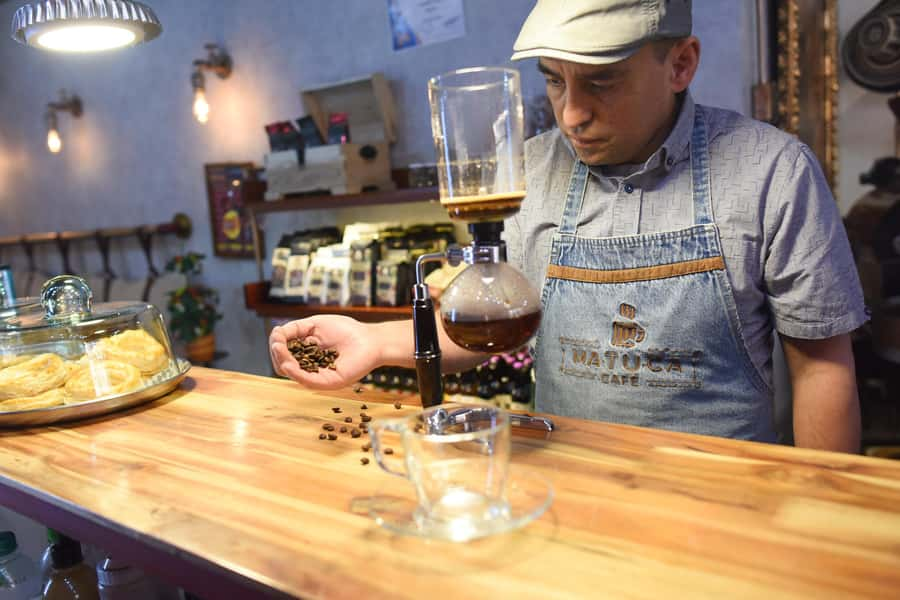
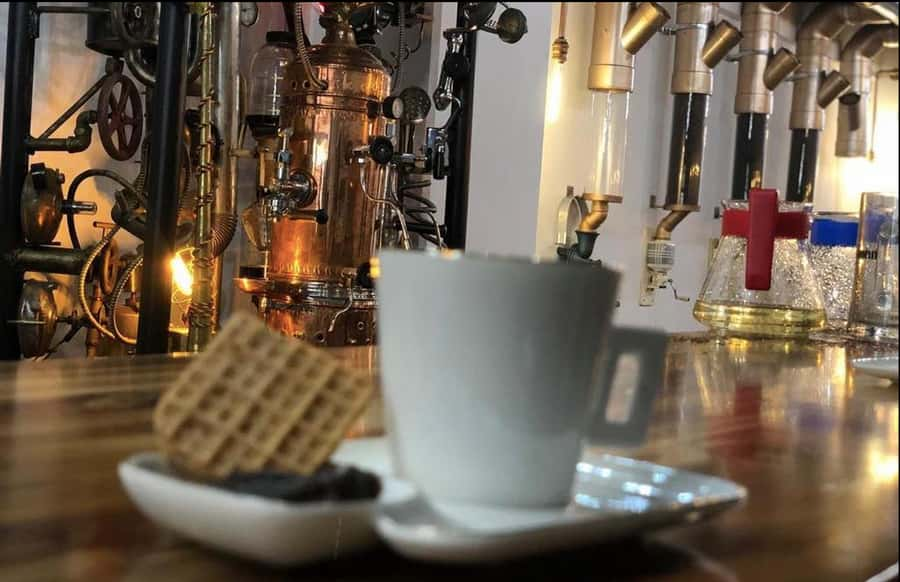
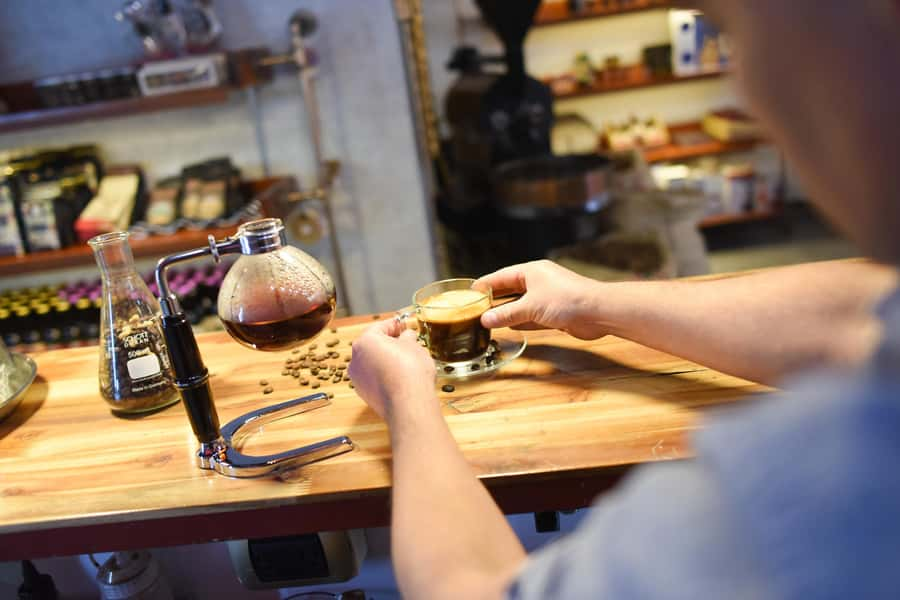
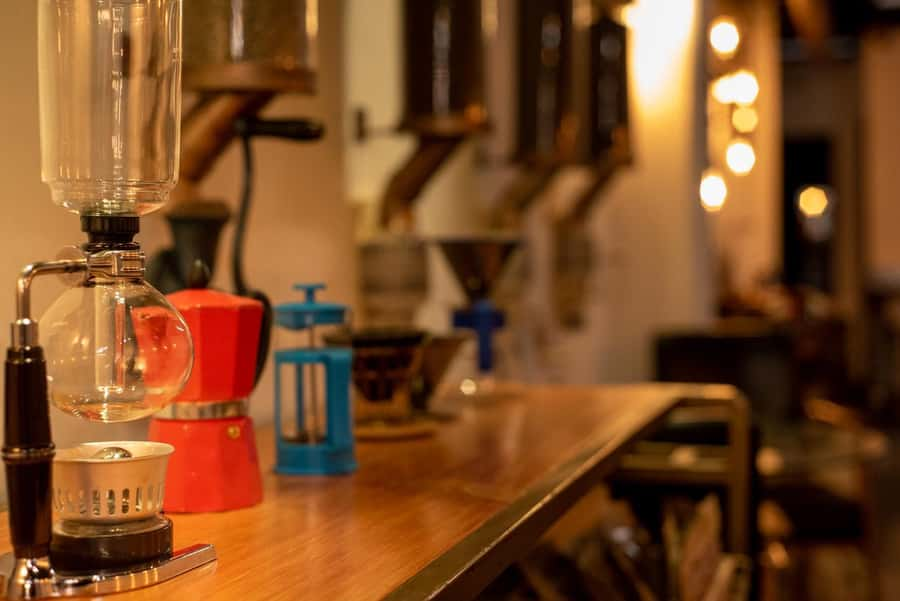
The brewing section is one of the most practical parts of the experience. You learn about several coffee brewing techniques, then prepare and taste your own final cup.
That last step matters. Watching a guide prepare coffee is informative, but making the drink yourself forces you to pay attention to the method. You get a clearer idea of how brewing changes the result and why the same bean can taste different when prepared in another way.
The activity promises guidance rather than a contest. Your aim is not to produce a café-perfect cup under pressure. It is to understand the process and make a version you enjoy. The guide can explain what is happening as you work, making the session useful for beginners and home coffee drinkers.
If you are traveling with someone who does not drink much coffee, this part may be easier to enjoy than a long lecture. The hands-on format breaks up the history and tasting, and the final cup gives the session a clear finish.
You should also leave with a better vocabulary for ordering and brewing coffee. The experience does not claim to turn you into a professional barista in two hours, but it can change the way you approach coffee at home. One participant described gaining a new appreciation for coffee and planning to change their coffee habits. That is a fair measure of what this kind of lesson can do.
A completely different kind of day, same corner of Colombia:
- Bogota: Bicycle City Tour
★ 4.9 · 2,156 reviews - Zipaquirá: Salt Cathedral Group Tour with Pickup
★ 4.8 · 1,606 reviews - Bogotá: Guided La Candelaria Walking Tour
★ 4.8 · 1,229 reviews - Bogotá: Private City Tour, Monserrate, Emerald and Botero
★ 4.9 · 798 reviews
Coffee sweets, cookies, and edible bean products
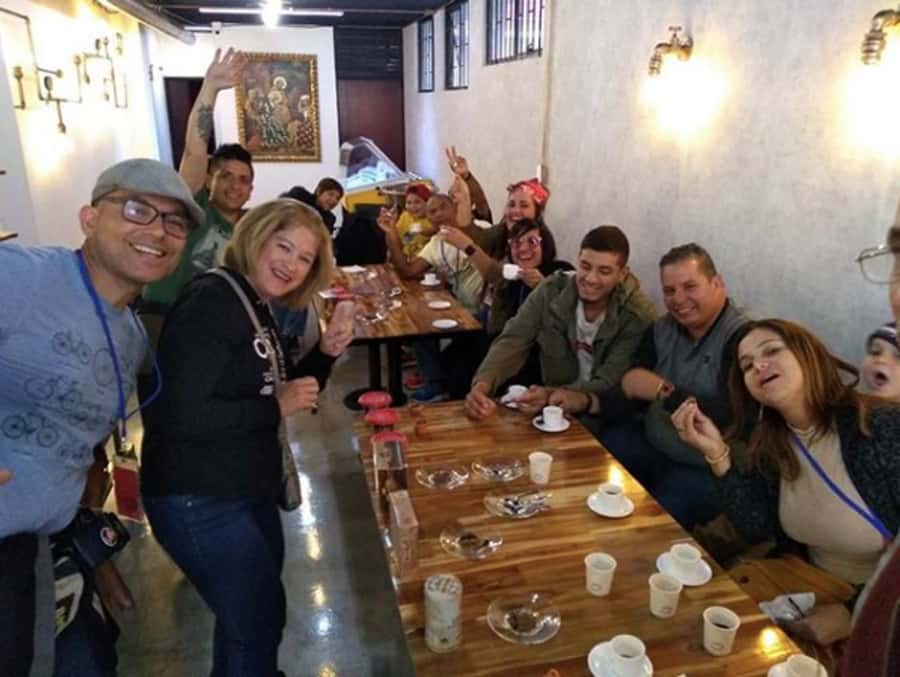
The tasting is not limited to liquid coffee. Sweets and cookies are included, along with other interesting edible products made from the coffee bean.
This is a smart addition. Coffee can be bitter, acidic, or unfamiliar when tasted on its own, and a small sweet bite gives you another way to understand its flavor. It also shows how the humble bean can be used beyond brewing.
Do not expect a full meal. The included food is best treated as tasting material, not lunch. If you arrive hungry, plan to eat separately before or after the activity.
The edible samples also make the experience work well for people who are interested in food culture. You are comparing taste, texture, and preparation, not simply drinking several cups in a row. That variety helps keep the two-hour session lively.
The guide makes the difference at Café Matuca
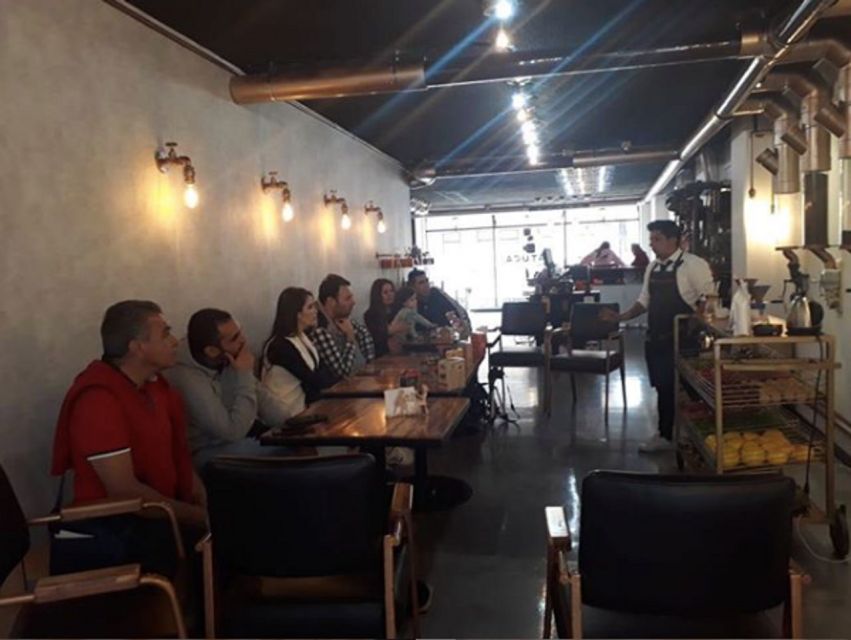
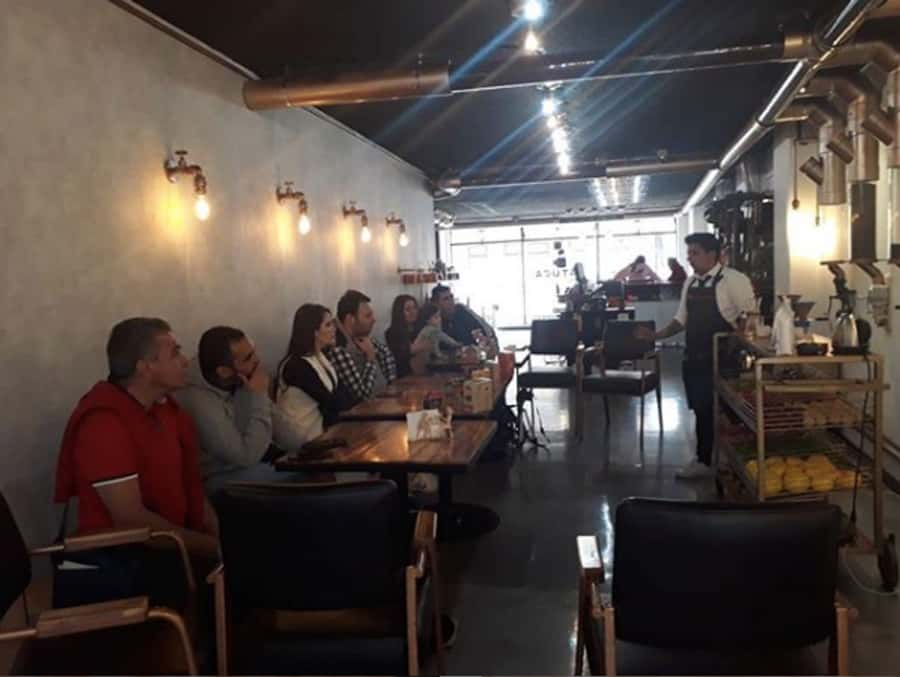
The café setting is simple, but the guide is central to the experience. The most successful sessions depend on a host who can explain technical ideas in plain language and respond to questions.
Rene, identified in several sessions as the owner of Café Matuca, has a background and passion that extend across the coffee process. Other guides have included Renee and Nicolás. The activity is offered in English and Spanish, and an English presentation has been described as clear and well delivered.
That language choice is important in Bogotá. You can book the experience in Spanish if you want local practice, or choose English for a more detailed lesson without worrying about missing the explanation. Confirm your preferred language when booking if it matters to you, since the activity lists both options.
I would especially recommend asking questions. Coffee tasting is more rewarding when you explain what you usually drink, what flavors you notice, or what confuses you. The guide can then connect the lesson to your own habits instead of giving you a fixed speech.
The experience is also suitable for solo visitors. A friendly café setting and a structured tasting give you an easy activity to enjoy without needing a large group. The host and staff have been described as welcoming to people attending alone.
Pairing the tasting with Bogotá’s Gold Museum
Café Matuca is at Carrera 5 #16-42, on the second floor, in Bogotá. The café is about two minutes from the Museo del Oro, making the pairing especially convenient.
You can visit the Gold Museum before the coffee session and then sit down for a quieter, food-focused activity. Or start with coffee and continue to the museum while the information is fresh in your mind. The two experiences offer a useful contrast: one focuses on Colombia’s Indigenous goldwork and cultural traditions, while the other looks at a major part of the country’s agricultural and commercial identity.
The location also means you should check the café entrance carefully. The meeting point is not described as a street-level shop entrance. Look for Café Matuca at the listed address and go to the second floor.
One practical note: the surrounding area may not feel like the most attractive part of Bogotá. A comment about the location found the area less appealing, even while rating the activity itself highly. I would plan your route in advance, arrive during your scheduled time, and treat the café as the main destination rather than expecting a scenic neighborhood walk.
Hotel pickup and drop-off are not included. You are responsible for reaching the café and returning to your accommodation, so include that time when planning a busy Bogotá sightseeing day.
Is $25 a fair price for two hours?
At $25 per person, the activity offers good value if you want more than a standard café stop. The price includes the coffee tasting, sweets and cookies, and an English- or Spanish-speaking guide.
You are paying for instruction as well as food and drink. The guide explains production, history, flavor, aroma, acidity, and brewing, then helps you prepare a final cup. A simple tasting elsewhere might cost less, but it would not necessarily give you the same structure or practical lesson.
The value is strongest for three kinds of visitors:
- Coffee drinkers who want to understand why Colombian beans taste the way they do.
- First-time visitors to Bogotá looking for a short activity near the Gold Museum.
- Solo visitors and small groups who prefer a guided lesson to a large sightseeing tour.
The value is weaker if you dislike coffee, want to visit a working plantation, or have only a few minutes to spare. This is a two-hour commitment, and the session is built around tasting several forms of coffee. It is not a quick stop between attractions.
Flexible booking also helps. You can reserve now and pay later, and cancellation is free up to 24 hours in advance for a full refund. Starting times vary, so check availability before planning the museum or other activities around it.
Who should book this coffee experience?
I would book it if you want a clear introduction to Colombian coffee without leaving Bogotá. The combination of tasting, production background, brewing practice, and local tinto culture gives you more substance than a simple cup at a café.
It is also a good choice for people who think coffee tasting sounds too formal. The session includes sweets, practical brewing, and conversation, so it is not only about using technical tasting language. You can learn at your own level.
I would skip it if you are looking for a countryside day trip or a visit to coffee farms. Nothing in the activity suggests transport outside Bogotá or a plantation setting. The strength here is the guide-led lesson at Café Matuca, not rural scenery.
For most coffee drinkers spending time in central Bogotá, the $25 price is sensible. Pair it with the Gold Museum, allow for the two-hour duration, and arrive ready to smell, taste, ask questions, and brew.
FAQ
Where does the Colombian coffee tasting take place?
The meeting point is Café Matuca at Carrera 5 #16-42, piso 2, Bogotá 110321. The café is on the second floor.
How long does the experience last?
The coffee tasting lasts two hours.
How much does the activity cost?
The listed price is $25 per person.
What languages are available?
The live guide can conduct the experience in English or Spanish.
What is included in the price?
The price includes the coffee tasting, sweets and cookies, and an English- or Spanish-speaking guide.
Is hotel transportation included?
No. Hotel pickup and drop-off are not included, so you must make your own way to Café Matuca.
What will I learn during the tasting?
You will learn about Colombian coffee history, coffee production, flavor recognition, aroma, acidity, and different brewing techniques.
Do I get to make my own coffee?
Yes. The experience ends with you brewing and tasting your own cup of coffee.
Can I cancel the booking?
Yes. You can cancel up to 24 hours in advance for a full refund. You can also reserve now and pay later, subject to the booking terms.
More Food & Drink in Bogota
- Bogota Food Tour with over 12 Tastings & Tejo
★ 4.9 · 454 reviews - Bogotá: Craft Beer Tour with Tasting
★ 4.9 · 120 reviews - PALOQUEMAO MARKET FOOD TOUR. EXOTIC FRUIT. LOCAL SNACKS. /Min 2 pax
★ 5.0 · 70 reviews - Food Tour in La Candelaria Bogotá
★ 5.0 · 63 reviews
Just added around Bogota
- Zipaquirá: Private tour to the Salt Cathedral, Colombia’s first wonder★ 4.9 · 33 reviews
- Zipaquira: 5 hrs Salt Cathedral Tour★ 4.4 · 9 reviews
- Wonders of Salt: Colombia’s Underground Cathedral★ 5.0 · 18 reviews
- Zipaquirá Salt Cathedral & Andrés Carne de Res (Chía)★ 4.6 · 30 reviews
- Zipaquirá: Private Salt Cathedral Mine and Walking Tour★ 4.8 · 3 reviews
- Villa de Leyva Trip by Private Transportation★ 4.8 · 27 reviews
- Wonderful tour of Villa de Leyva, and Zipaquira Salt Cathedral.★ 4.5 · 34 reviews
- Private Zipaquira Salt Cathedral and Guatavita Lagoon Tour from Bogota★ 4.5 · 44 reviews
Coffee Experiences, compared.
Coffee Tour with Transport, Snacks and Tastings
Read our review →
Medellín Coffee Farm Tour with Trolley and Cable Car Ride
Read our review →
Private Cocora Valley, Salento & Coffee Farm Tour
Read our review →
Horseback Riding Coffee Farm Tour with Coffee Spa
Read our review →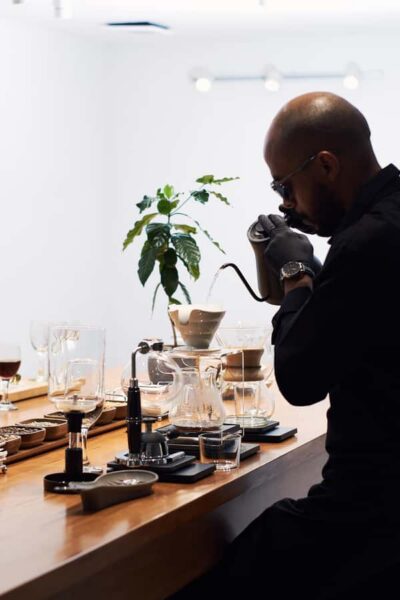
Browse the lists this tour appears in