
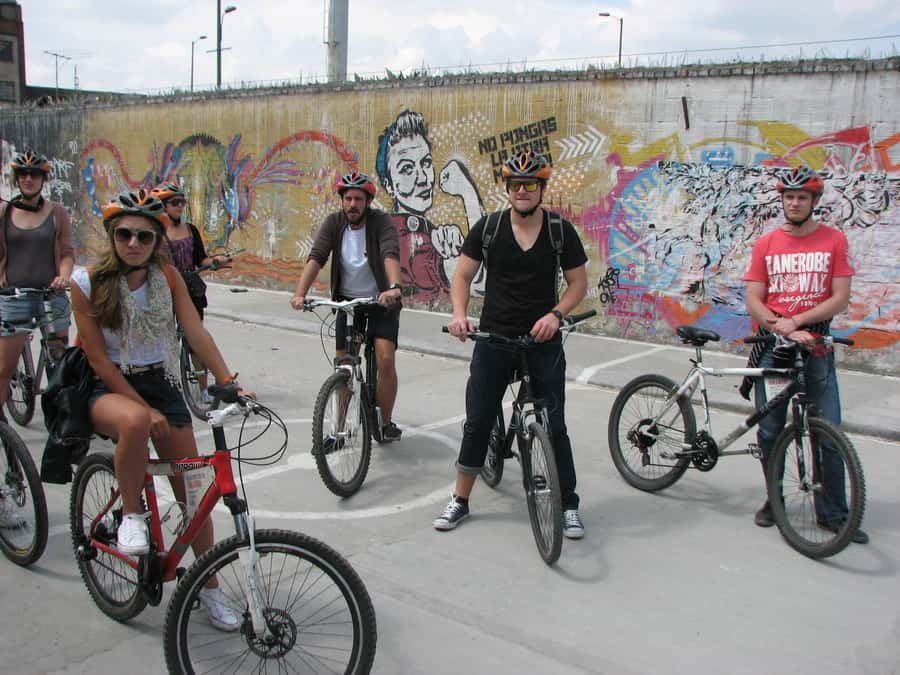
Reviewed · CITY TOURS
Bogota: Bicycle City Tour
Bogotá’s best introduction may come with two wheels and a little market juice running down your hand. This 4.5-hour ride moves from La Candelaria through plazas, neighborhoods, murals, historic sites, a coffee roaster, and a traditional fruit market where you taste varieties you may never see at home. I love the local scale of it, and I like that guides such as Mike, Lina, Daniel, and David connect the stops to Colombian life rather than simply pointing out buildings.
The main caution is traffic. The route is mostly flat and broken up by frequent stops, but this is still an urban ride. You need a decent level of fitness and real confidence on a bicycle, especially when roads are open to cars. Sunday can be a smart choice because some streets close for cycling, though the route changes with weather and city events.
Key points at a glance
- Fruit market tasting: Try a wide range of Colombian fruits while a guide explains what you are eating.
- Mostly flat city riding: The terrain is manageable, but traffic and a four-hour-plus ride still require energy.
- More than the historic center: Reach neighborhoods and streets you are unlikely to see by staying around La Candelaria.
- Coffee, street art, and tejo: The stops give you several different ways to understand Bogotá and Colombia.
- Strong guide-and-support setup: Guides such as Mike, Daniel, Lina, and David bring different strengths, with assistants sometimes helping with bike problems and road safety.
- Good value at $19: Bicycle, helmet, and bilingual guiding are included, making this an inexpensive way to cover a lot of ground.
Why a bicycle is a smart way to meet Bogotá
Bogotá is large, spread out, and full of contrasts. On foot, you can spend much of your time around La Candelaria. In a car or taxi, you cover ground but miss the small changes between neighborhoods. A bicycle gives you a useful middle path.
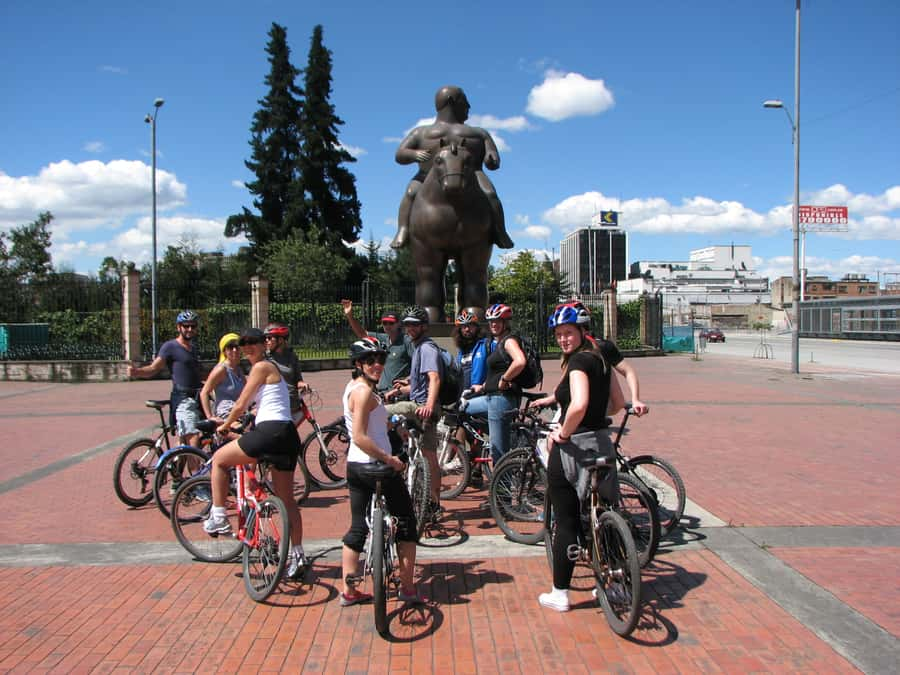
You move slowly enough to notice painted walls, storefronts, parks, and local streets, yet quickly enough to reach parts of the city that would take too long on foot. The route may include the historic center, plazas, parks, the bullfighting stadium, the Central Cemetery, and neighborhoods outside the usual sightseeing loop.
I like the way the ride keeps changing character. One stop may focus on architecture or politics. The next may be about food, coffee, class, art, or daily life. It is not a polished parade of major monuments. It is an active look at how the city fits together.
The exact route is not fixed. Weather, road conditions, public events, and the day of the week can alter the plan. That flexibility is useful in a city where road closures and public activity can change the feel of a neighborhood. It also means you should not book this expecting a precise checklist of sights.
More City Tours in Bogota
- Bogotá: Private City Tour, Monserrate, Emerald and Botero
★ 4.9 · 798 reviews - Bogotá City Tour with Monserrate, Gold and Botero Museums
★ 4.9 · 584 reviews - 3-in-1 Panoramic city tour Bogotá-beyond the traditional
★ 4.4 · 248 reviews
Starting in La Candelaria
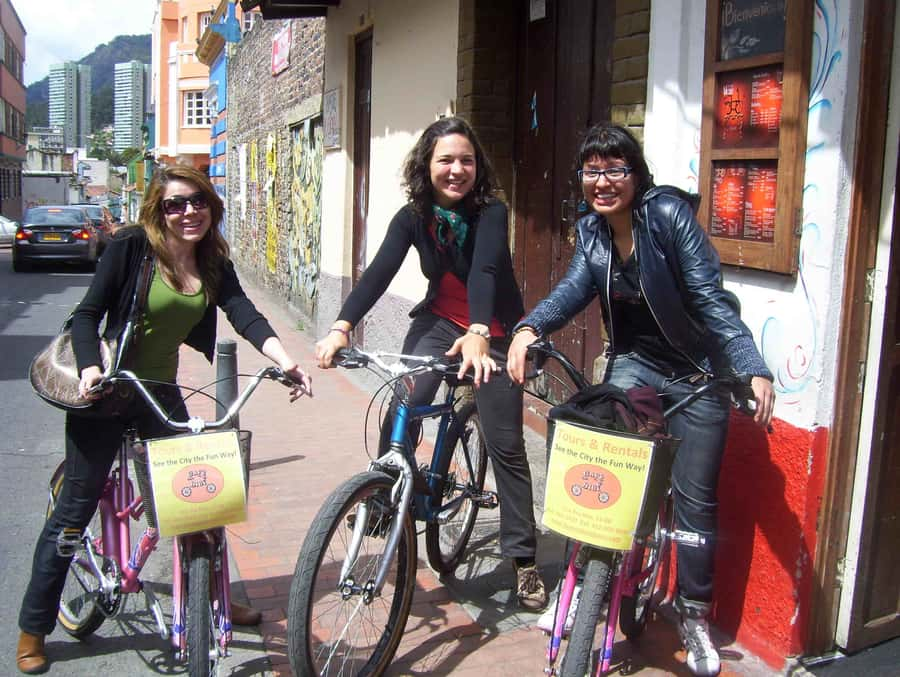
You meet at Carrera 3 No. 12-42 in La Candelaria, Bogotá. This historic district is a practical starting point because it puts you near old streets, plazas, murals, and many of the city’s familiar landmarks.
The staff provide a bicycle and helmet, then the bilingual guide explains the day’s ride. Guides vary, but the operation has included people such as Mike, Manuel, Lina, Daniel, Omar, Luis Carlos, Adrien, and David. That matters because the personality of the guide shapes the experience. Mike is described as entertaining and full of personal stories, while David has also worked as a street artist and can add an artist’s view to the city’s murals.
You should expect the guide to talk while stopped rather than while riding. That makes the information easier to follow and lets you look around without trying to listen over traffic. The frequent breaks also keep the ride from becoming a long, tiring push through the city.
The fruit market is the star stop
The traditional market is the most distinctive part of the tour. Instead of simply walking past stalls, you get to taste a broad selection of local and exotic fruits. The guide usually cuts and serves the fruit as you move from stall to stall, so the stop becomes both a snack and a lesson in Colombian agriculture.
This is where the tour feels most connected to everyday Bogotá. You see how produce is displayed, meet vendors, and try fruit that can be difficult to find outside Colombia. Some rides include a surprisingly large number of samples, so arrive ready for more than one quick bite.
I would treat this as a guided tasting, not a formal meal. The activity description does not promise lunch, and the length of the tasting can vary. If you have allergies or strong food restrictions, tell the guide before accepting samples. One family also found the way leftover fruit was handled a little awkward, so basic market manners matter: take only what you plan to eat.
The market stop works well because it engages more than your eyes. You taste, smell, listen, and ask questions. That gives you a clearer sense of Colombia’s climate and farming regions than a short explanation beside a monument.
Coffee roasted in the traditional way
A stop at a traditional coffee roaster adds another useful layer. Colombia is famous for coffee, but buying a packaged bag does not tell you much about how the drink reaches your cup. Here, you get to see a local coffee business and taste coffee as part of the city’s daily rhythm.
The experience may include a tasting of local coffee and, depending on the guide and venue, additional flavors or preparation styles. One ride included home-style coffee with cardamom and anise, but you should not assume that exact drink will be served every time.
I like this stop because it avoids treating Colombian coffee as a souvenir only. You get a small look at production, flavor, and local habits. It also gives your legs a welcome rest after the market and city riding.
A few more Bogota half-days worth weighing up
- Zipaquirá: Salt Cathedral Group Tour with Pickup
★ 4.8 · 1,606 reviews - Bogotá: Guided La Candelaria Walking Tour
★ 4.8 · 1,229 reviews - Bogotá´s Barrios: El Paraíso Favela Tour with Cable Car
★ 4.8 · 731 reviews - Bogota: Guatavita and Salt Cathedral Daily Group Tour
★ 4.7 · 615 reviews
Street art with a local point of view
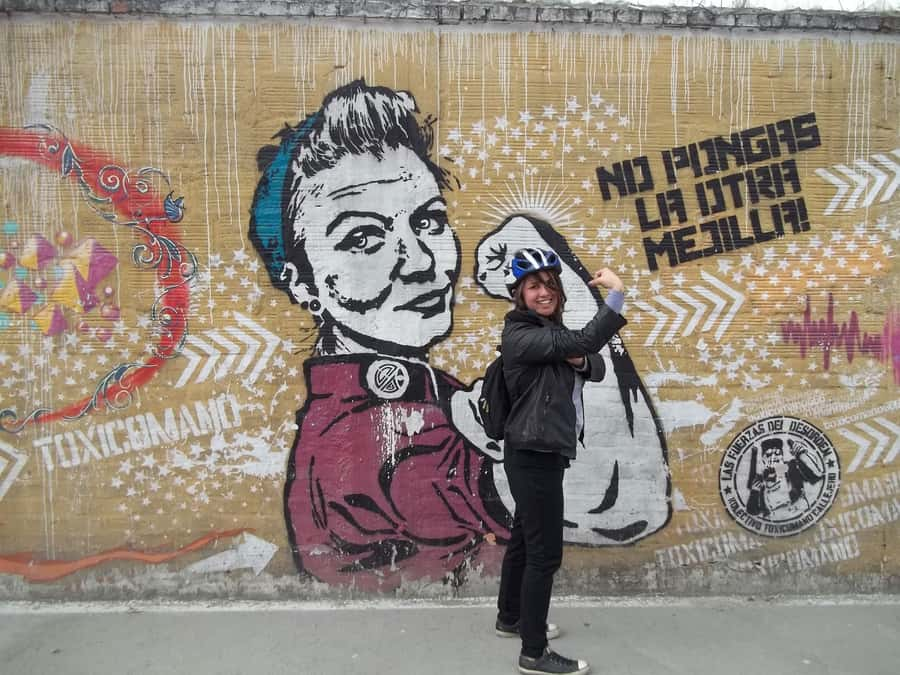
Bogotá’s street art is not limited to one mural alley. Painted walls appear across the neighborhoods, and the route uses them as places to talk about politics, identity, social change, and the city’s creative life.
The quality of this stop depends heavily on your guide. David, for example, is an active street artist and has taken groups to his studio. That is an unusual bonus, but it is guide-dependent and should not be treated as a guaranteed part of every departure.
Even without a studio visit, the art gives you a reason to slow down and look closely. You may hear why a piece matters, how artists use public walls, or how different parts of Bogotá tell different stories through color and images. The route is not just a photo hunt. It uses the murals to explain the people and concerns behind them.
Playing tejo, Colombia’s noisy national sport
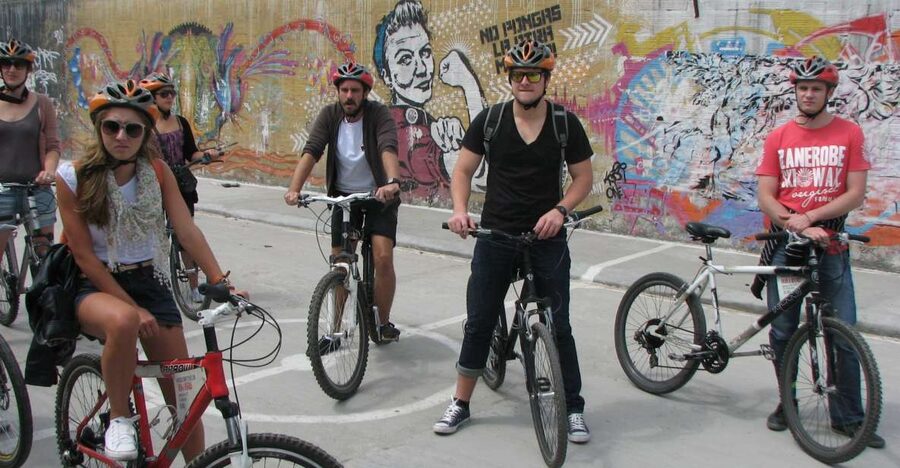
Tejo is one of the tour’s most memorable surprises. Colombia’s national sport involves throwing a heavy metal disc toward a target, traditionally with small explosive charges that make a sharp bang when hit.
The activity gives the ride a playful break from sightseeing. You do not need to be an expert, and the point is less about winning than taking part in something strongly tied to Colombian culture. It is also a good way to meet the rest of your group, since everyone gets a chance to try.
The timing and exact format can vary with the route. Some departures place more emphasis on art, while others spend more time on food, coffee, or tejo. Think of it as one part of an eclectic city day rather than a standalone sports lesson.
Historic sites, plazas, and neighborhoods
The ride can include the bullfighting stadium, the Central Cemetery, the historical center, public plazas, and parks. These places help connect Bogotá’s past with its present without turning the tour into a long classroom lecture.
The Central Cemetery, in particular, offers a different view of the city from the usual church-and-museum circuit. The bullfighting stadium raises questions about tradition, changing values, and public life. Plazas show how people use open space, while neighborhood streets reveal details that disappear from a taxi window.
You may also pass through areas you would not choose on your own, which is one of the strongest reasons to book a guided ride. The route gives you a broad first impression, not a detailed visit to every landmark. If you want to spend an hour inside a museum or church, plan that separately.
What the cycling feels like
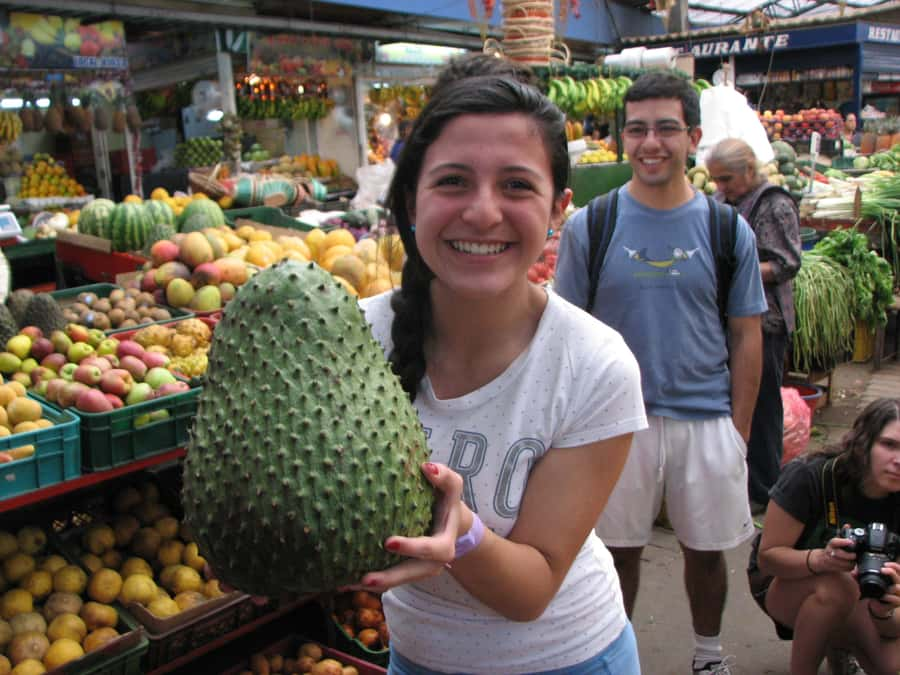
The terrain is mostly flat, and the bikes have enough gears to keep the ride manageable. Frequent stops prevent the outing from becoming a nonstop workout. Still, four and a half hours in an urban setting is a real physical activity.
You should be comfortable starting, stopping, steering, and riding near other people. Bogotá cycling can feel energetic and informal. One participant found the traffic style challenging and felt the cyclists did not always follow lane directions or traffic rules. That is the clearest practical warning in the available feedback.
The strongest safety comments focus on the support staff. On some departures, an assistant or mechanic stays near the back, watches the group, helps secure bicycles during stops, and deals with mechanical problems. Manuel and Omar were specifically praised for paying close attention to safety and bike issues. This support is valuable, but you should still ride defensively and follow the guide’s instructions.
If you are uneasy on a bicycle, this is not the place to learn from scratch. People with mobility impairments and wheelchair users cannot take part. For confident casual cyclists, the flat route and regular breaks make it far more approachable than a hill ride.
Weather, timing, and what to wear
The tour runs rain or shine. Bogotá weather can change, so bring clothing suited to the forecast rather than relying on a perfect morning. A light waterproof layer is sensible, and comfortable clothes make the long ride easier.
One group completed the tour in very heavy rain and found the provided ponchos useful, but ponchos are not listed as a standard inclusion. I would pack your own rain protection instead of counting on one being available.
Sunday may be the most relaxed day for cycling because some roads close to motor traffic. That can reduce stress and give you more room on the streets. It does not guarantee a quiet route, and special events may change the plan, but it is a useful scheduling tip if your itinerary is flexible.
Bring enough water for an active half-day. The information provided confirms fruit and coffee stops, not a full meal or unlimited drinks. You should also use sunscreen and keep small personal items secure, as you would on any city ride.
What you get for $19
At $19 per person, this is unusually strong value. The price includes the bicycle, helmet, and bilingual English-Spanish guide. You also get several distinct activities in one outing: city riding, market tasting, coffee, street art, historic areas, and possibly tejo.
The real value is the amount of orientation you receive in a short time. If you have only one day in Bogotá, the tour can show you the city’s shape and give you ideas for where to return later. If you have several days, it can help you decide which neighborhoods, markets, or cultural sites deserve more time.
The low price does come with limits. It is not a private tour, the route changes, insurance is not included, and the city environment is not fully controlled. You are paying for access, local interpretation, equipment, and a lively overview, not a slow luxury excursion.
Free cancellation is available up to 24 hours before the start, and you can reserve now and pay later. Those terms are helpful if your Bogotá plans are still shifting.
Which kind of visitor will enjoy it most
I would recommend this to a first-time visitor who wants more than the standard La Candelaria walk. It is especially good if you enjoy food, public art, local customs, and active sightseeing in the same outing.
It also suits solo visitors and couples because the stops create easy chances to meet other people. Families with older children may enjoy the fruit tasting and tejo, provided everyone can ride confidently in city traffic.
I would hesitate to recommend it if you dislike cycling near cars, need a fully accessible activity, or want a tightly controlled timetable. It is also not the best choice for someone seeking a detailed museum tour. The strength is variety and movement, not depth at one single site.
Should you book the Bogotá Bicycle City Tour?
For most active visitors, yes. At $19, the tour gives you a broad, practical introduction to Bogotá with genuine local touches. The fruit market is the standout stop, while coffee, tejo, street art, and neighborhood riding keep the day from feeling repetitive.
Book it early in your Bogotá stay if you can. The history, city context, and guide’s suggestions will make the rest of your time easier to plan. Choose a Sunday if road closures appeal to you, dress for rain or shine, and be honest about your cycling confidence.
If traffic makes you nervous, choose a walking or vehicle-based tour instead. If you are comfortable on a bike and want to see how Bogotá feels beyond its famous center, this is an inexpensive and unusually full half-day.
FAQ
How long does the Bogotá Bicycle City Tour last?
The stated duration is 270 minutes, or about 4.5 hours. The route includes frequent stops, so you are not cycling continuously for the entire period.
Where does the tour meet?
Meet at Carrera 3 No. 12-42 in La Candelaria, Bogotá.
What is included in the price?
The tour includes a bicycle, helmet, and bilingual English-Spanish guide.
Is the tour available in English?
Yes. The live tour guide speaks English and Spanish.
Does the tour run if it rains?
Yes. The tour takes place rain or shine, so bring weather-appropriate clothing and rain protection.
Is the route difficult?
The terrain is mostly flat and includes plenty of stops, but you should expect urban traffic and a decent level of exercise. You need to be comfortable riding a bicycle in a city.
Can wheelchair users or people with mobility impairments join?
No. The activity is not suitable for wheelchair users or people with mobility impairments.
Can I cancel my booking?
Yes. You can cancel up to 24 hours in advance for a full refund. You can also reserve now and pay later.
Just added around Bogota
- Zipaquirá: Private tour to the Salt Cathedral, Colombia’s first wonder★ 4.9 · 33 reviews
- Zipaquira: 5 hrs Salt Cathedral Tour★ 4.4 · 9 reviews
- Wonders of Salt: Colombia’s Underground Cathedral★ 5.0 · 18 reviews
- Zipaquirá Salt Cathedral & Andrés Carne de Res (Chía)★ 4.6 · 30 reviews
- Zipaquirá: Private Salt Cathedral Mine and Walking Tour★ 4.8 · 3 reviews
- Villa de Leyva Trip by Private Transportation★ 4.8 · 27 reviews
- Wonderful tour of Villa de Leyva, and Zipaquira Salt Cathedral.★ 4.5 · 34 reviews
- Private Zipaquira Salt Cathedral and Guatavita Lagoon Tour from Bogota★ 4.5 · 44 reviews
City Tours, compared.
Private City Tour, Monserrate, Emerald and Botero
Read our review →
City Sightseeing Hop-On Hop-Off Bus Tour & Extras
Read our review →
Bogotá City Tour with Monserrate, Gold and Botero Museums
Read our review →
BILINGUAL CITYTOUR + SAN FELIPE CASTLE & Old city
Read our review →
Private City Tour with Metrocable and Comuna 13
Read our review →
Browse the lists this tour appears in