
Reviewed · WALKING TOURS
Santa Marta: Guided Walking Food Experience
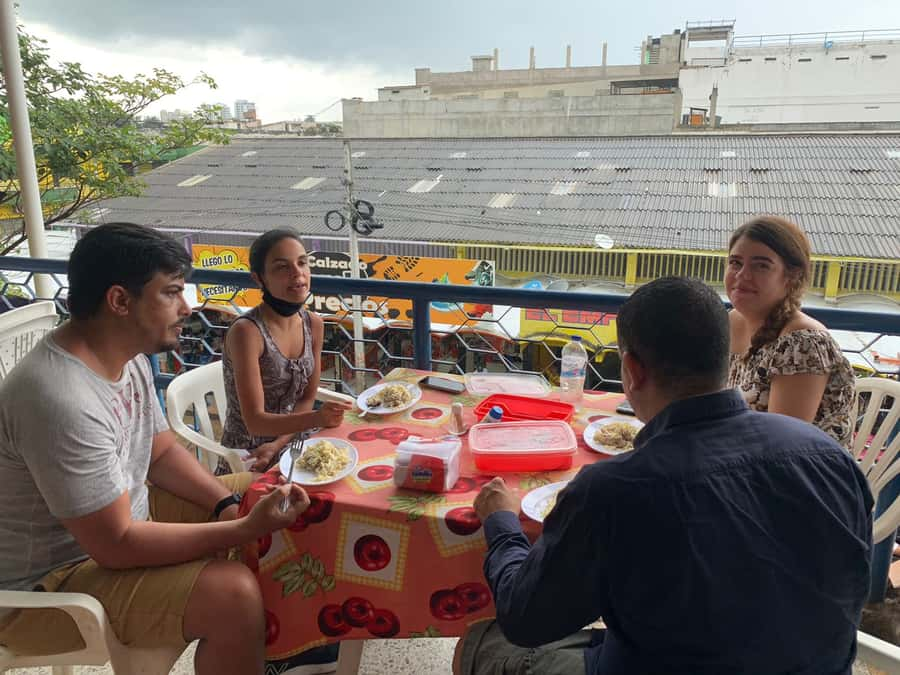
Santa Marta’s best introduction may come one bite at a time. This four-hour walk links the public market, Catedral de Santa Marta, Bahia de Santa Marta, Parque de Los Novios, family-run food shops, and a local arepa kiosk where you make an arepa de huevo yourself. Along the way, you taste the Caribbean rather than simply look at it.
I like the mix of seven food stops and local history. You get fruit, juices, coffee, cayeye, arepas, and other regional dishes while learning how the old center fits together. I also like that guides such as Alberto, Alvaro, and Javier bring different personal knowledge of the city, with one guide even focusing on the story of Simon Bovier.
The main catch is simple: this is a serious amount of food on foot, often in the heat, and the final stop may require a longer walk. Bring comfortable shoes, sunscreen, and water. If you are vegetarian or vegan, the food can be adapted, but tell the operator in advance.
Key points at a glance
- Seven stops in one afternoon: Sample food and drinks at a mix of markets, family businesses, cafés, and kiosks.
- Hands-on arepa de huevo making: You do more than taste this Colombian specialty, you help prepare it at a local arepa stand.
- Santa Marta beyond the postcard: The route includes the public market, cathedral, bay, and Parque de Los Novios.
- Coffee with a local focus: Meet professional baristas and try coffee or tea at a leading coffee shop in the area.
- A full meal disguised as a walking tour: Fruit, snacks, cayeye, juices, coffee, and other dishes can add up quickly.
- Useful flexibility: English and Spanish tours are available, with vegetarian, vegan, and wheelchair-accessible arrangements listed.
Why food is the right way into Santa Marta
Santa Marta sits on Colombia’s Caribbean coast, and its food reflects the meeting of coastal produce, tropical fruit, corn-based cooking, coffee culture, and family recipes. A short food walk gives you a better feel for daily life than a string of monuments alone.
You will still see important city sights. The difference is that the cathedral, bay, market, and central squares become part of a story about what people eat, sell, prepare, and share.
I like this format for a first afternoon in town. You can learn which foods are worth seeking out later, ask questions about ingredients, and get a sense of how the historic center works before exploring it on your own.
The tour visits seven venues, so expect variety rather than one long sit-down meal. Some stops may be quick tastes, while others give you more time with a dish or drink. The result is closer to a progressive meal than a standard sightseeing walk.
More walking tours in Santa Marta:
- A Pearl In The Caribbean-walking tour in English
★ 5.0 · 71 reviews - Cartagena: Historic Center and Getsemaní Shared Walking Tour
★ 4.9 · 2,716 reviews - Bogotá: Guided La Candelaria Walking Tour
★ 4.8 · 1,229 reviews
Starting at the public market
The public market is likely to be one of the most revealing parts of the route. Markets show you the practical side of a city: the ingredients people buy, the fruits that are in season, and the small food businesses that serve local customers.
Your guide can help turn unfamiliar produce into something approachable. You may taste fruit or snacks you would not have ordered by yourself, which is one of the strongest reasons to book a guided food experience instead of simply walking through the market alone.
This is also where a local guide matters. Alberto is from Santa Marta and knows many corners of the city, while Alvaro has led walks that combine market visits with food, culture, and local history. The guide is not just handing you a sample. The useful part is learning what it is, how it is eaten, and why it belongs in the region’s everyday cooking.
Market conditions can be warm and active, so dress for comfort rather than style. Comfortable shoes and sunscreen are practical essentials, not afterthoughts.
Catedral de Santa Marta and the old center
The Catedral de Santa Marta gives the walk a change of pace. After market food and tropical produce, you get a landmark that helps explain the city’s long public life.
You should not expect a long formal museum lecture here. The tour uses the cathedral and nearby streets as part of a walking story, connecting Santa Marta’s buildings and public spaces to the people who have shaped the city.
That approach suits you if you want context without spending an entire afternoon indoors. Javier, one of the named guides, is described as a patient narrator, and his focus on Santa Marta’s past, including the story of Simon Bovier, shows the kind of detail that can make a walking route more memorable.
The historical portion also gives your appetite a short break. Four hours is long enough to cover plenty of ground, but the food remains the main event.
Bahia de Santa Marta and Parque de Los Novios
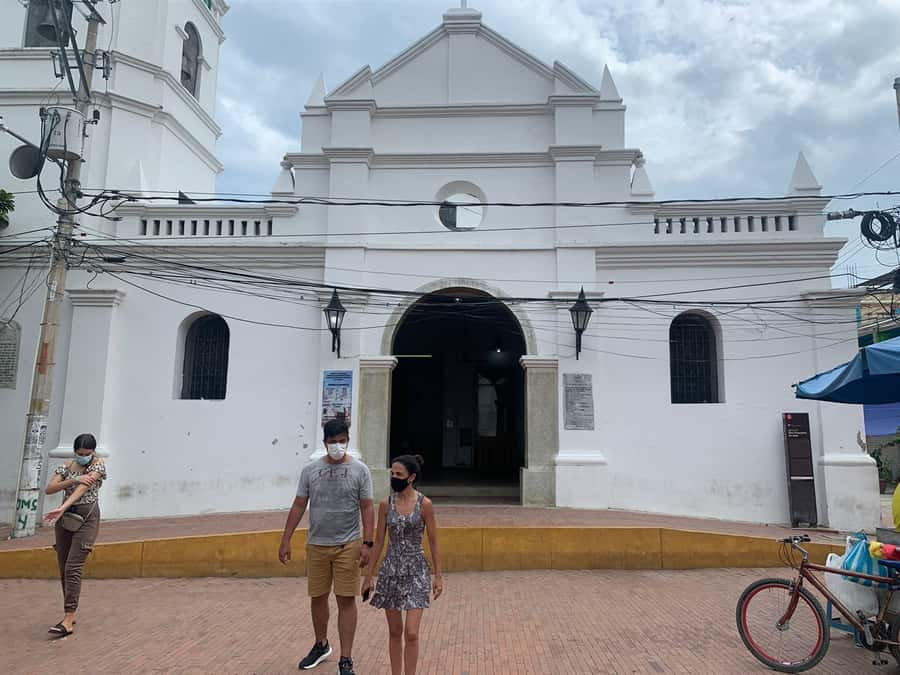
The route continues through Bahia de Santa Marta and Parque de Los Novios, two central places that help you understand the city’s public life. These stops are useful because they break up the eating with open-air sightseeing.
Bahia de Santa Marta adds a coastal view and a sense of place. Parque de Los Novios brings you back into the social center, where the city’s restaurants, cafés, and evening activity gather.
I like this combination because the tour does not trap you inside restaurants. You walk between stops, see how the central district connects, and get a clearer picture of Santa Marta than you would from a single food address.
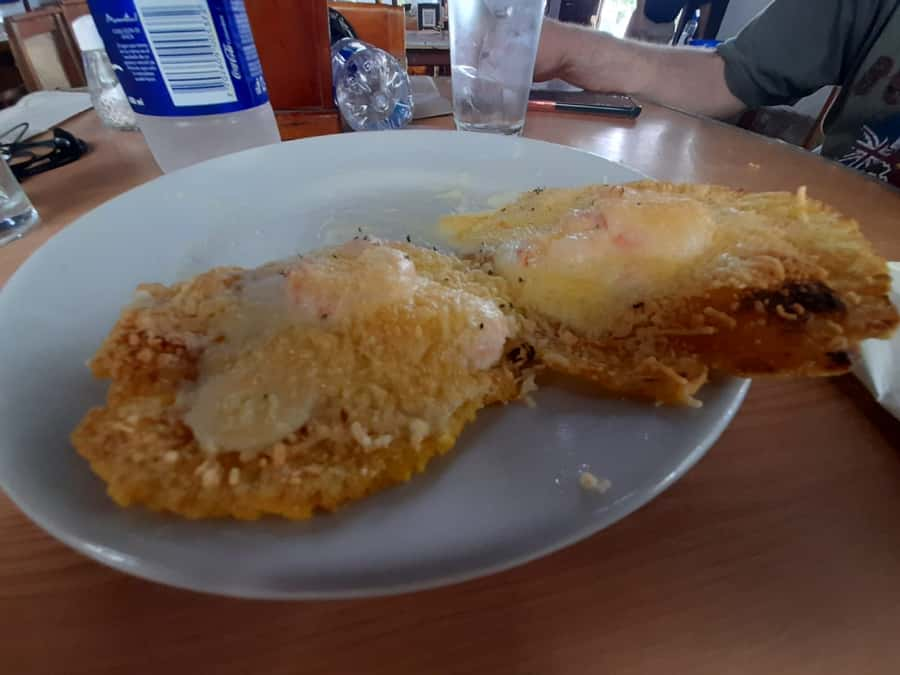
The walk is also the reason to think about your pace. One booking found the route to the final patacones stop longer than necessary. That does not make the route a poor choice, but it is a fair warning if you dislike extended walks between tastings or have limited energy in hot weather.
A few more Santa Marta half-days worth weighing up
- Santa Marta A Historical & Street food Experience
★ 4.7 · 41 reviews - Dinner cruise on Cartagena’s bay with Sibarita Master
★ 4.5 · 297 reviews - Medellín: Spa Experience with Dinner, Massage and Sauna
★ 4.9 · 15 reviews - Fenix Beach Island Dinner
★ 3.4 · 5 reviews
The family businesses and Caribbean plates
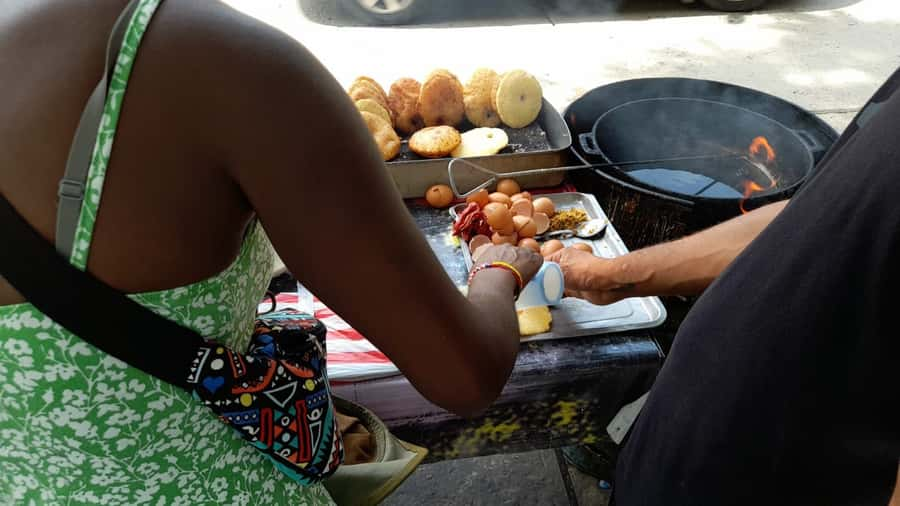
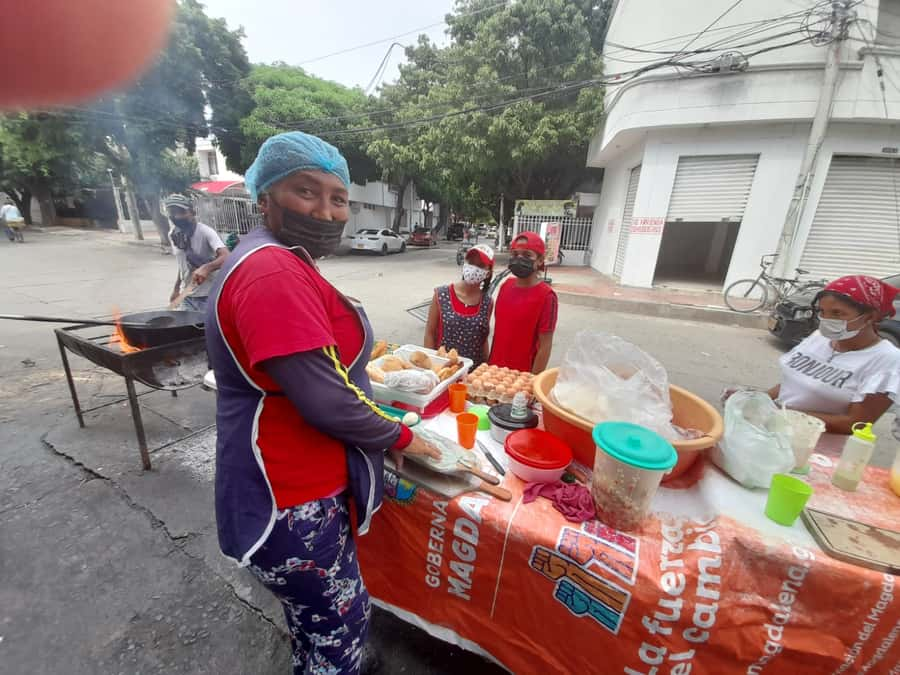
Several stops take you to family-owned businesses. This is where the experience feels most personal. Instead of tasting only polished restaurant versions, you get food prepared in the kind of small local setting that gives regional cooking its daily character.
Cayeye is one of the important dishes to expect. Made with green plantain, it belongs to the Caribbean cooking tradition and gives you a taste of a filling local staple rather than a light snack.
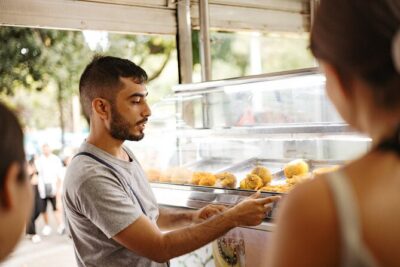
Arepas de huevo are another highlight. These are corn cakes with egg inside, and the preparation is part of the fun. At a local arepa kiosk, you get to make one yourself, which turns a familiar food into a hands-on lesson.
You may also try patacones, fruit, fresh juice, and other snacks. The exact balance can vary, but you should arrive hungry. One person who usually finishes every course found the final meal too much and took it home.
That is useful advice: do not eat a large lunch before this tour. The experience includes enough food and drink to function as a substantial meal, even though the listing calls some items snacks.
Coffee with Santa Marta baristas
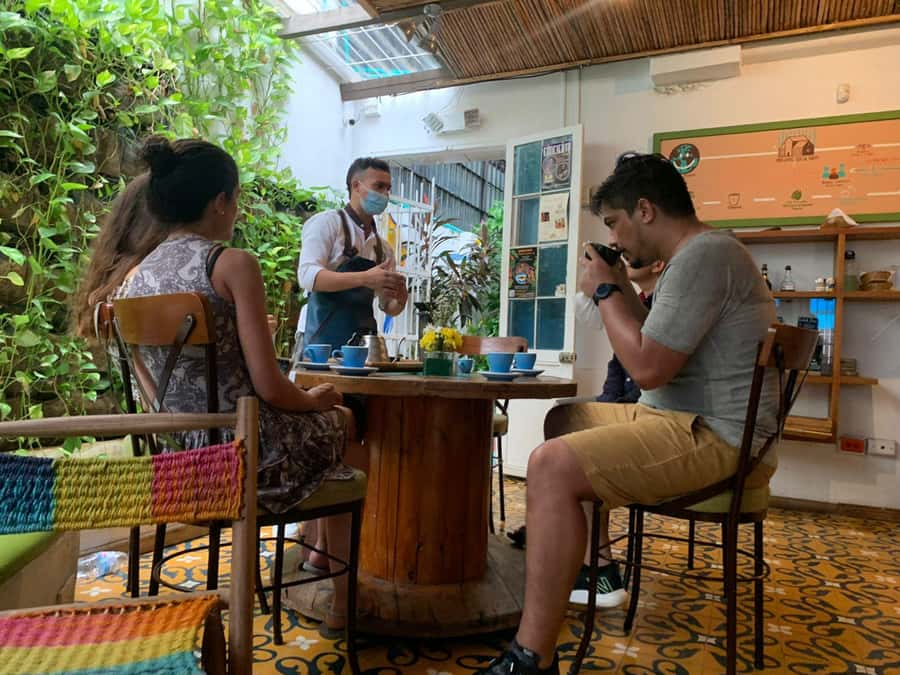
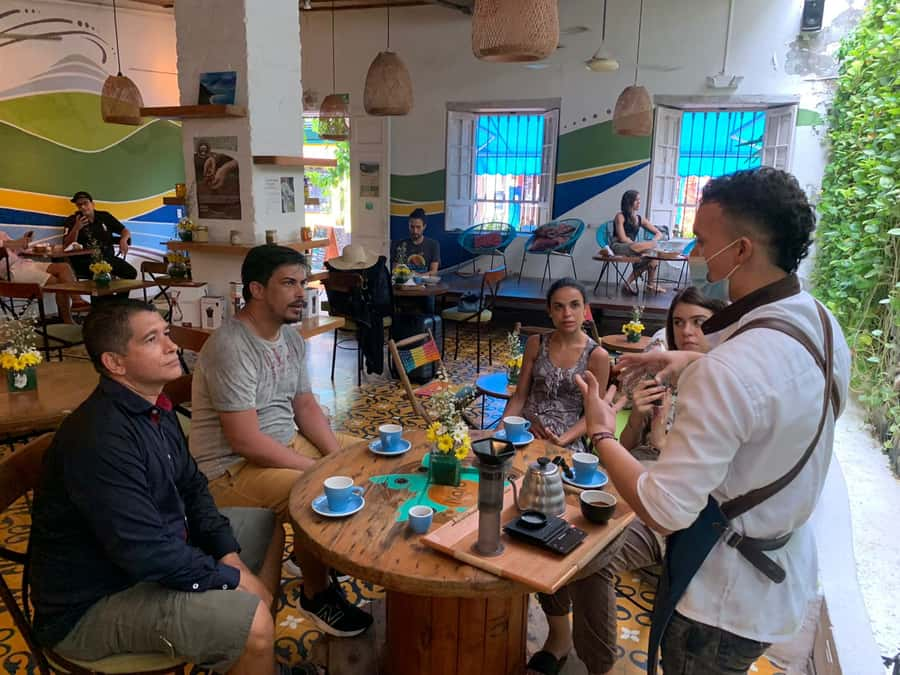
Coffee is not an afterthought here. The route includes a visit to a highly regarded coffee shop and a chance to meet professional baristas in the area.
This stop adds a welcome change from fried or starchy foods. You may have coffee or tea, and the guide can explain the drink in the context of Colombian food culture rather than treating it as a generic café break.
I like the contrast. The market and kiosks show casual local eating, while the coffee shop offers a more focused look at preparation and service. It also gives you a quieter point in the afternoon before the route moves back to larger dishes.
Coffee preferences vary, so this part will appeal most if you enjoy learning how local cafés work. If you do not drink coffee, tea is included as an option.
Fruit, juice, and the value of seven tastings
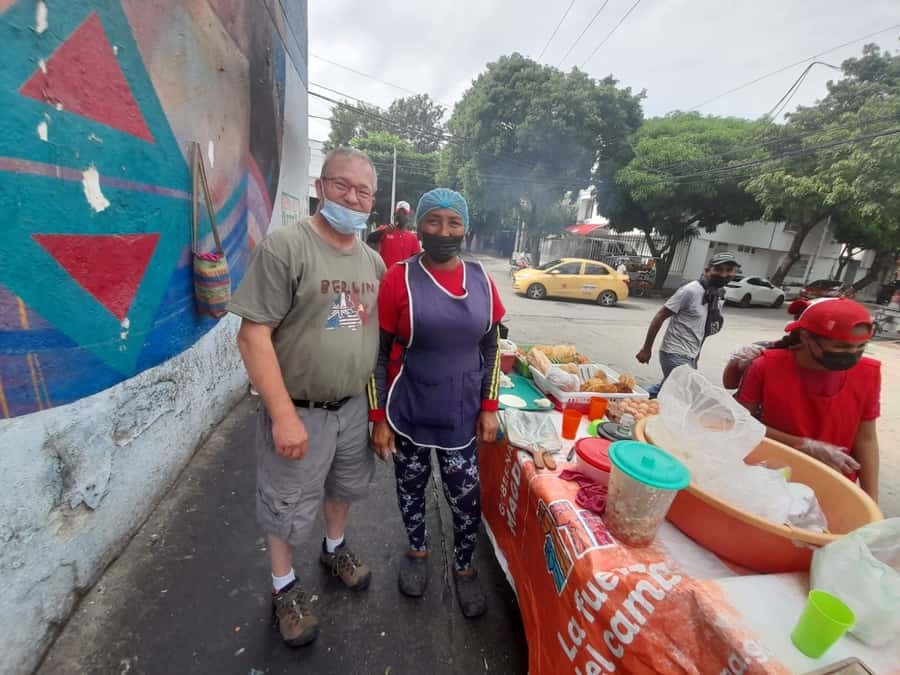
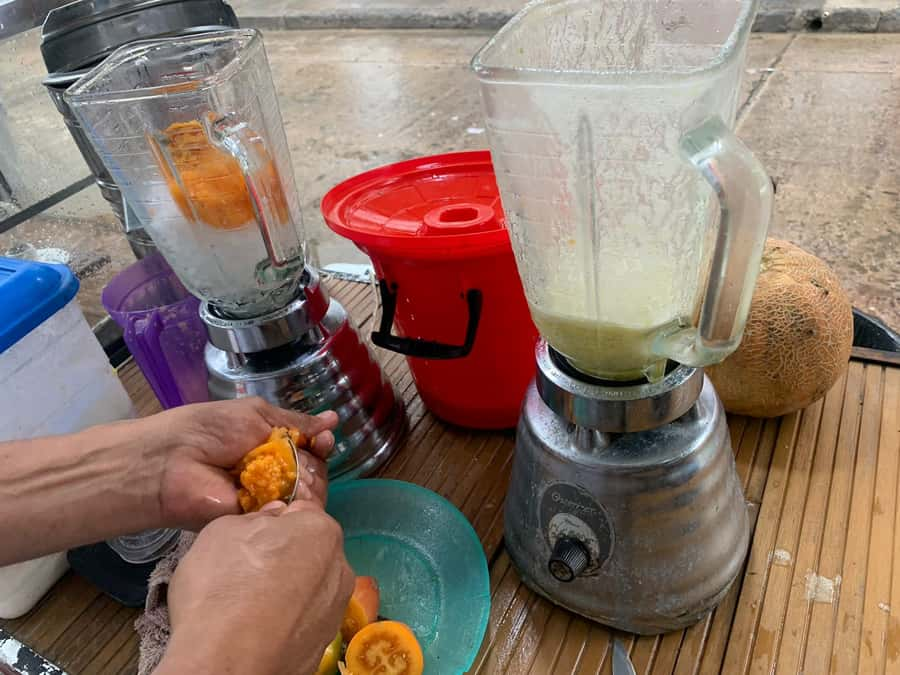
Fresh juice and fruit help give the tour its Caribbean character. They also keep the meal from becoming a parade of heavy dishes.
The food range is one of the strongest features. In four hours, you may move from fruit and juice to arepas, cayeye, patacones, coffee, and other local specialties. That makes it easier to find something you like, and it lets you compare textures and flavors instead of betting your whole meal on one unfamiliar dish.
At $54 per person, the value depends on how much you want from a guide-led experience. You are paying for seven stops, a full set of tastings, drinks, the arepa activity, local interpretation, and the convenience of having the route organized for you.
If you only want a cheap snack, the price is high. If you want a four-hour introduction to Santa Marta’s food and central sights, the calculation looks better. Buying each item separately would not give you the same sequence, explanations, or guided access to family-owned businesses.
Alcohol is not included. Beer and other alcoholic drinks cost extra, so budget accordingly if you want one with your food.
What the four hours feel like
This is not a hop-on, hop-off sightseeing tour with long breaks. You spend most of the four hours moving through the center, tasting, listening, and stopping at different businesses.
The pace should suit someone who enjoys variety. You will not spend long enough at any one place to become bored, but you also will not have unlimited time at each stop. The guide has to keep the group moving so seven venues fit into one afternoon.
The walking distance matters. Santa Marta can be hot, and the route takes place rain or shine. Wear shoes that can handle several hours on city streets, apply sunscreen, and bring an umbrella if rain is possible.
The tour includes bottled water, though the practical information also advises you to bring water. I would follow that advice and carry your own supply rather than depend only on what is handed out during the route.
Guides, language, and group fit
The tour is offered in English or Spanish. That makes it a useful choice if you want food explanations and historical context rather than trying to decode menus on your own.
Named guides connected with the experience include Alberto, Alvaro, and Javier. Alberto is from Santa Marta and knows the city’s corners. Alvaro has led food walks that cover market produce, local culture, and a large number of tastings. Javier brings a patient storytelling style and can add historical details to the route.
The exact guide may vary, so do not book based on one person alone. The important point is that the tour uses local guides who can connect the food to Santa Marta.
This suits solo visitors, couples, and small groups who want a first look at the city. It also works well for people who like to try food outside their comfort zone but want someone to explain what is being served.
It is less suitable if you want a slow, formal meal, dislike walking in heat, or prefer to choose every dish yourself.
Dietary needs and accessibility
Vegetarian and vegan preferences can be accommodated. Tell the operator about your needs before the tour so the food stops can be handled properly.
Wheelchair access is listed for the activity. Since the route includes a public market, streets, family businesses, and kiosks, it is sensible to confirm any specific mobility needs when booking. The activity is described as wheelchair accessible, but individual venue layouts can still matter.
The tour takes place in all weather. Rain does not automatically cancel it, so bring an umbrella and plan for wet conditions. Sunscreen is just as important on a cloudy Caribbean afternoon.
Free cancellation is available up to 24 hours before the start for a full refund. You can also reserve now and pay later, which helps if your Santa Marta plans are still shifting.
Who should book this Santa Marta food tour
I would choose this for a first visit to Santa Marta, especially if you want food to guide your sightseeing. The route covers enough landmarks to orient you, while the tastings show how the city eats beyond its main tourist streets.
It is also a good choice for curious eaters. You may try fruit and dishes you would not think to order alone, and the guide gives you a safer way to experiment without wasting a full meal on something you dislike.
Families and mixed-interest groups may find the format useful because it combines history, walking, drinks, and hands-on cooking. The arepa-making stop gives the afternoon a clear activity, not just a series of plates.
I would hesitate if you need a very short route or have trouble handling a large amount of food. The final walk has felt long to at least one person, and the tour’s four-hour length means you should plan around it rather than squeeze it between other fixed appointments.
Should you book it?
Book this experience if you want a generous introduction to Santa Marta through its food, markets, central sights, and local guides. The best reasons are the seven stops, the arepa de huevo activity, the coffee visit, and the chance to taste foods you might otherwise pass by.
Skip it if you want a quiet restaurant meal, a short tasting, or a route with very little walking. At $54, it offers solid value for a full afternoon of food and interpretation, but only if you are ready for the heat, the distance, and the large amount of eating. For most curious first-time visitors, that is a fair trade.
FAQ
How long does the Santa Marta food experience last?
The activity lasts four hours. Starting times vary, so check availability for the date you want.
How much does the experience cost?
The price is $54 per person.
What food and drinks are included?
The experience includes snacks, fresh juice, coffee and/or tea, bottled water, and tastings at seven different venues. Foods listed include arepas de huevo, cayeye, patacones, fruit, and other local specialties.
Is alcohol included?
No. Beer and other alcoholic beverages are not included.
Which languages are available?
The tour is offered in English and Spanish.
Can vegetarians and vegans join?
Yes. Vegetarian and vegan preferences can be accommodated.
Is the tour wheelchair accessible?
Yes. The activity is listed as wheelchair accessible.
What should I bring?
Bring comfortable shoes, sunscreen, and water. Since the tour operates rain or shine, bring an umbrella if rain is possible.
Can I cancel for a refund?
Yes. You can cancel up to 24 hours in advance for a full refund. You can also reserve now and pay later.
More Food & Drink in Santa Marta
- Medellín: Pablo Escobar Tour with beer included
★ 4.7 · 612 reviews - Bogota Food Tour with over 12 Tastings & Tejo
★ 4.9 · 454 reviews - Medellin: Street Food and Poblado Rooftop Tour with a Local
★ 4.8 · 317 reviews - Cartagena: Colombian Specialty Coffee Tasting
★ 4.4 · 130 reviews
More Food Tours in Santa Marta
- Santa Marta Street Food Tour: 7 Tastings with a Local Guide
★ 5.0 · 39 reviews - Medellin: Comuna 13 Graffiti Tour, Cable Car & Street Food
★ 4.8 · 9,046 reviews - Medellín: Comuna 13 True Story and Street Food Tour
★ 4.9 · 1,779 reviews - Cartagena: Guided Street Food Tour with Tastings
★ 4.9 · 833 reviews
Just added around Santa Marta
- Palomino: Palomino River Tubing and Hiking Tour★ 4.6 · 40 reviews
- Los Naranjos Beach Horseback Riding Tayrona Park.★ 5.0 · 32 reviews
- Tayrona Park Hike Tour to Cabo San Juan: Private or Shared★ 4.5 · 44 reviews
- Santa Marta Street Food Tour: 7 Tastings with a Local Guide★ 5.0 · 39 reviews
- TOUR DE 2 DIAS AL CABO DE LA VELA, LA GUAJIRA★ 4.4 · 14 reviews
- Tour en Velero a Bahía Concha Parque Tayrona★ 3.5 · 4 reviews
- Tour to Punta Gallinas with Cabo de la Vela 3 Days★ 3.3 · 4 reviews
- Tayrona Park & Cabo San Juan★ 3.5 · 20 reviews
Walking Tours, compared.
Historic Center and Getsemaní Shared Walking Tour
Read our review →

A Pearl In The Caribbean-walking tour in English
Read our review →
Browse the lists this tour appears in