
Reviewed · SHARED TOURS IN BOGOTá
Shared Tour Colombian Conflict War, Drug Trafficking & Peace
Bogotá’s past is not a tidy museum display. It is written into streets, plazas, political arguments, and the scars left by decades of fighting. This walking tour tackles the difficult story head-on, from the 1948 Bogotazo and the Liberal-Conservative struggle to FARC, drug trafficking, paramilitary groups, and the peace agreement.
I like two things right away. The subject is serious and unusually useful, especially if you want more than Colombia’s familiar food, music, and coffee stories. I also like the focus on real places in the historic center, where the guide connects national events to the city around you. Guides such as Lorenzo, Hector, Santi, and Daniel have each been praised for clear explanations, humor, and thoughtful answers.
The main drawback is the pace. You may walk about 9 kilometers in roughly two and a half to three hours, with stops for discussion. Some people will want more detail on today’s politics, while others may find the history dense. Bring patience, water, and an open mind.
Key points at a glance
- Begin beside the Museo del Oro: The red umbrellas at this central meeting point make the group easy to find.
- Follow the story from independence to peace talks: The route covers the political forces and armed groups that shaped modern Colombia.
- Connect the 1948 Bogotazo to later conflict: The tour explains why the riot became a turning point in the so-called Violence Era.
- Expect a walking class, not a sightseeing loop: You will cover about 9 km, with regular pauses to listen and ask questions.
- Hear an effort at political balance: The guide promises objective treatment rather than support for one side.
- Pay little for a lot of context: At $13 per person, the value is strongest if you want a serious introduction before exploring Colombia further.
Why Bogotá’s conflict story belongs in your first days
Colombia can be easy to misunderstand if you only see its present-day appeal. Bogotá is friendly, creative, and full of good food, yet the country’s political violence shaped daily life for generations. This tour gives you a framework for understanding why the country has carried such a difficult reputation, and why that reputation no longer tells the whole story.
You begin with the independence process and the long contest between Liberals and Conservatives. That rivalry was not just a polite disagreement between political parties. It helped shape institutions, elections, public loyalties, and periods of violence. For a first-time visitor, this background matters because later events can otherwise seem like a list of disconnected names.
The route then moves toward the events that triggered the period commonly called La Violencia. You will hear how political conflict, social division, and the fight for national power fed one another. The goal is not to reduce Colombia’s past to a simple battle between good and bad sides. The useful part is seeing how several pressures combined over time.
More Shared Tours in Bogota
- Zipaquirá: Salt Cathedral Group Tour with Pickup
★ 4.8 · 1,606 reviews - Bogota: Guatavita and Salt Cathedral Daily Group Tour
★ 4.7 · 615 reviews - Shared Tour Zipaquirá Salt Cathedral and Guatavita Lagoon
★ 5.0 · 139 reviews
The Bogotazo and the streets that changed Colombia
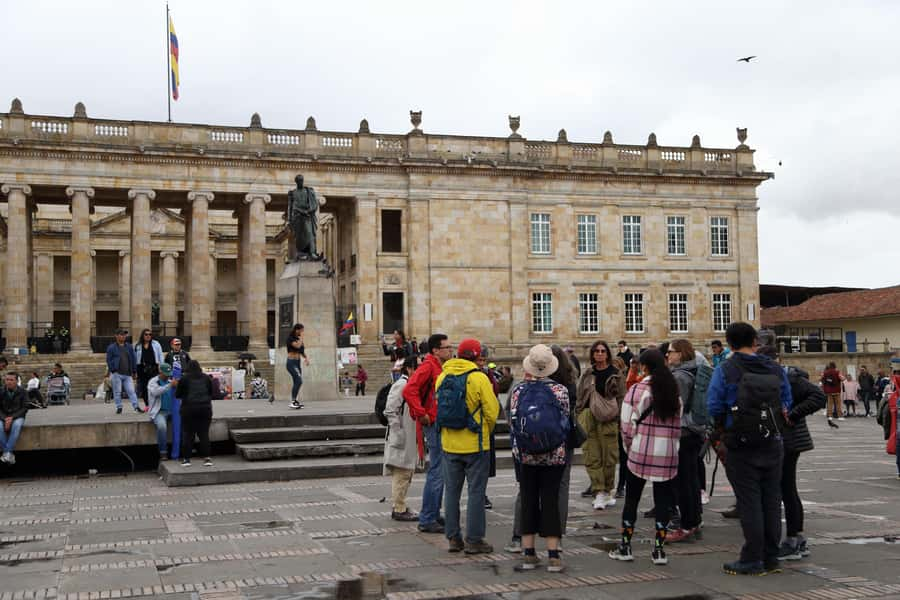
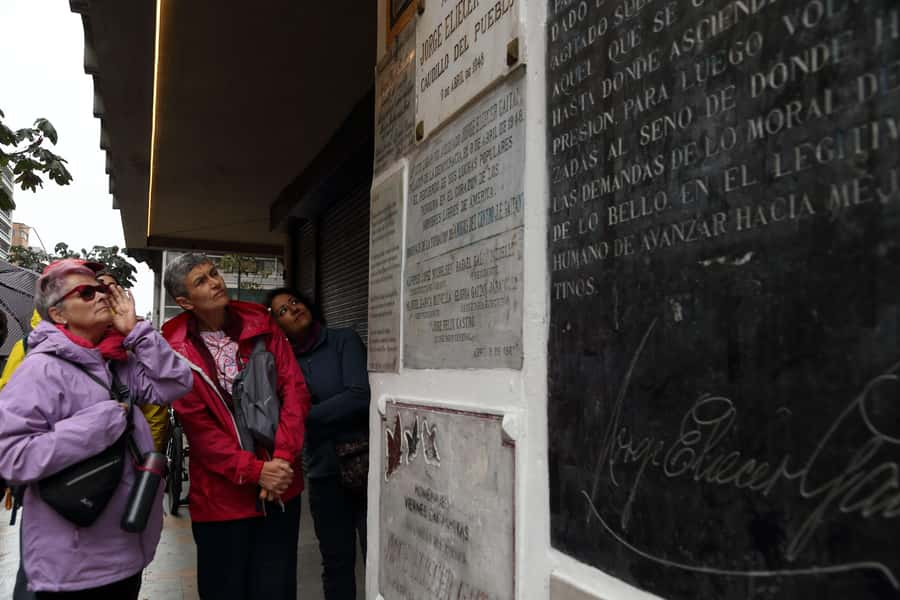
The 1948 Bogotazo is one of the central subjects of the walk. The assassination of Liberal leader Jorge Eliécer Gaitán set off a huge riot in Bogotá, with destruction spreading through the city. The event became a national shock and a key turning point in Colombia’s modern political history.
Standing in the historic center while hearing this story gives the event a physical setting. You are not only memorizing a date. You are considering how a political killing could spark public fury, damage the capital, and deepen a cycle of violence that lasted for years.
The guide also addresses the struggle for Liberal and Conservative supremacy. This is where the tour can be most helpful for people who know little about Colombian politics. You get the basic chain of cause and effect, rather than a collection of difficult surnames and abbreviations.
Still, do not expect a full university course in one afternoon. One three-hour walk can explain the outline, but not every regional difference or political argument. If your main interest is modern Colombian politics, ask questions as you go. One previous participant found the discussion of the current political context less clear than expected, so this is a good area to probe directly.
From military rule to the rise of guerrilla groups
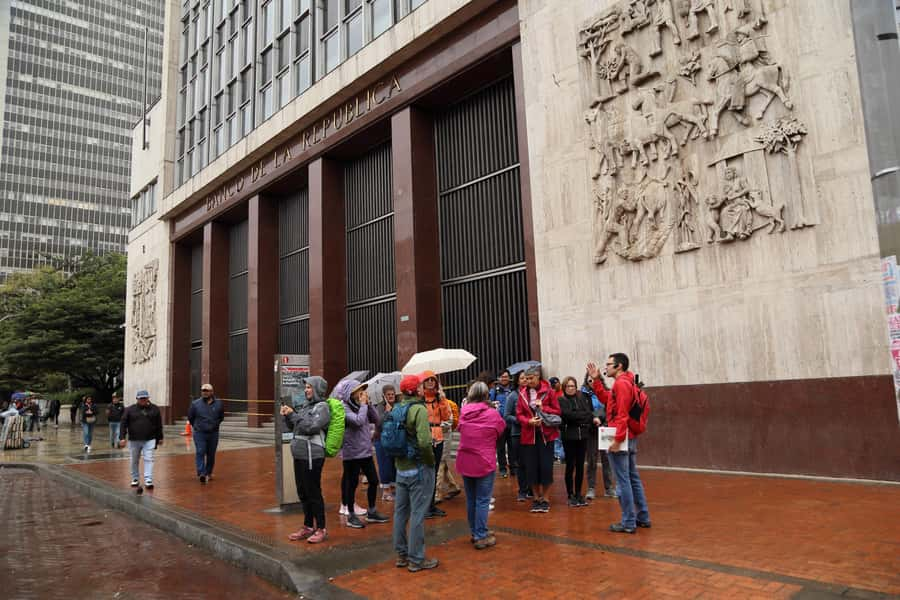
The story continues through the military dictatorship and the creation of armed groups including FARC, ELN, and M-19. The tour presents these groups as part of a wider political and social conflict, not as isolated organizations that appeared without warning.
That distinction is important. You will hear about the reasons behind guerrilla movements, the state’s response, and the way armed struggle became tied to broader disputes over power and representation. The tour also addresses the fighting reasons of present-day guerrilla and paramilitary groups, giving you a starting point for understanding why conflict did not end with one agreement or one military campaign.
I appreciate that the advertised approach is not to take sides. A subject this charged can easily become a political speech. An objective guide should explain the arguments made by different actors while still being clear about the harm caused by war, kidnapping, political violence, and drug trafficking.
Your own questions will shape how much detail you receive. Guides have different styles. Lorenzo has been singled out for bringing people into the discussion with questions and humor. Hector has a reputation for answering questions in a friendly, informed way, while Santi and Daniel have also been praised for clear explanations of a difficult subject. Since this is a shared tour, the group’s curiosity and size can affect the feel of the conversation.
Drug trafficking and the forces behind the war
Drug trafficking is not treated as a separate crime story here. It is placed within the wider conflict, including its ties to armed groups, political power, violence, and national and international efforts to stop the trade.
That connection is one of the strongest reasons to choose this walk. If you visit Colombia after seeing crime dramas or hearing simplified stories about cartels, you may arrive with a narrow picture. This tour helps you place drug trafficking beside the country’s political divisions and armed conflict, rather than treating it as the single cause of every problem.
The guide also discusses the people and forces behind the violence, including guerrillas, paramilitaries, government actors, and outside pressure. You should expect a broad explanation rather than a detailed case study of every cartel or region. The benefit is range: independence, party rivalry, dictatorship, armed groups, drugs, and peace talks all appear in one connected account.
The subject can be emotionally heavy. The tour is not designed as light entertainment, and that is worth knowing before you book. Come ready to listen carefully. An open mind is specifically important because the history does not fit neatly into a comfortable story.
A few more Bogota half-days worth weighing up
- Bogota: Bicycle City Tour
★ 4.9 · 2,156 reviews - Bogotá: Guided La Candelaria Walking Tour
★ 4.8 · 1,229 reviews - Bogotá: Private City Tour, Monserrate, Emerald and Botero
★ 4.9 · 798 reviews - Bogotá´s Barrios: El Paraíso Favela Tour with Cable Car
★ 4.8 · 731 reviews
The FARC peace agreement and Colombia today
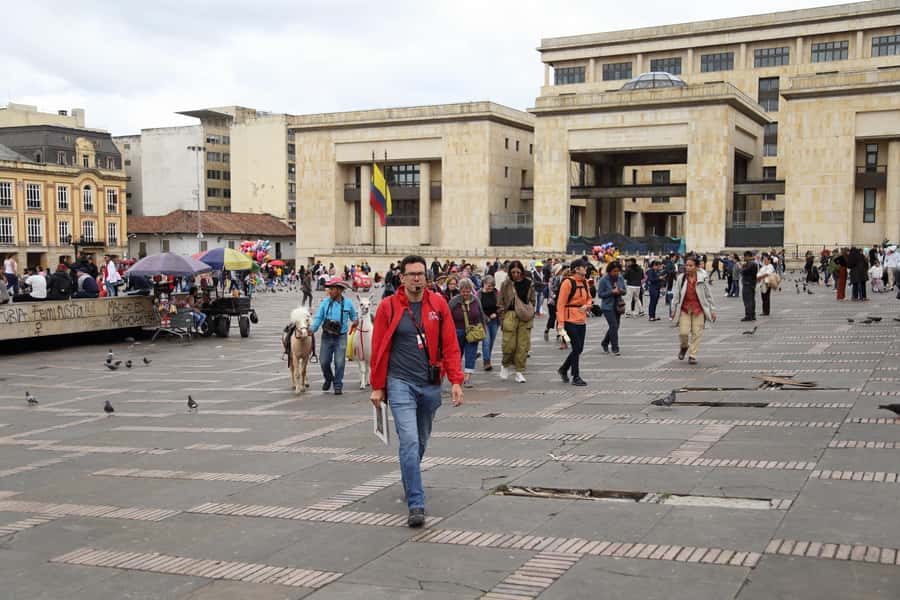
The peace process and the agreement signed with FARC form the most current part of the tour. You will learn how Colombia moved from prolonged armed conflict toward negotiations, and why signing an agreement did not make every problem disappear overnight.
This section matters because peace is still a process, not a clean final chapter. The tour addresses the current political situation and the continued presence of guerrilla and paramilitary groups. It helps you understand why a country can sign a major agreement while still facing questions about security, trust, justice, and political disagreement.
This is also the part where your expectations matter most. A guide can explain the main events and competing positions, but political developments keep changing. One lower-scoring experience specifically pointed to an incomplete explanation of current politics. If you want a precise account of the latest policy debates, use the tour as a starting point and ask for recommended reading afterward. The guides offer material you can consult to keep learning.
The earlier subjects make the peace discussion more useful. By the time you reach it, you have heard about the old Liberal-Conservative struggle, La Violencia, military rule, guerrilla creation, and drug trafficking. The peace process then feels like part of a long chain, not a headline from a distant country.
What the 150-minute walking route feels like
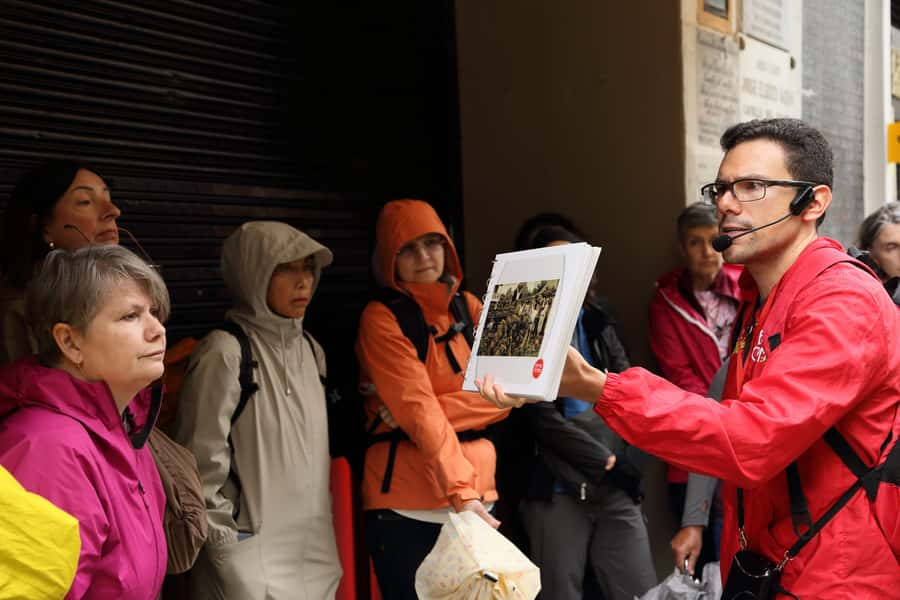
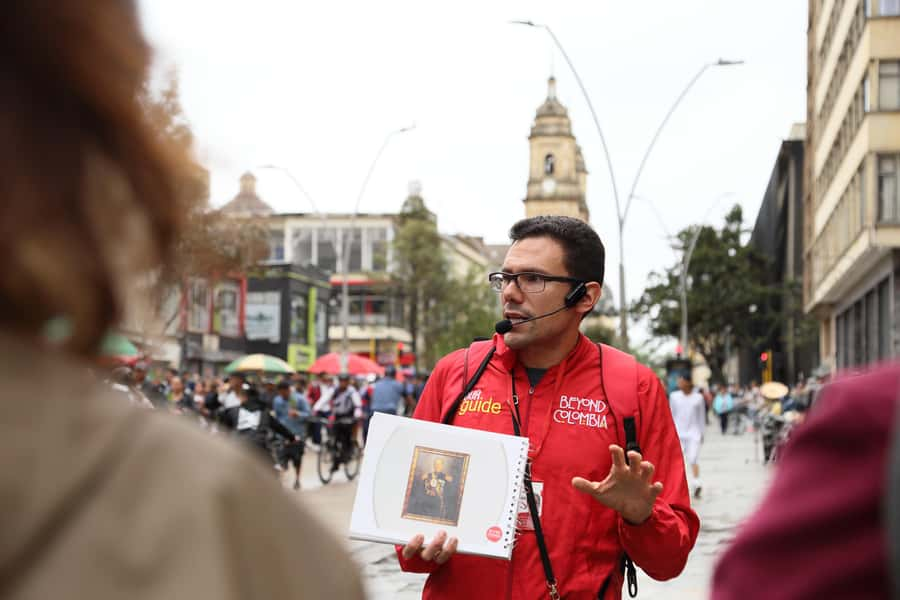
The meeting point is directly in front of the Museo del Oro. Look for the red umbrellas marked Beyond Colombia. This is a sensible place to begin because it is easy to identify and puts you near several important areas of Bogotá’s historic center.
The tour lasts about 150 minutes, although the wider description also calls it approximately three hours. Allow the longer window so you are not rushing to another booking. You will walk and take resting stops, but this is still an active outing rather than a short plaza talk.
The stated distance is about 9 km. That is substantial for an urban history tour. Wear comfortable shoes, drink water, and dress for changing weather. Bogotá can produce rain, so bring a rainproof coat or umbrella. A hat and sunscreen are also useful, and you may want a camera for the places along the way.
Because the tour visits crowded areas, keep your belongings close. The local warning not to give papaya is a reminder to avoid making yourself an easy target. It is practical advice, not a reason to avoid the center.
You will stop to hear the guide explain locations and events, then continue through the historic center. The route is built around context rather than entrance tickets. You will not be taken into attractions that suddenly require extra payment, and food, drinks, and souvenirs are not included.
The $13 price and what you receive
At $13 per person, this is a strong value if you want an informed introduction to Colombian political history. The price includes an English-speaking guide, the walking route, historical explanation, and suggestions for further reading. It also includes a wristband that may provide discounts with recommended local partners.
The low price does not mean a private lesson. This is a shared tour, so you will meet other people and will not have an exclusive guide. That can be a benefit if you like discussion and meeting fellow visitors. It can be a limitation if you want to stop often, control the pace, or ask highly specialized questions.
There are no extra entrance fees on the route, but transportation to and from your hotel is not included. You must reach the Museo del Oro meeting point yourself. Food and drinks are also on you, so carry water for the walk.
The tour has a 4.8 rating from 46 ratings, which fits the strongest pattern in the available feedback: clear historical explanations, friendly guides, and good answers to questions. The important qualification is that guide style can vary, and the modern political section may feel brief if you already know Bogotá well.
Who will get the most from this tour
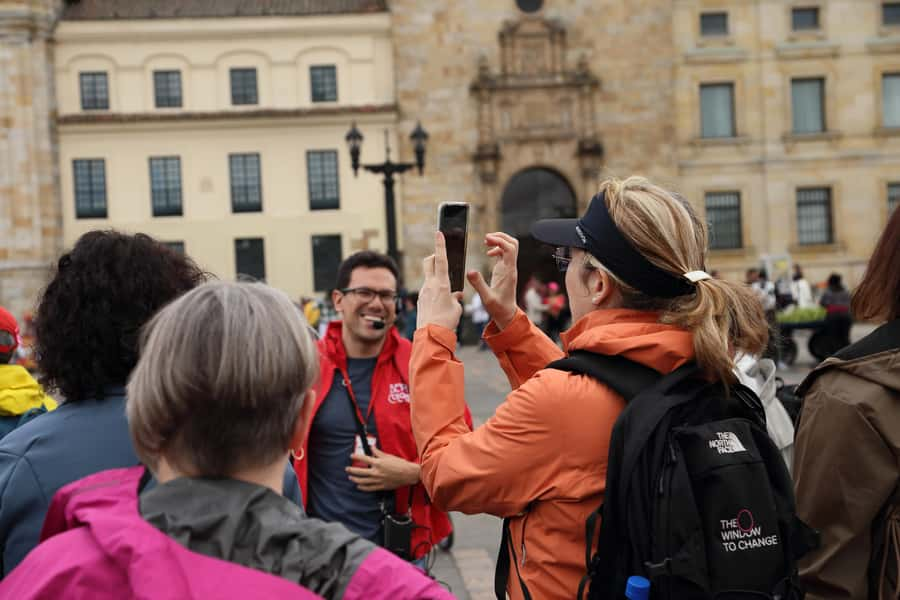
I would choose this walk early in a Bogotá stay if you want to understand the country before visiting more museums, neighborhoods, or regions. It gives you terms and events that make later conversations easier to follow.
It is especially suited to:
- First-time visitors who want political and historical context
- Adults and older teenagers who can follow a serious discussion
- People interested in peace processes, political movements, or Latin American history
- Visitors who prefer walking and conversation to a bus tour
- Anyone who wants to ask questions rather than simply look at monuments
The tour is not suitable for children under five. The long walking distance also makes it a poor fit for anyone with mobility limitations. The information is inconsistent about accessibility: one section says wheelchair accessible, while the suitability information says wheelchair users and people with mobility impairments should not take it. Contact the provider before booking if this affects you.
How to prepare for a better experience
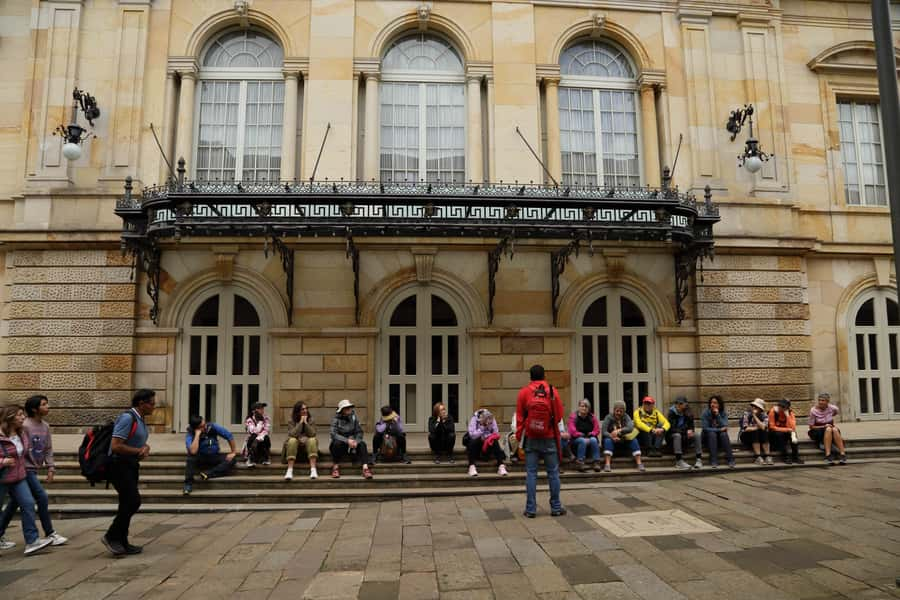
Read a short overview of Colombian political parties and the FARC peace agreement before you arrive. You do not need to memorize dates, but knowing the difference between Liberals and Conservatives will make the opening section easier to follow.
Bring water, comfortable shoes, sunscreen, and rain protection. Wear clothes that let you walk for several hours. Smoking, alcohol, and drugs are not allowed during the activity.
Most of all, bring questions. Ask the guide to clarify the present-day political situation, the differences among FARC, ELN, and M-19, or the role of paramilitary groups. The best value comes when you use the tour as a conversation rather than a one-way lecture.
You can also ask for further reading at the end. The provider offers recommendations for material that can help you continue learning after the walk. That is useful because the tour can introduce a large subject, but it cannot cover every region, group, and political development in one afternoon.
Should you book the Colombian Conflict and Peace Tour?
Book it if you want a serious, affordable introduction to the forces that shaped modern Colombia. The combination of historic-center walking, the Bogotazo, guerrilla movements, drug trafficking, and the FARC peace process gives you far more context than a standard sightseeing stroll.
Skip it if you want a relaxed, short tour with little political discussion, or if walking 9 km would be uncomfortable. Also think twice if you already have advanced knowledge of Colombian politics and expect a detailed account of current events.
For most curious visitors, I would book this near the start of a Bogotá stay. Choose comfortable shoes, allow three hours, and ask direct questions. At $13, it offers a useful foundation, even if you later need books, museums, or local reporting to fill in the finer points.
FAQ
Where does the tour meet?
Meet directly in front of the Museo del Oro in Bogotá. Look for the red umbrellas marked Beyond Colombia.
How long does the tour last?
The stated duration is 150 minutes, while the activity description says approximately three hours. Allow about three hours so you have enough time for the full walk and rest stops.
How much does the tour cost?
The price is $13 per person.
What language is the tour in?
The tour is conducted in English by a live English-speaking guide.
What topics does the tour cover?
It covers Colombia’s independence process, the Bogotazo, La Violencia, the military dictatorship, the creation of FARC, ELN, and M-19, drug trafficking, guerrilla and paramilitary groups, the peace process, the FARC agreement, and current political issues.
How far will I walk?
You will walk about 9 km, with stops to listen to the guide and rest.
Are entrance tickets included?
There are no entrance tickets included, but the route does not take you to places where sudden extra charges apply.
Is food or transportation included?
No. Food, drinks, souvenirs, and transportation to and from your hotel are not included.
What should I bring?
Bring comfortable shoes, water or another drink, a hat, sunscreen, a camera, and rain protection such as an umbrella or rainproof coat.
Is the tour suitable for wheelchair users?
The information is conflicting. One section describes the activity as wheelchair accessible, while another says it is not suitable for wheelchair users or people with mobility impairments. Contact Beyond Colombia before booking to confirm whether the current route works for you.
Just added around Bogota
- Zipaquirá: Private tour to the Salt Cathedral, Colombia’s first wonder★ 4.9 · 33 reviews
- Zipaquira: 5 hrs Salt Cathedral Tour★ 4.4 · 9 reviews
- Wonders of Salt: Colombia’s Underground Cathedral★ 5.0 · 18 reviews
- Zipaquirá Salt Cathedral & Andrés Carne de Res (Chía)★ 4.6 · 30 reviews
- Zipaquirá: Private Salt Cathedral Mine and Walking Tour★ 4.8 · 3 reviews
- Villa de Leyva Trip by Private Transportation★ 4.8 · 27 reviews
- Wonderful tour of Villa de Leyva, and Zipaquira Salt Cathedral.★ 4.5 · 34 reviews
- Theatron Party-Tour, 20 Clubs, Map, cocktail, bottle, After-party★ 5.0 · 27 reviews
Shared Tours in Bogotá, compared.
Shared Tour Zipaquirá Salt Cathedral and Guatavita Lagoon
Read our review →
Shared Tour of Bogota’s Historic Downtown (La Candelaria)
Read our review →
Salt Cathedral of Zipaquirá & Lake Guatavita: Private or Shared
Read our review →
Salt Cathedral of Zipaquira Tour: Private or Shared
Read our review →
Browse the lists this tour appears in