
Reviewed · WALKING TOURS
A Pearl In The Caribbean-walking tour in English
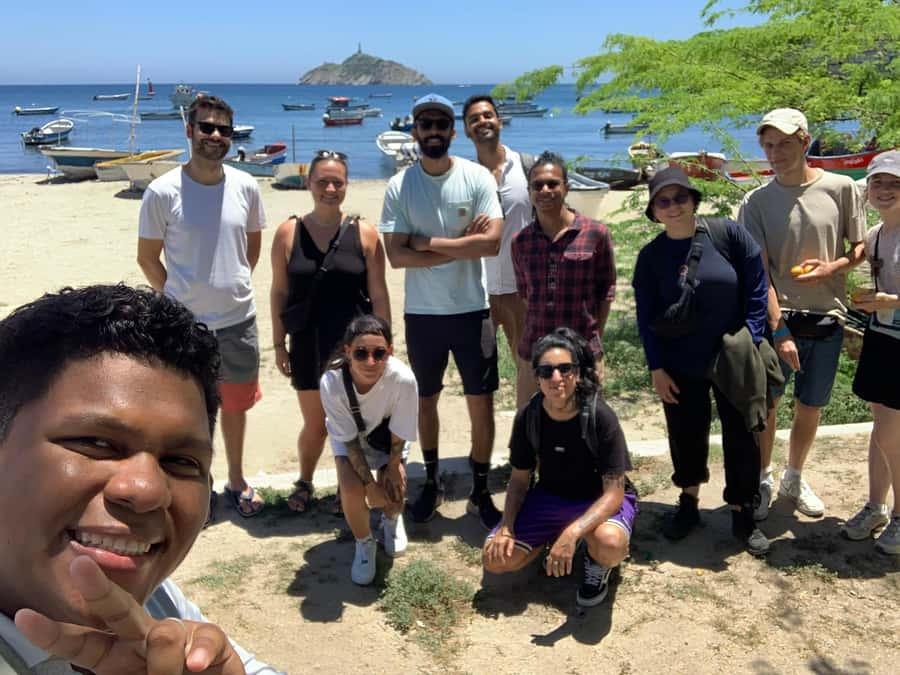
Santa Marta’s story comes alive through its contrasts: Tairona gold, Spanish churches, pirate attacks, local superstition, street commerce, and a final taste of Caribbean fruit. This two-hour walk with Javier, known as Javi, is less about checking off monuments and more about understanding how the old center still works.
I like the way the tour connects major events with everyday life, especially at San Francisco Square and the fruit stalls. I also like the practical food and nightlife advice, which can help you make better choices after the walk. The main drawback is the heat: two hours on foot in Santa Marta can feel demanding, and drinks beyond the included tasting cost extra.
Key points to know before you book
- Tairona gold comes first: Begin inside the Casa de la Aduana, also called the Tairona Gold Museum, with free entry included.
- Javier makes history personal: His approach combines clear English with stories, local gossip, humor, and useful answers to questions.
- The route covers several sides of Santa Marta: Expect pre-Hispanic culture, independence, religion, architecture, local commerce, nightlife, and food.
- The last stop is tasty and practical: You sample a Caribbean fruit and can buy a natural juice if you wish.
- The walk costs $16: Museum admission, a local guide, and fruit tasting are included, making this a strong-value introduction to central Santa Marta.
- Bring a working WhatsApp number: The guide uses it to send tour information, and the walk is offered only in English.
Starting with Tairona gold at Casa de la Aduana
Meet at the Museo del Oro Tairona, or Casa de la Aduana, in the historic center. It is the white Spanish-colonial building opposite Plaza Bolívar, facing Santa Marta Bay. Look for the guide wearing official tour accreditation and carrying a black backpack.
This is a smart starting point because you begin with the oldest part of the city’s story. Inside, you see pieces of pre-Hispanic and modern Indigenous art, including gold objects. Javier explains who the Tairona were and discusses what happened to them. The point is not simply to admire shiny objects. The collection helps you understand that Santa Marta’s story began long before Spanish rule.
The museum visit also gives the rest of the walk some shape. Once you have considered Indigenous culture, the later stops become part of a longer timeline rather than isolated squares and buildings. If you enjoy archaeology, early American cultures, or museum displays, this opening section will likely be the strongest part for you.
The museum entrance is included in the $16 price. That matters because the tour does not charge a low headline rate and then add a separate museum fee at the door. The visit is still fairly brief, though, so this is not a replacement for a full museum outing if you want extended time with every display.
More walking tours in Santa Marta:
- Santa Marta: Guided Walking Food Experience
★ 4.8 · 33 reviews - Cartagena: Historic Center and Getsemaní Shared Walking Tour
★ 4.9 · 2,716 reviews - Bogotá: Guided La Candelaria Walking Tour
★ 4.8 · 1,229 reviews
Plaza Bolívar and the long road to independence
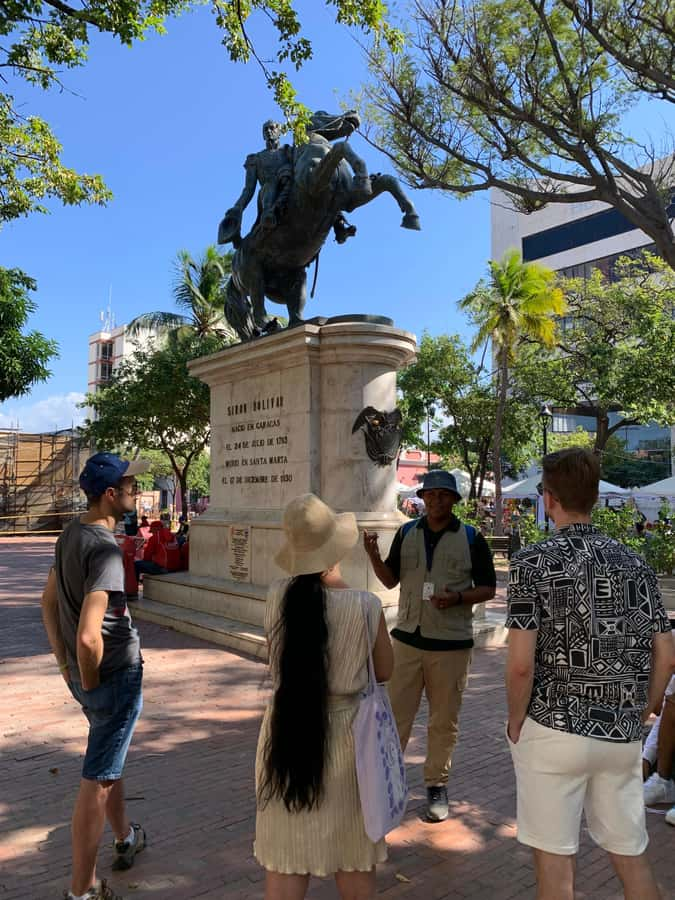
From the museum, the walk moves into Plaza Bolívar. Simon Bolívar’s name appears across Colombia, and Santa Marta is no exception. Here, Javier links the square to Colombian independence while also explaining the surrounding architecture and sculptures.
This stop works well for getting your bearings. You can look back toward the bay, place the colonial center on a map, and begin to recognize how public squares organize city life. The discussion also reaches back to the pre-Hispanic period, so the tour moves between different eras instead of treating independence as the only important chapter.
I would pay attention to the way Javier connects national events with Santa Marta itself. A guide can easily recite dates and names here. The more useful approach is to show how the city fits into the larger Colombian story, which is what this tour aims to do.
Plaza Bolívar is also a good photo stop. The tour includes time to look around and take pictures, but remember that a walking tour has a rhythm. You will not have unlimited time at each location.
San Francisco Square and the business of daily life
San Francisco Square offers a change of pace. This is where you see more of the city’s ordinary activity and local economy, known in Colombian slang as rebusque. The word refers to the daily effort to make a living, and the square gives Javier a chance to explain how local commerce works beyond polished tourist spaces.
This is one of the tour’s most useful sections for me. Historic buildings tell you what a city once was. Street commerce shows you how it functions now. You may see vendors, local movement, and the practical side of downtown life, all while hearing about the people who keep the center active.
The square also brings in Santa Marta’s connection to pirate attacks and Catholic religion in the Caribbean. That mix may sound odd at first, but it reflects the way local history often works: trade, violence, faith, fear, and daily survival sit close together.
Do not expect a quiet heritage site here. The value is in observing the city as it is, not in finding a perfectly preserved plaza. If you prefer only formal monuments, this stop may feel less tidy. If you want a closer look at local life, it adds needed balance to the museum and cathedral.
Cathedral Square, churches, and local superstition
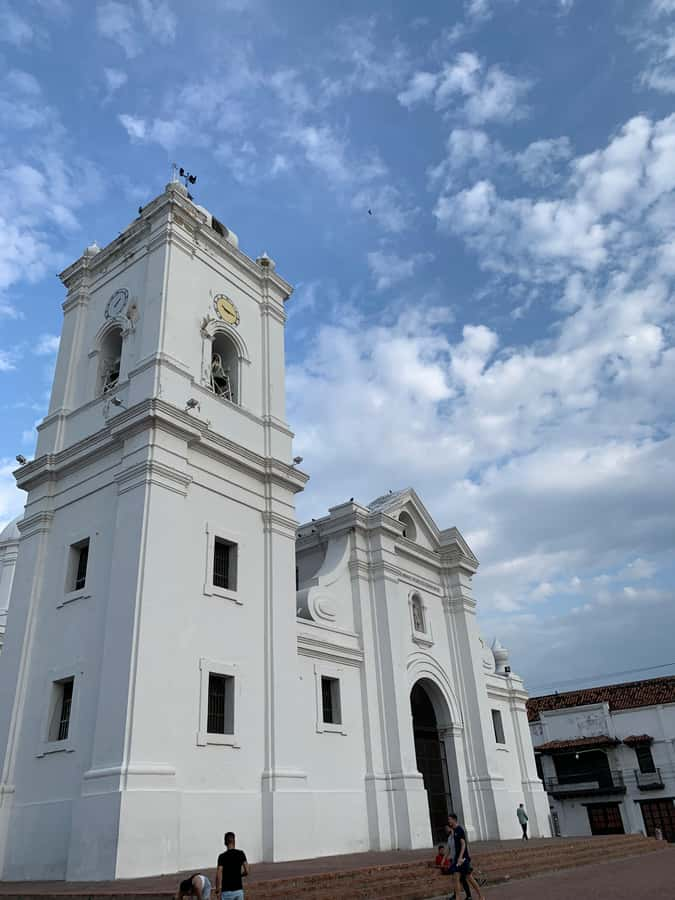
The next major stop is Cathedral Square, home to the church described as the mother of all churches in Colombia. The tour covers religious customs in Santa Marta and the spooky beliefs attached to the city.
This section is not only about worship. Javier also points out Arab, colonial, and Renaissance influences in the architecture. Keep your camera ready, but listen as closely as you look. The building matters as a physical landmark, yet the stories around it help explain how faith and superstition shape local culture.
The tone here is one of the reasons the walk sounds different from a standard architecture tour. Historical facts are mixed with local chisme, or colorful neighborhood gossip, and tales of unusual beliefs. Javier’s style is described as funny and easy to follow, but he also covers darker parts of the city’s past rather than polishing everything into a cheerful postcard.
This is a good place to ask questions. Several accounts describe Javier as patient, friendly, and willing to explain points in clear English. His language ability is important because a story about belief, rumor, and cultural custom can lose its meaning when the explanation is rushed or unclear.
A few more Santa Marta half-days worth weighing up
- Santa Marta: Sailboat day tour to Tayrona Park
★ 4.5 · 352 reviews - From Santa Marta: Tayrona National Park Guided Tour
★ 3.8 · 131 reviews - Tayrona Bay Sailboat trip
★ 4.5 · 107 reviews - Santa Marta: Minca Coffee, Cocoa, & Waterfall Full-Day Trip
★ 4.6 · 102 reviews
Food advice in the historic center
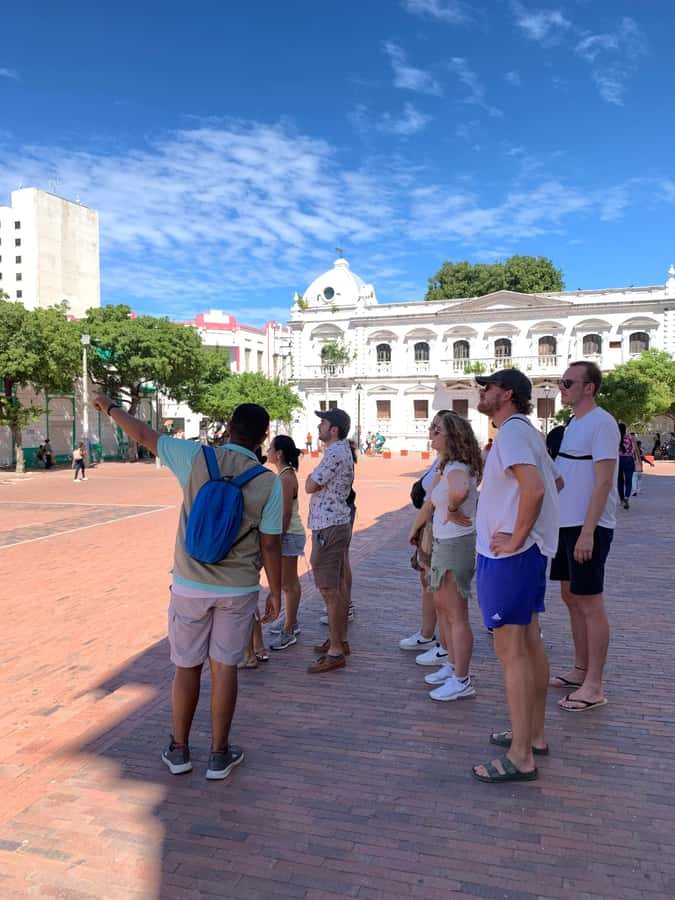
At or near the cathedral area, Javier gives suggestions for typical Santa Marta dishes and restaurants. This is not a formal meal, and food is not included in the tour. Instead, you get local direction before choosing where to eat later.
That can be worth more than a generic list of restaurants. Ask about the kinds of food you want to try, how much time you have, and whether you prefer a simple local meal or a place suited to a longer evening. The available information does not promise a set menu or a restaurant reservation, so treat this part as personal guidance, not a tasting course.
I like that the food discussion is tied to the walk. Santa Marta’s history is not presented as something locked inside museums. It continues through ingredients, street stalls, dining rooms, and the people who sell and prepare food.
If you are planning the walk near mealtime, remember to budget separately for lunch or dinner. The price includes only the fruit tasting at the final stop, not a full meal, juice, water, or other purchases.
Parque de los Novios and Santa Marta after dark
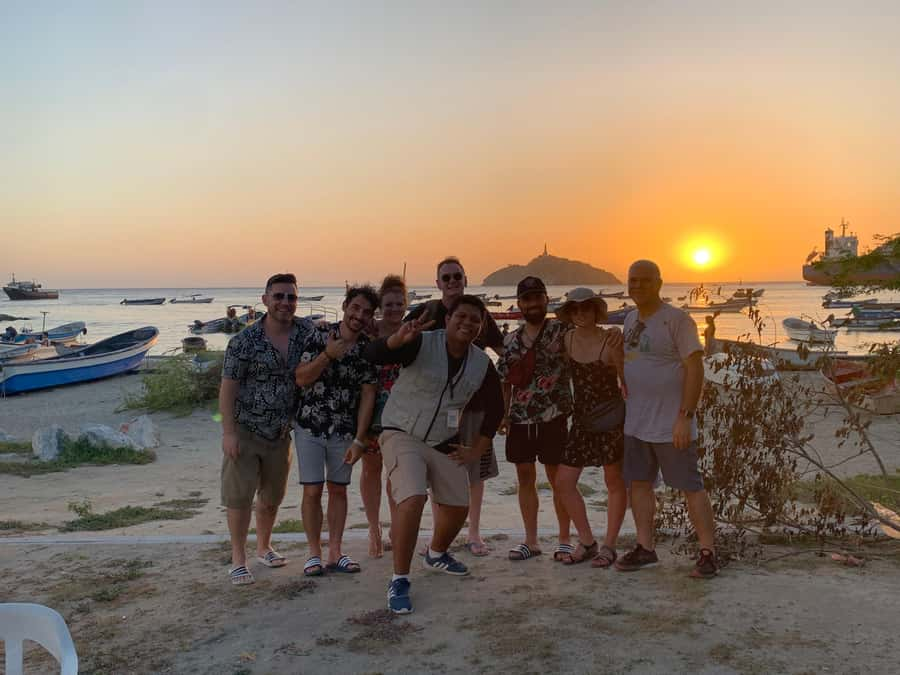
The tour then reaches Parque de los Novios, known as the city’s main downtown place for nightlife. Its name means Lovers’ Park, and Javier explains how the area works in the evening.
This is a useful stop even if you are not interested in clubs or late nights. You get a practical sense of where to go for a romantic evening, a drink with friends, or a look at the social side of central Santa Marta. The guide can also help you understand how this part of town differs from the historic squares visited earlier.
The tour does not include an evening event, and it does not promise entry to a venue. Think of the park as a briefing point. You learn what the area is known for and can return later under your own plans.
I would especially value this stop if you are new to Santa Marta and want more than museum hours. A guide’s local suggestions can save you from wandering without a plan, though you should still make your own choices about where to go and what to spend.
Finishing with fruit at the juice stalls
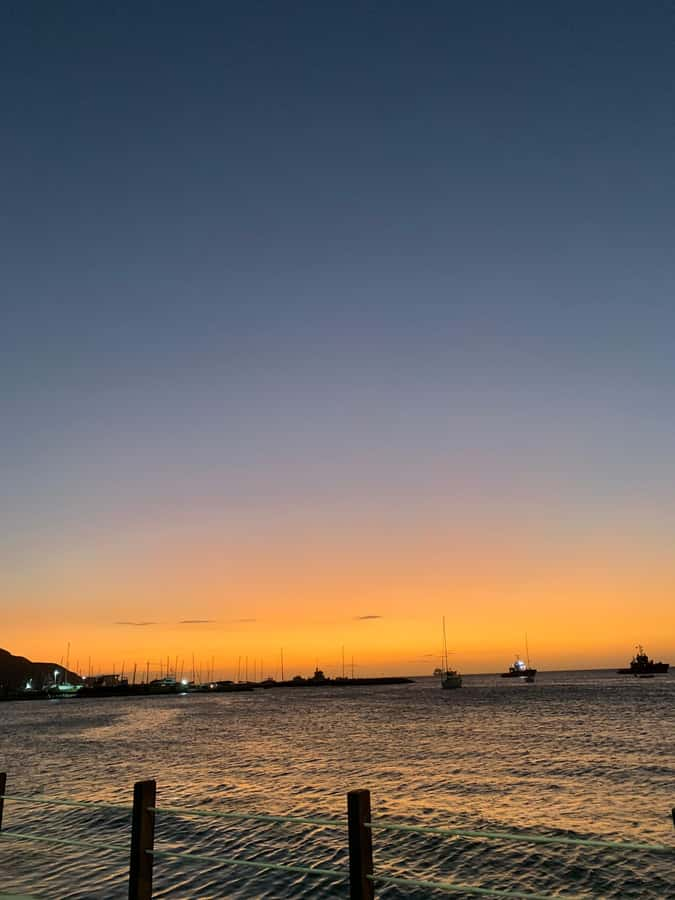
The walk ends at the Plazoleta de Jugos Santa Marta, the juice area. Here, the guide gives you a small lesson on fruits found along Colombia’s Caribbean coast, then lets you taste one. You can buy a 100 percent natural juice afterward, but that purchase is optional and not included.
This is a fine ending because it uses your senses rather than another block of explanation. You see the fruit stalls, learn what is typical in the region, and try something you might not recognize. Specific fruit suggestions from the experience include lulo with orange juice, as well as coconut water along the way.
The fruit stop also helps you make better choices later. Instead of ordering at random, you can ask about local combinations and decide which flavors suit you. The tasting is modest, but it gives the final minutes a friendly, informal feel.
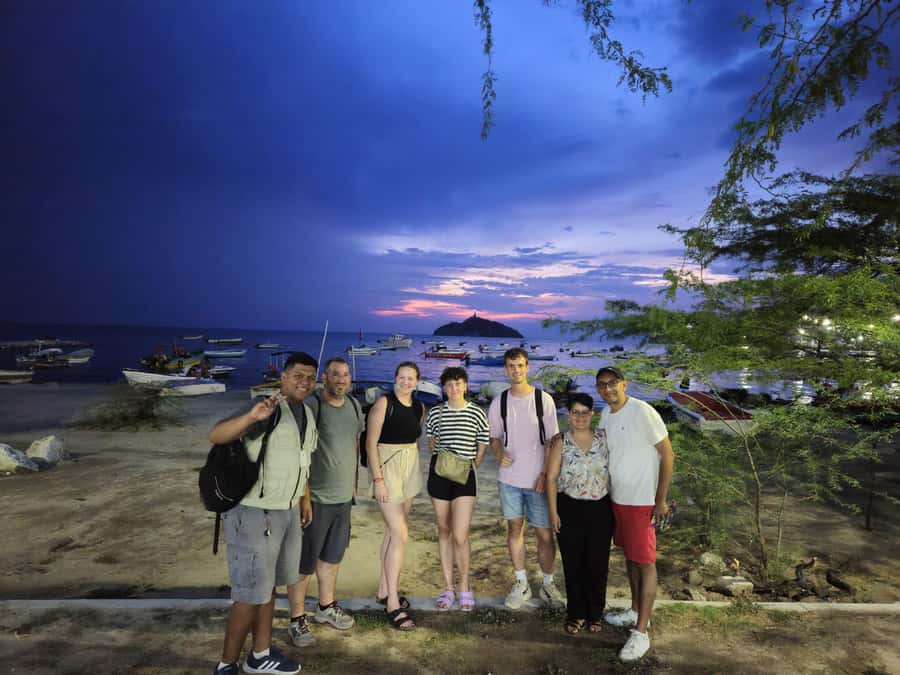
Sunset may be part of the timing, depending on the start time you choose. Since the activity lasts two hours and the exact starting times depend on availability, check the schedule if an evening finish matters to you.
Is $16 good value for two hours?
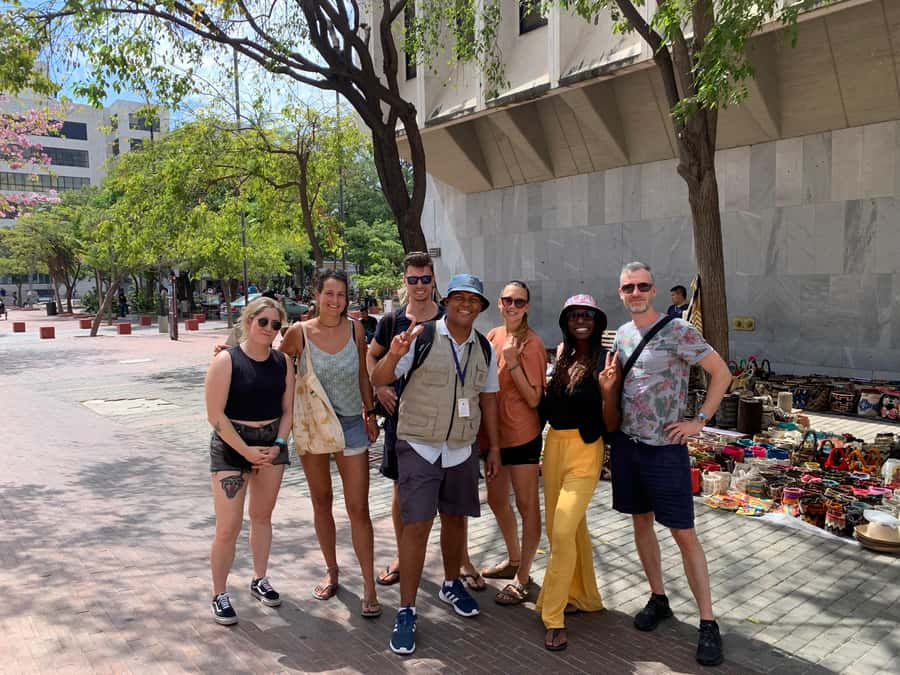
At $16 per person, this is a good-value introduction to central Santa Marta. You receive a live English-speaking guide, free museum entry, and a fruit tasting. The route also covers more ground than the price suggests, moving from Indigenous culture to independence, local commerce, religious customs, nightlife, and food.
The value comes mainly from the interpretation. You can walk around the squares without paying anything, but you would miss the links between them. Javier’s role is to explain why each place matters and add the local stories that are hard to find on a sign.
The tour is not designed for someone who wants a long museum visit, a full meal, or private transport. Water, juice, and anything else not listed are extra. Bring money if you want a drink or plan to follow the food recommendations afterward.
The overall rating is 5.0 from 71 bookings, and the praise focuses especially on Javier’s storytelling, humor, English, local pride, and practical advice. The repeated themes are important: he makes history easy to follow, answers questions patiently, and points out local places rather than limiting the walk to the most obvious sights.
Who will enjoy this Santa Marta walk?
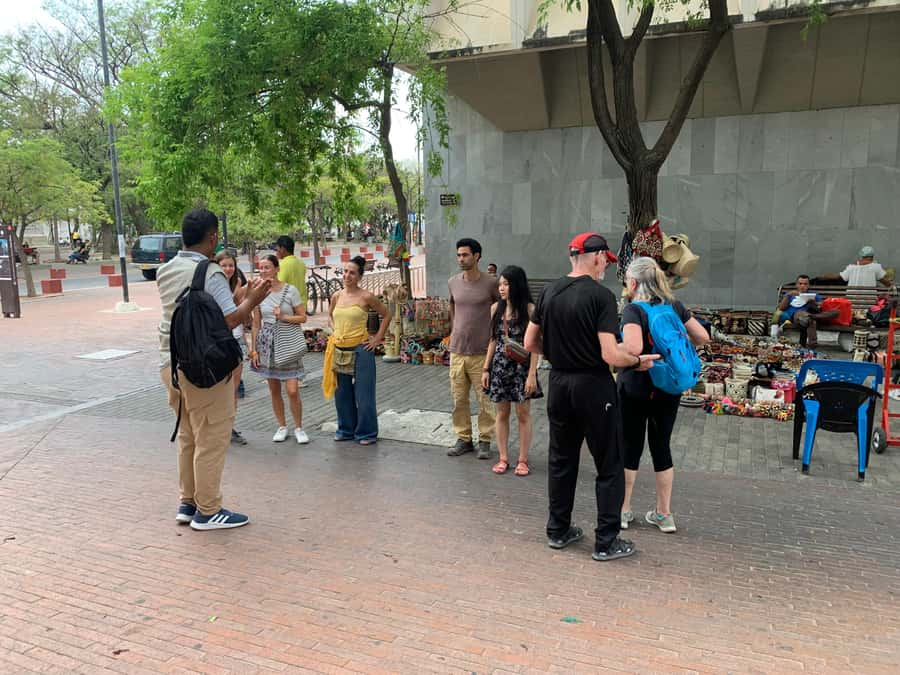
I would choose this tour early in a Santa Marta stay. It gives you a useful map of the center, points you toward food and nightlife, and helps you recognize the city’s main historic areas before you explore on your own.
It suits you if you want:
- A short introduction rather than a full-day excursion
- History explained through stories and conversation
- An English-language walk led by a local guide
- Suggestions for food, drinks, and evening plans
- A small cultural tasting at the end
- A route that includes everyday city life, not only formal sights
It may be less suitable if you dislike walking in heat, want a private vehicle, or prefer a highly academic lecture. The tour is social and story-led. Its appeal comes from the mix of facts, local customs, humor, and practical advice.
Wear comfortable shoes, carry water, and keep your phone ready for photographs. Water is not included, so do not rely on the fruit stop to meet your needs during the walk. Also make sure the phone number on your booking works with WhatsApp, since tour information is sent there.
Should you book A Pearl in the Caribbean?
Yes, if you want a friendly first look at Santa Marta that goes beyond its postcard views. For $16, you get a well-packed two-hour route, museum entry, a local guide named Javier, and a small taste of Caribbean produce.
Book it early in your visit if you want restaurant and nightlife advice you can use afterward. Choose another activity if you want a slow museum study, a meal, or transport between sights.
The strongest reason to book is the range of the story. In two hours, you move from Tairona gold to pirate tales, from cathedral superstition to street commerce, from local food advice to a fruit stall at the end. That is a useful introduction to Santa Marta, provided you are ready to walk, listen, and carry your own water.
FAQ
Where does the tour begin?
It begins at the Museo del Oro Tairona, also called Casa de la Aduana, in Santa Marta’s historic center. The white Spanish-colonial building is opposite Simon Bolívar Square and faces the bay.
Where does the tour finish?
The tour finishes at the Plazoleta de Jugos Santa Marta, the juice area in the city center.
How long does the walking tour last?
The tour lasts two hours.
What language is the tour offered in?
The tour is available only in English.
Who leads the walking tour?
The local guide is named Javier and is also called Javi. The meeting instructions say he will wear tour guide accreditation and carry a black backpack.
Is museum admission included?
Yes. Entrance to the Tairona Gold Museum is included in the price.
Is fruit tasting included?
Yes. A fruit tasting at the juice area is included.
Is a full meal included?
No. Food, water, juice, and anything else not specifically listed are not included.
Does the tour include a natural juice?
No. You can buy a 100 percent natural juice at the end, but it is an optional extra.
How far in advance can I cancel for a full refund?
You can cancel up to 24 hours in advance for a full refund. You can also reserve now and pay later.
Just added around Santa Marta
- Palomino: Palomino River Tubing and Hiking Tour★ 4.6 · 40 reviews
- Tayrona Park Hike Tour to Cabo San Juan: Private or Shared★ 4.5 · 44 reviews
- Santa Marta Street Food Tour: 7 Tastings with a Local Guide★ 5.0 · 39 reviews
- Los Naranjos Beach Horseback Riding Tayrona Park.★ 5.0 · 32 reviews
- TOUR DE 2 DIAS AL CABO DE LA VELA, LA GUAJIRA★ 4.4 · 14 reviews
- Tour en Velero a Bahía Concha Parque Tayrona★ 3.5 · 4 reviews
- Tour to Punta Gallinas with Cabo de la Vela 3 Days★ 3.3 · 4 reviews
- Tayrona Park & Cabo San Juan★ 3.5 · 20 reviews
Walking Tours, compared.
Historic Center and Getsemaní Shared Walking Tour
Read our review →



Zipaquirá Salt Cathedral Private Tour + Walking Tour
Read our review →Browse the lists this tour appears in