
Reviewed · CHOCOLATE & CACAO TOURS
Bean to Bar: Cocoa and Chocolate Workshop
Chocolate making here is not just a tasting. You see how cacao is roasted, separated, blended, and turned into finished sweets, then get your own apron and make chocolate under an artisan’s direction. Alejandra’s warm, lively teaching has made the process especially memorable for past participants.
I like the clear look at Colombian cacao varieties and the chance to compare chocolate percentages side by side. I also like that this is a private 105-minute class, so you have room to ask questions and shape your own bonbons, truffles, or bars.
The main drawback is the $101 price per person. It can be good value if you want a hands-on food experience, but it is a serious spend for a short activity. People with food allergies should not book, and stain-friendly clothes are a smart choice.
Key points to know before booking
- Taste across a wide chocolate range: Compare white chocolate at 40%, milk chocolate at 46%, dark chocolate at 80%, pure cocoa at 100%, and blended varieties.
- Follow cacao from bean to bar: Watch the roasting and separation stages and learn why different cacao types matter in Colombia.
- Make your own chocolate: Choose among bonbons, truffles, or chocolate bars, with artisans guiding the work.
- Expect a private class: The experience is designed for a private group, with instruction in English or Spanish.
- Find the meeting point near Arsenal Street: Look for the two-story pink building with wooden barrels outside, across from the convention center.
- Plan for an indoor afternoon: The workshop is a useful choice when Cartagena weather turns wet or overly hot.
A chocolate workshop with real production behind it
Many chocolate activities stop at a tasting table. This one gives you a look at the working side of a chocolaterie, including the machines and production area used to turn cacao into chocolate.
That distinction matters. You are not only told that chocolate begins with a cacao bean. You see the stages that make the final texture and flavor possible, including roasting and separation. The machinery adds a practical, slightly industrial note to the session, which helps explain why fine chocolate takes care and control.
The workshop lasts 105 minutes. That is long enough to cover the main process and leave time for hands-on work, but short enough to fit into a day of sightseeing in Cartagena. I would plan this as an afternoon activity rather than something to rush into between two tightly scheduled tours.
The class takes place near the beginning of Arsenal Street, around the corner and across from the convention center. The meeting point is a two-story pink building with wooden barrels outside. The host takes you from there to the exact room used for the experience, so you do not need to guess which part of the building is yours.
More chocolate tours in Cartagena:
- Cartagena: Boutique Rum and Chocolate Tasting at Lunático
★ 4.9 · 121 reviews - Cartagena: Express Rum and Chocolate Tasting Experience
★ 5.0 · 10 reviews - Cartagena: The Legendary Colombian Rum and Chocolate Tasting
★ 5.0 · 8 reviews
Starting with cacao, not candy
The first part sets the stage by introducing cacao in its basic form. You learn how the bean changes through roasting and separation, and why cacao varieties are treated differently at a national level.
This is one of the strongest parts for anyone who wants more than a sweet snack. Chocolate flavor is not simply a matter of adding sugar or choosing dark versus milk. The cacao itself, its percentage, and the way it is handled all affect the result. The workshop gives you a useful foundation before asking you to make anything.
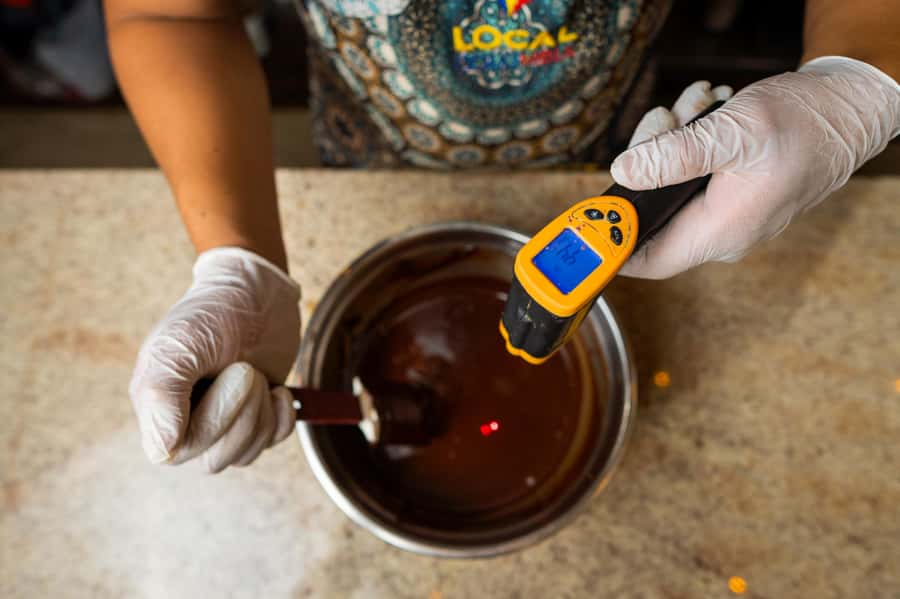
The range of chocolate used in the session makes that comparison more concrete. You can taste white chocolate at 40%, milk chocolate at 46%, dark chocolate at 80%, and pure cocoa at 100%, along with blends. Sampling these side by side should help you notice how percentage changes bitterness, sweetness, body, and intensity.
The 100% cocoa is likely to be the most demanding taste for anyone used to ordinary candy. That is part of the point. It gives you a direct reminder that cacao is not naturally the same thing as a sweet chocolate bar.
Seeing the roasting and separation work
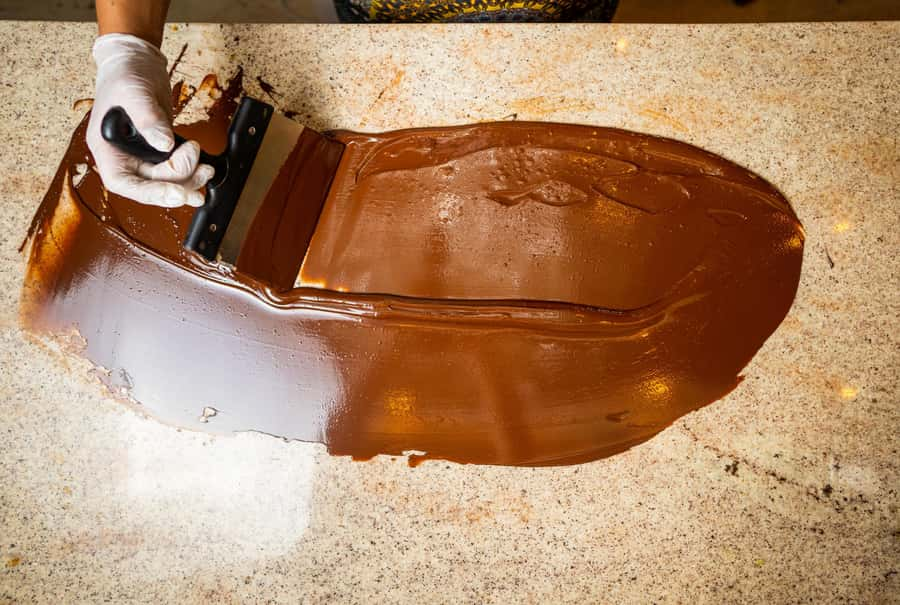
Roasting is a key step in developing chocolate flavor, and the class gives it proper attention. You get to see how cacao is roasted and separated rather than treating the process as a mystery hidden behind a finished product.
The machinery also helps you understand the amount of care involved. This is a fully equipped chocolaterie, not simply a kitchen counter with melted chocolate. You can expect the sounds and aromas of chocolate production, along with an explanation of how the equipment supports consistency.
The timing of each class may affect the feel of this portion. One Sunday session had no one actively working in the production area, although the group still had access to the local chocolate production space and received a private class. If watching active production is important to you, keep in mind that the machines and work areas may be present even when staff are not carrying out every step during your visit.
That is a fair tradeoff for a private format. You get direct access and room for questions, but you should not assume that every visit will look like a busy factory floor.
From guided lesson to your own bonbons
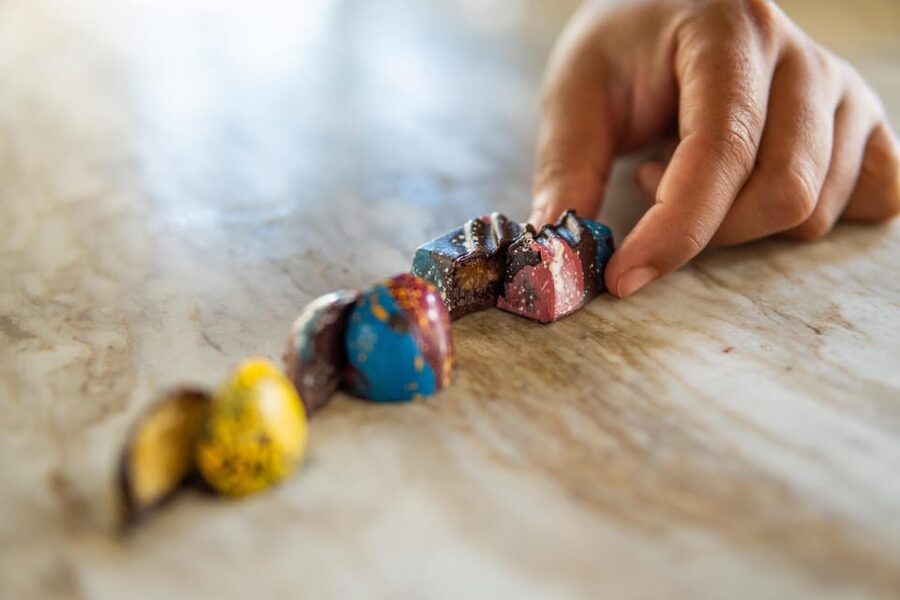
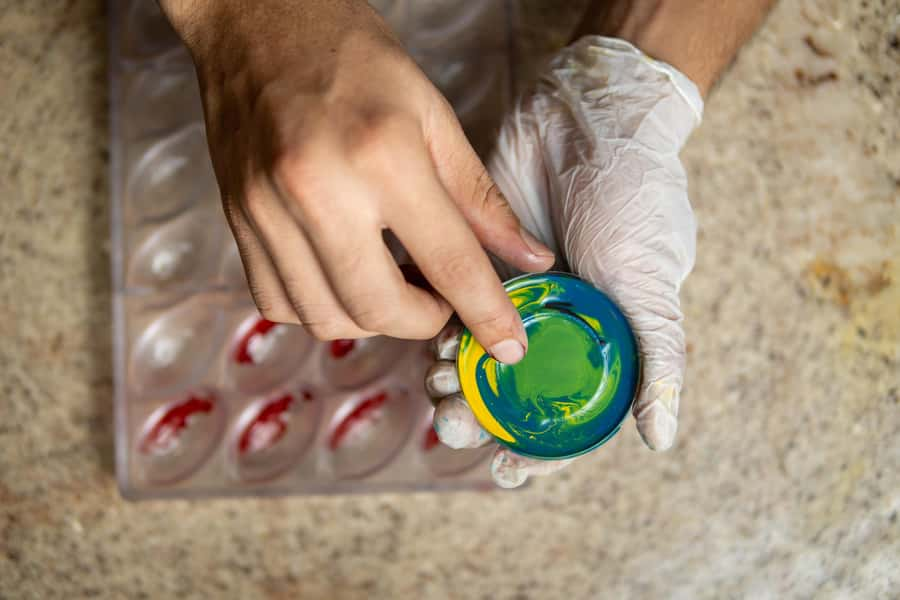
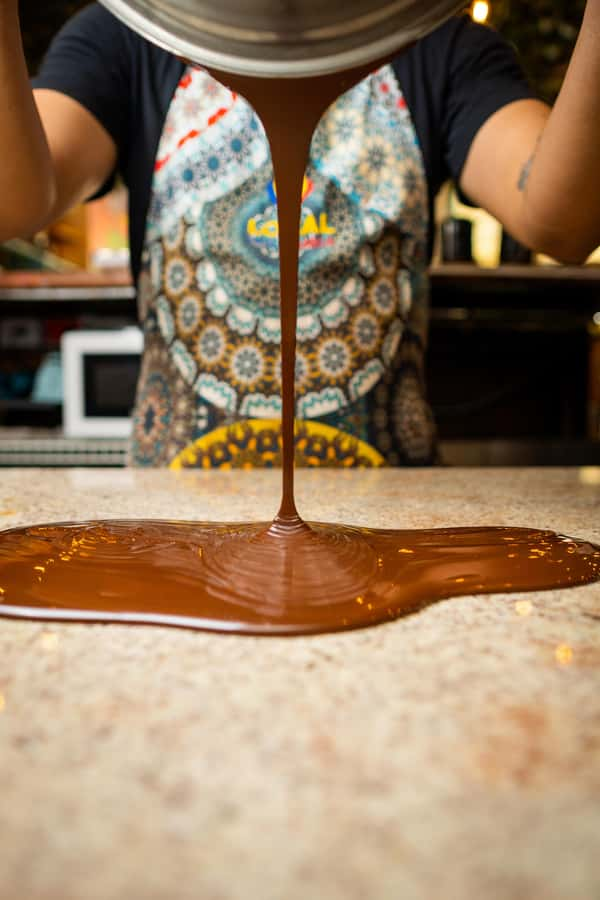
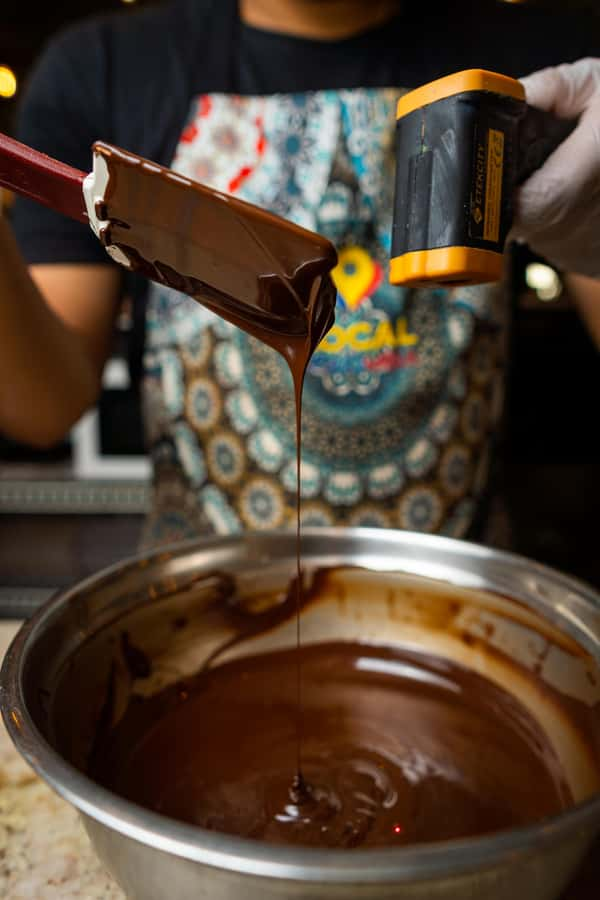
The hands-on part is where the workshop becomes more than a demonstration. After learning the basic stages, you work with chocolate under the direction of skilled artisans.
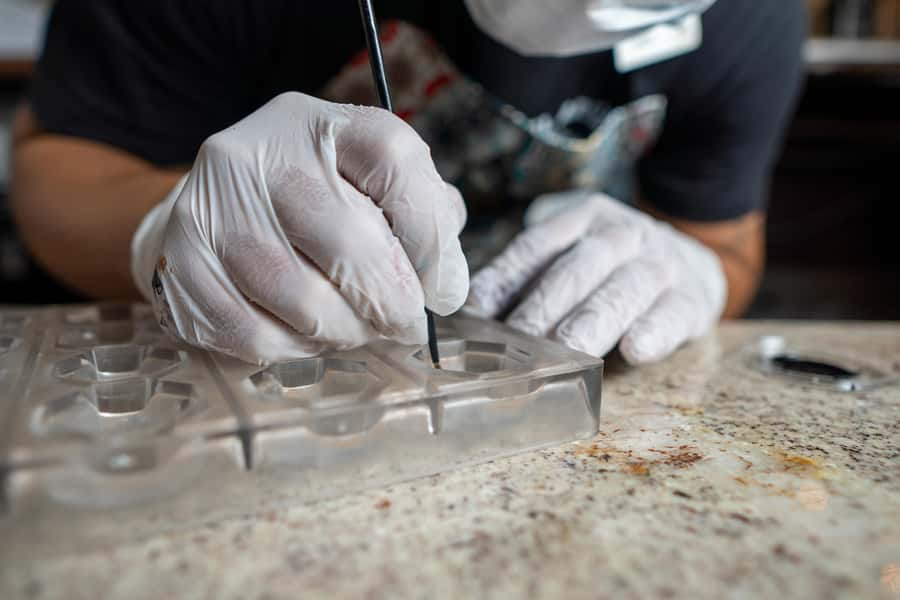
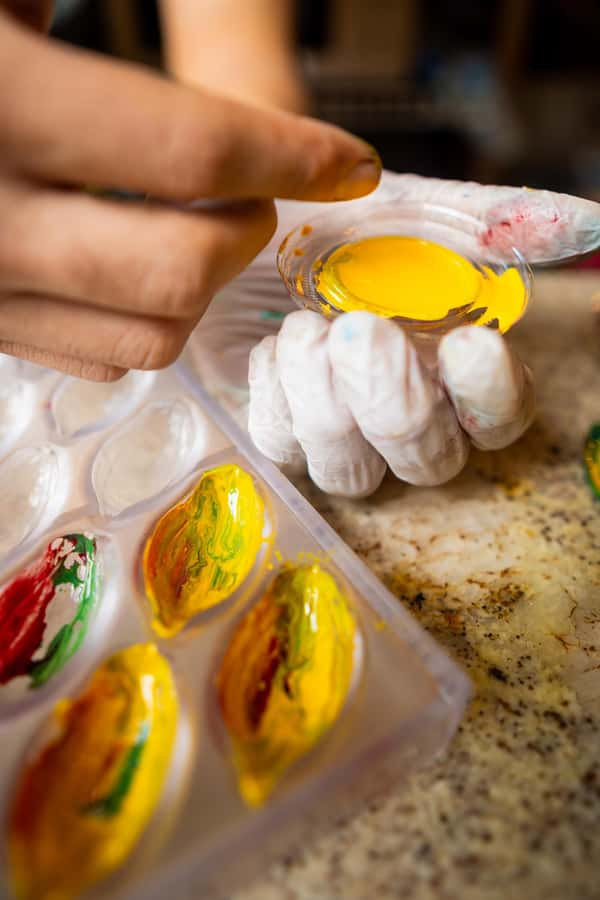
You may make bonbons, truffles, or chocolate bars. The exact choice gives the activity some flexibility. A first-time chocolate maker can follow the guidance closely, while someone already comfortable in the kitchen can use the session to experiment with shapes, combinations, and decoration.
I like that the class treats creativity as part of the work rather than an extra decoration at the end. Chocolate making calls for precision, but it also leaves room for personal choices. Your finished pieces do not need to look factory-perfect to make the session worthwhile.
Do not expect a long professional pastry course in 105 minutes. You are learning the key stages and making a small personal creation, not training for a commercial kitchen. The value is in the combination of explanation, tasting, and direct practice.
Wear clothes that can handle a splash or smear. The activity specifically recommends comfortable, stain-friendly clothing, and that advice is worth following. Chocolate has a way of finding sleeves and waistbands when you are focused on the work.
More hands-on workshops in Cartagena:
- Specialty Coffee Workshops in Cartagena
★ 5.0 · 34 reviews - Cartagena Instagram Mobile Workshop: Scenic and Trendy Shots
★ 5.0 · 5 reviews - Cartagena: Photography Workshop Tour
★ 5.0 · 3 reviews - Fun Graffiti Workshop: The Art of Aerosol and Color
★ 5.0 · 73 reviews
Why the guide makes a difference
The quality of instruction matters in a workshop like this. Alejandra has been singled out for her energy, passion for the chocolate process, and ability to answer questions clearly. That is important because cacao production can become technical if it is presented as a list of machinery and percentages.
A good guide connects the details to what you are tasting and making. In this class, the teaching covers the bean, harvest, ecology, the production process, and the role of different cacao varieties. Those subjects give the activity a stronger Colombian identity than a generic candy-making lesson.
Instruction is available in English and Spanish. The private group setup also gives you more freedom to pause, ask for clarification, or spend extra time on a step that interests you.
That private format is especially useful for couples, families, or small groups with different levels of cooking experience. Beginners can receive close guidance, while more curious participants can ask about cacao, roasting, or the differences among the samples without worrying about holding up a large class.
A taste of Colombia through cacao
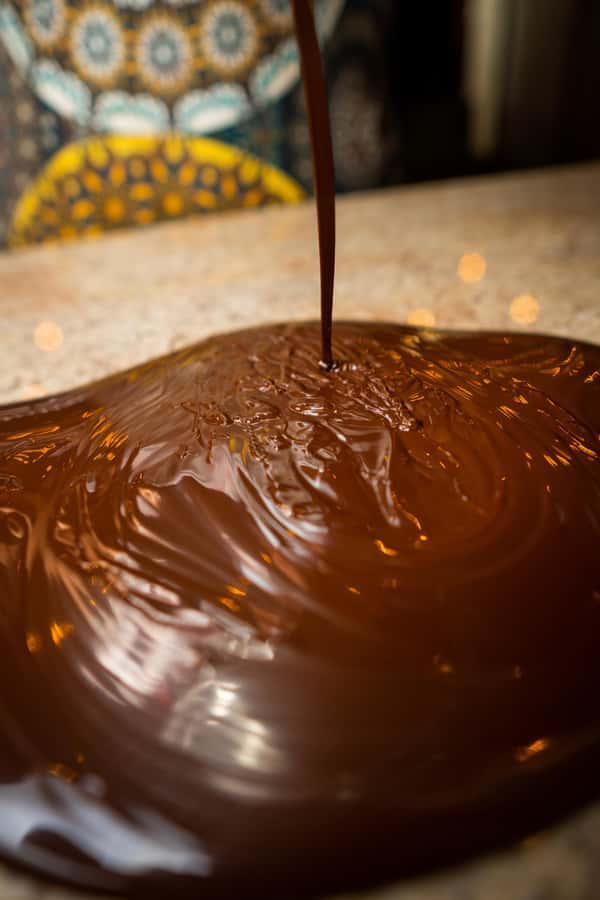
Chocolate offers a direct connection to Colombian agriculture and food culture. The workshop does not simply present chocolate as a European-style confection. It places the cacao bean, its ecology, its harvest, and its varieties at the center of the experience.
That makes this a good choice if you want to see Cartagena through local food rather than only through major sights. You are spending time with a product tied to Colombia’s growing and production traditions, then handling it yourself.
The tasting selection also gives the country’s cacao a practical context. Instead of hearing that Colombia produces different types of cacao and moving on, you can compare the finished chocolate. The differences between 40%, 46%, 80%, and 100% products turn an abstract lesson into something you can taste immediately.
This is not a farm visit, and you should not book it expecting to walk through cacao trees or see harvesting in the field. The focus is the chocolaterie and the transformation of cacao into chocolate. For some people, that is exactly the appeal: the activity works well in the city and does not require a long trip outside Cartagena.
Is $101 per person fair value?
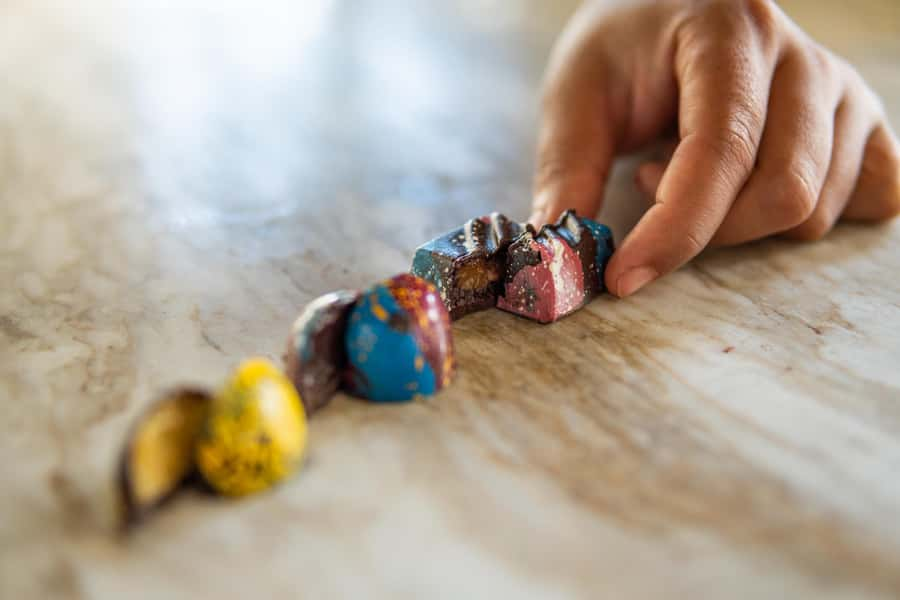
At $101 per person, this is not a casual stop for a quick sample. The price makes more sense if you value three parts together: a private class, an explanation of cacao production, and a hands-on chocolate-making session with chocolate included.
You also get access to a working production area and a broad tasting range. The white, milk, dark, pure cocoa, and blended samples give you more variety than a basic tasting flight. If you are serious about food experiences, that breadth supports the cost.
The price is harder to justify if you mainly want to eat chocolate or take home a souvenir. The session lasts 105 minutes, and the description does not specify the quantity of finished chocolate you take away. I would book it for the activity and instruction, not solely for the amount of chocolate included.
The private format adds value for people who prefer personal attention. It also removes some of the social ease of a large group if you enjoy meeting strangers, but this experience is built around your own party rather than a shared class.
When this activity fits best in your Cartagena plans
This is a useful indoor option when rain interrupts a walking day or the heat makes another outdoor activity less appealing. One private session worked particularly well as a weather-proof afternoon plan.
The location near Arsenal Street makes it convenient to pair with time in central Cartagena, though the activity itself has a clear start and finish. Give yourself enough time to find the pink building with wooden barrels, especially if you are arriving from another part of the city.
The activity is also suitable for a quieter day. Chocolate making is hands-on without being physically demanding, and the 105-minute length gives you a focused break from sightseeing.
You must provide an email address and a phone number with the area code so the confirmation and calendar invitation can reach you. Cancellation is flexible up to 24 hours before the activity for a full refund, and you can reserve now and pay later. Those terms help if your Cartagena schedule is still changing.
Who should book this chocolate experience?
I would recommend it to anyone who enjoys food, local production, and making something with their hands. It is especially well suited to couples, families, small private groups, and anyone looking for an indoor activity with a clear cultural connection.
It is a good match for curious beginners. You do not need to arrive with chocolate-making experience, and the guided format gives you a way to follow the process without feeling lost.
It also suits experienced home cooks who want to compare cacao percentages and work with different chocolate types. The creative portion leaves some room for experimentation, although the short format keeps the class focused.
I would skip it if you have food allergies. The activity is specifically not suitable for people with food allergies, and the broad chocolate tasting makes that warning important. I would also skip it if your priority is a cacao farm, a long historical lecture, or a large production facility operating at full speed during your visit.
The final call: book it for the process
Book this workshop if you want to understand how Colombian cacao becomes chocolate, taste several percentages and origins, and make your own sweets in a private setting. The strongest reasons to go are the clear bean-to-bar explanation, the variety of samples, and the personal guidance associated with Alejandra.
Think twice about the price if you are only looking for dessert. At $101, the experience needs to be judged as a private food class, not as a chocolate purchase.
For a rainy afternoon, a special occasion, or a small group that enjoys local food, I think it is a worthwhile Cartagena addition. Wear comfortable clothes you do not mind staining, arrive at the pink building near Arsenal Street, and come ready to taste beyond the usual sweet milk chocolate.
FAQ
Where does the chocolate workshop meet?
The meeting point is at the beginning of Arsenal Street, around the corner and across from the convention center. Look for a two-story pink building with wooden barrels outside. The host will take you to the exact location of the workshop.
How long does the experience last?
The workshop lasts 105 minutes. Starting times vary, so check availability when booking.
What languages are available?
The instructor can lead the experience in English or Spanish.
Is this a private activity?
Yes. The experience is offered for a private group.
What kinds of chocolate will I taste?
The session includes white chocolate at 40%, milk chocolate at 46%, dark chocolate at 80%, pure cocoa at 100%, and blended varieties.
Can I cancel the booking?
You can cancel up to 24 hours in advance for a full refund. You can also reserve the activity and pay later.
Just added around Cartagena
- White Night Boat Party: Dinner Buffet, Dancing and Open Bar★ 4.6 · 3 reviews
- Exotic Yacht – Tour through the bay of Cartagena★ 3.7 · 4 reviews
- Volcan del Totumo + Playa + Piscina★ 4.7 · 4 reviews
- cartagena: Mucura and Santa Cruz Islands Tour spectacular★ 4.0 · 12 reviews
- Enjoy the totumo volcano from cartagena + snack★ 4.0 · 11 reviews
- 5 islands tour to rosario Islands with snorkeling activity!★ 4.5 · 36 reviews
- Rosario Islands Trip visiting Cholon, Playa Blanca and Snorkel★ 4.5 · 33 reviews
- Romantic Date Night in the Bay of Cartagena★ 5.0 · 47 reviews
Chocolate & Cacao Tours, compared.
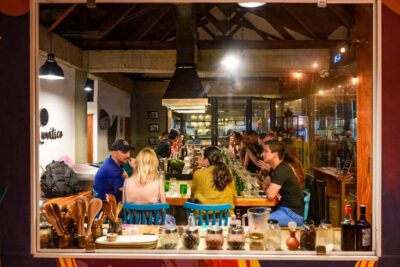
Boutique Rum and Chocolate Tasting at Lunático
Read our review →
Coffee & Chocolate Private Tour in Medellin: Genuine Experience
Read our review →
Trekking History and Indigenous Heritage in Minca + Cacao & Coffee + Waterfall
Read our review →
Browse the lists this tour appears in