
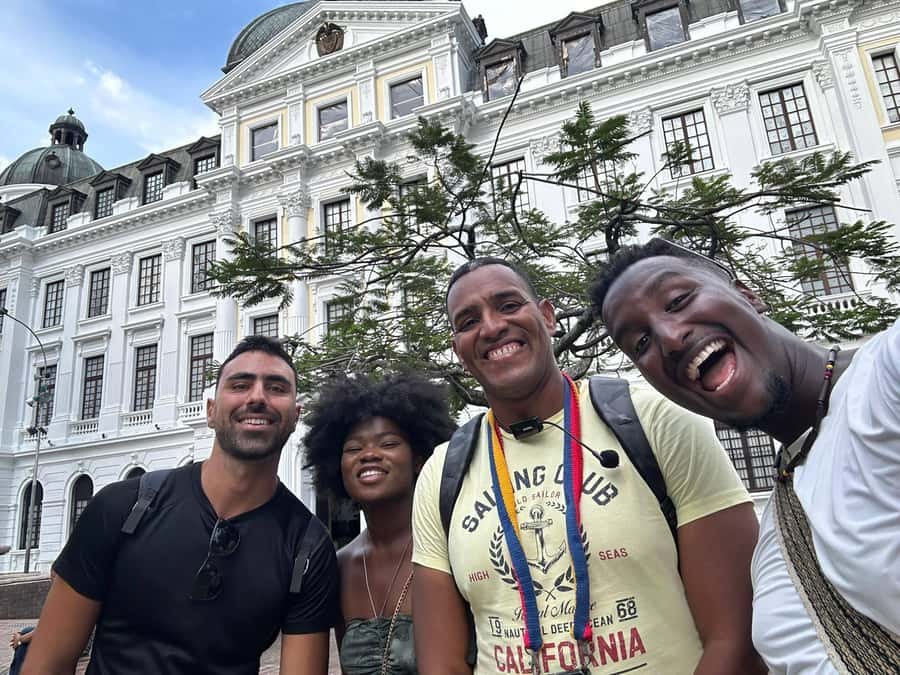
Reviewed · WALKING TOURS
Afro Walking Tour. The colors of Cali.
Cali’s Afro Walking Tour is not simply a march past monuments. It uses murals, food, music, and street life to explain how African heritage shapes this Colombian city. Guide Andrés Jiménez leads the walk in English or Spanish, linking the city’s past with its present-day artists, businesses, cultural centers, and salsa culture.
I especially like the chance to taste Afro-Colombian food while learning, and the fact that the route includes three cultural institutions rather than only outdoor sights. The main consideration is the setting: you’ll walk through central Cali among vendors, beggars, and all kinds of city life, so this suits curious adults who are comfortable with an unscripted urban experience more than families with young children.
Key points to know before booking
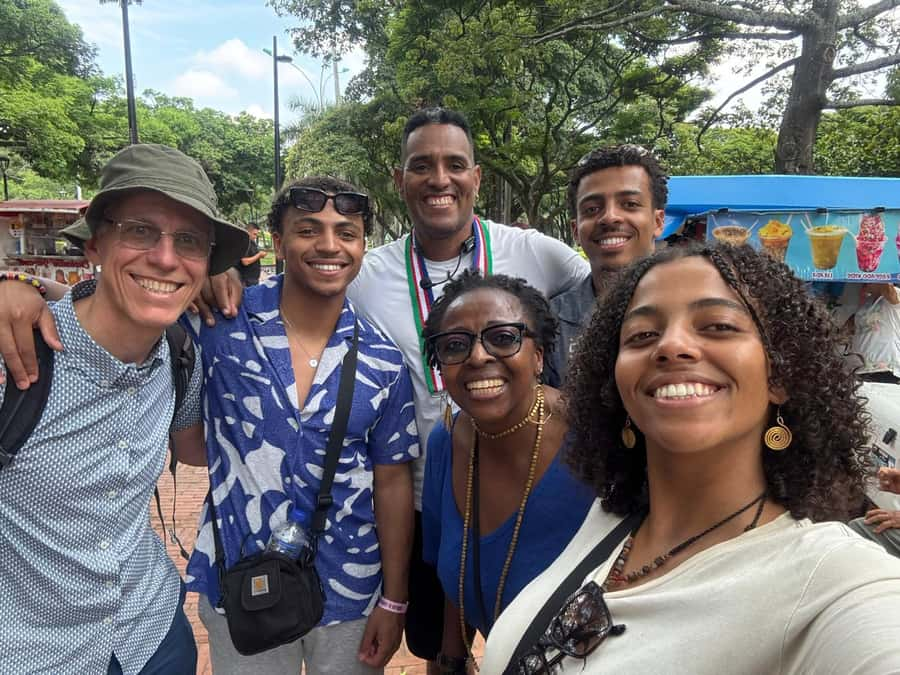
- A personal introduction to Cali: Andrés keeps the tour conversational, asking about your own background and connecting it with the city’s Afro-Colombian story.
- History you can see: Murals, architecture, shops, and public spaces become evidence of African, Indigenous, and Spanish influences.
- Food is part of the lesson: Local snacks and drinks offer a direct taste of Afro-Colombian traditions.
- Salsa has context: You learn why Cali is called the world capital of salsa, with music and dance treated as part of the city’s identity.
- Three cultural institutions: The route includes places devoted to culture, education, music, skills, and community life.
- A real downtown walk: Expect street vendors, ordinary businesses, different neighborhoods, and the full mix of people found in the city center.
Why this walk gives Cali more meaning
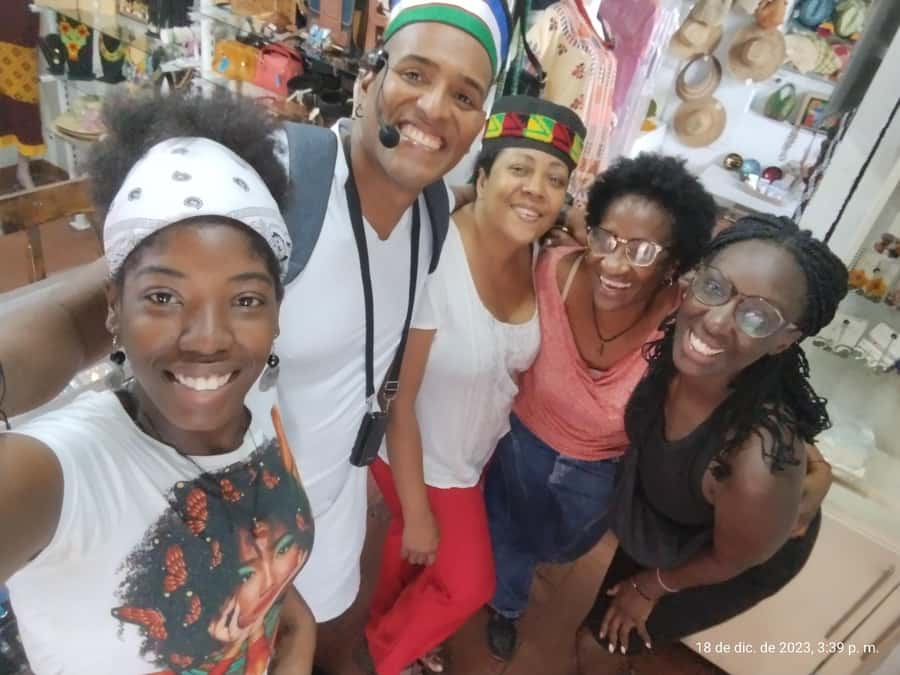
Cali can be easy to reduce to salsa clubs, warm weather, and a pleasant city center. This tour asks you to look again. It focuses on the people and traditions that give the city its character, especially the Afro-descendant communities whose music, food, art, and political story are central to Cali.
The tour places Afro-Colombian culture within the wider mix of Cali. You’ll also hear about Indigenous communities and the influence of Spanish colonial society. That matters because the city’s identity did not come from one source. It grew from encounters, conflict, adaptation, and creativity.
Andrés Jiménez is the guide at the center of the experience. His approach is energetic and open to conversation. He explains the subject, then invites you to respond. Several parts of the walk are built around questions and shared perspectives, including conversations about race in Colombia and across the wider African diaspora.
That personal approach can make the tour feel different from a standard sightseeing walk. Andrés has even researched some participants’ backgrounds before meeting them, using details about a person’s home or identity to start a more thoughtful conversation. You should expect a guide who wants to know something about you, not one who simply recites a fixed script.
More Walking Tours in Cali
- The Cali Street Food Walking Tour
★ 5.0 · 81 reviews - Cali: Walking tour of the historic center
★ 5.0 · 69 reviews - Cali: Walking tour of the historic center
★ 4.9 · 18 reviews
Starting near the Subway restaurant
The meeting point is in front of the Subway sandwich restaurant. This is a practical, easy-to-recognize place, but you’ll want to check the exact starting time when you book because the activity lasts 150 minutes and several departure times may be available.
Wear comfortable shoes. The tour is on foot, and you’ll be moving through the city center rather than remaining in one formal museum. Bring water, sunglasses, comfortable clothes, a camera, and some cash for the practical reason that cash is specifically recommended for the outing.
The route is wheelchair accessible, which is useful information for many visitors. Still, the experience takes place on city streets, around vendors and public activity, so you may want to confirm current street conditions and your own mobility needs before setting out.
Murals that explain more than color
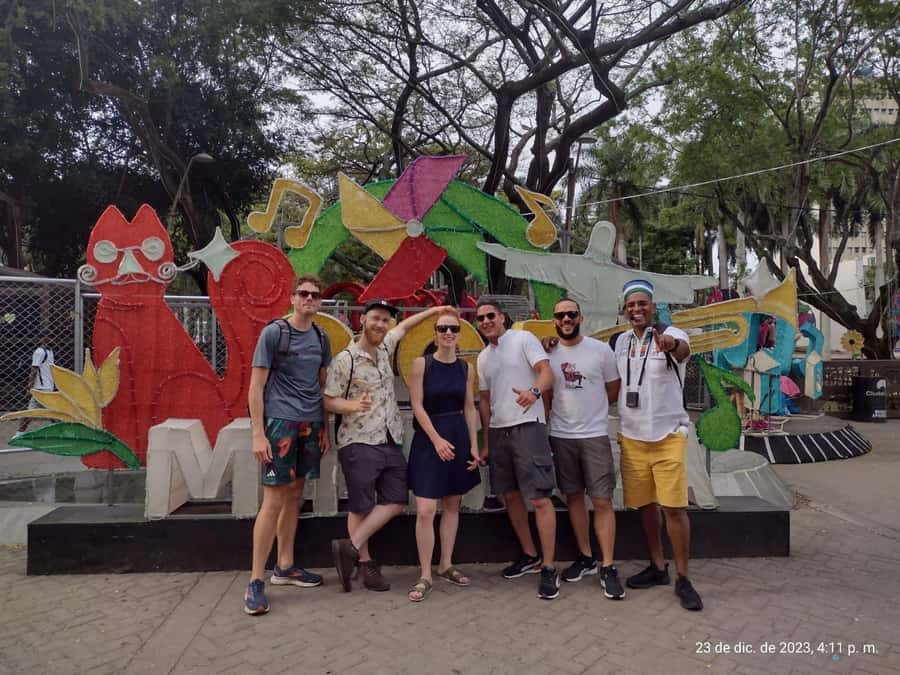
One of the best parts of the walk is learning how to read Cali’s street art. A mural may first look like a bright wall with striking faces, patterns, or figures. Andrés gives it context by explaining what the images represent and how Afro-Colombian identity is expressed through public art.
This turns a quick photo stop into a lesson in memory and representation. You may see how artists honor African ancestry, celebrate community figures, or reflect on the struggles and achievements of Black Colombians. The art gives the city a visible voice.
The route also reaches an Afro-Colombian neighborhood in the eastern part of Cali. That adds useful balance. You are not only seeing cultural references in the tourist center, you are also visiting an area connected to everyday community life.
The drawback is that this is not a polished attraction with a clear entrance and a neat timetable at every stop. Street art can be exposed to weather, traffic, and changing city conditions. The reward is a more direct look at how culture appears in public space, rather than behind glass.
Three cultural institutions with a working purpose
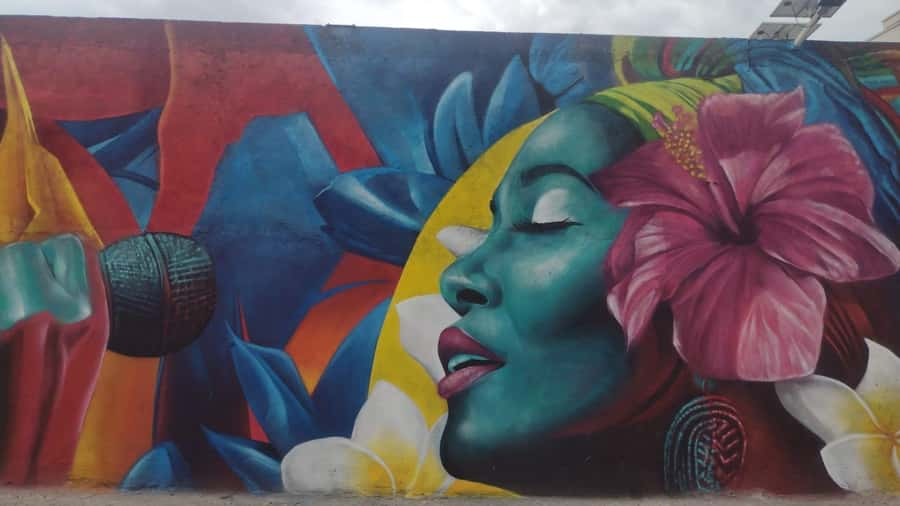
The tour includes visits to three institutions of cultural interest. These places help explain how traditions are kept alive and passed to younger generations.
The cultural centers connected with the walk may offer access to music, practical skills, cultural education, and community programs. Their value is not just historical. They show culture being practiced now, by people who are teaching, performing, creating, and building local connections.
This part of the route also helps you understand that Afro-Colombian culture is not a museum subject. It is tied to education, business, art, social support, and the future of Cali. One participant with a professional background in mental health particularly valued learning about community resources encountered along the way.
You may also visit shops and meet Black business owners. This gives the tour a useful economic angle. Afro-Colombian identity appears not only in dance or food, but also in products, services, personal care items, and small businesses.
For Black visitors, the shopping stops can be especially practical. The walk has introduced participants to hair-care products, lotions, and other personal items made for or useful to Black customers. For everyone else, these stops show how culture is expressed through ordinary commerce.
A completely different kind of day, same corner of Colombia:
- Shared Tour Cali’s Historical Downtown
★ 4.8 · 143 reviews - Historical Shared Tour Salsa, Graffiti & Resistance in Cali
★ 5.0 · 107 reviews - San Cipriano Rainforest – River, Waterfalls and Adventure Day
★ 5.0 · 73 reviews - Cali: Street Food Tour
★ 4.8 · 71 reviews
Food and drinks that connect the story to daily life
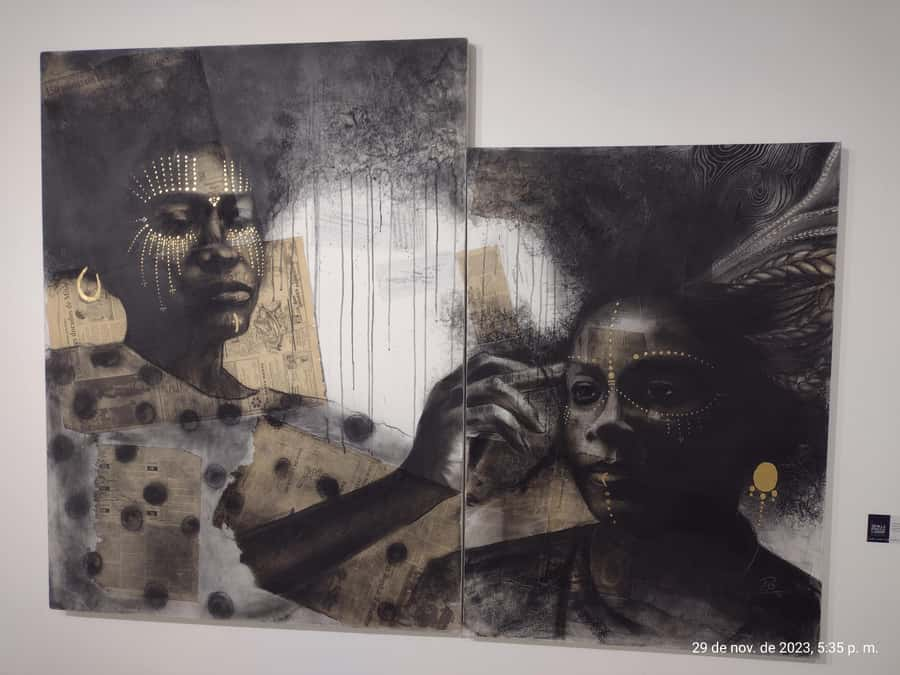
Food is included, not added as an afterthought. Along the route, you’ll taste local Afro-Colombian food and may try street snacks or beverages tied to the city’s cultural mix.
The food reflects African, Indigenous, and Spanish influences. That combination helps make the history easier to understand. Instead of hearing only that cultures influenced one another, you taste the result in something prepared and shared.
The exact food may vary, so I would not book this expecting a full meal or a formal restaurant tasting. Think of it as a snack-sized introduction woven into the walk. Bring cash if you want the flexibility to buy something extra from a vendor or local business.
This is one of the tour’s strongest choices. Food gives you a chance to pause, ask questions, and talk with the guide in a relaxed setting. It also keeps the subject grounded in daily life. Culture is not only found in an institution or on a stage. It is carried through recipes, ingredients, and neighborhood habits.
Salsa, dance, and the sound of Cali
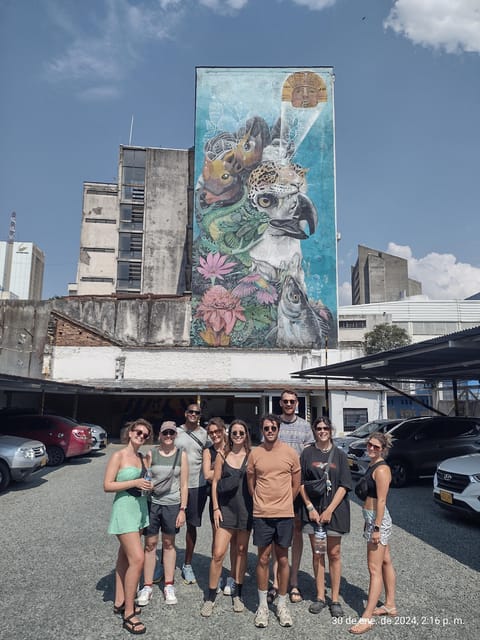
Cali’s connection to salsa is a major theme. You’ll learn why the city is known as the world capital of salsa and how Afro-Colombian influence helped shape its music and dance culture.
The walk can include a small salsa lesson or dance demonstration, depending on the route and timing. Even a short introduction helps you see salsa as more than entertainment for visitors. It is part of how Cali presents itself and how many local people connect with one another.
Andrés treats music, dance, and art as linked expressions of resilience and creativity. That makes the subject accessible even if you know little about Colombian music. You do not need to arrive as a salsa expert, and you should not expect a long dance class. The point is to understand why rhythm matters so much here.
If you enjoy music and hands-on activities, this part will likely be a highlight. If you prefer a quiet, strictly historical tour, the interactive approach may feel more energetic than expected.
The history beneath the streets
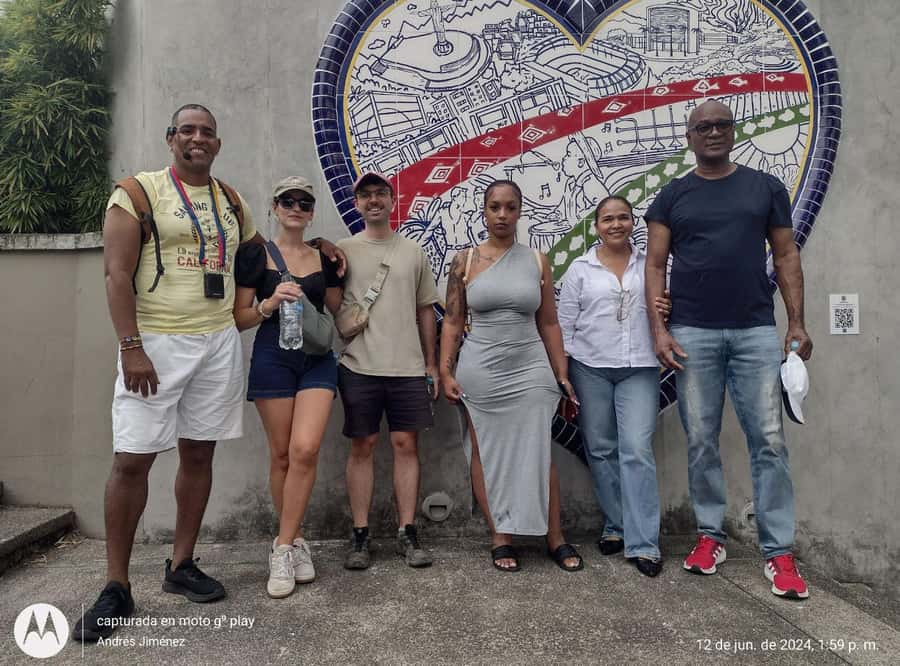
The tour addresses difficult subjects, including enslavement, emancipation, power, law, leadership, and the different experiences of Afro-Colombian and Indigenous communities. Andrés connects large historical forces with everyday life in Cali.
That is important because a cheerful presentation of food, music, and murals would be incomplete on its own. The tour makes room for the painful parts of the story, then shows how communities have maintained identity and created new opportunities.
You’ll hear about the arrival of African culture in Colombia and the contributions of Afro-Colombians to Cali and the country as a whole. The discussion may also include the role of Black military regiments in Colombia’s history.
The value here is the connection between past and present. History is not treated as something finished. It helps explain why public art looks the way it does, why cultural centers matter, how music carries memory, and why representation in business and public life remains important.
Andrés is particularly strong when the conversation moves beyond dates and names. He encourages questions and discussion, which means the experience can become more personal and reflective than a standard city walk.
A downtown walk with the city as it is
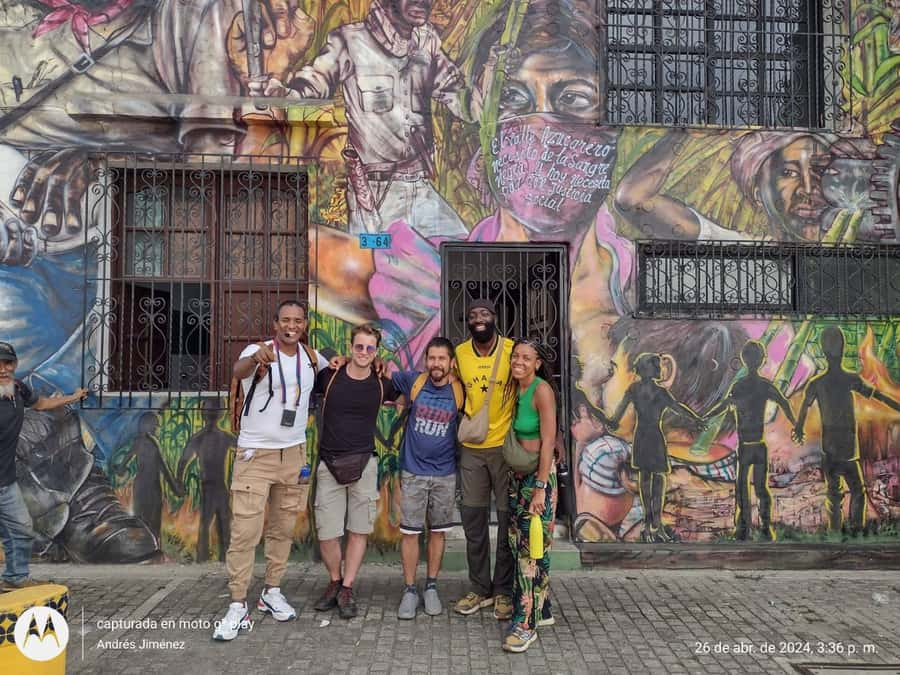
The activity takes place through central Cali and includes ordinary street life. You may encounter vendors, people asking for money, busy public areas, and a wide range of residents. The tour description is clear that you should take this normally rather than expect a protected tourist bubble.
That honesty is useful. You are seeing a city, not a set built for visitors. Some people will appreciate the directness. Others may find the setting demanding, especially if they are not used to crowded city streets or spontaneous encounters.
The walk is not intended for children under 10. It is also not suitable for people with hearing impairments, since so much of the experience depends on spoken explanation and conversation.
For most adults, comfortable clothing and shoes will make a bigger difference than dressing formally. Sunglasses and water are sensible in Cali’s outdoor setting. Alcohol and drugs are not allowed.
How much value do you get for $42?
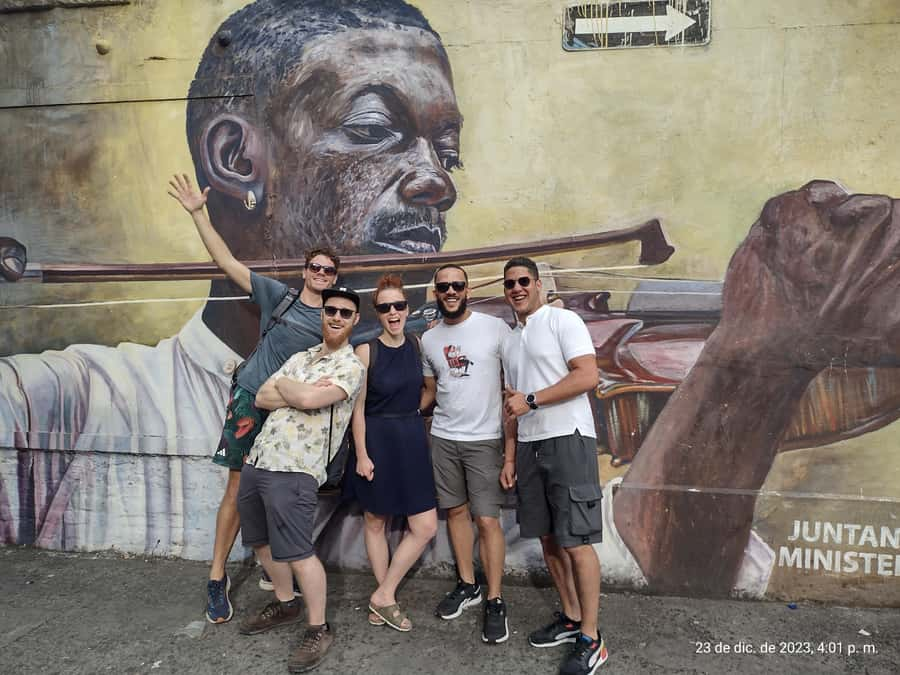
The price is $42 per person for 150 minutes. That is more than the cost of a simple orientation walk, but the tour includes several different kinds of experience: guided history, street art, food, cultural institutions, local businesses, and an introduction to salsa.
I see the value in the range of the route. You are not paying only to hear a lecture, and you are not paying only for a food sample. The guide connects the pieces so that the city’s art, music, cuisine, and social history make more sense together.
The bilingual format is another benefit. Andrés guides in English and Spanish, and his conversational style can help you practice listening in Spanish while still having access to clear explanations in English. One participant specifically found the bilingual format useful for Spanish comprehension.
The value is strongest for visitors who want context and personal interaction. If you simply want to photograph famous landmarks, a basic sightseeing walk may cost less and move faster. If you want to understand how Afro-Colombian culture shapes Cali, the $42 price is reasonable for the number of subjects covered.
Free cancellation up to 24 hours before the activity and a reserve-now, pay-later option also reduce the risk of fitting this into a changing trip plan.
Who will get the most from Andrés’s tour?
I would recommend this walk to you if you enjoy asking questions, trying local food, and seeing parts of a city that are easy to miss from a standard route. It is especially suitable if you are interested in African diaspora history, Colombian identity, street art, music, race, community businesses, or cultural education.
Black visitors may find the focus particularly meaningful, especially at the stops connected with personal care products, Black-owned businesses, and Afro-Colombian representation. The tour is also useful for anyone considering a longer stay or a move to Colombia because it offers a broad look at daily life and local identity in Cali.
You do not need previous knowledge of salsa or Colombian history. Andrés explains the background and keeps the tone friendly. You do need an open mind and a willingness to engage with the city as it is.
I would think twice if you need a quiet, tightly controlled route, a child-focused activity, or a tour delivered mainly through visual interpretation. The hearing-impaired restriction is explicit, and the urban setting can be intense for some people.
Practical verdict: book it for context, not just sightseeing
Book the Afro Walking Tour: The Colors of Cali early in your stay if you want the rest of your time in the city to have more meaning. Andrés can help you understand the food, music, art, and neighborhoods you encounter later.
The strongest reasons to book are his personal, bilingual style, the mix of three cultural institutions with street-level stops, and the chance to taste food while discussing history. You may also leave with ideas for other restaurants, shops, and cultural activities in Cali.
Skip it only if you want a quick landmark checklist or if a 150-minute urban walk feels uncomfortable. For everyone else, this is a thoughtful way to meet Cali through its Afro-Colombian culture, with enough music, food, art, and conversation to keep the history connected to real life.
FAQ
How long does the Afro Walking Tour last?
The tour lasts 150 minutes, or two and a half hours.
How much does the tour cost?
The listed price is $42 per person.
Where does the tour meet?
The meeting point is in front of the Subway sandwich restaurant.
Is the tour available in English?
Yes. Andrés Jiménez offers the tour in English and Spanish.
What is included in the experience?
The tour includes a walking introduction to Afro-Colombian culture and Cali, a taste of local Afro-Colombian food, an explanation of Cali’s salsa culture, and visits to three cultural institutions.
What should I bring?
Bring comfortable shoes, sunglasses, water, comfortable clothes, a camera, and cash.
Is the tour suitable for children or people with hearing impairments?
The activity is not suitable for children under 10 or for people with hearing impairments. It is wheelchair accessible.
Just added around Cali
- Rivering in The Danube (The Mermaid)★ 5.0 · 40 reviews
- Salsa Bar Hopping in Cali★ 4.5 · 43 reviews
- Street Food Tour – Live A Unique Gastronomic Experience★ 5.0 · 34 reviews
- Salsa & Music Tour of Cali★ 5.0 · 42 reviews
- Pance Waterfalls: Hike to discover the biodiversity of the valley★ 5.0 · 33 reviews
- The Cali Salsa Tour★ 4.7 · 9 reviews
- Shared Tour Cali’s Local Food at Alameda Market★ 4.8 · 12 reviews
- Friday Salsa Pub Crawl in Cali★ 4.9 · 23 reviews
Walking Tours, compared.
Historic Center and Getsemaní Shared Walking Tour
Read our review →

A Pearl In The Caribbean-walking tour in English
Read our review →
Browse the lists this tour appears in