
Reviewed · BOGOTá TOURS
Anti-tour Bogotá
Bogotá’s Anti-tour takes you past the usual postcard sights and into stories of resistance, rebellion, and renewal. You’ll meet the revolutionary figure La Pola, make chicha at Chorro de Quevedo, visit Manu Chao’s former home, then cross the city by TransMilenio to La Trocha Casa de la Paz, a project run by former FARC combatants.
I like the hands-on chicha workshop, since it gives Bogotá’s indigenous traditions a taste and texture you won’t get from a museum label. I also like the meeting at La Trocha, where former combatants are building a new life through peace work, crafts, art, and conversation.
The main drawback is the pace and subject matter. Four hours is tight for several stops, public transport, and serious discussion, and this is not a polished sightseeing tour. One Italian booking gave only two stars, calling for better planning and a more prepared guide, while another guest suggested starting at La Trocha would make the route smoother.
Key points to know before booking
- La Pola puts Colombia’s independence struggle in human terms: Learn about Policarpa Salavarrieta, a revolutionary heroine whose courage still matters in Bogotá.
- The chicha workshop is hands-on: You make the traditional corn drink and taste it rather than simply hearing about it.
- Manu Chao’s former home adds a music connection: The visit links Bogotá’s streets with the musician’s time in the city.
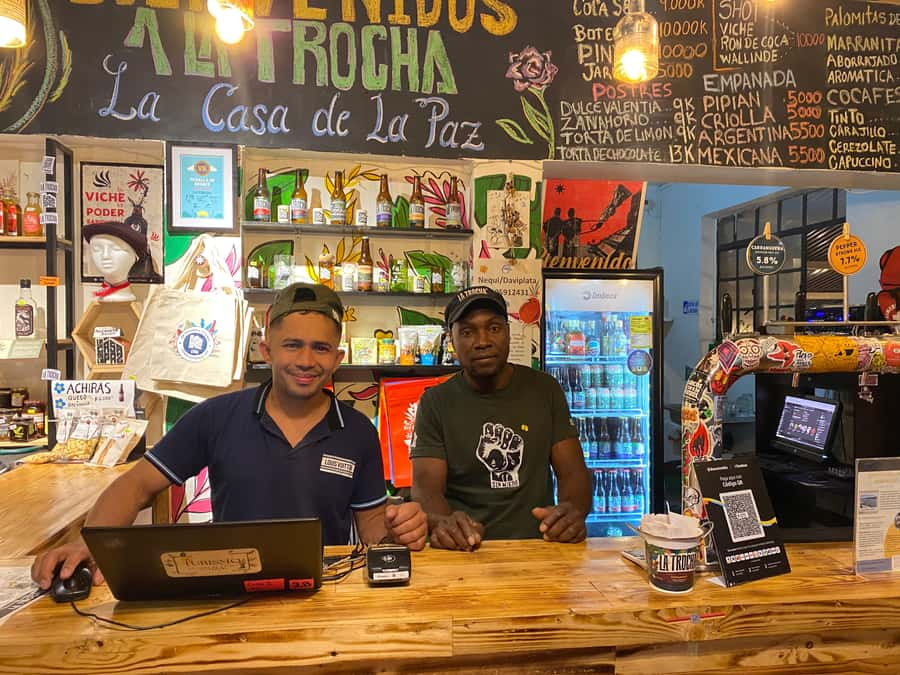
- La Trocha offers direct contact with peace-building: Former FARC combatants share personal stories and present crafts, art, and viche.
- TransMilenio is part of the story: You cross Bogotá as residents do, rather than spending the whole tour in a private vehicle.
- A small group makes conversation easier: Numbers are limited to 10, with English-speaking guides such as Andrés, Michael, and Paula involved in highly praised departures.
Bogotá told from the side streets
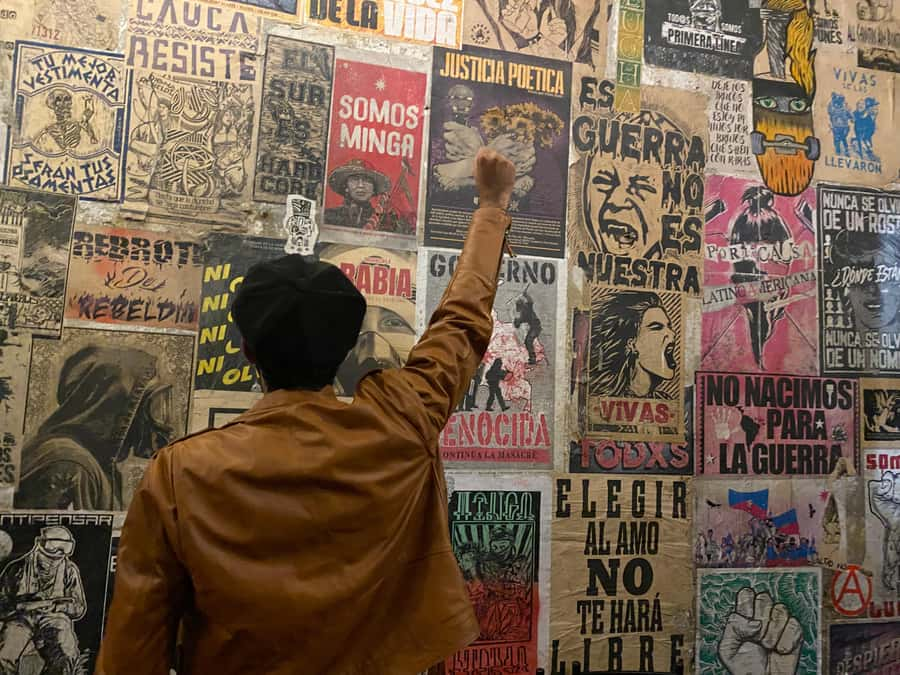
This tour is built around a simple idea: a city is more than its grand buildings and official history. You’ll hear about people who challenged authority, protected older traditions, made music, resisted injustice, and tried to repair the damage left by Colombia’s armed conflict.
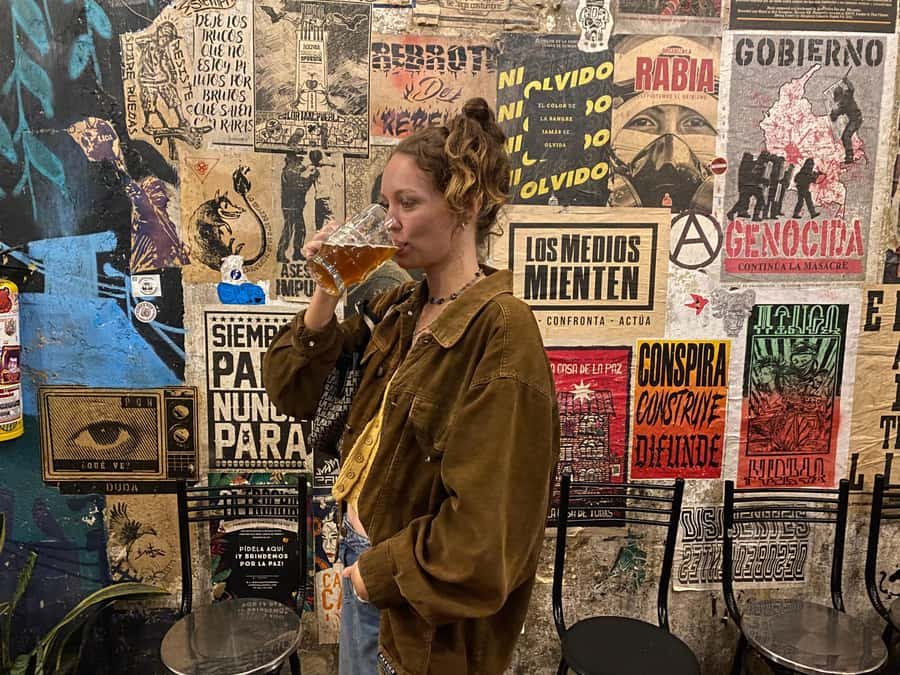
That gives the outing a clear point of view. It is sympathetic to marginalized communities and critical of toxic capitalism, injustice, and environmental destruction. If you want a neutral parade of monuments, this may feel opinionated. If you want to understand how Colombians have fought for change, the approach gives the tour purpose.
The meeting point is in front of the Bogotá sign at Parque de los Periodistas Gabriel García Márquez. This is a practical place to begin because the first stops are in the historic center, but check the exact sign and meeting instructions carefully. The wording for the meeting point is brief, so arriving a little early is sensible.
The group limit of 10 matters here. Much of the value comes from questions and personal exchange, not from standing at a distance while a guide recites dates. A smaller group should also make the chicha workshop and conversation at La Trocha more manageable.
A few more Bogota half-days worth weighing up
- Bogota: Bicycle City Tour
★ 4.9 · 2,156 reviews - Zipaquirá: Salt Cathedral Group Tour with Pickup
★ 4.8 · 1,606 reviews - Bogotá: Guided La Candelaria Walking Tour
★ 4.8 · 1,229 reviews
La Pola and the first lesson in resistance
The first stop is the monument to Policarpa Salavarrieta, usually known as La Pola. You’ll spend about 15 minutes here with a guided introduction to her role in Colombia’s fight for independence.
The stop is short, but it sets the tone. La Pola is presented not as a decorative figure from a distant textbook, but as a symbol of courage and political action. Her story gives you an early example of how ordinary people could become part of a much larger struggle.
Do not expect a long historical lecture at the monument. The real value is the frame it provides for the rest of the morning. The tour keeps returning to people who acted under pressure and found ways to shape their communities.
Chorro de Quevedo and the making of chicha
At Chorro de Quevedo Plaza, the tour spends about an hour and a half. This is the longest stop and the most hands-on part of the first half.
You’ll learn how to make chicha, an ancient indigenous corn brew, and taste a serving. That changes the way you think about the drink. Instead of treating chicha as an old custom preserved behind glass, you handle part of the process and learn why traditional food and drink can carry questions of identity, power, and modernity.
The workshop also explores the tension between older indigenous customs and modern city life. That is an important part of Bogotá’s story. Traditions do not simply disappear when a city grows. They can be pushed aside, commercialized, revived, or defended, and chicha sits right in the middle of those questions.
You should arrive ready to participate. Comfortable shoes help, and bringing water is wise. The tasting is included, but personal expenses are not, so carry money if you want anything additional during the outing.
Chorro de Quevedo is also a useful place to see the tour’s contrast between public and private Bogotá. The plaza is known, but the workshop takes you beyond a quick photograph. The guide uses a familiar place as a doorway into older customs and present-day debates.
Andrés received especially warm praise for making the session informative and fun. If you are lucky enough to have him as your guide, expect an energetic workshop with plenty of context. The guide can vary, though, and Michael has also led well-regarded departures.
Manu Chao’s Bogotá, behind a famous name
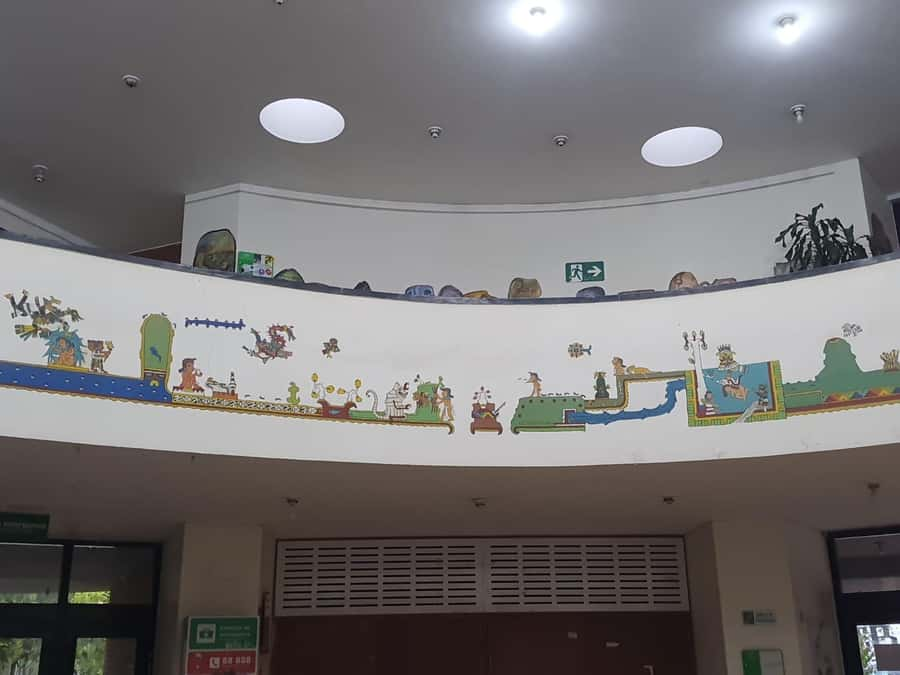
After the chicha session, you’ll visit the former home of Manu Chao in La Candelaria. The visit is included, and it gives the tour a cultural thread that is different from its political history.
Manu Chao is known for music shaped by migration, protest, street life, and cultural mixing. His time in Bogotá is used here to show how the city can affect artists, not simply serve as a backdrop for them. You’ll consider how the streets and people of Bogotá influenced his connection with the city’s cultural scene.
This is a short visit within a packed route, so keep your expectations sensible. The attraction is not presented as a major museum with a large collection. Its appeal lies in the story of place: a home linked to a musician and to a city that helped inspire him.
The stop is also one reason this tour suits people who want more than political history. You get music, food, memory, and community work in one morning. Each part gives you a different way to read Bogotá.
A completely different kind of day, same corner of Colombia:
- Bogotá: Private City Tour, Monserrate, Emerald and Botero
★ 4.9 · 798 reviews - Bogotá´s Barrios: El Paraíso Favela Tour with Cable Car
★ 4.8 · 731 reviews - Bogota: Guatavita and Salt Cathedral Daily Group Tour
★ 4.7 · 615 reviews - Bogotá City Tour with Monserrate, Gold and Botero Museums
★ 4.9 · 584 reviews
Crossing Bogotá by TransMilenio
The route then shifts from walking through the historic center to public transport. You’ll travel by TransMilenio for about 12 minutes, with a stop at the Gold Museum area.
Public transport is not just a transfer here. It lets you see how the tour’s ideas move from a historic center into another part of the city. You are not sealed inside a sightseeing bus, and the change in pace helps connect the old center with the modern city.
The Gold Museum stop includes about 30 minutes of guided touring. The information provided does not list a separate museum admission as an included feature, so you should clarify with the operator exactly what part of the stop is planned. The itinerary identifies the TransMilenio Gold Museum stop, but the main focus remains the onward visit to La Trocha.
This part of the route could feel rushed. You have a lot to cover in four hours, and public transport adds real-world timing. That is part of the tour’s character, but it means you should not expect long, relaxed visits at every location.
La Trocha Casa de la Paz and a different future
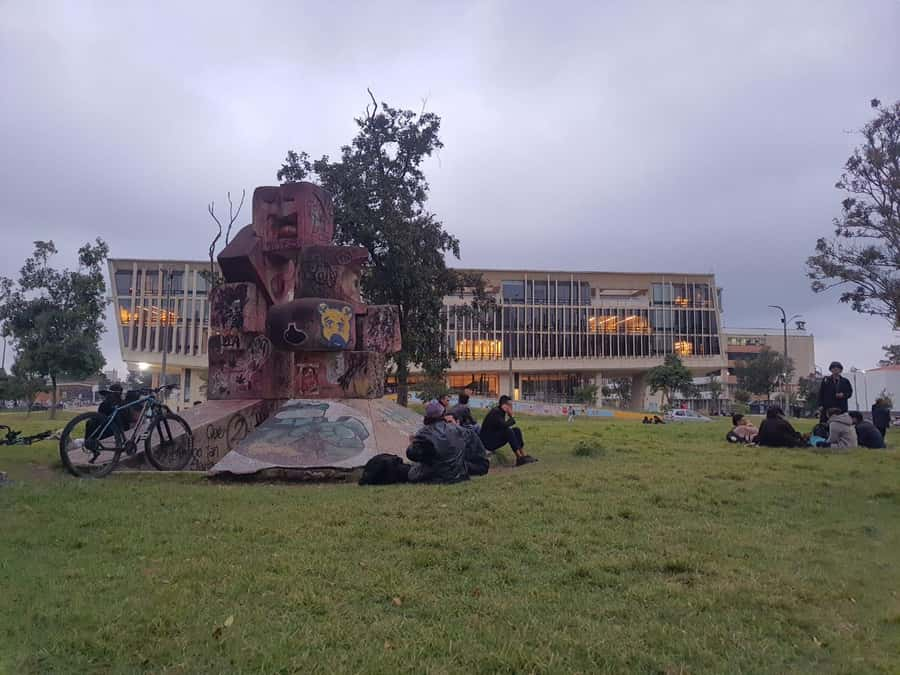
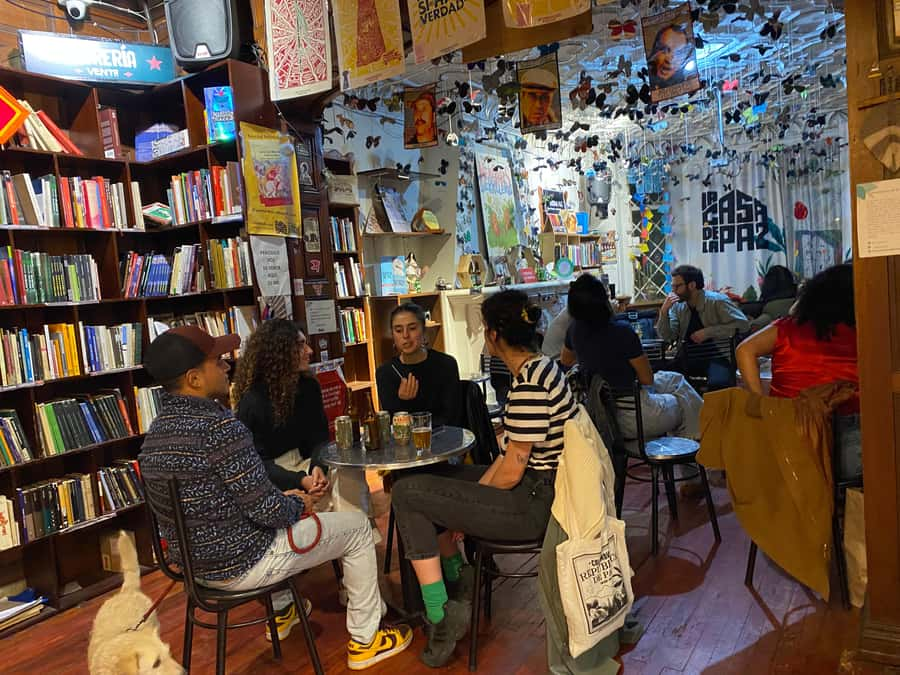
The final major stop is La Trocha Casa de la Paz, where you’ll spend about 80 minutes. This is the emotional center of the outing.
La Trocha is run by former FARC combatants who are working to build peace after conflict. You’ll hear personal stories of transformation and see how people connected with Colombia’s armed struggle are trying to shape a different future.
The visit includes a viche tasting. Viche is an ancestral sugarcane spirit, and tasting it adds another food and drink tradition to the day. As with the chicha, the point is not simply the flavor. The drink connects to local culture, memory, and the people presenting it.
You’ll also visit an arts and crafts market. Poets and performers use the space to share their messages, while local artisans make and sell crafts. This gives the stop a living, working quality. You are not just looking at objects from the past. You are seeing people use art and enterprise to make a place for themselves now.
The conversation can be powerful, but it may also be challenging. Stories connected to armed conflict, exclusion, and peace negotiations are not light entertainment. Go with patience and respect, and give yourself room to listen. This is one of the strongest reasons to choose the Anti-tour, but it is also the part least suited to someone seeking a carefree morning of sightseeing.
Paula was singled out for making the La Casa de la Paz visit especially effective. Her role may vary by departure, but the personal contact at La Trocha is central to what you are booking.
What the $42 price really covers
At $42 per person, the value depends on how much you want from a guided cultural outing rather than a conventional city tour. The price includes a four-hour English-language guide, the chicha workshop and tasting, viche tasting, the visit to Manu Chao’s former home, historical sites, and the personal stories connected with La Trocha.
That is a fair package if you value access and interpretation. You are paying for a route that would be difficult to assemble on your own, particularly the introductions at La Trocha and the workshop. The small group limit also helps keep the price reasonable while allowing more conversation than a large bus tour.
The value is less obvious if you mainly want famous landmarks. This tour does not focus on a long list of major attractions, and the Gold Museum stop appears brief. You should book it for the people, stories, and unusual access, not because it covers every headline sight in central Bogotá.
The free cancellation option up to 24 hours before departure and the reserve-now, pay-later choice reduce the risk of fitting it into a changing schedule. Starting times depend on availability, so check the departure options before making other plans.
Who will enjoy this route most
I would choose this tour if you want to understand Bogotá through social history, music, food, and personal stories. It is particularly well suited to you if standard walking tours feel too predictable or if you want to meet people involved in Colombia’s peace process.
You should also enjoy participation. The chicha session asks you to do something, and the La Trocha visit works best when you listen and ask thoughtful questions. This is not a tour where you simply take photographs and move on.
The tour may be a poor match if you need a tightly timed schedule or a relaxed route with plenty of stops for coffee and photographs. One guest felt the planning needed improvement, and another suggested beginning at La Trocha would make the route smoother. Those comments point to a real issue: the tour covers a lot, and the transition across the city can make the schedule feel compressed.
Comfortable shoes, a hat, sunscreen, a camera, and water are sensible. The tour lasts four hours, but Bogotá’s walking and public transport can still make that feel like a full morning.
Guide quality and the small-group difference
The strongest guide feedback centers on Andrés and Michael. Andrés is associated with an enjoyable chicha workshop and clear explanations, while Michael has been praised for creating an inclusive tour and making space for underrepresented communities and performers.
Paula received particular praise for the Casa de la Paz visit. These names matter because the quality of a tour built around discussion depends heavily on the person leading it. A skilled guide can connect La Pola, chicha, Manu Chao, and former FARC members into one clear story. A weaker guide may leave the route feeling scattered.
The overall rating is 4.4 from 14 reviews, with many five-star responses and one notably negative assessment focused on preparation. I would treat that as a useful warning rather than a reason to dismiss the tour. Confirm the meeting point, arrive early, and ask the guide at the start how the timing will work.
Should you book the Anti-tour Bogotá?
Book it if you want the Bogotá beneath the official story: an indigenous drink you help make, a musician’s connection to La Candelaria, a ride on TransMilenio, and a direct encounter with people building peace after conflict.
Skip it if you want a classic highlights tour, extensive museum time, or a calm route with no political discussion. For the right person, $42 buys access to conversations and places that are difficult to find alone. Just allow for a quick pace and come ready to listen, participate, and accept a tour that has a point of view.
FAQ
How long does the Anti-tour Bogotá last?
The tour lasts four hours.
What language is the tour conducted in?
The tour is conducted in English with a live guide.
How much does the tour cost?
The price is $42 per person.
Where does the tour begin?
It begins at Parque de los Periodistas Gabriel García Márquez, in front of the Bogotá sign.
Where does the tour finish?
It finishes at La Trocha Casa de la Paz.
Is the chicha workshop included?
Yes. The tour includes a hands-on chicha workshop and a drink tasting.
Is viche tasting included?
Yes. Viche tasting is included at La Trocha Casa de la Paz.
Will I visit Manu Chao’s former home?
Yes. The tour includes entrance to Manu Chao’s former home in La Candelaria.
How many people are in the group?
The group is limited to 10 participants.
What should I bring?
Bring comfortable shoes, a hat, a camera, sunscreen, and water. Personal expenses are not included.
Just added around Bogota
- Zipaquirá: Private tour to the Salt Cathedral, Colombia’s first wonder★ 4.9 · 33 reviews
- Zipaquira: 5 hrs Salt Cathedral Tour★ 4.4 · 9 reviews
- Wonders of Salt: Colombia’s Underground Cathedral★ 5.0 · 18 reviews
- Zipaquirá Salt Cathedral & Andrés Carne de Res (Chía)★ 4.6 · 30 reviews
- Zipaquirá: Private Salt Cathedral Mine and Walking Tour★ 4.8 · 3 reviews
- Villa de Leyva Trip by Private Transportation★ 4.8 · 27 reviews
- Wonderful tour of Villa de Leyva, and Zipaquira Salt Cathedral.★ 4.5 · 34 reviews
- Theatron Party-Tour, 20 Clubs, Map, cocktail, bottle, After-party★ 5.0 · 27 reviews
Bogotá Tours, compared.
Private City Tour, Monserrate, Emerald and Botero
Read our review →
Bogotá´s Barrios: El Paraíso Favela Tour with Cable Car
Read our review →
Bogotá City Tour with Monserrate, Gold and Botero Museums
Read our review →
Zipaquirá Salt Cathedral and Lake Guatavita Day Tour
Read our review →Browse the lists this tour appears in