
Reviewed · WALKING TOURS
Cali: Walking Tour of the 11 Neighborhoods of Commune 20
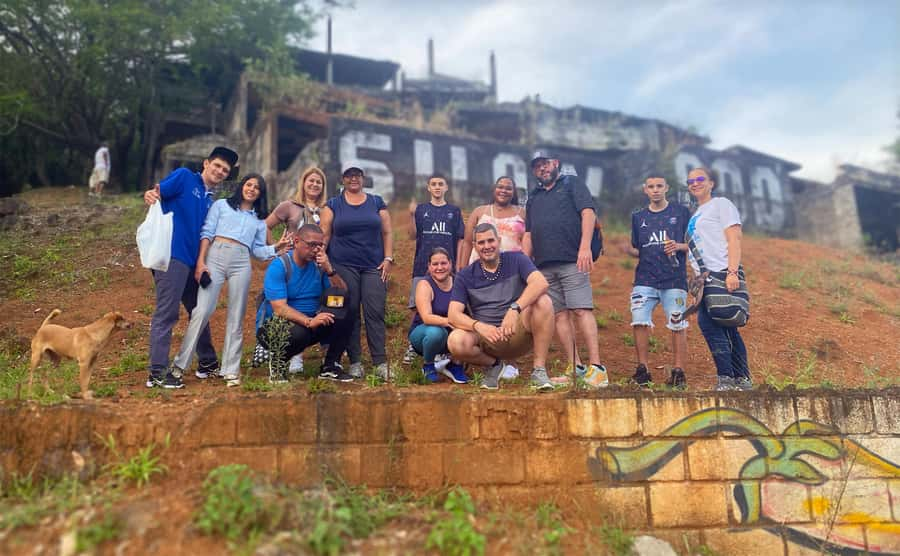
Cali’s MIO cable car gives this experience its opening punch. You rise above the city toward Siloé, then explore part of Commune 20, a group of 11 neighborhoods known for its street art, strong local identity, and community-led efforts to create positive change. I like that the visit combines public transport, history, art, and a walking tour instead of keeping you inside a sightseeing vehicle.
I also like the four themed stations. Cañaveralejo covers transportation, Tierra Blanca focuses on Cali’s salsa tradition, Lleras Camargo brings in green spaces, and Brisas de Mayo turns to myths and legends. A second plus is the guide team: Miguel, Jorge, Juan Carlos, William, Pablo, and Juan have all been praised for warmth, humor, and detailed local storytelling.
The main caution is physical. You walk about 3 kilometers, with steep inclines in Siloé, and the tour runs rain or shine. The published duration is four hours, but the detailed route gives one hour for each cable-car ride plus three hours in Siloé, so confirm the day’s exact timing when you book.
Key points to know before you go
- The MIO cable car sets the tone: You get broad views over Cali before the walking portion begins.
- Four stations add structure: Each stop has a different subject, from transport and salsa to local legends.
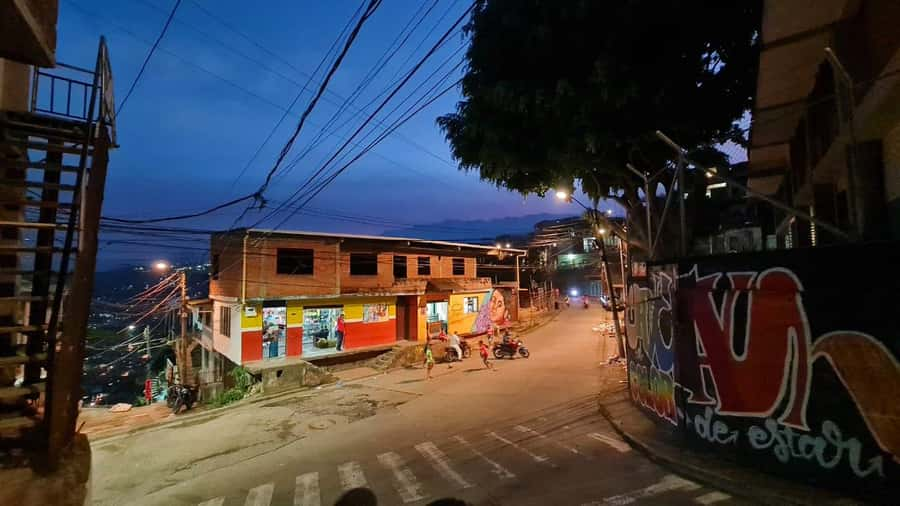
- Siloé is an active neighborhood, not a museum: You see daily life, community projects, graffiti, and local culture.
- The walk is about 3 kilometers: Steep sections make comfortable shoes and a reasonable fitness level important.
- Guides are central to the experience: Miguel and Juan Carlos are among the guides singled out for clear, friendly hosting.
- The $65 price covers the basics: Your guide, cable-car fare, a typical drink, and medical assistance insurance are included.
Why the cable car is the right way into Commune 20
The tour begins at Terminal MIO Cañaveralejo. Your guide waits by the main door of the station on Fifth Street, so arrive with enough time to locate the meeting point without rushing.
From there, you board the MIO cable car. The ride lasts about an hour according to the route details provided, though the overall activity is advertised as four hours. That difference is worth checking before departure, especially if you have dinner plans or another evening booking.
The cable car is more than a practical ride. It gives you a quick sense of Cali’s scale and shows how transportation connects neighborhoods that sit on steep ground. You can take photographs from above, but keep your attention on the changing view as well. The point is not only the ride itself. It is seeing how the city stretches from the main urban area toward Siloé.
This opening also gives your guide room to introduce the area before you begin walking. You hear about the districts of Commune 20 and the local push for better conditions and a more positive future. That background matters. Without it, the graffiti and steep streets could seem like isolated sights. With it, they become part of a larger story about residents taking an active role in their community.
More Walking Tours in Cali
- The Cali Street Food Walking Tour
★ 5.0 · 81 reviews - Cali: Walking tour of the historic center
★ 5.0 · 69 reviews - Afro Walking Tour. The colors of Cali.
★ 5.0 · 61 reviews
Cañaveralejo station and the story of transportation
The first thematic stop is Cañaveralejo. Here, the focus is transportation and the history connected to the station.
This is a useful beginning because the MIO cable car is itself part of the story. You are not simply riding above Cali for a view. You are using a form of transport that links the city with neighborhoods built on difficult slopes. The guide explains how transportation has shaped movement through the area and why access matters.
Do not expect a large transport museum or a long collection of exhibits. The value comes from the explanation at the station and the connection between the cable system and the surrounding neighborhoods. If you enjoy understanding how cities work, this stop will likely interest you more than a standard photo stop.
It also prepares you for the walking portion. The cable car gives you the wide view. The streets of Siloé bring you down to ground level, where the subject becomes daily life and local action.
Tierra Blanca brings Cali’s salsa tradition into the route
At Tierra Blanca, the subject changes to salsa. Cali is closely linked with this music and dance tradition, and the stop gives your guide a chance to explain its local importance.
The tour does not present salsa as a decorative extra. It treats the music as part of the city’s identity and neighborhood culture. You may already know Cali for salsa clubs, but this stop places that reputation inside the story of Commune 20. The result is more useful than simply being told that Cali is a salsa city.
I would pay attention to the guide’s examples here, since the experience depends on how well the story is told. Guides such as Miguel, Juan Carlos, and Jorge have received especially strong praise for making the visit relaxed, humorous, and personal. The language options are English and Spanish, so you can choose the tour language that lets you follow the cultural details most easily.
Tierra Blanca is also a good reminder that this is not a tour built around one famous monument. Its interest comes from connections: transport leads to access, access leads to community change, and neighborhood life connects with salsa, art, and local memory.
Lleras Camargo offers a pause among green spaces
Lleras Camargo focuses on green spaces. After the elevated cable-car ride and the more built-up sections of the route, this stop adds a different note.
The information provided does not promise a particular park, garden, or facility, so you should think of this as a themed stop rather than a guaranteed major attraction. Your guide will explain the role of green areas in the neighborhood and point out what makes this part of the route worth noticing.
This pause can also be welcome from a physical point of view. The walk covers roughly 3 kilometers, and the inclines can be demanding. A change of pace helps you absorb the surroundings instead of hurrying from one point to the next.
You will want sensible clothing here. The tour runs in rain or shine, and the activity asks you to walk through an active neighborhood rather than follow a paved sightseeing circuit designed for easy access. Comfortable shoes are essential. Bring cash as well, since it is listed among the recommended items and the included drink does not cover other purchases.
A completely different kind of day, same corner of Colombia:
- Shared Tour Cali’s Historical Downtown
★ 4.8 · 143 reviews - Historical Shared Tour Salsa, Graffiti & Resistance in Cali
★ 5.0 · 107 reviews - San Cipriano Rainforest – River, Waterfalls and Adventure Day
★ 5.0 · 73 reviews - Cali: Street Food Tour
★ 4.8 · 71 reviews
Brisas de Mayo turns to myths and local legends
The final thematic station is Brisas de Mayo, where the guide discusses local myths and legends.
This is often the kind of stop that makes a neighborhood tour memorable. Official history explains transport systems and community action, but legends show how people give meaning to the places where they live. The stories may also help you understand why certain streets, corners, or names matter locally.
The guide’s role is important here. A short explanation can feel flat, while a good storyteller can connect a legend to the neighborhood around you. The guide team associated with this experience has earned praise for being friendly and flexible, including offering choices about what to see. That flexibility is useful because a walking tour through a living neighborhood cannot be treated like a fixed museum route.
Keep your expectations grounded. The focus is on hearing the stories and seeing the area, not on a formal theatrical performance. You are there to listen, walk, and observe.
Street art gives the walking section its visual energy
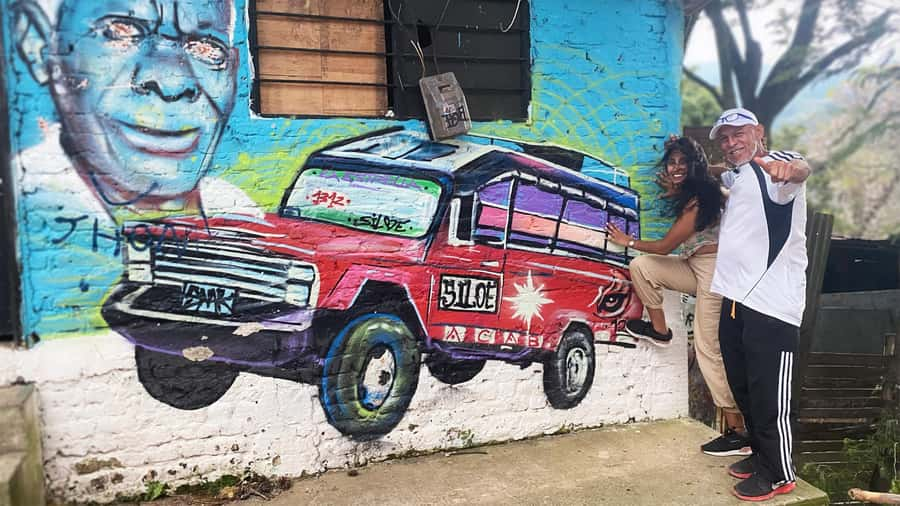
The Siloé portion lasts about three hours in the route description. During this time, you see street art and graffiti created by a range of artists and hear how residents have worked toward positive change.
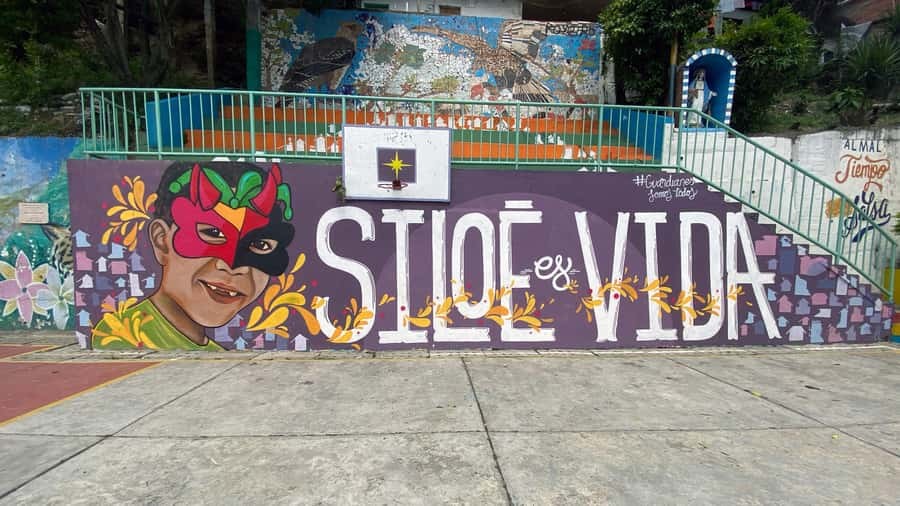
The art is one of the clearest reasons to choose this tour over a standard city sightseeing trip. You are not only looking at finished images. You are learning how public art can help express local identity and change the way outsiders see a neighborhood.
I would give yourself time to look closely. Notice how the art sits alongside homes, shops, roads, and ordinary movement. The setting matters. These are not isolated gallery walls, and the experience is stronger when you treat the street itself as part of the picture.
At the same time, remember that this is a walking visit through a real community. It is not a staged attraction where every corner is prepared for photographs. The guide helps you read what you are seeing and explains the local setting. That makes the visit more respectful and more useful than simply arriving with a camera.
What the walk is really asking of you
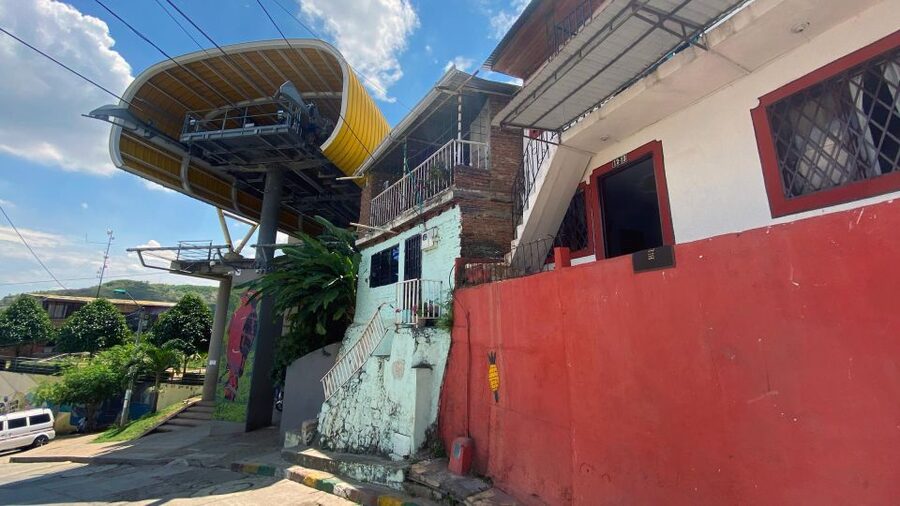
The distance is listed as approximately 3 kilometers, but distance alone does not tell you how difficult a walk will feel. A direct comment from the tour experience is important here: you should be fit enough for steep inclines.
I would not choose this outing if you want an easy, level stroll. It is not suitable for children under 10, pregnant women, or people with mobility impairments. Comfortable shoes and clothes are required, and rain does not cancel the activity.
The pace may vary with the group and the guide. Several guides have been praised for keeping the mood friendly and relaxed, which can make the hills easier to manage. Still, good hosting does not remove the physical demand. Bring water if you normally need it on a three-kilometer walk, though the supplied information specifically lists a typical local drink as included.
The drink is a small but welcome feature. It gives you a taste of Cali beyond the better-known food and dance references, and it breaks up the walking with a local refreshment. The exact drink is not specified, so do not book this expecting a particular beverage.
Is $65 a fair price?
At $65 per person, this is not the cheapest way to see Cali. The price includes a local guide, entrance to the MIO cable car, a typical local drink, and medical assistance insurance. Hotel pickup, hotel drop-off, and dinner are not included.
For me, the value depends on what you want from a city tour. If you only want a cable-car ride and a few views, $65 is high. You could use public transport independently for less, though you would miss the interpretation and organized walk.
If you want context, the price makes more sense. You get the cable-car experience, a guided visit through Siloé, four themed subjects, street art, local stories, and a drink. The strongest part is the human connection. Guides such as Miguel, Jorge, Juan Carlos, William, Pablo, and Juan are repeatedly described as warm, funny, attentive, and well informed about local history. That matters in a neighborhood visit where explanation and trust shape the whole day.
The tour is also a reasonable choice if you prefer spending money with a local operator. Be Pacific Tours runs the experience, and the focus is on local guides and community stories rather than a quick ride past the area.
Practical details that can make the afternoon easier
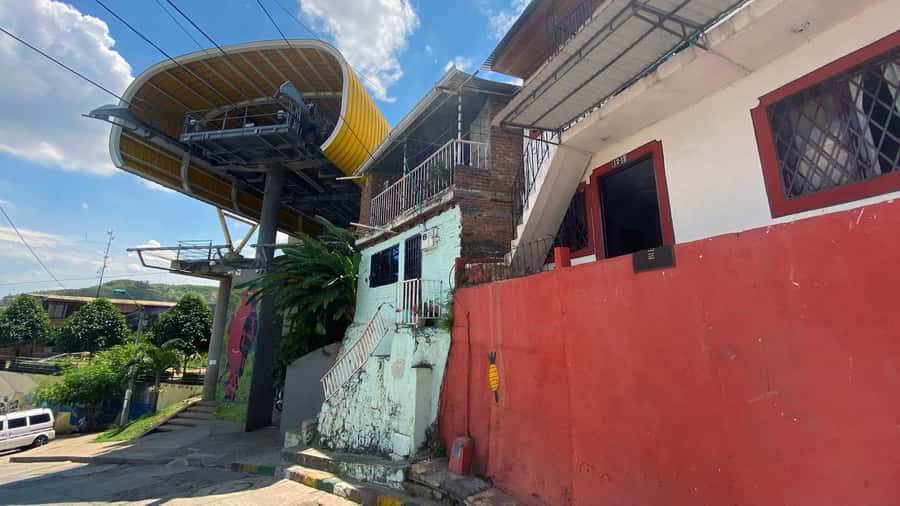
The meeting point is specific: the main door of Terminal MIO Cañaveralejo station on Fifth Street. Do not assume your guide will collect you from your hotel. Hotel pickup and drop-off are not included.
The activity is available in English and Spanish. A live guide leads the experience, which is much more useful here than an audio guide because the route includes local legends, community action, and changing street scenes.
The published duration is four hours, with a return to Terminal MIO Cañaveralejo at 7:00 PM. Yet the detailed timing describes one hour on the cable car, three hours in Siloé, and another hour on the cable car. Those segments add up to five hours. I would confirm the start and finish times directly when booking rather than build a tight evening around the advertised return.
You can cancel up to 24 hours ahead for a full refund, and you can reserve without paying immediately under the reserve-now, pay-later option. These policies are useful if your Cali schedule is still changing.
Bring:
- Comfortable walking shoes
- Comfortable clothes
- Cash
- Rain protection, since the tour runs in all weather
- A phone or camera for the cable-car views and street art
Who will enjoy this tour most?
I would recommend it to you if you want to understand a part of Cali through its residents, art, transport system, music, and stories. It suits curious adults who enjoy walking, listening, and seeing ordinary neighborhoods rather than checking off grand monuments.
It is especially appealing if you have already seen central Cali and want a different side of the city. The cable car adds a strong visual start, while the Siloé walk provides the local detail that a short ride alone cannot offer.
You may want to skip it if you dislike hills, rain, informal neighborhood walks, or changing schedules. It is also not a good fit for anyone with mobility limits, for pregnant women, or for children under 10. The tour asks you to be alert and comfortable on foot.
Should you book the Commune 20 walking tour?
Book this tour if you want a thoughtful, active introduction to Siloé and Commune 20, with strong local guiding and more substance than a photo stop. The best reasons are the cable-car views, the four themed stations, the street art, and the chance to hear how residents have helped shape their neighborhoods.
I would confirm the timing before paying, wear shoes made for hills, and keep the evening afterward flexible. If you can handle the walk and want a direct look at Cali’s community life, the $65 price is reasonable for the mix of transport, guiding, culture, and local flavor.
FAQ
Where does the tour begin?
It begins at Terminal MIO Cañaveralejo. Your guide waits at the main door of the station on Fifth Street.
How long does the tour last?
The activity is advertised as four hours, with a return to Terminal MIO Cañaveralejo at 7:00 PM. The detailed route describes one hour on the cable car, three hours in Siloé, and another hour on the return cable car, so confirm the exact timing before booking.
What languages are available?
The tour is offered with a live guide in English or Spanish.
How far do you walk?
You walk approximately 3 kilometers during the experience.
Is the route physically difficult?
The tour includes steep inclines in Siloé. Comfortable shoes and clothes are recommended, and you should be fit enough for uphill walking.
What does the $65 price include?
It includes a local guide, MIO cable-car admission, a typical local drink, and medical assistance insurance.
Is hotel transportation included?
No. Hotel pickup and drop-off are not included.
Is dinner included?
No. Dinner is not included.
Can children join the tour?
Children under 10 are not suitable for this activity.
What happens if it rains?
The tour takes place rain or shine, so bring suitable clothing and footwear for the weather.
Just added around Cali
- Street Food Tour – Live A Unique Gastronomic Experience★ 5.0 · 34 reviews
- Rivering in The Danube (The Mermaid)★ 5.0 · 40 reviews
- Salsa Bar Hopping in Cali★ 4.5 · 43 reviews
- Salsa & Music Tour of Cali★ 5.0 · 42 reviews
- Pance Waterfalls: Hike to discover the biodiversity of the valley★ 5.0 · 33 reviews
- The Cali Salsa Tour★ 4.7 · 9 reviews
- Shared Tour Cali’s Local Food at Alameda Market★ 4.8 · 12 reviews
- Friday Salsa Pub Crawl in Cali★ 4.9 · 23 reviews
Walking Tours, compared.
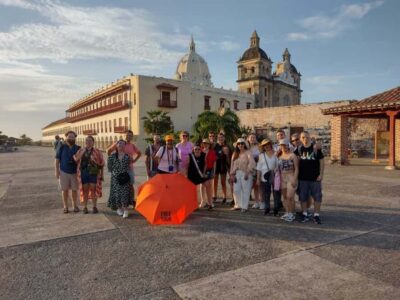
Historic Center and Getsemaní Shared Walking Tour
Read our review →



A Pearl In The Caribbean-walking tour in English
Read our review →
Browse the lists this tour appears in